
Too much moisture indoors can make life uncomfortable, from sticky air, musty smells, and, yeah, the dreaded mold! While dehumidifiers do the job, some houseplants actually soak up moisture naturally through their leaves and roots. Not only are they an eco-friendly way to keep humidity in check, but they also look great scattered around your place.
Bringing moisture-absorbing plants into your home is a natural way to manage humidity and add some green vibes to your space. Whether you’re into feathery ferns or prefer something a little more hands-off, there’s a plant for every humid corner. Picking the right ones for your bathroom, basement, or wherever things get damp can really make a difference.
1) Boston Fern
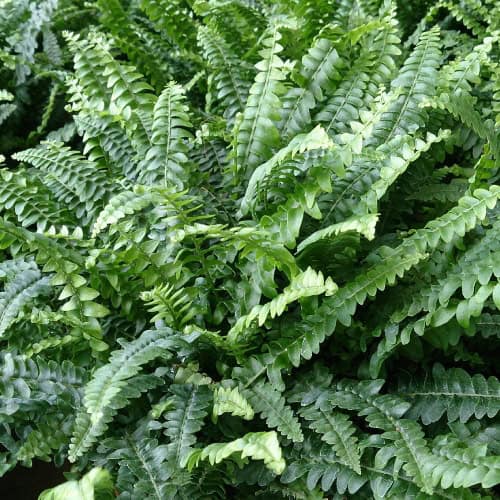
Boston fern is kind of a classic when it comes to pulling moisture from the air. Its lush, feathery fronds seem to drink in humidity, which is why it’s so happy in steamy spots.
Tuck one into your bathroom or kitchen, basically anywhere that tends to get muggy. Boston fern likes things warm and evenly moist, and it’s not too picky about pH as long as it’s between 5.5 and 6.5.
2) Spider Plant
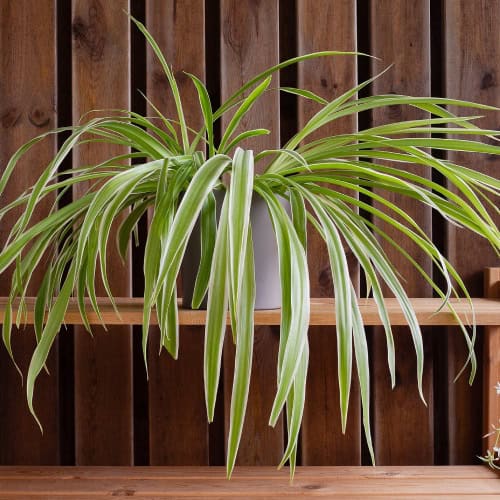
Spider plants are those reliable go-to houseplants that are super easy to care for and actually help pull moisture out of the air! Their leaves are constantly at work, quietly improving humidity levels through a process called evapotranspiration.
They’re pretty unfussy, too. Pop a spider plant on a shelf in your kitchen or bathroom, or even in a bright living room. They’ll keep the air fresh and the humidity down, all without much fuss.
3) English Ivy
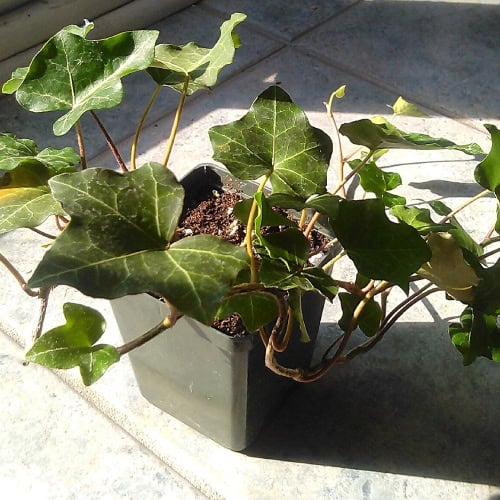
English Ivy is a bit of a multitasker. Not only does it absorb moisture, but it also adapts to different light and humidity situations. It’ll happily trail from a hanging basket or climb up a wall if you let it.
Those little rootlets it uses to cling to surfaces? They’re also soaking up water from the air and surroundings. English Ivy isn’t demanding, just give it a spot and let it do its thing.
4) Peace Lily
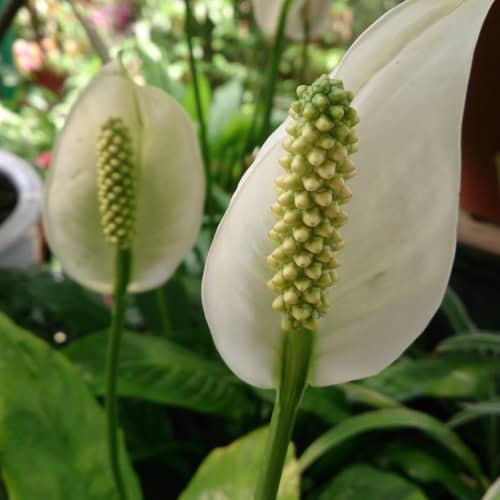
Peace lilies are just built for humid spots. They love soaking up excess moisture and don’t ask for much in return. Their broad, glossy leaves are always working to pull water from the air.
Stick a peace lily in your bathroom or kitchen, and it’ll help keep things comfortable. Plus, it’s known for cleaning up other stuff in the air, so you get a double benefit.
5) Maidenhair Fern
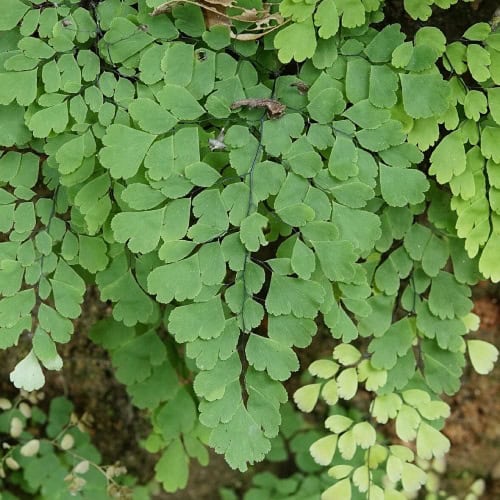
Maidenhair ferns are delicate-looking but surprisingly tough when it comes to thriving in humidity. Their fine fronds are practically made for absorbing water.
Bathrooms or any damp area are perfect for these ferns. They do prefer indirect light and consistently moist soil, so they’re a great fit for naturally damp spaces.
6) Ostrich Fern
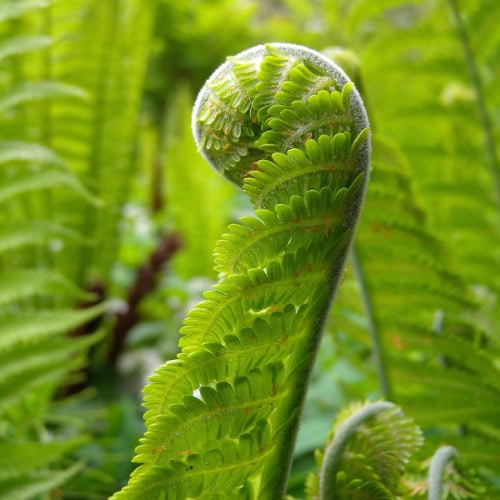
Ostrich ferns are used to hanging out near rivers and streams, so they’re right at home in places where the air is thick with moisture. Their structure is all about managing water, with a central rhizome surrounded by sturdy leaf bases.
If you’ve got a spot in your home that always feels a bit damp, try an ostrich fern there. Its fronds will help regulate the moisture and add a wild, natural vibe.
7) Holly Fern
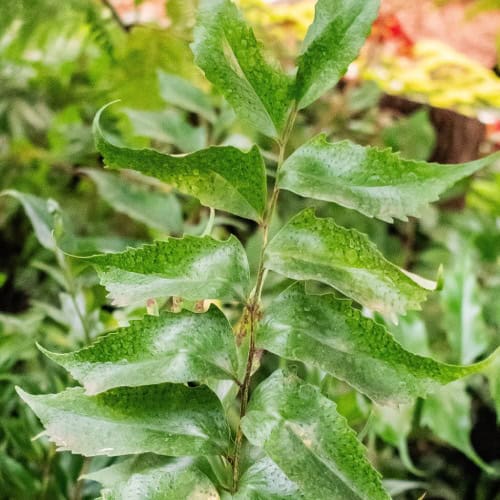
Holly fern is another one that loves humidity. Its dense, leathery fronds are great at pulling moisture from the air.
Bathrooms, kitchens, or anywhere steamy works for this plant. Just keep the water coming and avoid direct sun. It’s a good choice if you want something a little different from the usual fern.
8) Philodendron
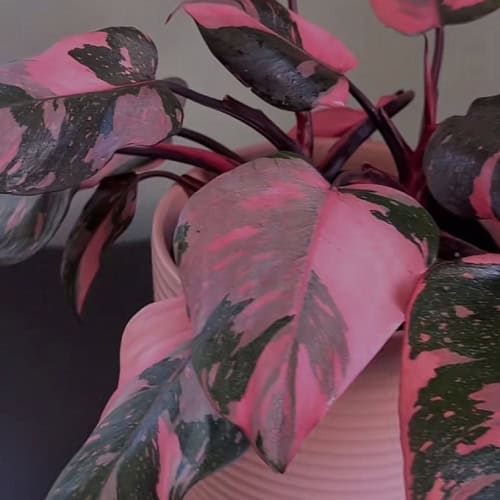
Philodendrons are pretty much made for soaking up moisture. Their big, broad leaves and sometimes even their aerial roots help them draw water from the air.
There are tons of varieties out there, so you can pick one that fits your style. They’re popular for a reason as they’re tough, attractive, and they help keep humidity under control.
9) Tillandsia (Air Plant)
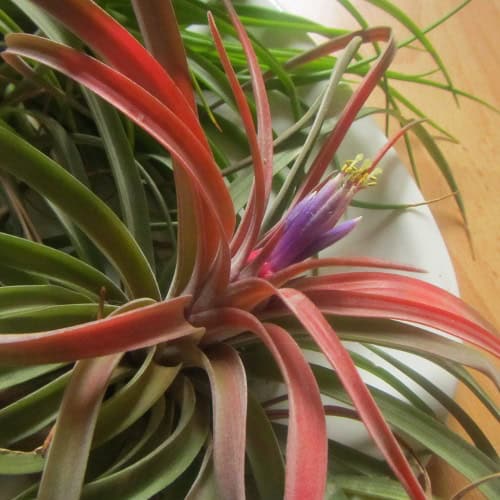
Tillandsia, or air plants, are kind of fascinating. They don’t even need soil, as their leaves are covered in special cells called trichomes that grab water straight from the air.
Just toss them in a humid room and let them do their thing. Once in a while, you might want to soak them in water for 10–20 minutes to keep them extra happy, but otherwise, they’re super low-maintenance.
10) Snake Plant (Sansevieria)
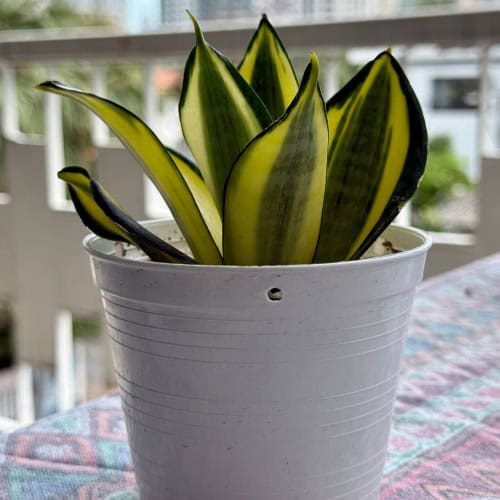
Snake plants are about as tough as houseplants get, and they’re surprisingly good at managing moisture. Their upright, thick leaves look great and they’re actively absorbing water from the air at the same time (win-win)!
You won’t need to water them much, and they’re fine in almost any light. Perfect for anyone who forgets about their plants but still wants to tackle humidity.
11) Areca Palm
The Areca Palm (Areca catechu) is a humidity hero. Outdoors, these things can get huge, but inside, they stay manageable and help balance moisture in the air.
They like it warm and a little on the damp side, so they’re right at home in steamy spots in your house. Just keep the water coming and they’ll reward you with lush, tropical leaves.
12) Bamboo Palm
The bamboo palm is another solid pick for battling humidity. It sucks up water from the air and soil, then releases it through its leaves.
Bathrooms or basements are good homes for these palms. They’re happiest in humid conditions, and their moisture-balancing act is backed by research. Plus, they’re just plain pretty.
13) Weeping Fig (Ficus)
Weeping figs quietly work to manage moisture in your home. Their leaves take in water from the air, and the plant’s root system helps too.
Give your weeping fig a spot with bright, indirect light and keep the soil moist. It’ll help keep the air comfortable, especially in rooms where things get a bit stuffy.
14) Calathea
Calatheas are well-known for their gorgeous, patterned leaves and their love of humidity. They draw in water through their roots and release it through those broad leaves.
They do best when the soil stays moist, so don’t let them dry out. Their big leaves help with transpiration, which keeps the air in your home feeling just right.
15) Alocasia
Alocasia plants bring a real tropical vibe, and they’re pros at handling humidity. Their large leaves pull moisture from the air, which makes them perfect for steamy rooms.
Bathrooms and kitchens are great spots for Alocasia. They’ll help keep the air balanced while adding a bold, dramatic look to your space.
16) ZZ Plant
The ZZ plant doesn’t mind a little neglect, which is probably why so many people love it. Its thick rhizomes store water, so it can handle dry spells, but it’s also good at absorbing moisture when the air gets damp.
Try one in a bathroom or basement where humidity levels go up and down. It’ll quietly do its job without demanding much in return.
17) Parlor Palm
The Parlor Palm thrives in moist soil and has a long history as a favorite houseplant, even back in Victorian times. It’s compact, so it fits in small spaces, and it’s adaptable to different humidity levels.
Set it in your kitchen or bathroom, and it’ll help keep the air from feeling too heavy. Plus, it doesn’t need a ton of light, which is always a bonus.
18) Chinese Evergreen (Aglaonema)
Chinese Evergreen is a chill, low-light plant that loves humidity. Its broad leaves are always at work, pulling extra moisture from the air.
Bathrooms, kitchens, or any spot that gets a bit damp is perfect for this plant. It’s easy to care for and keeps the air cleaner and more comfortable – what’s not to like?
19) Pothos
Pothos is one of those plants that just quietly pulls moisture right out of the air through its leaves, so it’s surprisingly helpful if you’re trying to keep humidity down indoors. It’s pretty adaptable, growing well in most indoor rooms and handling a range of light situations without much fuss.
You can stick pothos in water or soil, whichever suits your mood, and it’ll still do its thing to help balance moisture in the air. Some studies even suggest pothos acts as a bit of a bio-thermal-conditioner, subtly tweaking the temperature and humidity around it. Pretty neat, right?