
Garden beds are kind of a game-changer when it comes to growing plants, as they give you more control over the soil, usually drain better, and honestly, they’re just easier to work in than digging around at ground level.
Picking the right plants for your garden beds can help you get the most out of your space, bring in pollinators, and keep things looking good all season long.
Success really comes down to choosing plants that fit your climate, the space you’ve got, and what you actually want out of your garden. Some folks go heavy on veggies, others love herbs or want non-stop blooms, as there’s no single right answer. Knowing what actually thrives in garden beds makes all the difference.
1) Tomato
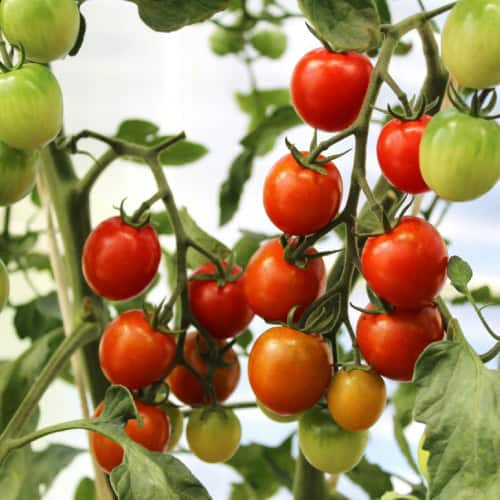
Tomatoes are a classic for raised garden beds and for good reason, as they’re adaptable and can crank out a lot of fruit. Raised beds help with drainage and let you tweak the soil just how you like it.
You can go with determinate types, which stay compact (great if you’re short on space), or indeterminate ones that keep growing and need support but give you tomatoes all season. Varieties like ‘Cherry’ and ‘Better Boy’ are usually safe bets.
Just be sure your tomatoes get full sun and warmth for best results.
2) Basil
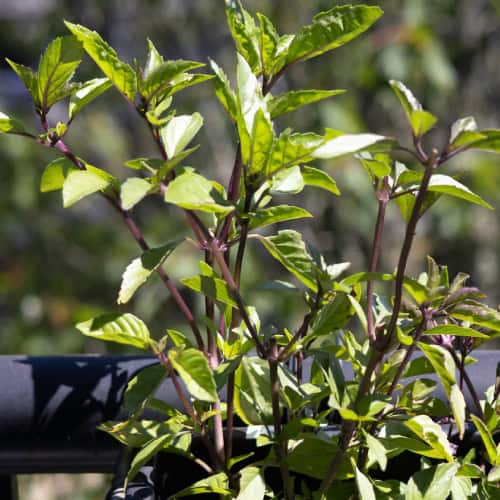
Basil loves garden beds with plenty of sun and soil that drains well. It’s a great companion for tomatoes, peppers, and herbs like oregano or parsley.
The smell alone is worth it, but basil also repels pests and attracts pollinators. It can even make nearby veggies taste better, and its lush green leaves look great all season.
3) Marigold
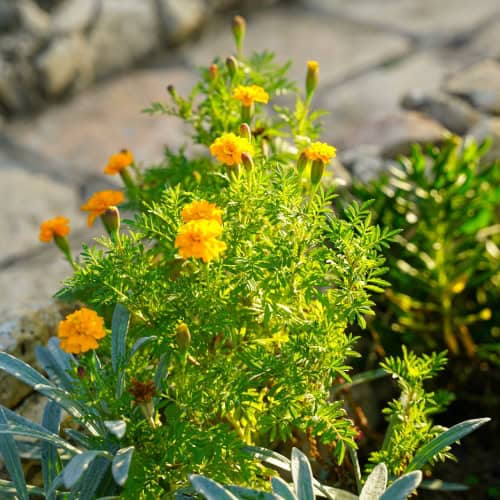
Marigolds are those cheerful, low-maintenance annuals that just keep blooming. They like full sun and soil that isn’t soggy, so they’re not too fussy.
Give them 8 to 12 inches of space and they’ll bloom like crazy if you keep them watered. Plus, they help keep some pests at bay naturally.
There are compact types for pots or taller ones for borders and companion planting with veggies.
4) Lettuce
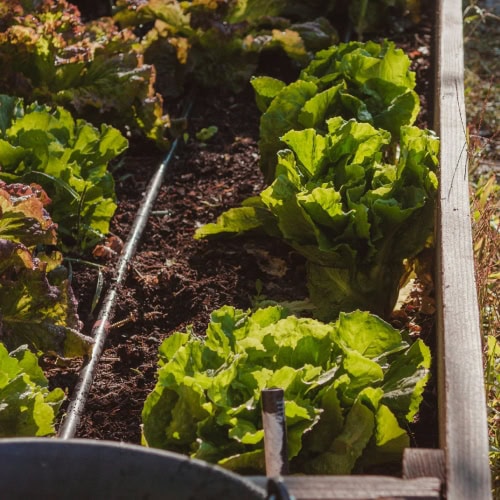
Lettuce is easygoing in raised beds, especially if you’ve got cool weather and steady moisture. There are so many types, such as romaine, butterhead, loose-leaf, so pick what you like!
Plant seeds or starts about 6 to 12 inches apart in soil that’s at least 6 inches deep. Keep it moist (but not swampy), and pick leaves often to keep it growing.
5) Carrot
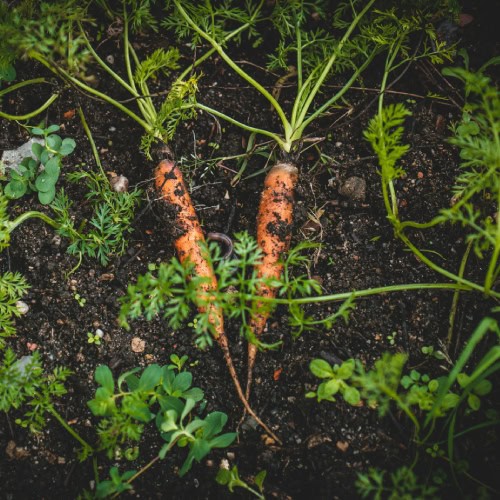
Carrots really appreciate the loose, well-drained soil you can get in raised beds. It helps them grow straight and long; no weird twists or stubs.
Don’t bother transplanting; just sow seeds right in the bed. Thin them out as they grow so each carrot has room.
Avoid rocky or compacted soil, and keep watering steady to avoid splitting.
6) Calendula
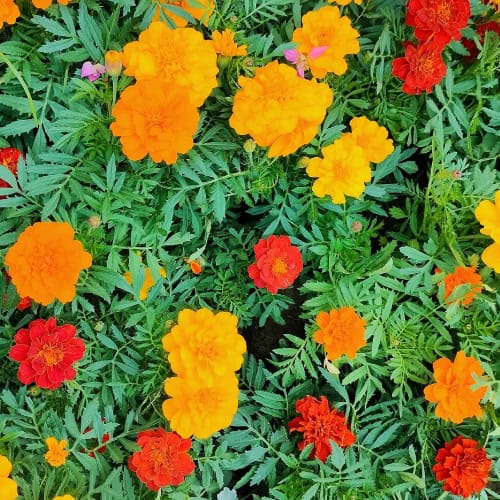
Calendula, or pot marigold, is a sunny little annual that blooms from spring to fall. It usually gets about 12 to 24 inches tall, so it’s handy for borders or edging.
The blooms draw in pollinators like bees and butterflies, and they’re also edible and even medicinal if you’re into that. Calendula can handle dry spells and doesn’t ask for much once it’s settled in.
7) Spinach
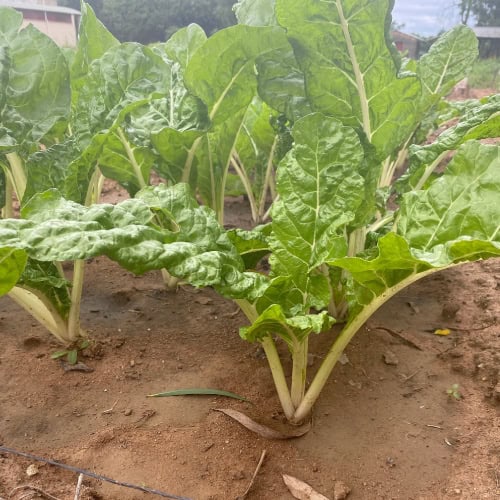
Spinach likes raised beds with rich, crumbly soil that drains well. Aim for a pH between 6.0 and 7.0 if you want to get technical.
It’s a cool-season crop, so plant it close together in moist, compost-rich soil. Start from seed or seedlings, both work fine.
Give spinach full sun and a good inch or two of water per week. It’s pretty forgiving, so even beginners can get a decent harvest with minimal fuss.
8) Zucchini
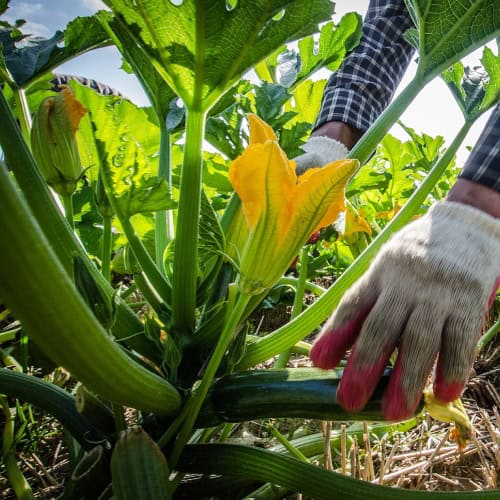
Zucchini loves the deep, loose soil of raised beds. These plants get big, so beds should be at least a foot deep to fit their roots.
Plant in full sun with soil that’s loaded with compost. Give them 2 to 3 feet of space, as they really like to sprawl.
Bush types are easier to wrangle in raised beds. Keep them watered and fed, and you’ll have more squash than you know what to do with.
9) Rosemary
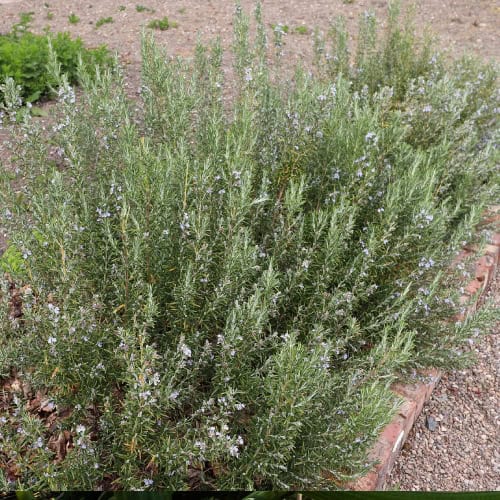
Rosemary’s a sun-worshipper and does best in well-drained soil. It needs six hours of sunlight, minimum.
Pick upright kinds like ‘Arp’ or ‘Tuscan Blue’ for standard beds, or trailing types for a cascading look. The fragrant, needle-like leaves are great for cooking.
Rosemary pairs well with veggies like kale, cabbage, and carrots for a productive garden vibe.
10) Chives
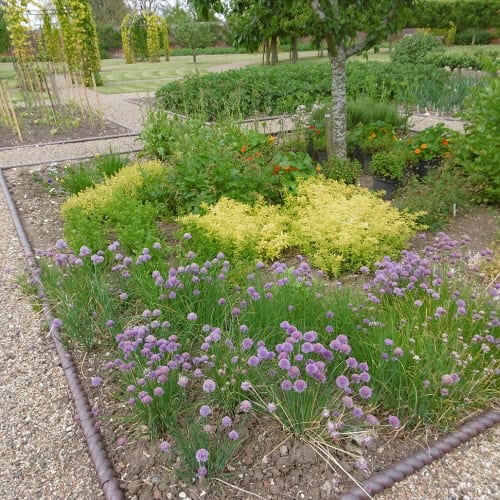
Chives are one of those herbs you plant once and pretty much forget. They love sun and soil that doesn’t stay soggy. The purple flowers are nice, and the leaves add a mild onion flavor to food.
They don’t need much care and multiply on their own. Snip leaves often to keep them coming.
Bonus: chives help keep pests away and attract pollinators.
11) Petunia
Petunias are the go-to for easy color from spring to frost. They want sun and, once they’re established, don’t need much fussing.
There are a bunch of types: Grandiflora for big, showy flowers, multiflora for smaller, tougher blooms, and milliflora for neat little edges.
Just don’t crowd them; petunias need space to breathe. They mix well with other annuals and perennials for layered color.
12) Snapdragon
Snapdragons add a bit of height and a lot of personality with their quirky blooms. They prefer full sun and soil that drains well, but they really shine in the cooler stretches of spring and fall.
You can go with dwarfs or tall types, depending on where you want them. They’re great for mixed plantings and bring in pollinators.
13) Cilantro
Cilantro is a handy companion plant, especially in cooler weather. It repels pests like aphids and spider mites, so it’s great near greens and veggies.
Try planting it between leafy greens or with beans and peas, as they’ll give it some shade and extra nitrogen. Cilantro likes well-drained, moist soil and partial sun.
14) Strawberry
Strawberries just make sense in garden beds; fresh fruit, easy picking, and fewer weeds! They need well-drained soil and as much sun as you can give them.
Raised beds help with drainage and make tending plants easier. You can also tweak the soil mix to keep them happy.
Pick between June-bearing, everbearing, or day-neutral types depending on when you want berries. Space them out, keep them watered, and you’ll get fruit for a few years.
15) Beetroot
Beetroot likes loose, rich soil – another reason raised beds are perfect. Plant seeds about 2 inches apart and cover lightly.
It’s a cool-weather crop, so aim for spring or fall. Raised beds give you the depth and drainage for sweeter, better-tasting beets.
Both the roots and greens are edible, so nothing goes to waste.
16) Daisy
Daisies are just cheerful, aren’t they? They’re low maintenance, love full sun (6 to 8 hours is ideal), and bloom for ages.
You’ve got options: Shasta, Gerbera, African daisies; take your pick! Plant in well-drained soil, beds 12 to 18 inches deep. Their bright blooms are hard to beat for a pop of color.
17) Kale
Kale is tough, and it’ll keep going even when it gets cold, sometimes down into the 20s (Fahrenheit). Raised beds with rich, well-drained soil are perfect.
For big leaves, space plants 12 to 18 inches apart. If you’re after baby kale, pack them in closer. This leafy green keeps producing fresh leaves even in winter.
18) Thyme
Thyme is a fragrant little perennial that doesn’t ask for much, just sun and decent drainage. It looks good and, honestly, is pretty handy in the kitchen.
Try planting it toward the center of raised beds to protect the roots in winter. It gets along with other herbs and veggies, and it’s great for attracting pollinators too.
19) Pepper
Peppers love raised beds with well-drained soil and plenty of sun. Whether you go for sweet bells or spicy hot peppers, plant them after the last frost.
They’ll produce until frost returns. Use cages or trellises for support, and give them enough space for air flow and easy picking.
20) Lavender
Lavender brings a lovely fragrance and visual appeal to garden beds with its soft purple blooms and silvery leaves. There’s just something about that Mediterranean vibe, as it really thrives if you’ve got a sunny spot with soil that drains well, so raised beds or borders are perfect.
There are quite a few varieties to pick from. Maybe you’ll go for English lavender if you’re after that classic scent, or perhaps Spanish lavender if you want bold, eye-catching flowers. Once it’s settled in, lavender doesn’t ask for much and it’s surprisingly tough when it comes to dry spells.