
Money plants are some of the easiest houseplants to keep, and learning how to grow money plant in water is about as low-maintenance as it gets. No messy soil or complicated setup is required: just a cutting, a jar, and a bit of patience. For those interested in creative plant propagation methods, money plant propagation is a perfect starting point that allows you to see the roots develop in real-time.
You can successfully master how to grow pothos plant in water by cutting a healthy stem with at least three nodes. Placing it in a container for money plant growing in water and ensuring one node stays submerged will typically lead to new roots within a week or two. If you are looking for tips on how to propagate money plant effectively or want to know how to grow money plant faster, the secret lies in providing bright, indirect light and refreshing the water regularly.
This method works for just about anyone, whether you’re new to plants or already have a jungle at home. The main thing is knowing how to take a proper cutting and setting up an environment where your plant can actually thrive. Here’s a straightforward look at what you need to get started and how to keep your money plant happy in water.
Core Techniques for Growing Money Plant in Water

If you want your money plant to root well in water, you’ll need to start with a healthy cutting, pick a good container, use the right water, and pay attention to the conditions around it. Each of these steps matters for getting strong roots and decent growth.
Selecting and Preparing Healthy Money Plant Cuttings
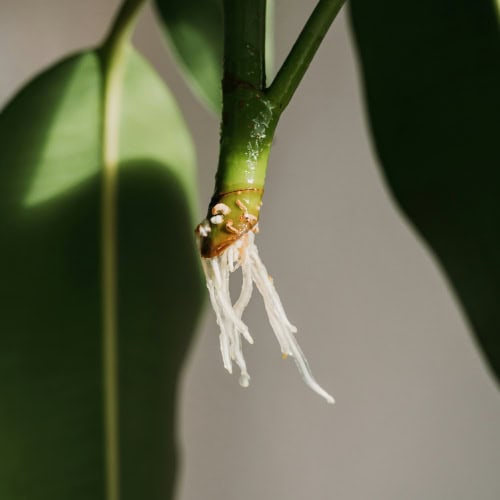
Your chances of success hinge on the cutting you pick. Go for a stem from a plant that’s clearly thriving with bright green leaves, no weird spots, and no bugs.
The key thing is the node, that little bump where leaves meet the stem. You need at least one node on your cutting (two is even better) because that’s where roots will form. Snip the stem about an inch below a node, and make sure your scissors or shears are clean (rubbing alcohol works fine for sterilizing).
Cuttings should be about 4 to 6 inches long, with a couple of healthy leaves up top. Any leaves that would end up underwater should be removed, or they’ll just rot and mess up the water.
Sharp, clean cuts heal faster and lower the risk of infection.
Choosing the Right Container and Water Type
Clear glass containers are pretty ideal here. You get to watch the roots grow and keep an eye on the water. Jars, vases, even bottles with a narrow neck can work, as those help keep your cutting upright.
Water quality actually matters more than you’d think. Tap water often has chlorine, which isn’t great for roots. If you can, use filtered water, rainwater, or just let tap water sit out for a day to let the chlorine evaporate. Skip distilled water, as it’s missing minerals that plants like.
The container should be deep enough to keep at least one node underwater, but not so tall that the leaves fall in. Usually, something around 4 to 6 inches tall does the trick for most cuttings.
Guide for Rooting and Placement

Fill your container with the prepared water, but don’t go all the way to the top; instead leave about an inch of space. Put the cutting in so that at least one node is underwater, and make sure the leaves stay dry.
If you want to root a few cuttings at once, that’s fine, just don’t cram the jar. Three or four cuttings per container is plenty; too many and the roots will tangle and water quality drops fast.
Swap out the water every 3 to 5 days. This keeps things fresh and stops bacteria from taking over. Give the container a quick rinse each time to clear out any film or gunk.
You’ll usually see tiny white roots starting at the nodes after a couple of weeks. Once they’re about 2 or 3 inches long and branching out, your plant is well-rooted and can stay in water or be potted up if you want.
Establishing Ideal Lighting and Environmental Conditions
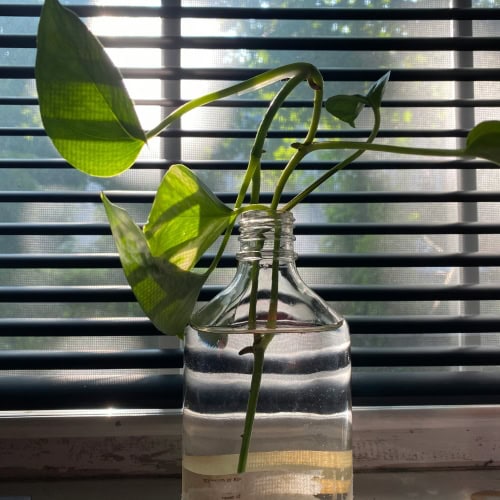
Lighting makes a big difference. Put your jar somewhere it’ll get bright, indirect light (think east or north window). Direct sun will scorch the leaves and make algae bloom in the water, which is a pain.
Try to keep the temperature between 65°F and 85°F. Avoid spots near radiators or drafty windows, since swings in temperature stress the plant out.
Humidity between 40% and 60% is ideal, but honestly, money plants aren’t super fussy. If you see crispy leaf tips, maybe group a few plant jars together to boost the humidity a bit.
Check on your plant daily at first, then every few days once it’s settled in. Watch for yellow leaves (too much sun), pale leaves (not enough), or slimy stems (dirty water). If something seems off, tweak the conditions and see how it responds.
Ongoing Care and Optimization for Water-Grown Money Plants

Keeping a money plant in water isn’t a set-it-and-forget-it thing, as you’ll need to stay on top of water changes, occasional feeding, and just keeping an eye out for problems. That’s how you get those lush roots and shiny leaves everyone wants.
Water Replacement and Quality Management

Swap out the water every week or so – approx. 7 to 10 days is about right. Fresh water means more oxygen and less chance for bacteria or algae to take over, which can wreck the roots.
Use water at room temperature. If you’re using tap water, let it sit out for a day to let the chlorine evaporate. Rainwater is even better if you can get it, since it’s free of chemicals and has some minerals plants like.
When you change the water, rinse the jar to clear out any slime or algae. If the roots look gunky, give them a gentle rinse too. These little steps save you trouble down the road.
If the water gets cloudy or starts to smell before your usual change, don’t wait! Dump it and start fresh. That’s a sign something’s off.
Fertilizing with Balanced Liquid Solutions

Water alone doesn’t have all the nutrients your plant needs long-term. Use a balanced liquid fertilizer (something like 10-10-10 or 20-20-20), but go easy! Dilute it to about a quarter of what you’d use for soil plants.
Add this diluted fertilizer once every three or four weeks when the plant’s actively growing (spring and summer). In fall and winter, cut back to every six to eight weeks. Growth slows down then, so overdoing it can cause problems.
If you notice pale leaves or stunted growth, your plant might need a little more food. Just don’t overfeed, as too much fertilizer can burn the roots, and that’s a headache to fix.
Monitoring Root Growth and Plant Health
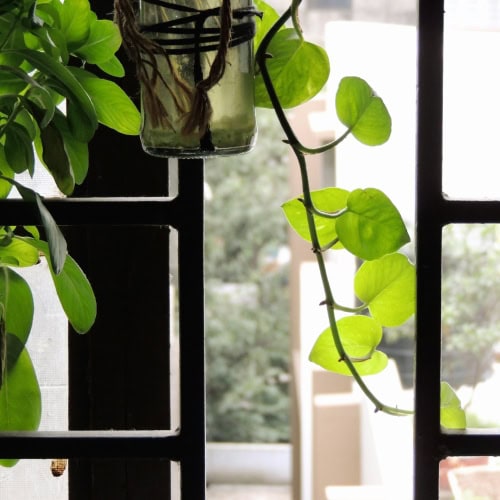
Take a look at the roots every week or so. Healthy roots are white or light tan and feel firm. If you spot brown, mushy, or smelly roots, that’s root rot! Snip those off with clean scissors and start fresh water right away.
If you do have to trim off bad roots, rinse everything well and use a clean jar. Keeping things clean is half the battle.
Notice how the roots are growing: if they’re thick and branching, you’re doing something right. If they’re thin or barely growing, double-check your light, water, and feeding routine. If roots get really long (over 8 to 10 inches), you can trim them back to encourage bushier growth and keep things tidy.
Glance at the leaves now and then for yellowing, browning, or weird spots, as those are usually your first hint that something’s not quite right.
Dealing with Pests and Common Issues
Water-grown money plants usually dodge most pest problems you’d see in soil, but hey, sometimes trouble finds a way. Mealybugs show up as tiny white cottony blobs on stems and where leaves meet. Just dab them off with a cotton swab dipped in rubbing alcohol.
Spider mites aren’t shy either; they leave behind fine webs and make leaves look speckled or yellow. Give the whole plant a gentle rinse with lukewarm water, then wipe down the leaves. If they keep coming back, try a diluted neem oil spray, but don’t overdo it.
Algae loves clear containers, especially in bright light. It’s not exactly dangerous, but too much algae does hog nutrients. Try swapping to an opaque pot or just clean the container more often, no need to stress over a little green fuzz.
Yellow leaves? Could be too much sun, or maybe just the plant shedding old growth. If you spot sunburn, move your plant somewhere with bright, indirect light. Snip off those tired yellow leaves so the plant can focus on new ones.