
Leafy green houseplants add life to indoor spaces, but those that flower? They really kick things up a notch with pops of color and a bit of drama!
Plenty of blooming houseplants are actually pretty easy to keep happy if you give them the right light, water, and temperature. From delicate blossoms to bold, showy flowers, these plants let you put your own stamp on your space.
Maybe you want to liven up a kitchen window, add something unexpected to the living room, or just make your bedroom a little more peaceful, flowering houseplants can do all of that!
Here’s a look at twenty flowering houseplants that can shake up your home, from classics like orchids and peace lilies to quirkier picks like lipstick plants and Christmas cacti.
1) Peace Lily
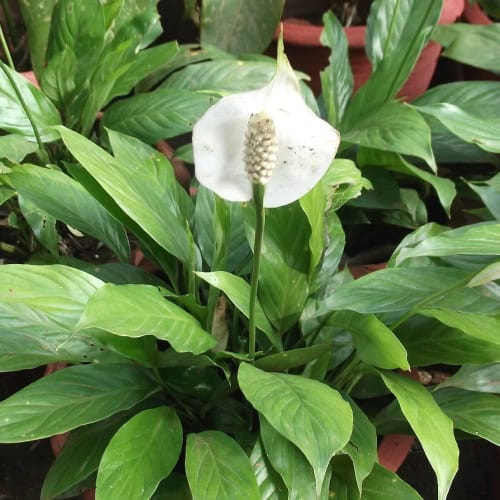
Peace lilies are a go-to for many people, thanks to their elegant white flowers and forgiving nature. They tend to bloom in spring, though with a bit of luck (and care), you might get a second flush later in the year.
The white spathes stand out against deep green leaves, and they handle anything from low to bright indirect light. If you treat them well, these plants can stick around for decades – seriously, some live 20 years or more!
2) Orchid
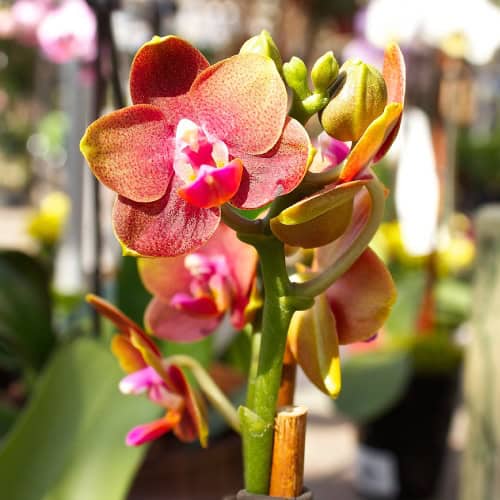
Orchids bring a certain elegance with their striking blooms and graceful shape. They do well indoors if you can manage the right mix of light, warmth, and humidity. Despite their fussy reputation, some types are actually beginner-friendly.
Bright, filtered light and good airflow are key. Use a loose, fast-draining potting mix. With over 30,000 species out there, there’s probably an orchid for just about everyone!
3) Begonia
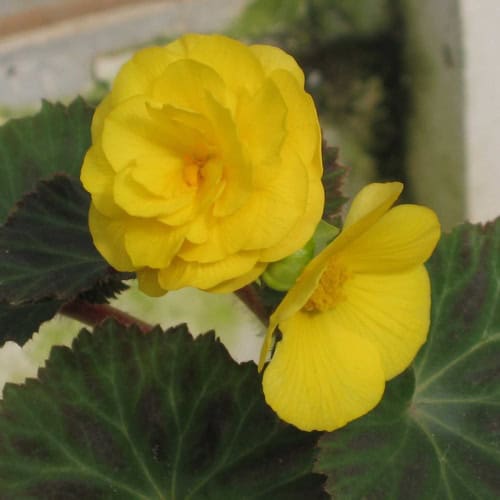
Begonias offer a burst of color indoors, not only from their flowers but also their eye-catching leaves. You’ll find blooms in pink, red, yellow, orange, or white from summer into fall.
There are more than 1,800 species, including wax, rex, and cane begonias. They’re champs in shadier spots where many other plants would sulk, so they’re perfect for homes with less sunlight.
4) African Violet
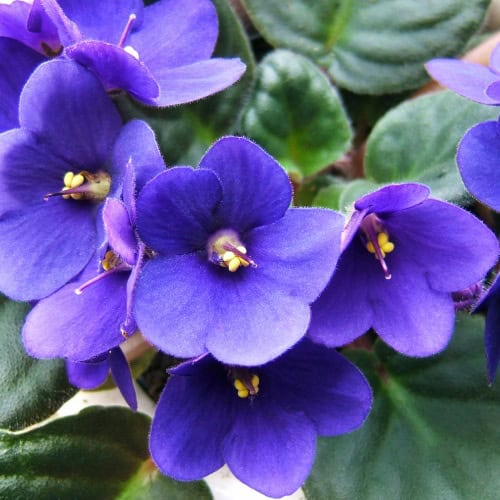
African violets are small but mighty, blooming almost nonstop in white, blue, or purple. Their fuzzy leaves and dainty flowers have made them a staple for indoor growers.
They want bright, indirect light and a warm spot to really thrive. Humidity helps, and they’re a little finicky about water, but try not to splash the leaves.
With some attention, African violets can give you color all year.
5) Bromeliad
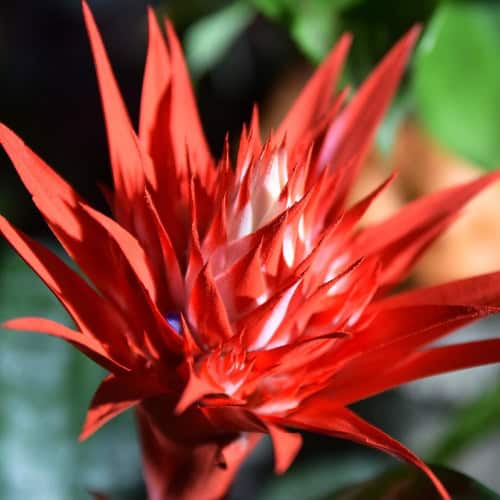
Bromeliads can bring a tropical vibe to your home with bold flowers and dramatic leaves. Their blooms stick around for months, so you get a lot of bang for your buck in terms of color.
They’re low-maintenance and don’t need much fussing. Just give them bright, indirect light and keep some water in their central cup. With thousands of types out there, you’ll find everything from deep reds to neon yellows and purples.
6) Kalanchoe
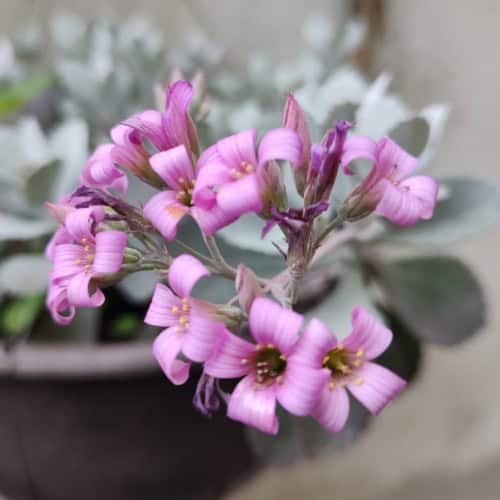
Kalanchoe is a succulent from the tropics that puts out clusters of little, colorful blooms in colors of red, pink, orange, yellow, or white. Flowers can last for weeks, so you won’t be swapping this plant out any time soon.
It’s easy to grow, topping out at about 6 to 18 inches. Bright, indirect light is best, and you don’t need to water it much. If it’s happy, you might get flowers more than once a year.
7) Anthurium
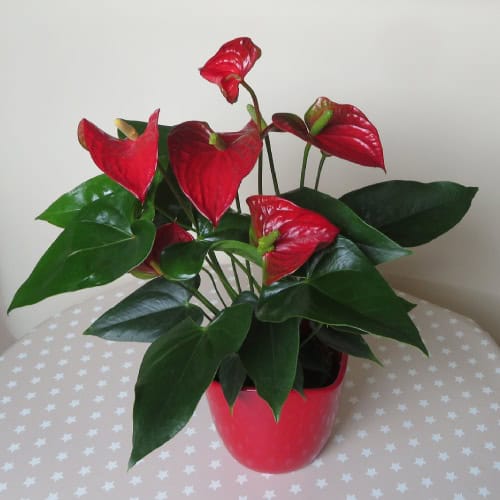
Anthurium is hard to miss, with glossy, heart-shaped blooms in red, pink, or white that can stick around for up to two months.
There are over 1,000 species, so there’s a lot of variety. Despite their exotic look, they’re pretty easygoing. Bright, indirect light and evenly moist soil (not soggy!) are what they want.
8) Geranium
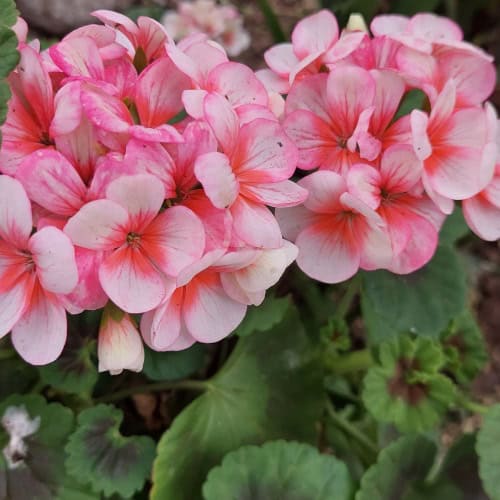
Geraniums are flexible; indoors or out, they’ll reward you with flowers in red, pink, white, salmon, or lavender if you give them what they need.
They crave bright sun, so put them near a window that gets at least six hours of direct light a day.
With good watering and the occasional feed, geraniums will keep going for years. If you grow them outside, you can even bring them in before frost to help them survive winter.
9) Chinese Hibiscus
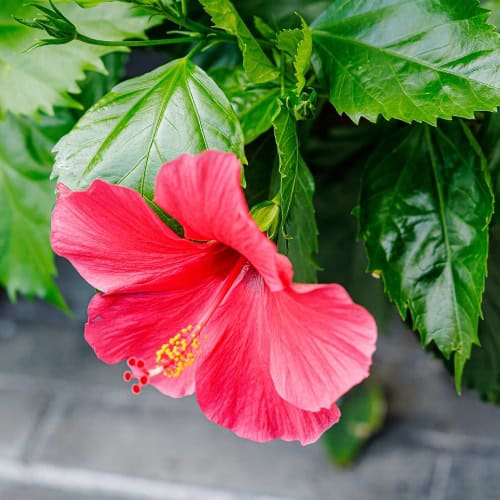
Chinese Hibiscus is all about drama, with big, trumpet-shaped blooms in reds, pinks, oranges, and yellows. The glossy leaves don’t hurt either. If you keep up with their needs, they’ll bloom for ages indoors.
They want bright light, regular watering, and a bit of humidity. Give them what they like and you’ll get huge, showy flowers much of the year.
10) Gardenia
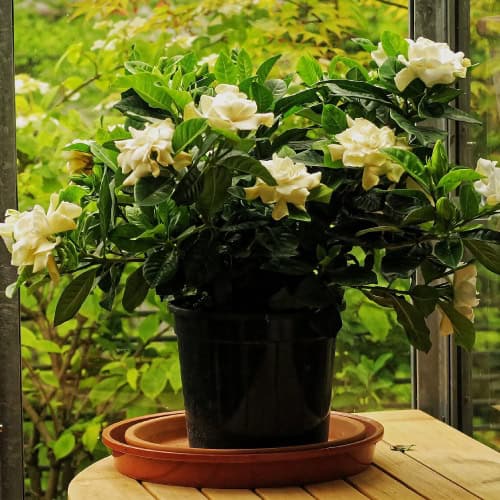
Gardenias are famous for their fragrant white flowers and shiny green leaves. They’re a bit particular, needing good light (but not scorching sun) and plenty of humidity.
Keep the soil moist but not soggy, and feed them with balanced fertilizer a few times a year. They aren’t the easiest, but if you love that scent, they’re totally worth the trouble.
11) Impatiens
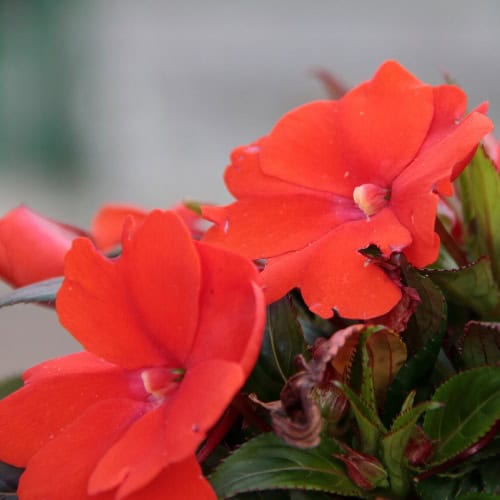
Impatiens are an easy way to get color indoors all year. They handle containers and don’t mind the lower light you often get inside.
You can pick from classic impatiens or New Guinea types, which have bigger flowers and pointed leaves. They like steady moisture and do best in bright, indirect light, perfect for a sunny shelf or windowsill.
12) Cyclamen
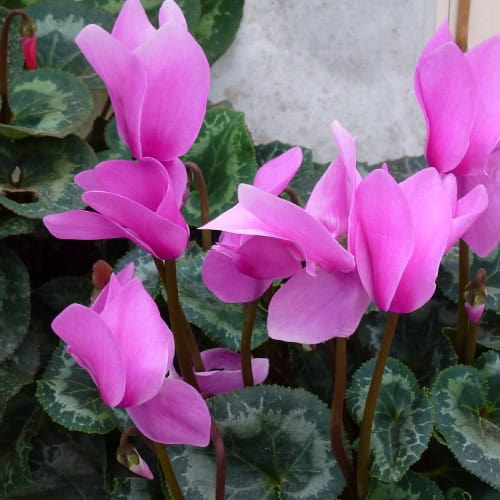
Cyclamen persicum is a classic for winter color, with flowers in pink, purple, red, and white. The heart-shaped, patterned leaves are pretty striking too.
They want cool temps (50–65°F) and bright, indirect light. Keep the soil damp but not soggy, as overwatering is a quick way to lose them.
This tuberous perennial can bloom year after year if you let it rest during its summer dormancy.
13) Jasmine
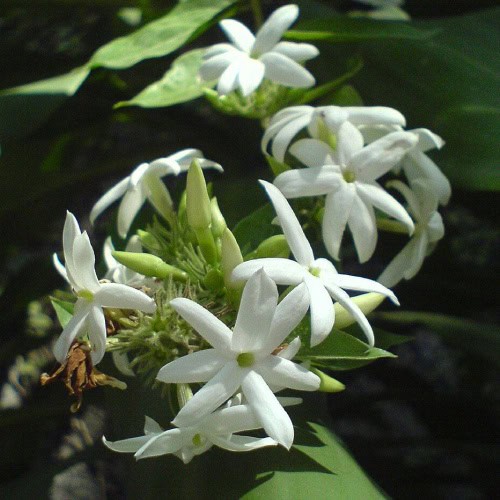
Jasmine fills a room with sweet fragrance and sports delicate white or pink flowers. Some varieties, like Jasminum polyanthum, are especially good indoors thanks to their manageable size.
Give it a spot with bright light, preferably near a south-facing window. It can get leggy, up to 4 to 6 feet, so be ready to train it. Water regularly, and a little fertilizer now and then keeps the blooms coming.
14) Azalea
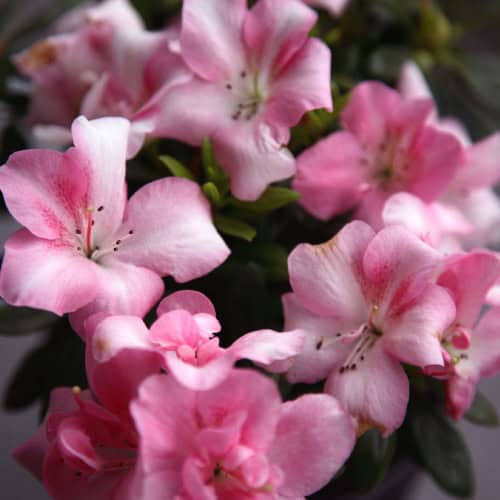
Azaleas can bring spring indoors if you’re up for a bit of a challenge. They need bright, indirect light, cool temps, and acidic soil to really thrive as houseplants.
Keep their soil consistently damp (not soggy), and they’ll reward you with colorful blooms. They like higher humidity and do best in cooler rooms, around 60–65°F.
Feed them during the growing season and prune after they flower to keep them in shape.
15) Calceolaria
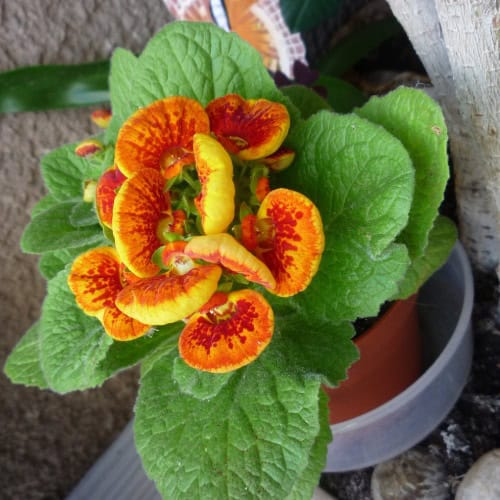
Calceolaria, or pocketbook plant, is a bit of a show-off with its pouch-shaped blooms, usually about 2 inches wide, clustered above soft green leaves.
Native to Central and South America, it likes cooler temps and moderate light. It’s not the easiest to keep happy, but the quirky flowers are worth the extra effort if you want something different.
16) Clivia

Clivia brings bright clusters of orange, yellow, or pink flowers that look a bit like small amaryllis. It tends to bloom in late winter or early spring, which is perfect when not much else is flowering indoors.
The evergreen, strappy leaves look good year-round. Clivia doesn’t ask for much, just the right light and temperature to coax it into bloom, and it can last for decades with decent care.
17) Dumb Cane (Dieffenbachia)

Dumb Cane is mostly grown for its variegated leaves in green, cream, and white patterns. Hailing from Central and South America, it prefers bright, indirect light and warmth.
It’s forgiving and can handle a little neglect, sometimes reaching up to 10 feet tall. Great for beginners or anyone who wants something easy.
18) Lipstick Plant
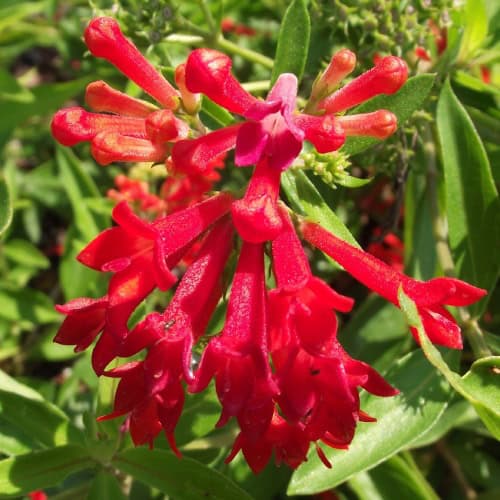
The lipstick plant (Aeschynanthus radicans) gets its name from those red tubular flowers that look like tiny lipstick tubes. Its glossy, trailing leaves make it a natural for hanging baskets.
Bright, indirect light and steady humidity help it bloom. Use a well-draining mix and give it a little fertilizer in spring and summer for best results.
19) Moth Orchid (Phalaenopsis)
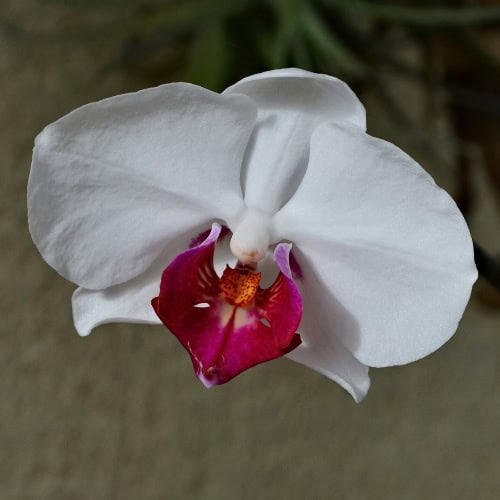
Moth Orchids are fan favorites; elegant, easy to care for, and their blooms can last two or three months. The flowers look like moths in flight, which is a nice bonus.
They want bright, indirect light and a steady amount of moisture (but not soggy roots). With a bit of routine, your Phalaenopsis might live 15 to 20 years and flower every year- pretty good return for a little effort!
20) Christmas Cactus
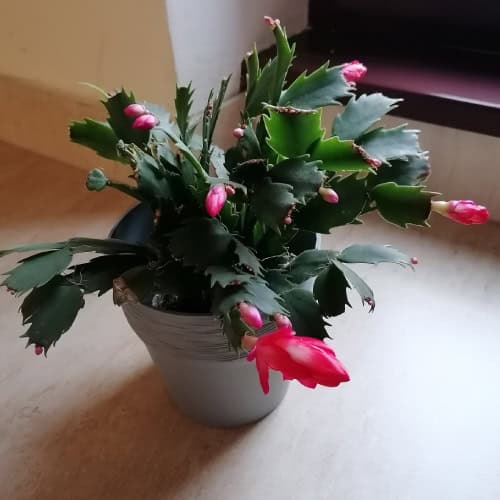
The Christmas cactus bursts out with tubular blooms in shades of pink, red, white, or purple right in the heart of winter. It’s a tropical succulent, so it prefers bright, indirect light and soil that drains well, plus a bit of humidity never hurts.
Water when the top inch of soil dries out. If you’re hoping for those iconic blooms around the holidays, try giving it long nights and cooler temps for about six weeks leading up to December. With a little attention, you’ll probably get flowers that stick around for a few weeks each year.