
Highly textural plants, with a generous abundance of foliage and dense arrangements of branches, are great for creating natural screens. These can provide privacy for both outdoor spaces and the perimeter of homes and buildings. A combination of hedge shrubs, medium-sized trees, and climbing plants should offer ample shade and protection from prying eyes. Multiple layers of boundary plants can be used as an ecologically friendly and aesthetically pleasing alternative to artificial fences or screens.
1)

Use evergreen plants for year-round privacy. Keep in mind that deciduous plants and annuals will eventually lose their foliage, leaving bare branches or wide gaps along the borders or edges of your garden.
2)
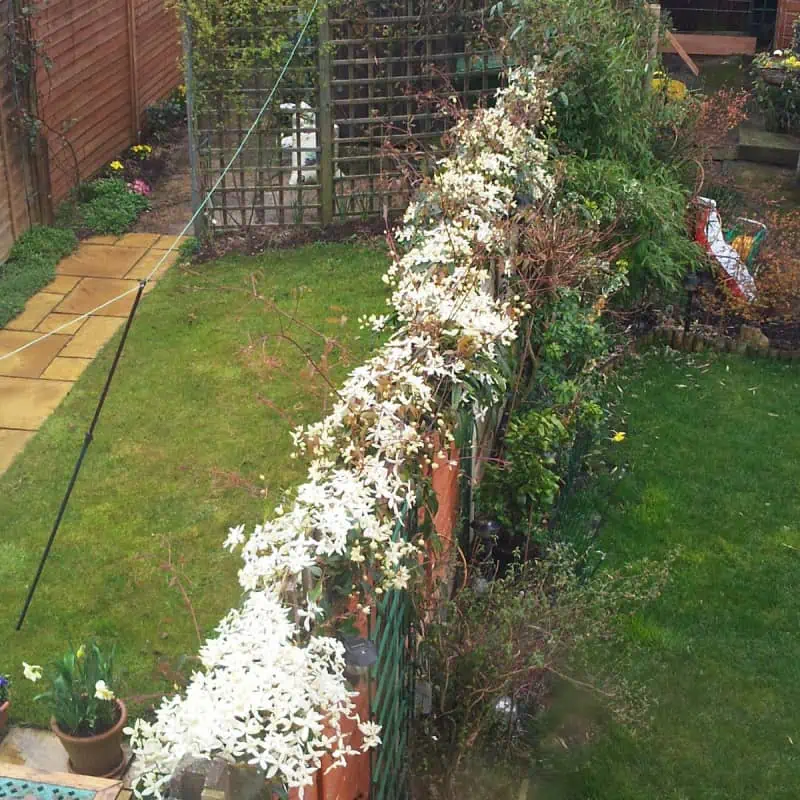
Fill in the upper gaps of a fence with stems of highly productive trailing plants. Clematis, honeysuckle, or wisteria are often used as they have ornamental value and are relatively easy to propagate.
3)
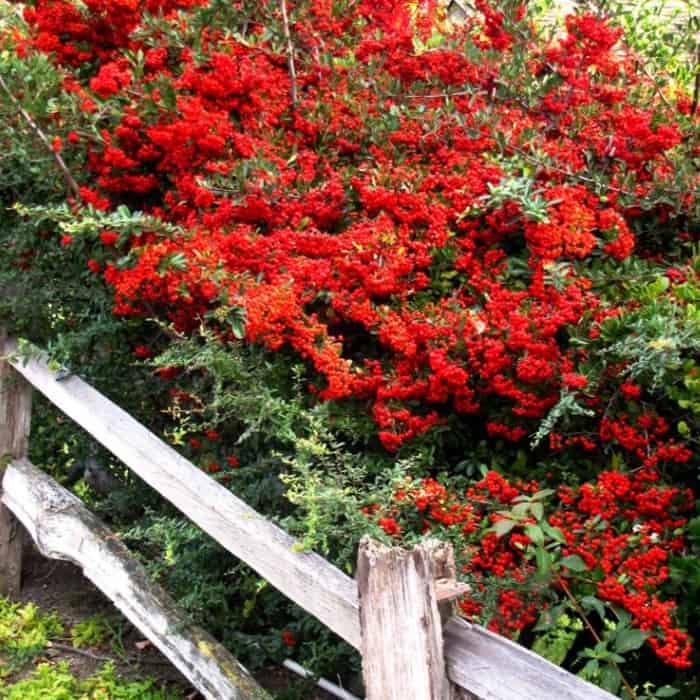
Complement low, wooden fences with rows of tall and highly textural shrubs. As a bonus, those producing seasonal blooms and berries should attract a wide range of pollinators and small herbivores.
4)
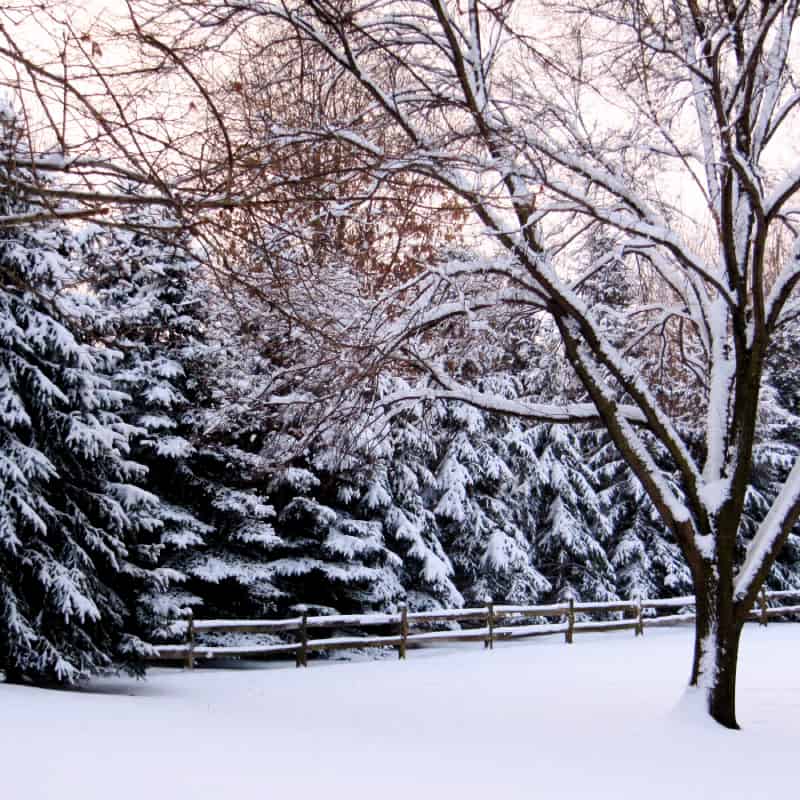
Plant rows of fir or spruce trees as these produce networks of branches along the base of their trunks. Other types of trees, such as those with raised canopies, may leave a wide open space around the base of their trunks.
5)

Add structural support in areas (e.g., in front of windows or passageways) that could use more shade or privacy. Climbing plants can use their tendrils and adhesive pads to trail over mesh sheets and wooden latticework.
6)
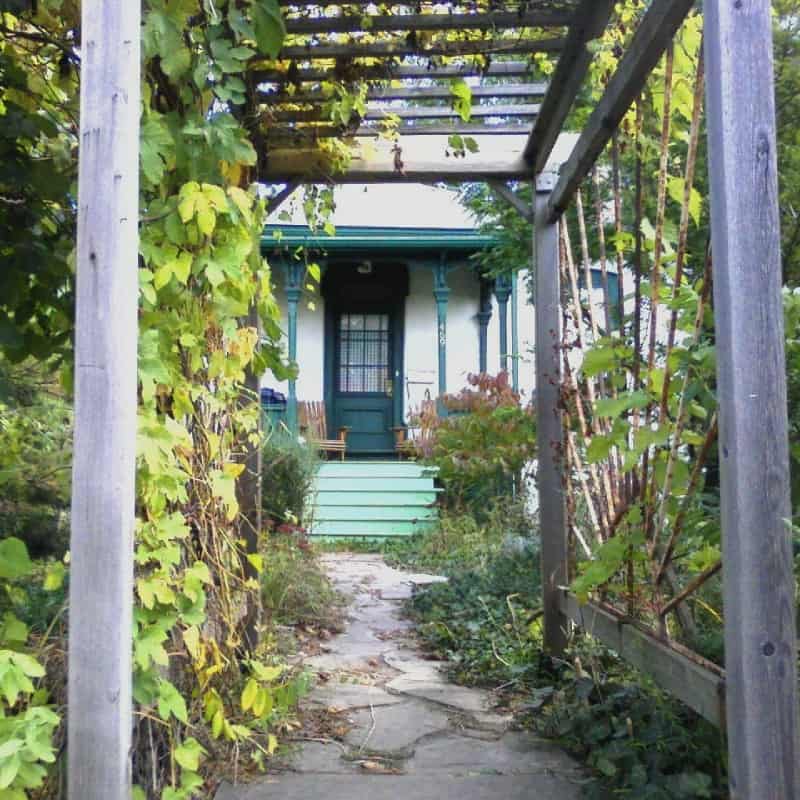
Add trellises over designated pathways. These can have slats or supporting beams along their sides or all across the top of the structure. Train your vines to thoroughly weave through the gaps.
7)

Use a combination of hanging pots and containers to add complexity to a natural screen. These will require sturdy support, such as a metal mesh or a wooden lattice.
8)

Prop up containers of herbs and provide your plants with supporting sticks so that they can grow to their maximum height. These can be placed in front of kitchen windows, where they won’t block out too much light. As a plus, fresh leaves for your culinary creations would be but an arm’s length away!
9)
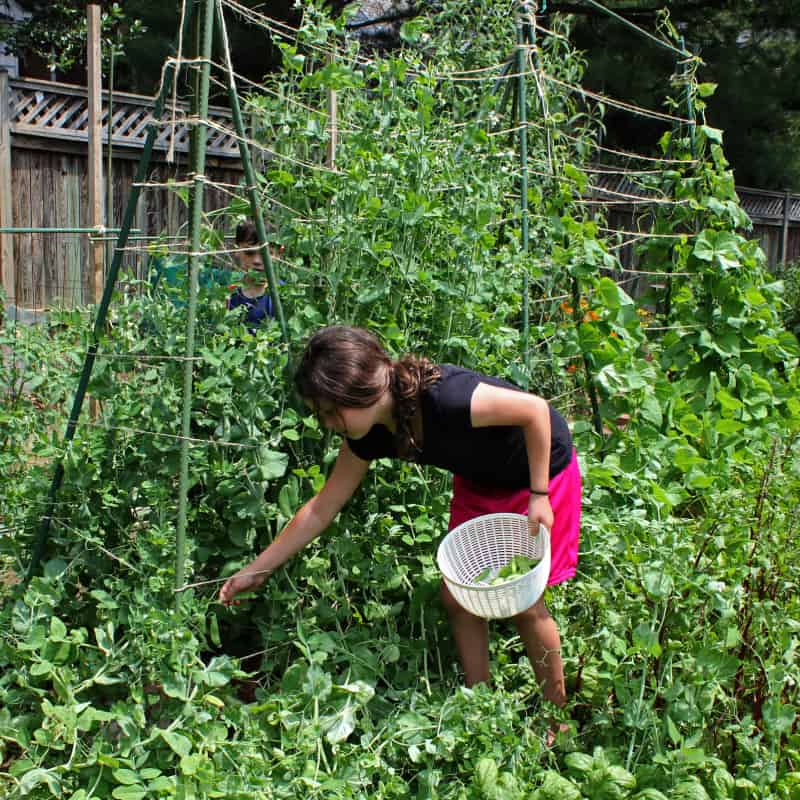
Grow a vegetable garden. Many crops like peas, corn, and tomatoes can grow a decent height and give your garden some much-needed vertical coverage.
10)
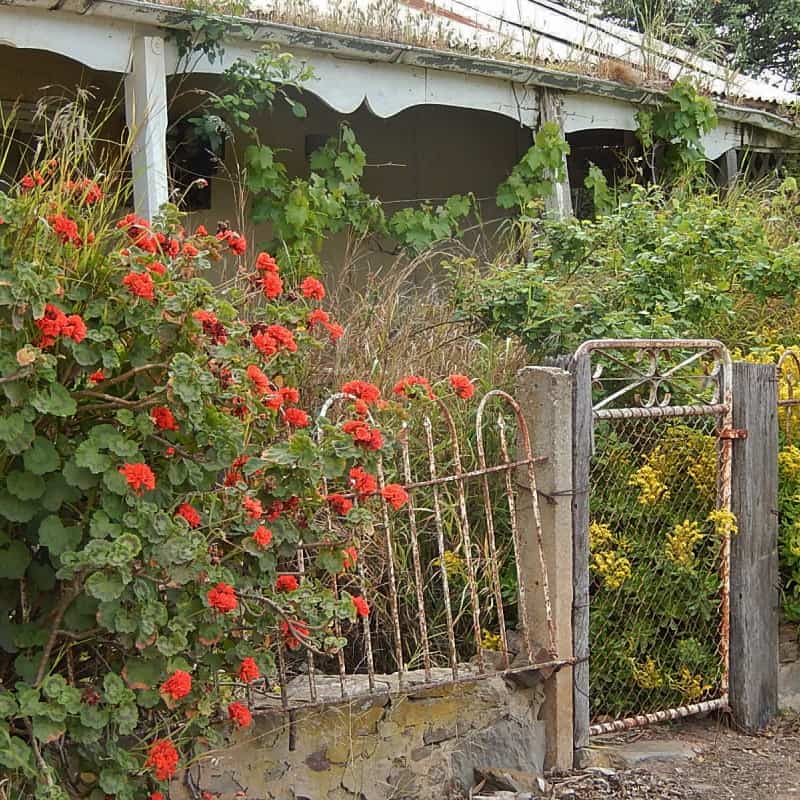
Cultivate a combination of medium-to-tall, native flowering shrubs right next to low, gapped fences. These will naturally produce branches and stems that jut through the gaps. An overgrown look tends to suit these plants, especially during their bloom period.
11)

Get creative and construct a wall of tightly-packed, hanging pots. You can choose a wide range of species, but low-maintenance ones with cascading stems are generally recommended.
12)

Grow a couple of taller, specimen trees with canopies that align with the windows of upper floors. These should help hide activity occurring inside the home. These should also help prevent surveillance devices, like drones, from coming too close to your property.
13)
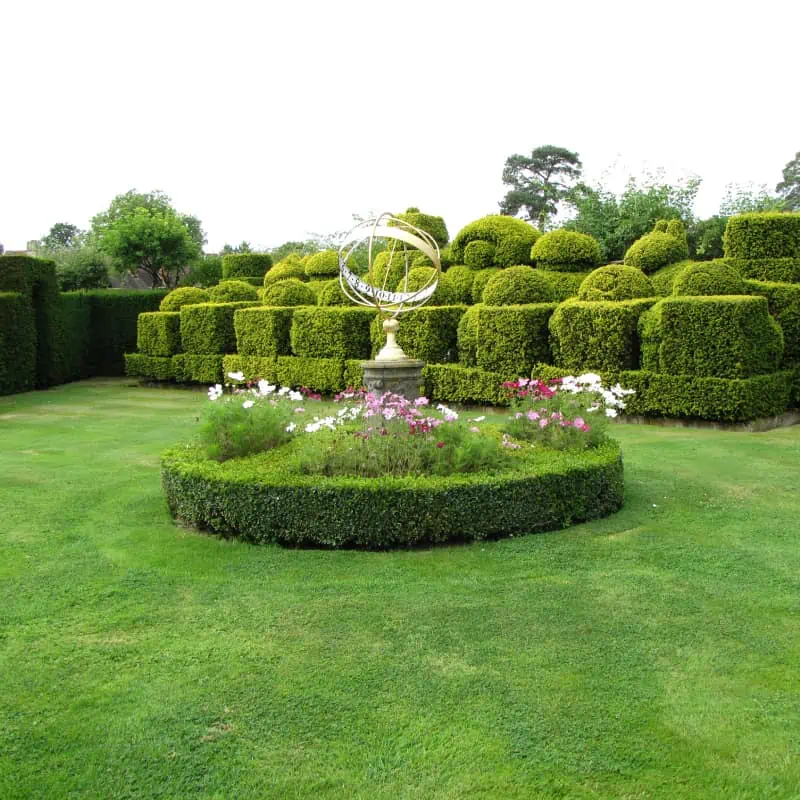
Play with the idea of a topiary fence to add form, function, and color across the entire garden’s perimeter. A variety of shapes and sizes should set your private garden apart!
14)

Consider investing in high-quality boxwood cultivars to create a virtually impenetrable hedge. Both the height and thickness of these can be controlled to your liking. Do keep in mind that, to retain their appearance, they will require maintenance.
15)

Use rows of different species, with varied heights and foliar colors, to give your natural screen some unrivalled visual appeal. Multiple edge rows, which create an increasing depth closer to the ground, are ideal for privacy and for keeping wild animals out of the garden.
16)
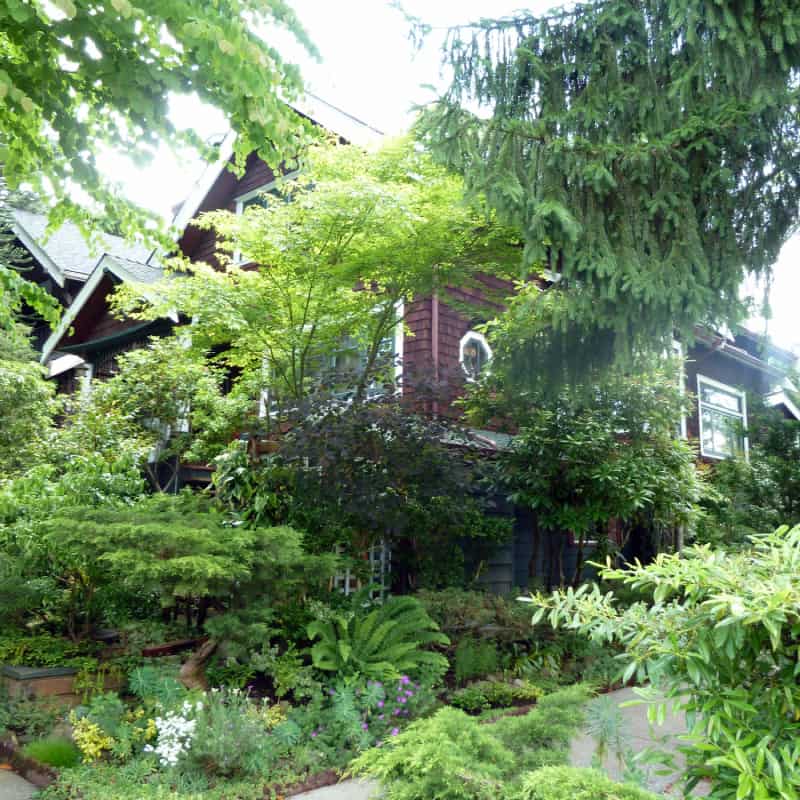
Aim for diversity and abundance! A higher number and more types of textural plants, placed strategically around the home and garden, should effectively provide just enough coverage to show off your home’s best features, yet dispel onlookers.
17)
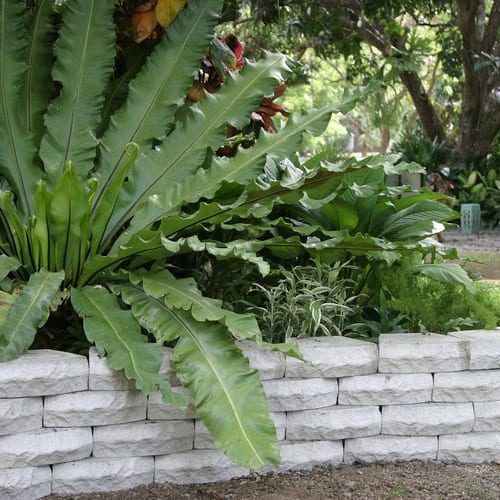
For gardens with sloping areas, add a retaining wall topped with a variety of flowering plants. These can also be used to create islands of plants in flat landscapes.
18)
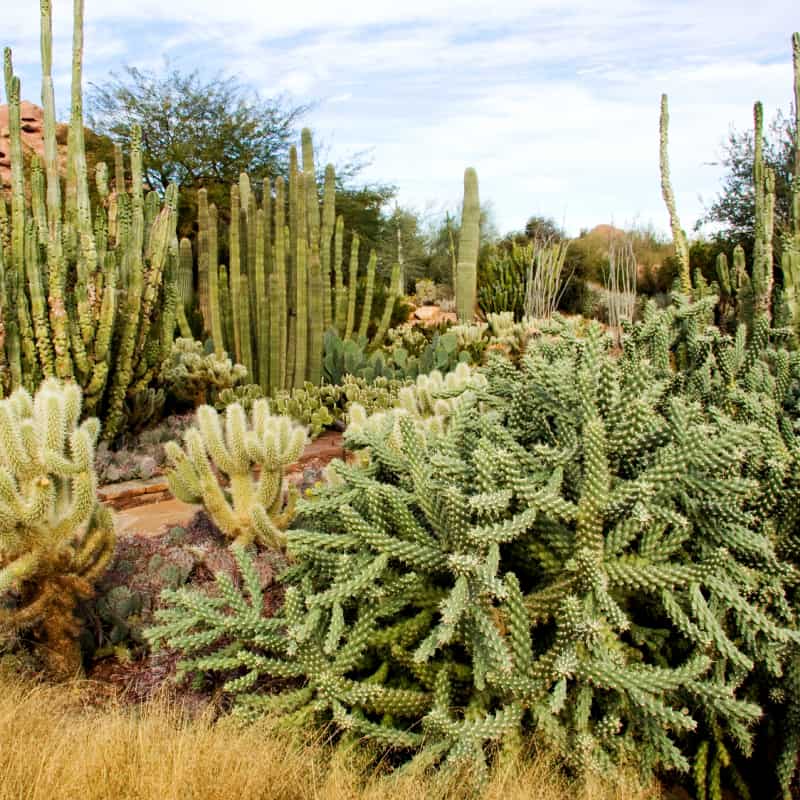
If you live in an arid area, consider lining paths with clusters of tall cacti, aloes, and agaves. These should create a low-maintenance screen that lasts for years.
19)

Cultivate rows of bamboo for a Zen-like and well-ordered privacy screen. Pack them tightly for more privacy or line their base with another layer of hedge plants.
20)

Divide the garden into several sections with natural hedges. This is fantastic for large landscapes as each section (partially hidden from one another) may contain a different set of plants to meet a range of ornamental themes. One can be met with many surprises by simply walking through the garden!
21)

Install partition devices made of natural materials. These subtly add privacy and can be used to add complexity to rectangular or square gardens. Depending on the degree of privacy desired, partitions can have perforated designs, patterned slats, or be completely solid.
22)
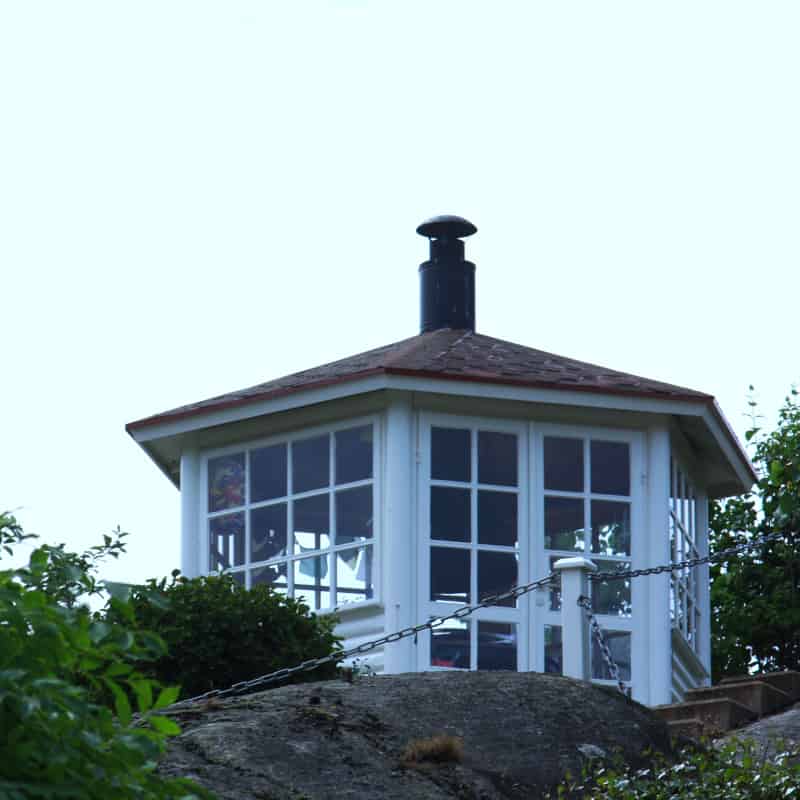
Build an enclosed gazebo for private outdoor gatherings. This structure also provides protection from the elements. For more privacy, a walled gazebo or small bungalow can be outfitted with curtains or window shades.
23)

For privacy in cottage gardens, line the perimeter of your garden with rows of ornamental grasses. To prevent them from overgrowing your property and adversely affecting surrounding environments, make sure to opt for non-invasive varieties.
24)
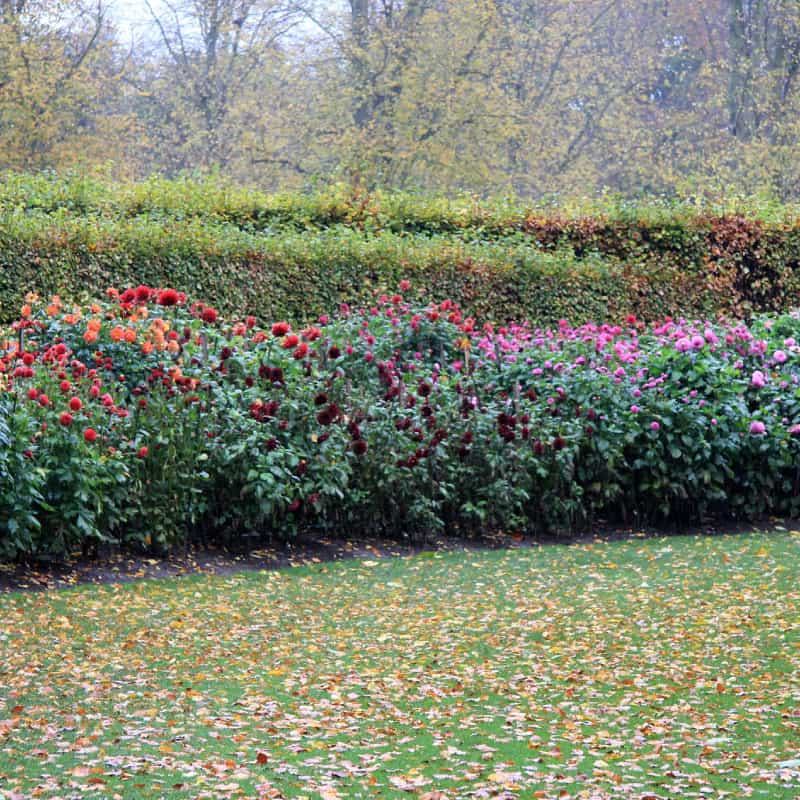
For more visual appeal along tall hedges, cultivate a forefront of flowering shrubs. This should give your natural fences a more delicate, colorful, and dynamic appearance.
Final Thoughts
Private gardens can be designed to feel like incredibly intimate spaces, where one can enjoy the outdoors without worrying about onlookers, the curious gaze of passersby, and the general public. These can be havens where one can comfortably play with their pets and children or hold seasonal festivities with extended family and friends. Drab fences and unsightly walls need not be the only options for reliable privacy. As seen above, many fantastic plants and arrangements can be utilized for a wholly natural and aesthetically pleasing finish.
