
Flowers have been whispering our emotions for centuries, and flowers that mean innocence are among their most treasured messages. Understanding plant symbolism and the language of flowers can make your choices feel more thoughtful, whether you’re picking out a bouquet for a new baby, a christening, or just want to mark a fresh start.
Across the world and through so many traditions, the symbolism of flowers and the concept of purity are deeply intertwined. Whether you’re planning a celebration or just want to send a gesture that says “I see your pure heart,” knowing what flowers mean can add a layer of meaning that words sometimes miss. Exploring various types of flowers and meanings can even be a form of flower therapy, helping you find the perfect flowers that represent virtue and a clean slate.
Here’s a look at twenty flowers that have come to symbolize innocence, each with its own story, personality, and reasons for being linked to purity and virtue.
1) Lily of the Valley
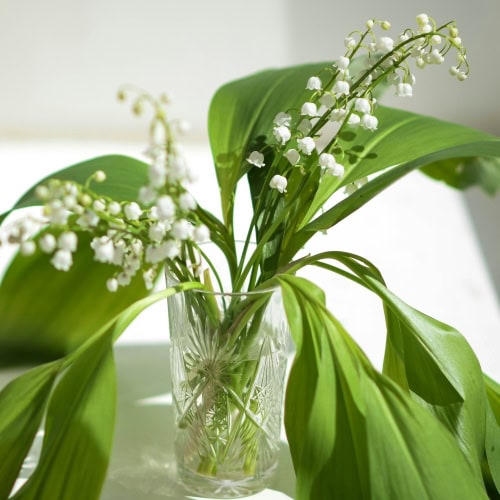
Lily of the Valley is one of those flowers that just radiates innocence and purity. Those tiny, white, bell-shaped blossoms almost look like something out of a fairytale, don’t they?
You’ll spot this flower in lots of weddings and christenings; moments that are all about new beginnings. Its sweet fragrance and gentle look just seem to fit wherever innocence is being celebrated.
2) White Rose
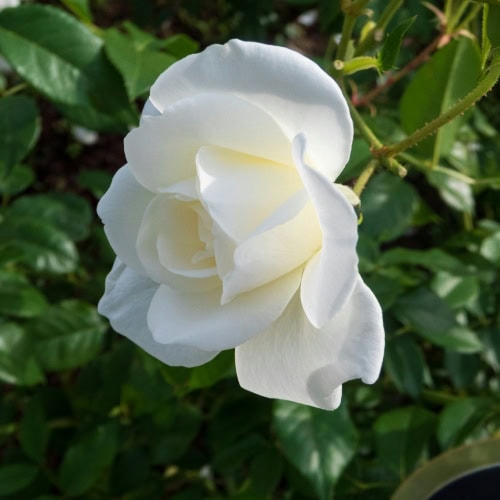
White roses are basically the poster child for purity and innocence. There’s something about their soft petals and clean, crisp color that makes them feel timeless, no matter the occasion.
They’re not just pretty, either, as they’re often used to symbolize spiritual awakening, loyalty, and truth. If you’re looking for a flower that feels both elegant and sincere, white roses are a solid choice.
3) Baby’s Breath (Gypsophila)
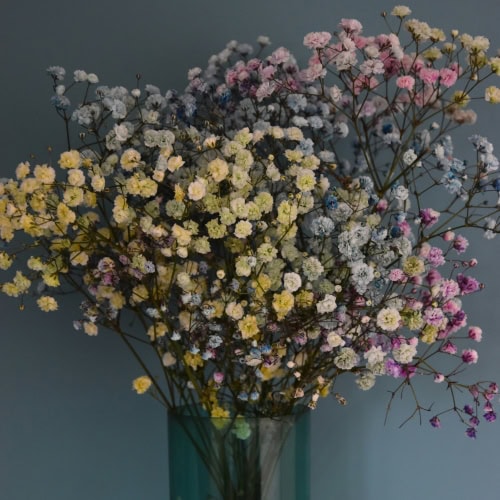
Baby’s breath is all about subtlety, with those tiny white blossoms clustered together just seem to float, giving off a gentle, innocent vibe.
You’ll see baby’s breath in a lot of wedding bouquets and baptism arrangements, where its association with pure love and new starts feels right at home. Its soft, cloud-like look keeps things light and pure.
4) White Lily
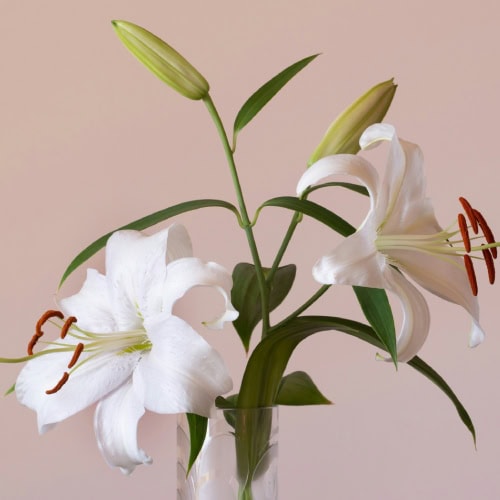
White lilies are hard to miss when you’re talking about innocence. Their big, pure white blooms have become a staple at ceremonies that celebrate new chapters: weddings, christenings, you name it.
Easter lilies, in particular, are loaded with symbolism around spiritual purity. There’s something about their flawless look that just says “untouched innocence.”
5) Cherry Blossom

Cherry blossoms have a gentle innocence about them, thanks to their delicate petals and short-lived beauty. They’re here for a blink (just a couple of weeks) before drifting away, which kind of echoes how fleeting youth and purity can be.
In Japan, sakura are almost legendary. Their soft pinks and whites are the very image of purity and the brief, beautiful nature of innocent moments.
6) Daisy
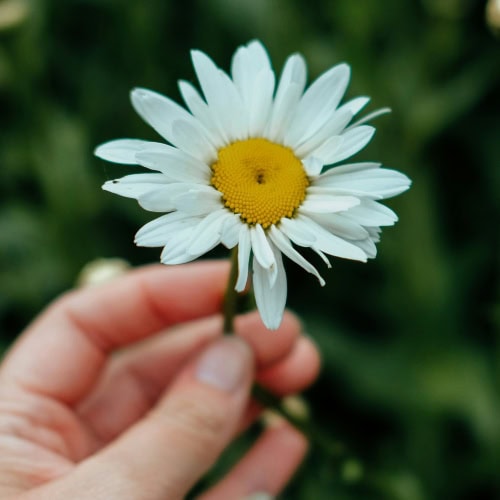
Daisies have been tied to innocence for ages. With their bright white petals and sunny yellow centers, they just feel cheerful and uncomplicated. The name itself “day’s eye” comes from how they open in the morning and close at night, which is kind of charming.
When you give daisies, you’re really giving a nod to simplicity and new starts. They’re especially popular at weddings, where their pure look fits right in.
7) Camellia
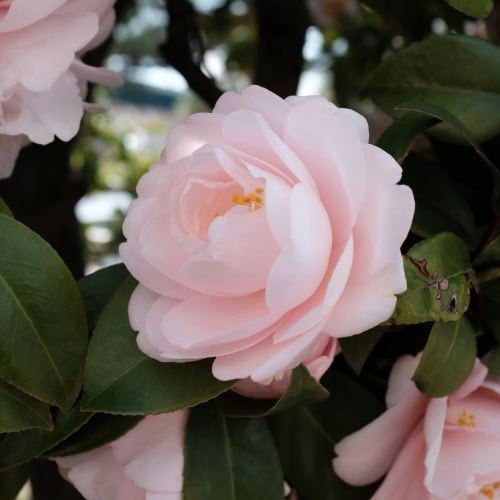
White camellias are all about understated elegance and innocence. Their flawless blooms have a calm, honest vibe that’s hard to ignore.
These flowers have been loved in Asia for centuries, and when you pick white camellias, you’re sending a message of virtue and unspoiled beauty. They’re a gentle way to say “I see your pure heart.”
8) Snowdrop
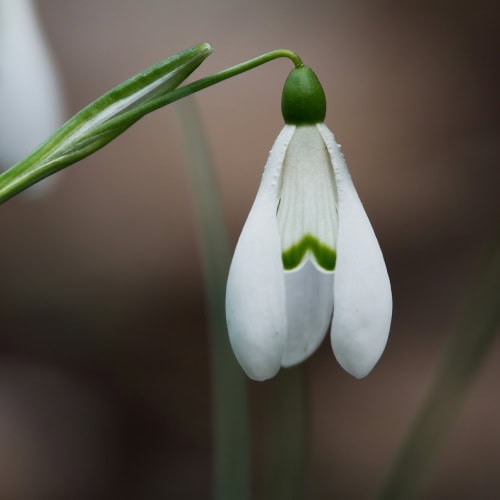
Snowdrops are the little heroes of late winter, poking up through the cold with their dainty white petals. They’re often the first blooms you’ll see after months of gray, so they naturally get tied to innocence and renewal.
Their simple look and pure color make them a comforting choice for moments when you want to offer hope or mark a new beginning.
9) White Tulip
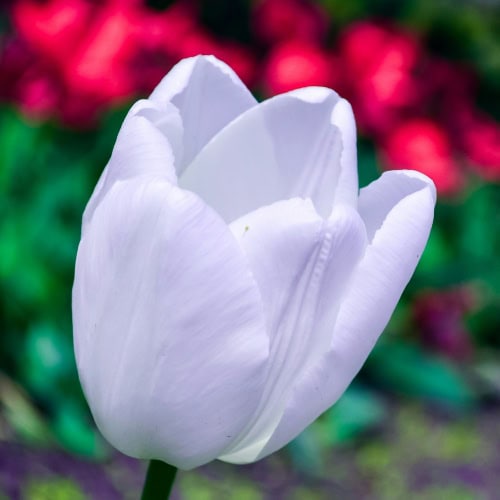
White tulips are straightforward in their message: innocence and purity, plain and simple. Their clean petals make them a go-to for graduations, weddings, or any celebration that feels like a fresh start.
They’re also about forgiveness and sincerity. You don’t need a complicated arrangement, just a bunch of white tulips quietly says it all.
10) Freesia
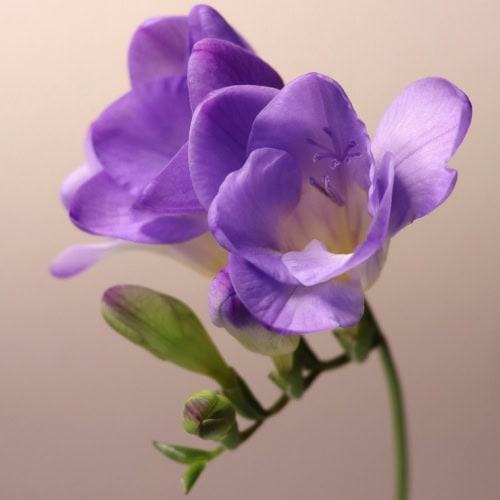
Freesias are one of those flowers that carry a lot of meaning without making a fuss. In the language of flowers, they stand for innocence, but also friendship and trust.
White freesias, in particular, are popular for wedding bouquets and bridal arrangements, as they just look and smell so clean and honest. Fragrant and delicate, they’re a sweet way to express pure intentions.
11) Magnolia
Magnolias are ancient flowers, and their soft white and pink blooms have long been linked with innocence and fresh starts. The white magnolia feels especially pure, as its elegant shape and color just seem so dignified.
If you’re looking to say something about innocence with a bit of strength and grace, magnolias might be the way to go.
12) Jasmine
Jasmine is another flower that quietly stands for purity and innocence. The name itself, from the Persian “yasmin,” means “gift from God,” which is pretty fitting.
You’ll see jasmine in a lot of wedding and religious ceremonies, where its delicate look and soft scent help express the idea of a pure, new beginning.
13) Heather
Heather’s one of those resilient plants that still manages to look gentle and innocent. White heather, especially, is all about purity and well wishes.
It’s the kind of flower you might give to someone as a little token of protection or hope. Despite thriving in tough places, heather keeps its innocent charm, which is kind of inspiring.
14) Orange Blossom
Orange blossoms are classic symbols of purity and innocence, especially in the context of weddings. Their crisp white petals and sweet scent have graced bridal bouquets for generations.
They bloom in spring, which adds another layer of meaning: fertility and new beginnings. It’s no wonder brides have been tucking them in their hair for centuries.
15) Bluebell
Bluebells have a soft, nodding shape that just feels gentle and innocent. They’re often used in arrangements for baby showers and christenings, and honestly, they fit right in.
Growing quietly in woodlands, bluebells seem to embody humility and gratitude, too. If you want to add a note of pure emotion to your garden, these are a lovely pick.
16) Gardenia
Gardenias are all about that pure, gentle feeling. Their creamy white petals and unmistakable fragrance have made them a favorite for expressing admiration and innocence.
They’re sometimes used to hint at secret love, too, which adds a bit of intrigue. Elegant and memorable, gardenias can say what words sometimes can’t.
17) Hawthorn
Hawthorn flowers, with their soft white or pink blooms, show up in spring as a sign of innocence and fresh starts. They’re part of the rose family and have a quiet, gentle look that just feels right for marking new beginnings.
In some traditions, hawthorn is also about hope and protection. Their unassuming beauty is a reminder of the pure outlook often linked to childhood.
18) Primrose
Primroses are sweet little blooms that bring to mind youth and innocence. White primroses, in particular, stand for purity and young love, while the yellow ones are more about friendship and starting anew.
They’re a charming way to celebrate childhood or simply honor the idea of a fresh start. Primroses have a sort of timeless, gentle appeal that’s hard not to like.
19) Anemone
White anemones are often chosen for weddings and baptisms because of their connection to purity and innocence. Their delicate petals and soft look seem to carry sincerity and a kind of quiet beauty.
The symbolism can shift a bit depending on the culture, but white anemones are a good pick when you want to send a message of genuine, unspoiled emotion.
20) Forget-Me-Not
White forget-me-nots have this gentle vibe, often tied to purity and innocence. There’s something quietly noble about them, as they just seem to whisper care, and maybe even a little charity, for anyone who needs it.
Most folks link forget-me-nots with remembrance or lasting love, but the white ones? They lean hard into innocence. Those tiny blooms almost nudge you to think about simple, honest intentions If you’re ever hoping to show someone compassion, and you want it to come across as genuine and pure, white forget-me-nots might be the way to go.