
The short answer is, yes, you really do need to clean your fish pond regularly to maintain water quality and to avoid nasty buildup that can interfere with the ponds natural ecosystem. If you let things slide, you’ll probably end up with algae everywhere, weird smells, and fish that are stressed (or worse).
You don’t have to drain the whole pond every time you clean, thankfully. But a little regular effort makes a world of difference. Skimming out leaves, rinsing filters, and keeping the water balanced – these are the basics that keep the whole ecosystem running smoothly.
If you know how to clean a fish pond the right way, you’ll actually save yourself time and headaches later. Once you get into a routine, it’s not that bad, and you’ll have a pond that stays clear and healthy through every season.
How to Properly Clean a Fish Pond
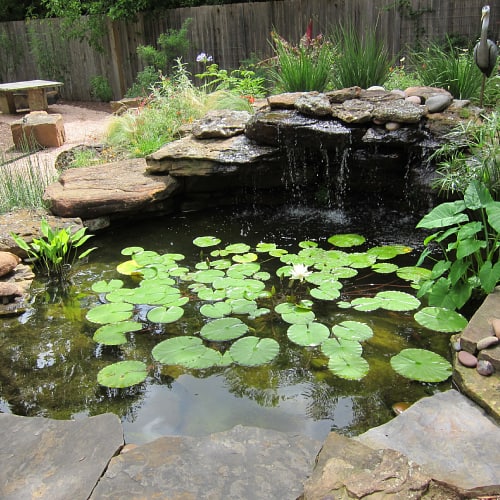
A clean pond means happier fish, fewer algae problems, and water that doesn’t look (or smell) like a swamp. Regular upkeep, the right gear, and a little care with your fish and plants go a long way toward keeping things balanced.
When and Why Pond Cleaning Is Necessary

You’ll know it’s time to clean when the water starts looking cloudy, algae takes over, or you see sludge piling up at the bottom. Stuff like fallen leaves, fish waste, and rotting plants all add up, raising ammonia and nitrate levels, which isn’t great for your fish. Seasonal changes matter too, as when temperatures shift, bacteria behave differently, and your pond might need extra attention.
Most folks do a light cleaning every few weeks and a deep clean once or twice a year. Staying on top of it keeps debris from clogging your pumps or filters. Watching your pH levels and noticing how your fish are acting can clue you in when it’s time to break out the cleaning supplies.
Essential Equipment and Supplies for Pond Cleaning

The right tools make pond cleaning way less of a hassle. A pond net is your go-to for scooping up leaves and floating stuff, and a pond vacuum or siphon lets you get the sludge out without draining everything. A scrub brush is handy for scrubbing algae off liners and rocks.
Keep a garden hose on hand for rinsing and topping off the pond at the end. Don’t forget a dechlorinator, as it’s a must when you refill, since tap water can harm your fish. A muck net, filter pads, and a good pair of gloves are also worth having around.
Quick cheat sheet of what you’ll want:
| Tool | Purpose |
|---|---|
| Pond net | Collects floating debris |
| Pond vacuum | Removes sludge and silt |
| Scrub brush | Cleans liner and rocks |
| Dechlorinator | Protects fish by removing chlorine |
| Garden hose | Refills pond with clean water |
Having decent tools just makes the whole thing easier and helps keep your pond’s good bacteria right where you want it.
Safe Removal and Acclimating of Pond Fish

Before you start draining or vacuuming, gently move your fish to a safe holding tank filled with pond water. Use a soft pond net and don’t rush it, so not to stress them out. Make sure the temporary tank is shaded and has some aeration, like an air stone or a small pump, to keep the oxygen up.
It’s important not to shock your fish with temperature changes. If you’re replacing a lot of water, slowly mix in the new pond water with the old, little by little, so the fish can get used to it. This helps avoid stress and keeps them healthy.
Keep an eye out for weird behavior like frantic swimming or gasping and if you see that, something’s off. Only put the fish back once the pond’s refilled and the temperature’s about the same as their holding tank.
Step-By-Step Pond Cleaning Process
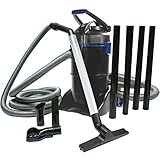
- Powerful & Continuous Operation: The powerful 1600W motor removes sludge, debris, and algae leaving your pond clean and clear. The dual...
- Reduce Timely Pond Maintenance: The ClearVac is easy to use and maneuver, making your pond maintenance faster and more convenient. With four...
- Suck Muck Without Draining: Easily remove sludge, pond muck, algae, small leaves, and debris up to 3/8 of an inch. Allows for easier routine...
First things first: unplug any electrical stuff like filters or pumps. Scoop out leaves and floating debris with your net, and trim off dead or dying plant bits. Grab your pond vacuum or siphon and start working on the bottom, section by section, so you don’t mess with the pond’s balance too much.
Scrub rocks, liners, and decorations with a brush and either pond-safe cleaner or just water (definitely skip the household soaps!). Rinse everything with your garden hose, but try not to let dirty water run back into the pond. When you clean filter media, use pond water (not tap water) so you don’t kill off the helpful bacteria.
For big ponds, changing out about 25–40% of the water is usually enough. Once you’ve refilled, check the pH and ammonia before putting your fish back in.
Dealing with Algae and String Algae
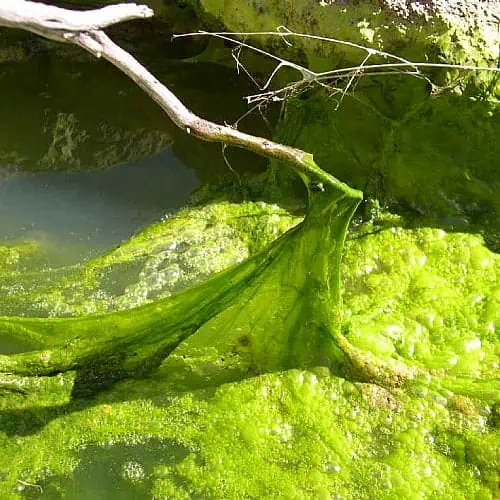
Algae is just part of having a pond, but when it gets out of hand, your water goes green and oxygen drops. String algae especially loves to cling to rocks and can be a pain to remove. Start by scraping off as much as you can with a brush or net.
If algae keeps coming back, you can try safe algae treatments (just follow the directions). Lots of people swear by barley straw or barley extract, which slowly releases stuff that helps keep algae in check. You can also try utilizing fish safe pond dyes which heavily reduce light penetration and keep algae at bay.
Cutting down on sunlight with floating plants or shade, and being careful not to overfeed your fish, also helps. A good filter and steady water movement make it harder for algae to settle in. Mixing manual removal with prevention usually does the trick.
Maintaining Healthy Aquatic Plants

Aquatic plants really help keep things balanced and can even keep algae at bay. Trim off dead leaves and pull out decaying stems before they end up rotting in the water. Healthy pond plants like lilies, cattails, or oxygenators soak up extra nutrients and give your pond some shade.
If your plants are getting crowded, divide or replant them to keep the water flowing. Rinse their pots to clear out muck and pests.
If you notice yellowing leaves, it might mean there’s not enough oxygen or sunlight. Keeping your plants happy helps your pond stay clear and your fish stay healthy.
Refilling and Treating Pond Water
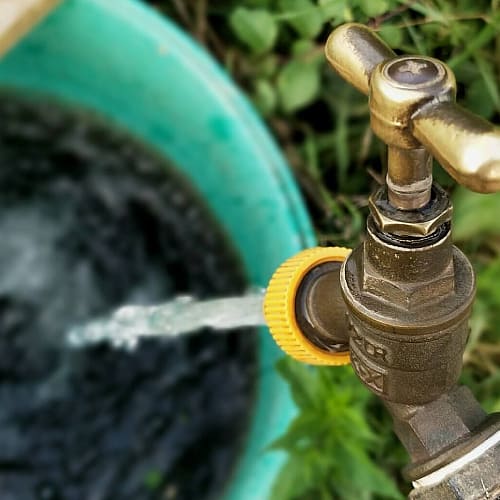
When you’re topping up your pond, grab a garden hose and set it to a gentle spray. Don’t forget to add a dechlorinator right away; honestly, it’s crucial, since chlorine and chloramine can really mess with your fish and the good bacteria you want to keep. Take your time refilling so the water temperature doesn’t suddenly spike or drop before the fish go back in.
Afterward, check your pH, ammonia, and nitrate levels. If things look steady, you’re probably good to go. Flip your pumps and filters back on so water starts moving and getting some air again.
For bigger ponds, it’s usually better to just do partial refills instead of draining everything as this helps keep the pond’s biology from going haywire. Once the water’s clear and your test readings look decent, you can start moving the fish back in, a few at a time. A little patience here goes a long way toward keeping your pond healthy.