
Fish pond pumps usually draw anywhere from 50 to 300 watts, depending on their size and design. That might sound like a lot at first, but it’s actually pretty modest compared to big home appliances.
What you actually pay depends on things like your pump’s wattage, how long it runs each day, and what your local electric company charges. Most people see an extra few bucks to maybe $15 or $20 on their monthly bill, so, not too scary!
There are a bunch of factors that play into your pump’s energy use, and knowing what they are can help you pick the right equipment and keep your costs in check. Let’s dig into how much juice different pumps use and what you can do to keep those numbers down while still keeping your fish in good shape.
Electricity Consumption of Fish Pond Pumps
Most pond pumps fall in the 50 to 300 watt range, though your actual usage will swing based on the pump’s wattage, how long you run it, and your local electric rates.

Average Wattage and Typical Usage Patterns
Generally, pond pumps break down into three main categories. Small pumps for ponds up to 1,000 gallons use about 50 to 100 watts. Medium-sized ones for 1,000 to 3,000 gallons go for 100 to 200 watts, and those big boys for 3,000 gallons and up? They’ll pull 200 to 300 watts or sometimes even more.
Most folks keep their pumps running all day, every day. This constant circulation is what keeps the water fresh and oxygenated for your fish. In cooler months, when the fish aren’t as active, you might be able to get away with running it less, but that really depends on your climate and what’s swimming in your pond.
The wattage you see on your pump is the max it’ll use. Real-world usage might dip a bit, especially if your pump is well-maintained and there’s not much resistance in the system.
Key Factors Influencing Electricity Use
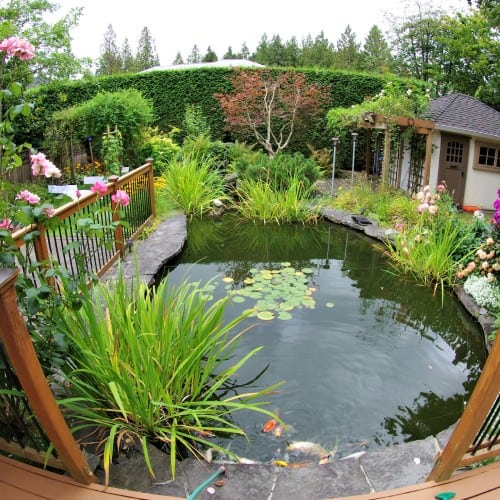
Pond size is a big deal here. Bigger ponds need beefier pumps, and those naturally use more power to move all that water.
Pump efficiency is all over the map. Some newer pumps are way more efficient, sometimes cutting power use by 20 to 40 percent compared to older models. And the type matters too: submersible pumps usually sip less power than external ones, at least for similar water flow rates.
Other stuff that can make a difference:
- Waterfalls and fountains add resistance, so you’ll need more juice
- The height the pump has to lift water (vertical lift)
- What kind of filter system you’re running
- Gunked-up pumps or worn parts can drag down efficiency
Cost to Operate a Pond Pump
If you’re running a 100-watt pump 24/7, you’re probably looking at $7 to $9 a month if your electricity is around 10 cents per kilowatt-hour. Double that for a 200-watt pump, and so on. Here’s a quick table:
| Pump Wattage | Hours Per Day | Monthly Cost (at $0.10/kWh) |
|---|---|---|
| 50W | 24 | $3.60 |
| 100W | 24 | $7.20 |
| 150W | 24 | $10.80 |
| 200W | 24 | $14.40 |
| 300W | 24 | $21.60 |
Of course, if your electric rate is higher or lower, these numbers will shift. Might be worth a peek at your utility bill to get the real number.
Comparing Electricity Usage: Pond Pumps vs. Other Appliances
Honestly, a pond pump is pretty tame compared to the heavy hitters in your house. Your fridge can chew through 100 to 800 watts, and central AC? Forget about it – 3,000 to 5,000 watts easily.
A 150-watt pond pump is about the same as running two regular light bulbs. TVs are usually between 50 and 200 watts, and a desktop computer with a monitor can easily hit 200 to 500 watts. Dishwashers, space heaters, hair dryers, they all dwarf your pond pump in terms of power draw. Even your coffee maker uses more while it’s brewing.
Bottom line: pond pumps are among the more modest energy users in your home, especially when you consider that some other devices are running around the clock, too.
Improving Energy Efficiency of Pond Pumps
Modern pond pumps have gotten a lot smarter about saving energy. Picking the right size, tweaking the settings, and keeping things clean can easily chop your energy use by a third, or even half, compared to old-school models.
Energy Efficient Pond Pump Features
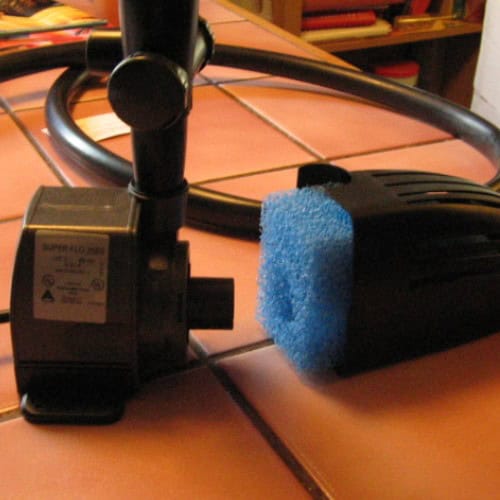
Magnetic drive (mag-drive) pumps are a neat bit of tech. They use magnets to spin the impeller, so there’s less friction and less wasted energy. Plus, fewer moving parts means less maintenance.
Variable speed is another handy feature. You can dial things down when you don’t need full power, saving a bunch of electricity but still keeping your pond healthy.
Timers are a lifesaver if you don’t want to run the pump all the time. Many new pumps come with built-in timers, or you can add one. Cutting a few hours a day can make a noticeable dent in your bill.
Low wattage motors are pretty standard in new pumps. They give you the same water flow as older models but use way less power, sometimes 50 to 150 watts less every hour.
If you see a pump that boasts a high GPH (gallons per hour) per watt ratio, that’s a good sign. It means you’re getting more water movement for every watt you’re paying for.
Selecting the Right Size and Type of Pump

Oversized pumps are just a waste of electricity. Figure out your pond’s volume and pick a pump that will cycle all the water once every hour or two. That’s usually plenty for most ponds.
Submersible pumps are usually the way to go for smaller ponds (under 1,000 gallons). They’re efficient and get the job done without guzzling power. For bigger setups, external pumps might be necessary, but just know they’ll likely use more electricity because of their higher capacity.
Make sure your pump’s head height matches what your pond actually needs. If it’s working too hard to push water uphill, you’re just burning extra power for no reason.
Solar-powered pumps are an option for smaller ponds and fountains. They’re a bit pricier up front, but you’ll make that money back in a couple years since you’re not paying for electricity.
Hybrid systems, (solar plus battery or grid backup) are getting more popular. They can run off the sun during the day and switch to the grid or batteries at night, slashing your grid power use by a big chunk.
Tips to Reduce Electricity Consumption

Keep the pump’s intake clear of leaves, algae, and other gunk can force the motor to work overtime, which means more power and a shorter lifespan.
Don’t let your pond water get too low. If the pump runs dry or struggles to pull water, it’ll overheat and use more energy. On the flip side, super deep water can also make things harder for the pump.
Swap out or clean your filters every couple weeks when things are busy. Clogged filters make the pump work harder, which is just throwing money away.
Place your pump where water can flow freely. If it’s tucked behind rocks or plants, you’re just making it work harder than it needs to.
If your electric company offers time-of-use rates, try running the pump more during off-peak hours, as nighttime rates can be way cheaper.
And if you live somewhere cold, pull the pump out for the winter. Once your pond goes dormant, there’s no need to keep the water moving, and you’ll save a few months’ worth of electricity. Seasonal shutdown is a no-brainer in those climates.