
If you’ve got a pond on your property, you’ve probably wondered if you can just grab your fishing pole and cast a line without worrying about fishing licenses. Honestly, in most states, you’re in luck! Property owners and their immediate families usually don’t need a license to fish their own pond, as long as the pond sits entirely on private land and isn’t hooked up to public waters. The rules get a bit more tangled if you’re inviting guests, selling fish, or your pond connects to streams or rivers.
In most states, you can fish your own private pond without a license if you own the land, the pond’s fully contained within your property, and there’s no connection to public waterways. Your spouse and kids are typically covered too, but what counts as “immediate family” can depend on where you live. Some states even let tenants fish without a license.
It’s worth checking your state’s specific requirements, just to avoid any nasty surprises or fines!
Private Pond Fishing License Requirements and Exemptions
Whether you need a fishing license for your own pond all comes down to how your state defines private waters and your relationship to the land. Most places give property owners and their immediate family a free pass, but the details (like what counts as a private pond, whether there’s a water connection, and if guests are allowed) can vary a lot.
Legal Definition of a Private Pond

To get the license exemption, your pond has to meet some basic criteria. Usually, it must be completely within your property lines, without any natural inlet or outlet. Some states even have size limits.
Take Florida, for example: ponds 20 acres or less, totally on land owned by one person or company, are exempt. New York offers free 5-year Farm Fish Pond Licenses for ponds under 10 acres. Meanwhile, California isn’t so lenient, as even if you own the pond, you still need a valid license.
Man-made ponds generally get a bit more leeway than natural ones. The key is that your pond needs to be a self-contained system, not just a part of a bigger watershed. Ultimately, your state’s wildlife agency has the final say on whether your water counts as a truly private pond.
Surface Water Connection and Public Waters
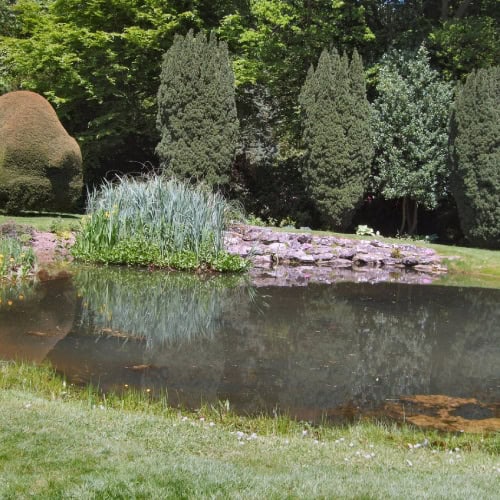
If your pond connects to public waters in any way, most exemptions go out the window, even if your property totally surrounds the pond. Streams, rivers, or even drainage ditches that link your pond to public water usually mean you’ll need a fishing license.
Sometimes, temporary connections after heavy rain or flooding can muddy the waters (pun intended). Most states treat your pond as public if these connections happen, no matter how brief. Minnesota, for instance, requires licenses if there’s any public access or water connection.
How isolated your pond is from other water sources really matters here. Some states might even require screens or barriers to keep fish from escaping, just to maintain your pond’s private status. Georgia and Alabama, for example, both say there can’t be any connection to public waters if you want an exemption.
Owner and Family Privileges

If you own the land, you can usually fish your pond without a license. Your spouse and kids are typically included in this, but only for personal, not commercial, fishing.
Alabama lets residents and their immediate family fish license-free in their own private ponds. Georgia’s rules cover owners, immediate family, and even tenants (with permission). Texas has similar exemptions for private water entirely on private property.
On top of that, most states have age-based exemptions. Kids under 16 don’t need a license in Florida, and in Texas, the cut-off is 17. These youth exemptions are usually good no matter who owns the pond.
License Exemptions for Tenants and Guests
Guests are a different story. In Pennsylvania, everyone 16 and older needs a license, no matter who owns the pond. Other states are a bit more relaxe…sometimes.
Tenant rules depend on the state and what’s in the lease. Georgia says tenants can fish without a license if the landowner says it’s okay. Idaho lets landowners set their own fishing rules with a Private Pond Permit, which means no state license needed for anyone.
Some states require you, the owner, to be present if guests are fishing. Alabama’s one of those. Here’s a quick look at how a few states handle guest fishing:
| State | Guest License Required | Special Conditions |
|---|---|---|
| Alabama | No | Owner must be present |
| Florida | No | Pond ≤20 acres, fully private |
| Pennsylvania | Yes | All anglers 16+ need licenses |
| Texas | No | Private water on private property |
| Idaho | No | Valid Private Pond Permit required |
It’s always smart to double-check with your state’s fish and wildlife folks before letting friends or family fish your pond.
When a License Is Required for Pond Fishing
Even if you own the pond, you can’t always skip the fishing license. Whether you need one depends on things like your pond’s connection to public waters, what kinds of fish you’re after, and your state’s rules.
Public Waterways and Natural Streams
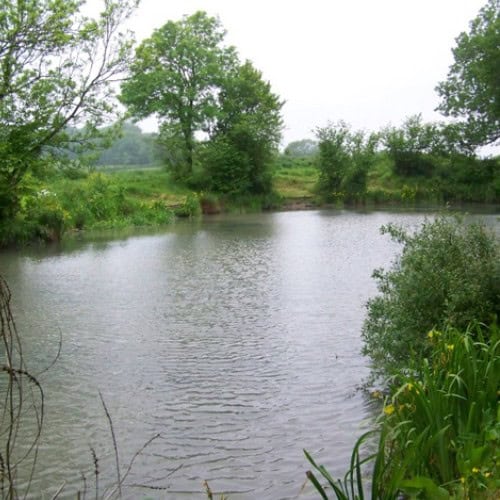
If your pond connects to public water (even a tiny bit)you’ll need a license. It doesn’t matter if you own every inch of the land; if your pond feeds into a river, lake, or stream that others can access, you’re under public fishing rules.
States treat these connected ponds as part of the public fishing system. Even a seasonal creek or a small overflow can mean you need a license. Flooding that temporarily connects your pond to public water? That usually counts, too.
In Texas, if your pond connects to a river or lake, you’ll need a license. California makes you get a license for any water with a public connection, even on private land. The thinking here is pretty straightforward: if fish can move between your pond and public water, your pond’s part of the shared resource.
If a natural stream runs through your property, you’ll always need a license to fish there. You might own the land, but the fish and water are managed by the state for everyone’s benefit.
Regulations for Stocked and Sensitive Fish Species
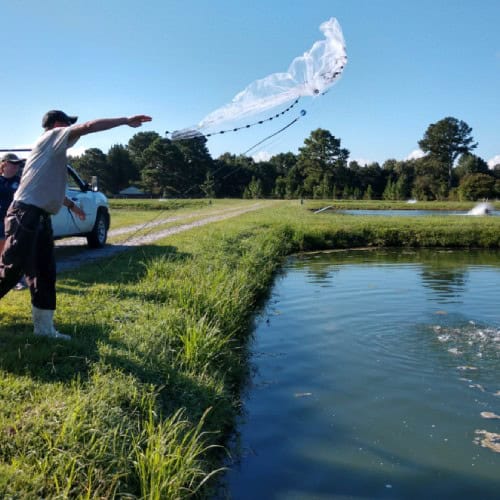
Stocking your pond with certain species, especially game fish, can trigger license requirements you wouldn’t otherwise have. Trout, for example, usually require a permit, even in private, isolated ponds.
State wildlife agencies keep a close eye on fish stocking to protect local ecosystems. Many states want you to get a permit before adding any fish, and if you’re fishing for those stocked species, you might need a license. Protected or sensitive species are almost always under tighter rules.
Game fish like bass, walleye, and trout often require a license, even if you own the pond. Non-game fish such as bluegill or catfish are usually less regulated. If you’re running a commercial operation, you’ll probably need additional permits, like aquaculture certifications and health checks.
In Florida, exemptions disappear if you stock non-native species or game fish. Some states even want annual reports on fish populations in private ponds to keep track of what’s going on.
State-Specific Rules and Permit Types
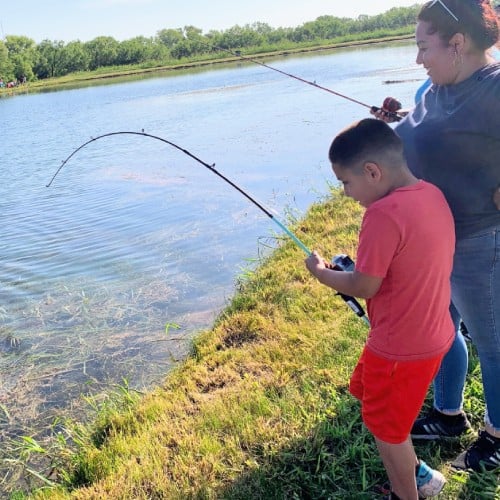
Every state seems to have its own take on private pond fishing, so there’s a pretty wild mix of rules out there. In California, you’ll need a license no matter where you cast a line. even if it’s just your own backyard pond. Pennsylvania? Anyone over 16 has to have a license, period.
Florida’s a little more relaxed if your pond’s under 20 acres and doesn’t connect to public water. Georgia lets owners and tenants fish without a license, but if you invite guests, they’ll need their own permits. Alabama covers owners and immediate family, but not much beyond that.
Most state fish and wildlife agencies have all sorts of permit options besides the standard fishing license. You might run into trout stamps, commercial fishing permits, or even aquaculture licenses if you’re breeding fish. Some places are generous with free or cheaper licenses for seniors, folks with disabilities, or veterans, which is honestly a nice touch.
| State | Owner Exemption | Guest Requirements | Special Conditions |
|---|---|---|---|
| Texas | Yes | Exempted on private property | Pond must be isolated |
| Florida | Yes (≤20 acres) | Exempted | No public connection |
| California | No | License always required | All waters regulated |
| Pennsylvania | No (age 16+) | License always required | Universal requirement |