
You can transform your pond into a vibrant focal point without stretching your budget. The right mix of flowering marginals, floating greens, and oxygenating plants adds color, texture, and balance while keeping costs manageable.
As you plan your water garden, you want plants that thrive in different zones, from shallow edges to open water, and even below the surface. This guide highlights dependable, low cost options that suit backyard ponds of many sizes and styles.
1) Water Iris (Iris laevigata)
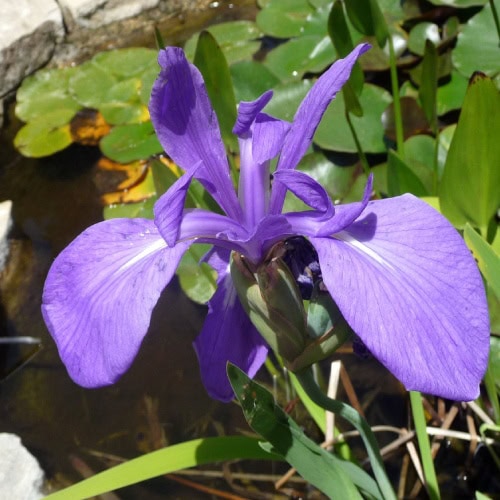
Water iris adds vertical structure and clear color to your pond without high cost. You can grow it along the water’s edge or with its crown slightly submerged, as it tolerates constant moisture.
This East Asian species produces blue to purple flowers in late spring to early summer. Slender, upright leaves reach about 2 to 3 feet tall and create a clean backdrop for lower plants.
Plant it in aquatic baskets with heavy soil to control spread and simplify division. You will see stronger blooms when you keep the soil consistently wet.
2) Pickerelweed (Pontederia cordata)
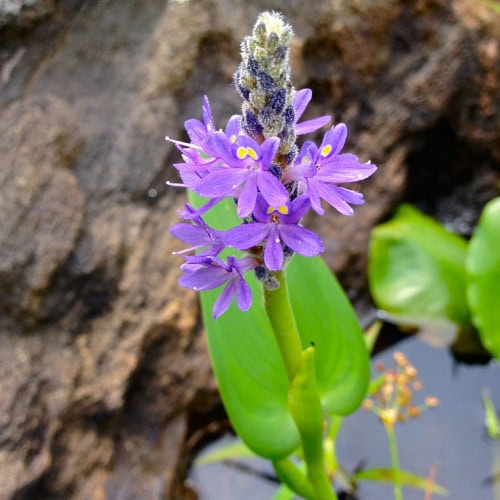
This North American native produces violet blue flower spikes above glossy, heart shaped leaves.
Plant it in shallow water along the pond edge, where it receives full sun. It thrives in muddy or silty soil and spreads slowly by rhizomes.
You gain more than visual appeal. Pickerelweed supports pollinators, offers cover for wildlife, and helps improve water quality in retention ponds and backyard features.
3) Water Lettuce (Pistia stratiotes)
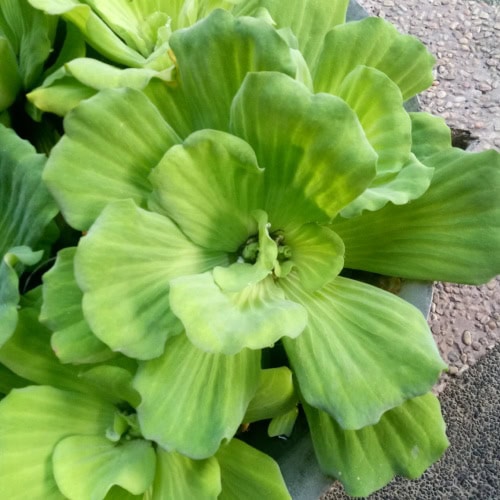
Water lettuce forms soft, velvety rosettes that float freely across your pond surface. Its pale green leaves resemble small heads of lettuce and create a calm, natural look.
You can use it to provide shade, which helps limit algae growth and keeps water temperatures more stable. The long, feathery roots hang below, offering shelter for small fish and absorbing excess nutrients.
Give your plants bright light and gentle water movement. Remove extra growth regularly, as water lettuce can spread quickly in warm conditions.
4) Hardy Water Lily (Nymphaea ‘Marliacea Albida’)
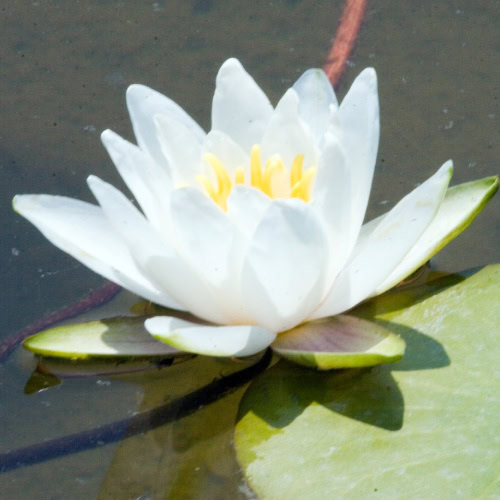
You can rely on this hardy water lily for consistent summer blooms. It produces double white flowers with yellow centers that float above round green leaves, which often emerge bronze before turning green.
Plant it in still water with full sun for best results. It suits medium to large ponds and typically spreads up to about 1 meter.
You will also provide shade for fish and help reduce algae by covering the water’s surface.
5) BlueFlag Iris (Iris versicolor)

Blue Flag Iris, Iris versicolor, adds reliable color to your pond margins. You can plant it along shorelines or in shallow water up to about 6 inches deep.
It grows 2 to 3 feet tall with upright, sword shaped green foliage. Violet blue flowers with yellow and white markings appear in late spring to early summer.
This native tolerates wet soil and cold winters, making it a low maintenance choice.
6) Hornwort (Ceratophyllum demersum)

Hornwort is a hardy, fast growing aquatic plant that suits most freshwater ponds. You can let it float freely or anchor it lightly without soil.
It tolerates a wide range of light and water conditions, which makes it low maintenance. The feathery foliage gives fish cover and spawning areas.
Hornwort also absorbs excess nutrients from the water. You can use it to help maintain clearer, more balanced pond conditions at a low cost.
7) Marsh Marigold (Caltha palustris)

Marsh marigold gives your pond a bright display in early spring. Its glossy green leaves and bold yellow flowers appear when few other plants bloom.
You can plant it along pond edges, in bog gardens, or in consistently wet soil. It tolerates shallow standing water and prefers rich, moisture‑retentive ground.
This hardy perennial spreads into neat clumps over time. It also supports early pollinators, making it a practical and affordable choice for naturalistic ponds.
8) Anacharis (Elodea canadensis)

Anacharis, also called Canadian waterweed, is a submerged plant that grows quickly and costs little to add to your pond. You can use it to increase oxygen levels and support fish health.
It absorbs excess nutrients from the water, which helps limit algae growth and keep the pond clearer. Plant it in bunches or let it float freely.
You can grow it in moderate to bright light, and it tolerates a range of pond conditions with minimal care.
9) Dwarf Cattail (Typha minima)
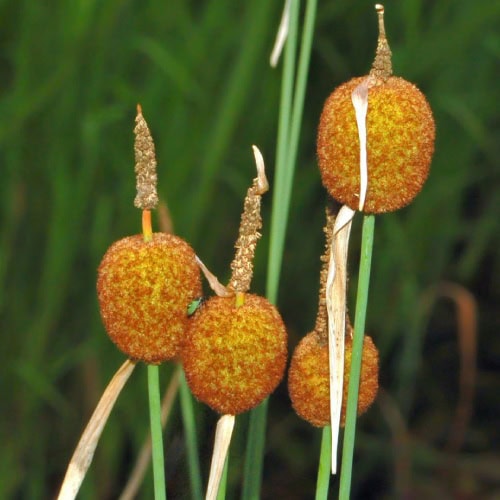
Dwarf cattail gives you the classic look of a cattail without overwhelming a small pond. This compact aquatic plant typically grows 18 to 24 inches tall, making it ideal for containers and tight margins.
You will notice narrow green leaves and small brown cylindrical flower spikes in summer. It thrives in full sun and shallow, standing water.
Plant it in heavy, mud-like soil to anchor the roots. Divide clumps in spring to control spread and maintain healthy growth.
10) Sweet Flag (Acorus gramineus)
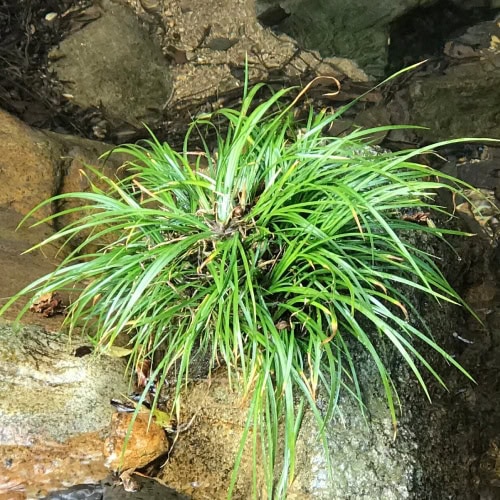
Sweet flag is a compact, grass-like perennial that grows well in shallow water or consistently damp soil. You can plant it along pond edges, in bog gardens, or in containers with standing water.
Its narrow, arching leaves form tidy clumps about 12 inches tall. Varieties like ‘Ogon’ offer golden foliage, while others feature green and cream striping.
You can divide the rhizomes in spring to expand your planting at little cost.
11) Bog Bean (Menyanthes trifoliata)

Bog bean is a hardy marginal plant that grows well along pond edges and in shallow water. You can expect trifoliate, olive green leaves that rise above the surface on sturdy stems.
In spring, it produces clusters of white, fringed flowers that attract pollinators. The blooms add early season interest without requiring special care.
This rhizomatous perennial spreads steadily, so you can use it to cover bare margins at a low cost. Plant it in consistently moist soil or shallow water for best results.
12) Spider Lily (Hymenocallis x festalis)
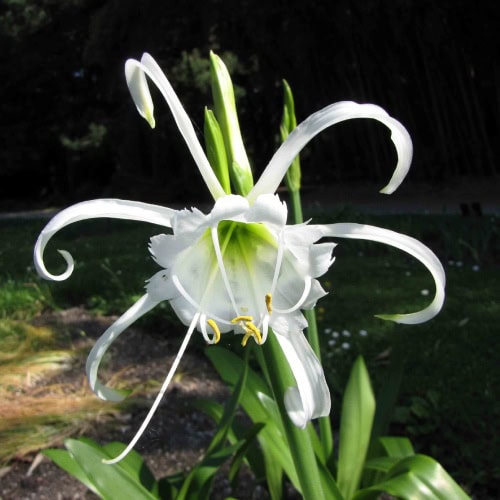
Spider lily adds a bold, architectural look to your pond edge. Its white, narrow petals radiate from a central cup, creating a star shaped bloom in summer.
Plant the bulbs in moist soil or shallow water where they receive full sun to partial shade.
They prefer warm conditions and well drained but consistently damp soil. You can also grow it in large containers.