
A bear can turn a pond into a food and water stop, leaving torn netting, scattered stones, uprooted plants, missing fish, or a punctured liner behind. To keep bears away from a garden pond safely, remove food attractants and enclose the pond with a properly designed electric fence, then use motion deterrents as a temporary backup.
You protect your fish and pond structure while preventing bears from learning that your yard provides easy meals. Give every bear room to leave, and avoid approaching or cornering it near the water.
Make the Pond Less Attractive to Bears
Your first line of defense is removing every reward a bear finds near the pond. A fence works far better when fish food, fallen fruit, trash, and feed do not reinforce repeat visits.
What Draws Bears to Garden Ponds?
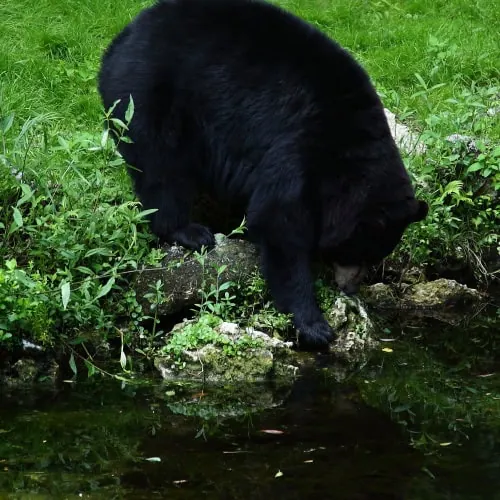
Bears investigate ponds for accessible water, fish, fish food, aquatic plants, and nearby fruit. A shallow shelf also gives a large animal easy footing while it reaches into the pond.
Koi and goldfish become vulnerable when they gather at the surface for food. Bears can also dislodge edging stones while searching under shelves and plants, turning a brief visit into costly pond damage.
Remove Nearby Food and Scent Attractants
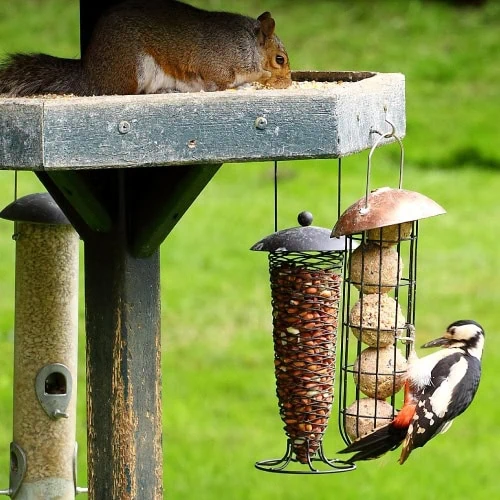
Bring pet food indoors, secure garbage, clean grill grease, and manage compost in a bear-resistant system. Pick ripe fruit promptly and clear windfall every day during fruiting season.
Keep bird feeders away from your pond area in bear country. Food attractants keep bears returning, even after a bear has been moved elsewhere, as this bear-deterrent guidance explains.
Protect Fish, Fish Food, and Fallen Fruit
Feed fish only the amount they finish promptly, then store food in a closed, sturdy container indoors or in a secure building. An automatic pond fish feeder can help you dispense measured portions, though its food reservoir still requires bear-proof storage.
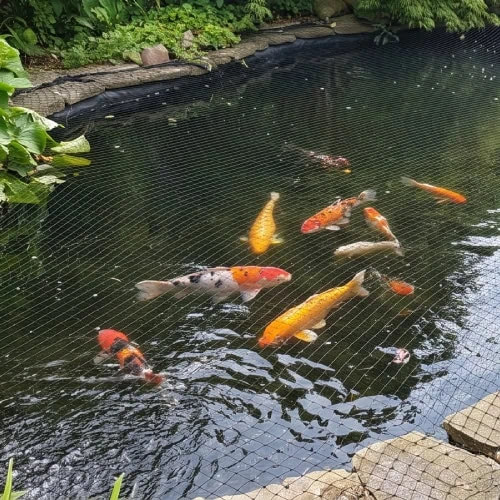
Use a taut, heavy pond net as secondary protection for fish and plants, anchored outside the waterline. Netting alone does not stop a bear, but the more barriers you are able to put up, the higher the chance the animal will consider things not worth the risk.
Use Physical Barriers That Stop Bear Access
A correctly built electric fence provides the most reliable long-term barrier around a pond with persistent bear pressure. It creates an unpleasant, noninjurious lesson when a bear touches the charged wire, which discourages return visits.
Place the enclosure far enough from the pond edge that a bear cannot stand outside the fence and reach fish, plants, or shallow shelves.
Is Electric Fencing Effective Around a Pond?

- Durable Design for Long-Term Use: This heavy-duty electric fence wire is made of PVC material for excellent UV protection, ensuring the...
- Exceptional Conductivity: Equipped with three highly conductive aluminum strands, this wire delivers 20x the shocking power compared to...
- Easy to Install and Maintain: The aluminum polywire is user-friendly, allowing for quick installation, repairs, and splicing in the field...
Electric fencing is effective when it fully encloses the attractant, stays energized, and prevents climbing, squeezing through, or digging underneath. Bear Smart identifies electric fencing as one of the most effective tools for securing bear attractants.
Use equipment designed for wildlife exclusion and follow local electrical rules. Keep vegetation trimmed off the lower wires, check the charge routinely, and protect the energizer from weather and curious children.
Choose a Fence Layout That Bears Cannot Climb or Go Under
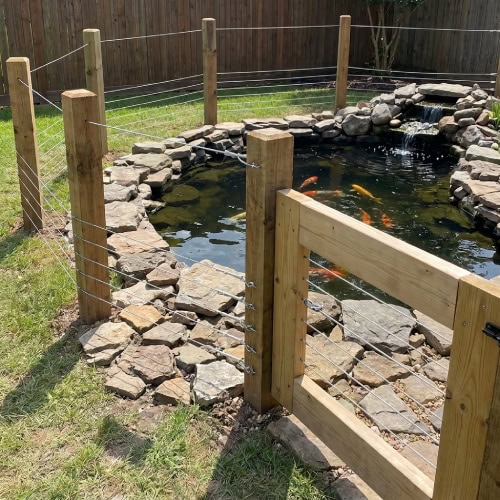
Set posts securely and use a layout intended for bears, with tightly spaced lower wires and enough height to discourage climbing. Close gaps at gates and uneven ground, since a bear will test the easiest route first.
Run the fence around the pond, food-storage area, fruit trees, and compost when they sit close together. A narrow enclosure around only the water leaves nearby rewards available.
Secure Pond Edges, Liners, and Aquatic Plants
Rebuild loose edging with stable, well-seated stones so bears cannot easily shift them while wading. Cover exposed liner edges with rock, gravel, or firmly planted margins, while keeping the fence outside the maintenance path.
Anchor plant baskets and containers so they do not float free when disturbed. If you maintain a wildlife pond, keep a safe route for smaller animals to leave the water, separate from the bear-exclusion perimeter.
Add Motion-Activated Deterrents
Motion-activated sprinklers, lights, alarms, and noise devices can startle a bear during an approach, buying time while your long-term barriers do their job. Position them along likely entry paths and near the pond perimeter, not where they spray directly into electrical equipment.
These tools work best when they create an unexpected response and when the pond offers no food reward.
Motion-Activated Sprinklers and Lights

- Humane Lawn & Garden Protection - Help protect lawns, gardens, flower beds, and landscaping from unwanted animal visitors with a...
- Heat & Motion Animal Detection - Using passive infrared sensing technology, the Yard Enforcer detects the movement of heat-producing animals...
- Day, Night & Always-On Operation - Choose from Day, Night, or Always-On modes to help tailor protection for the times when animal activity...

Aim a motion sprinkler toward the approach route, with its sensor adjusted to avoid frequent activation from small animals. A sudden water jet is useful around pond edges because it adds no harmful chemical to the water.
Lights and alarms can add another layer. BearWise notes that motion-activated lights, alarms, and sprinklers may temporarily deter bears, so use them to reinforce fencing and attractant control.
Why Deterrents Need to Stay Unpredictable
Rotate the location, timing, and type of motion deterrent after repeated activations. A bear that experiences the same harmless sound or flash in the same place can learn to ignore it.
Move a sprinkler along the fence line, change an alarm setting where practical, and avoid leaving a radio or light running continuously. Treat each device as a short-term interruption, not permanent pond security.
Which Repellents Are Less Reliable?

- LONG RANGE PROTECTION: This Mace bear deterrent spray protects from a safe distance with a powerful fogger pattern, giving you more time to...
- MAX STRENGTH FORMULA: Made with 20% OC wildlife safe formula for maximum heat and potency, helping deter attacks and giving you time to...
- ALWAYS BE PREPARED: Essential for hiking, camping, and hunting. Its potent formula and long range spray coverage offers reliable protection...
Scent products, decorative wind devices, and ultrasonic gadgets provide inconsistent protection around a high-value food attraction such as fish. Keep bear spray for an emergency encounter and never apply it to pond edges, fencing, trees, or other objects.
Pre-spraying surfaces can attract wildlife, because bear spray is a deterrent for close encounters, not a property repellent. Keep any chemical product away from pond water, fish, amphibians, and aquatic plants.
Respond Safely to Signs of Bear Activity
Fresh bear sign calls for calm action: keep people and pets away, remove remaining attractants, inspect barriers from a safe distance, and give the animal room to move on. Do not search brush, follow tracks, or confront a bear near the pond.
Repeated damage deserves prompt guidance from the wildlife agency responsible for your area.
How to Recognize a Recent Bear Visit
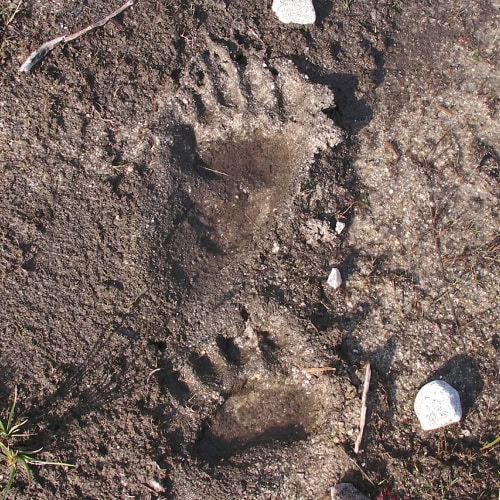
Look for large tracks, fresh scat, overturned rocks, flattened marginal plants, claw marks, damaged fencing, torn netting, and muddy water. Missing fish combined with disturbed pond edges points to a serious breach.
Fresh tracks, scat, diggings, and carcasses are signs that warrant extra caution, as outlined in these bear-awareness safety tips. Keep children and pets indoors until you know the bear has left the area.
Give a Bear a Clear Escape Route

- [DOG HORN XL = Extra Loud!] Can be heard up to a mile away! Recommended by Humane Societies, animal hospitals and top dog trainers. Keep...
- [STOP DOG FIGHTS and ATTACKS]: Scare dogs, coyotes, bears and other wild animals!
- [BE SAFE AND IN CONTROL ON DOG WALKS]: Stop pulling. Stop agressive dogs in their tracks! Breaks up unwanted pet confrontations & fighting!
If you see a bear near your pond, back away and leave it an open path away from people, dogs, and roads. Do not block access with vehicles, stand between a bear and wooded cover, or trap it inside a fenced space.
If you haze a bear from a safe location, use a firm voice, an air horn, or a car horn only when the bear has a clear route away. Never haze a cub, a bear already leaving, or a bear that would be driven toward danger.
When to Contact Local Wildlife Officials
Contact local wildlife officials when a bear repeatedly returns, damages structures, approaches people, appears injured or sick, or remains after safe hazing. You should also call when a bear becomes trapped inside a fenced pond area.
BearWise lists a bear approaching people, failing to leave after hazing, or showing agitation, illness, or injury as situations for wildlife-agency involvement in its bear encounter guidance. Keep your notes on dates, visible damage, attractants removed, and any photos taken safely from indoors.