
Summer is the season that tests every pond, no matter how well it ran in spring. Warm water simply cannot hold as much dissolved oxygen as cool water, and that single fact drives almost every summer pond problem you’ll encounter. As temperatures climb, fish metabolism speeds up, evaporation accelerates, waste breaks down faster, and algae gets every advantage it needs to take over.
None of this has to catch you off guard. A steady, observation-based routine, checking water parameters, watching fish behavior, and staying ahead of debris, prevents most of the emergencies pond owners dread in July and August.
This checklist walks through the twenty habits that matter most, from daily glances at the skimmer basket to weekly water testing. Follow them in sequence, and your pond stays stable even when the mercury doesn’t cooperate.
1) Run Your Pump, Waterfall, Or Fountain 24/7
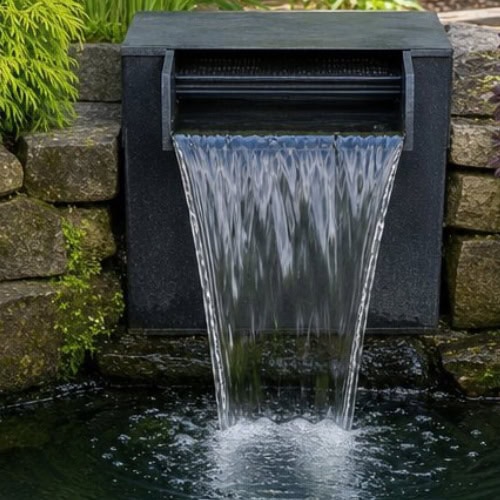
Continuous circulation is non-negotiable in summer. Every ripple at the surface exchanges gas and adds dissolved oxygen back into the water.
Shutting off a pump overnight, even briefly, lets warm water stagnate and oxygen levels crash. Keep water moving around the clock, especially in shallow ponds that heat up fastest and lose oxygen quickest.
2) Add A Dedicated Pond Aerator During Heatwaves
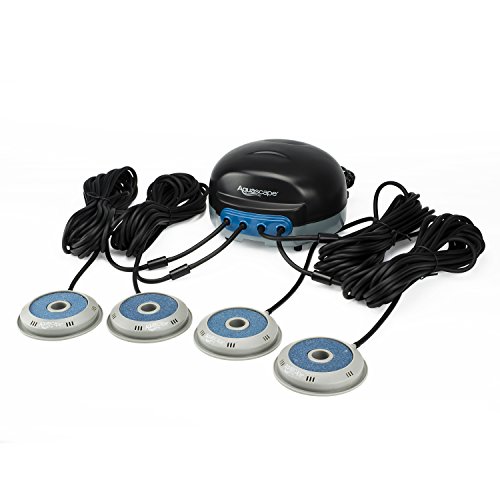
- Quiet and extremely energy efficient
- Durable outer housing prevents damage
- Simple to use and maintain
When daytime highs stay elevated for several days, a standalone aerator gives fish backup oxygen your pump alone can’t provide.
Run it overnight, when plants stop producing oxygen and consume it instead. Watch for fish clustering near waterfalls or gasping at the surface, that’s your cue to add aeration immediately.
3) Test Ammonia, Nitrite, pH, KH, And Nitrate Weekly
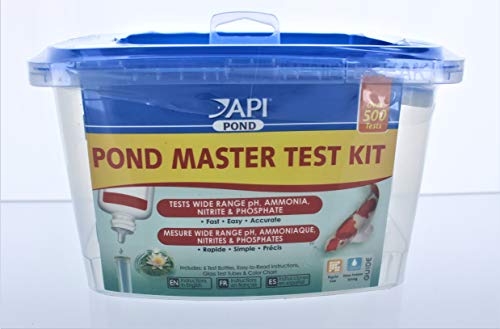
- Contains one (1) API POND MASTER TEST KIT Pond Water Test Kit 500-Test, including 6 bottles of testing solution, 3 color cards and 4 glass...
- Helps monitor water quality and prevent invisible water problems that can be harmful to fish
- Measures ornamental pond pH balance, Ammonia content, Nitrite levels and Phosphate content
Weekly testing catches problems before fish show symptoms. Aim for zero ammonia and nitrite, pH stable between 7.0 and 8.0, and nitrate below 40 ppm.
Low KH lets pH swing dangerously, so check it alongside pH. Keep a test kit on hand rather than guessing from water clarity alone.
4) Check Fish For Gasping At The Surface Each Morning
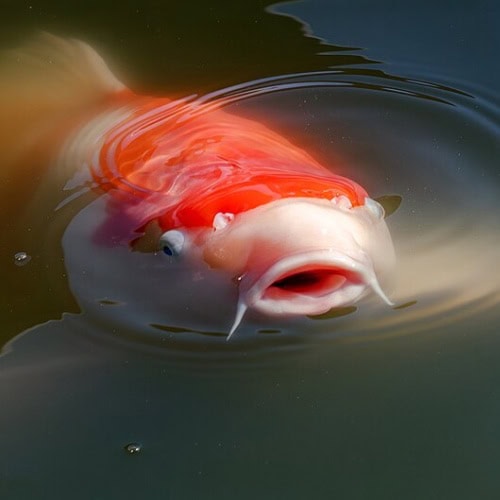
W.carter, CC BY-SA 4.0, via Wikimedia Commons
Mornings reveal oxygen deficits fastest, since dissolved oxygen bottoms out just before dawn. Fish gasping at the surface, hovering near waterfalls, or acting sluggish signal low oxygen.
This quick daily check takes thirty seconds and catches problems before they become emergencies during hot, still nights.
5) Top Up Evaporated Water Slowly With Dechlorinator

- Highly concentrated for maximum dechlorination, detoxification, and water conditioning
- Neutralizes chlorine, chloramines, chlorine deioxide without scavenging oxygen, as other dechlorinators do
- Non-toxic to humans, pets, and aquatic life
Ponds can lose several inches weekly to evaporation in peak heat. Always add dechlorinator when topping up with tap water, since chlorine and chloramine harm fish gills and beneficial bacteria.
Add water gradually rather than all at once, so temperature and chemistry don’t shift too fast for fish to tolerate.
6) Empty The Skimmer Basket Before Debris Breaks Down
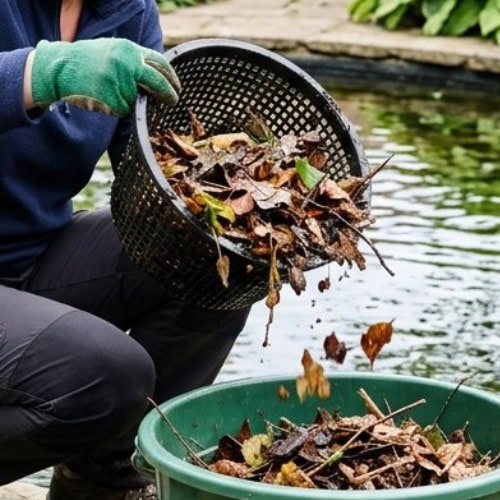
A full skimmer basket restricts flow and lets trapped leaves and debris decompose, releasing ammonia straight into your water.
Check it daily during summer, when organic matter accumulates fastest. This simple habit protects both your pump and your water quality with almost no effort.
7) Rinse Filter Pads In Removed Pond Water

Never rinse filter pads under tap water; chlorine kills the beneficial bacteria colonizing your biological filter.
Instead, swish pads in a bucket of water removed from the pond during a partial water change. This preserves the bacteria that convert ammonia and nitrite into safer compounds.
8) Keep 30 To 40 Percent Of The Surface Shaded
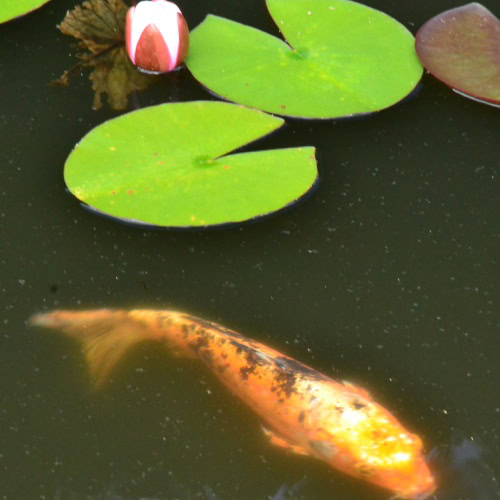
Shade from water lilies or floating plants blocks the sunlight that fuels algae blooms. Aim for 30 to 40 percent surface coverage, no more.
Too much shade stunts plant growth and reduces oxygen production, so balance is the goal rather than maximum coverage.
9) Thin Water Lilies And Water Lettuce Before They Overcrowd
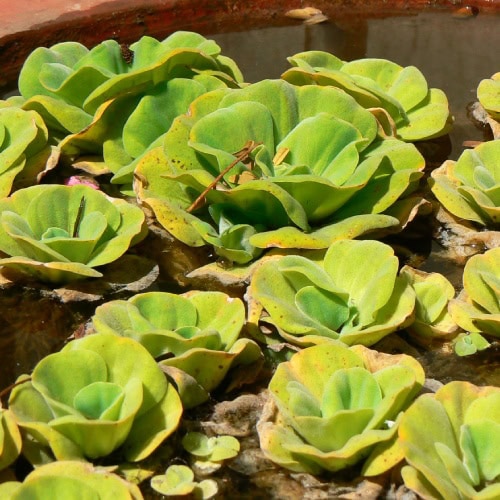
Fast-growing water lettuce and lily pads can double coverage within weeks during peak summer growth.
Thin them regularly to maintain that 30 to 40 percent shade target. Overcrowded plants block gas exchange at the surface and can suffocate fish during warm, still nights.
10) Remove String Algae Manually

- 【High-quality Material】-The Pond tent dome is made of anti-aging, anti-ultraviolet polyethylene (HDPE)material, which is resistant to...
- 【Reliable Fish Pond Protection】-The pond tent dome measures 220*152*135cm/86.61*59.84*53.15inch, and the mesh size is 0.5cm/0.2inch...
- 【Easy to Install and Use】-You will get 1* Pond Netting, 2* Sturdy fiberglass, 8* metal ground stakes, 4* Wind Ropes and 1* Storage bag...
Grab string algae near its base and pull, or twist it around a stick like spaghetti. Manual removal before it breaks down prevents the nutrient release that fuels the next algae bloom.
Reserve algaecide for ONLY stubborn cases, after physical removal has been tried first, as it can be very dangerous to fish, plants, and wildlife.
11) Add Beneficial Pond Bacteria to Top Up Populations

- POND BACTERIA BLEND: Our Microbe-Lift PL Beneficial Bacteria for Ponds is a potent blend designed to recondition your aquatic environment...
- COMPLETE POND SOLUTION: This 1.05 gallon container of Microbe-Lift PL contains a concentrated formula that treats large volumes of water. It...
- ENVIRONMENTALLY FRIENDLY FORMULA: Crafted with the environment in mind, our beneficial bacteria blend offers a secure alternative. This...
Heat and UV light naturally deplete beneficial bacteria populations faster in summer. Weekly doses replenish the colonies responsible for breaking down ammonia, nitrite, and organic waste in your biological filter.
Consistent dosing supports stable water parameters better than occasional large additions.
12) Feed Koi And Goldfish Once Daily In Cool Morning Hours
Feed once daily during the cooler morning hours, when oxygen levels are higher and fish digest more efficiently.
Warm water speeds fish metabolism, but overfeeding still causes more water quality problems than underfeeding. Offer only what fish consume within a few minutes.
13) Remove Uneaten Fish Food Within Five Minutes
Uneaten food sinks, decomposes, and consumes oxygen while releasing ammonia into the water column.
Net out anything remaining after five minutes rather than letting it settle. This simple rule protects water quality more than any filter upgrade or additive.
14) Net Out Leaves, Grass Clippings, And Floating Debris
Summer storms and lawn mowing send organic debris into ponds constantly. Net out leaves, grass clippings, and floating matter before they sink and decompose.
Decaying debris competes with fish for oxygen and adds nutrients that accelerate algae growth throughout the pond.
15) Vacuum Bottom Sludge Without Draining The Pond
A pond vacuum removes accumulated sludge and organic sediment without disturbing fish or draining water. Target this monthly during summer, when waste breaks down fastest.
Bottom sludge releases ammonia and fuels algae, so regular removal keeps nutrient levels manageable between seasonal cleanouts.
16) Inspect The Pump Intake And Impeller Weekly
Debris clogs pump intakes fastest in summer, reducing flow and oxygenation right when fish need both most. Check the intake screen and impeller weekly for buildup.
A struggling pump often shows reduced waterfall flow before it fails completely, so catch it early.
17) Check Auto-Fill Valves, Hoses, And Pond Edges For Leaks
Evaporation and leaks look identical from the surface, so inspect auto-fill valves, hose connections, and pond edges regularly.
A stuck float valve can overfill or underfill your pond silently. Catching a slow leak early prevents exposed pumps and stressed fish later.
18) Clean The UV Clarifier Quartz Sleeve And Replace Old Bulbs
A UV clarifier only works when light passes clearly through the quartz sleeve.
Wipe away mineral buildup monthly, and replace bulbs annually since UV output weakens over time even if the light still glows. This keeps free-floating algae cells under control.
19) Make Small Partial Water Changes to Combat Evaporation
Regular partial water changes, roughly ten percent weekly, dilute accumulating nitrate and replace trace minerals lost to evaporation.
Always dechlorinate new water first. Small, frequent changes stabilize parameters far better than infrequent large ones that shock fish with sudden shifts.
20) Record Water Tests, Treatments, And Fish Behavior In A Pond Log
A simple log tracking test results, treatments, and fish behavior reveals patterns invisible day to day.
Reviewing weeks of entries helps you spot slow parameter drift before it becomes a crisis. This habit turns routine maintenance into genuine long-term pond management.