
Weeds compete for nutrients, water, and space in your garden, making maintenance a constant challenge. Spending hours pulling weeds only to see them return within days is frustrating and honestly, a bit soul-crushing.
Ground cover plants offer a natural solution by forming dense mats that block sunlight and prevent weed seeds from germinating, so you’re not stuck forever in a loop of weeding and re-weeding.
Picking the right ground covers can turn those annoying bare patches into something you actually want to look at. These plants spread fast, keep out the riffraff (aka weeds), and add a bit of personality to your yard. Whether you’re after fragrant herbs or bursts of color, there’s something for every light level and soil type; plus, they look great while doing the heavy lifting for you!
1) Creeping Thyme (Thymus serpyllum)
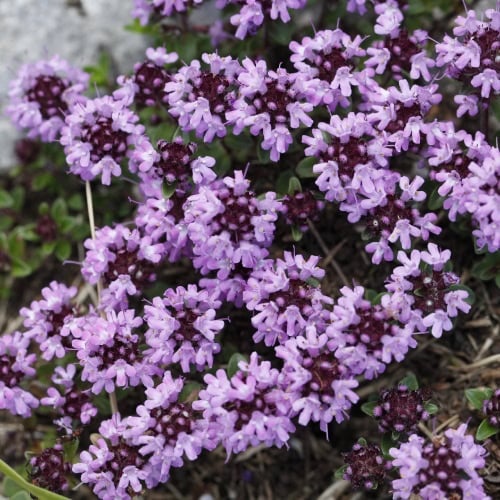
Creeping thyme forms a dense mat that keeps weeds at bay while making your garden look a bit more lively. This low-growing herb spreads quickly, covering those awkward empty spots where weeds love to pop up.
It gives off a nice fragrance when you step on it, perfect for pathways and spots that get a little foot traffic. The tiny flowers, which can be purple, pink, or white, also draw in beneficial pollinators.
Creeping thyme does best in full sun and well-drained soil. Once it’s settled in, there’s not much else you need to do.
2) Creeping Mazus (Mazus reptans)
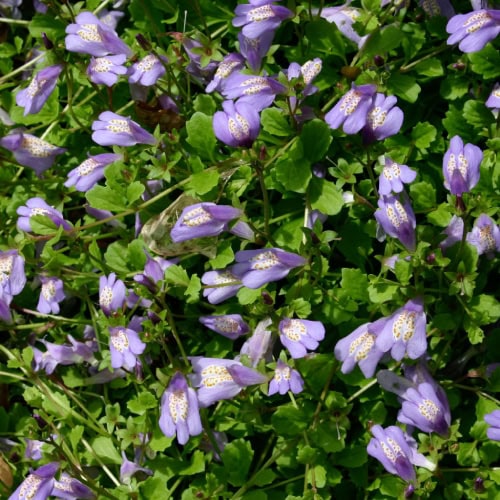
Creeping Mazus (Mazus reptans) is quick to settle in and even quicker to spread, thanks to wiry stems that root wherever they touch down. It knits itself into a thick mat, so weeds have a hard time getting a foothold.
Expect small leaves and delicate purple or blue flowers in spring. Creeping Mazus likes things on the moist side and is a good pick for tucking between stepping stones or along borders. It can handle some light foot traffic and isn’t too picky about soil.
3) Ajuga (Bugleweed)
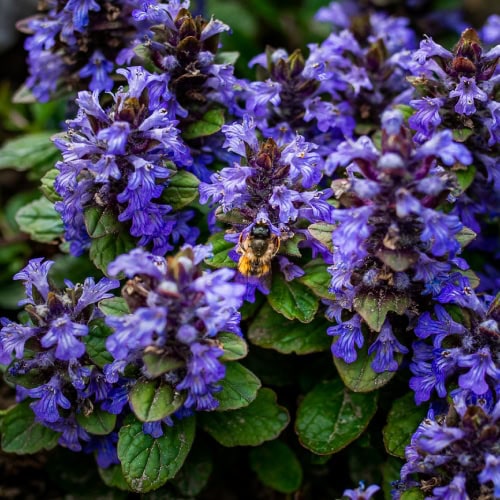
Ajuga reptans is a fast-spreading perennial that crowds out weeds with style. Its foliage comes in green, bronze, or purple, so you get a bit of drama in the garden, too.
When spring rolls around, you’ll see short spikes of blue flowers that pull in pollinators. Ajuga likes partial to full shade and moist soils, and it’s a real workhorse for filling in those bare, weedy spots.
4) Lilyturf (Liriope spicata)
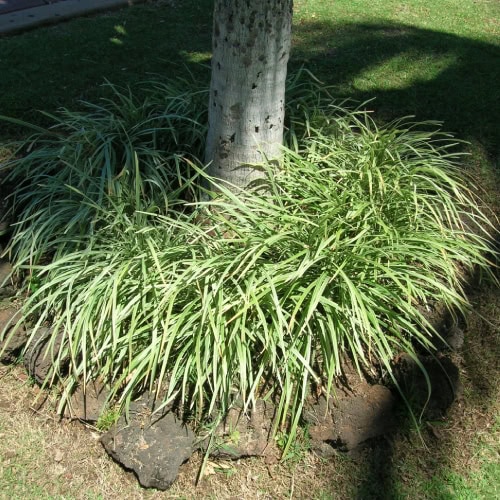
Liriope, or lilyturf (sometimes called monkey grass), forms thick clumps of grass-like leaves that smother weeds pretty effectively. It’s surprisingly adaptable, sun or shade, it’s not fussy.
In late summer, you get lilac flower spikes, and the evergreen foliage sticks around all year. Liriope doesn’t mind drought or heat, and once it’s in, you can mostly forget about it.
It’s a solid choice for borders, pathways, or those tough spots where nothing else seems to want to grow. You might actually enjoy how little attention it needs.
5) Vinca Minor (Periwinkle)
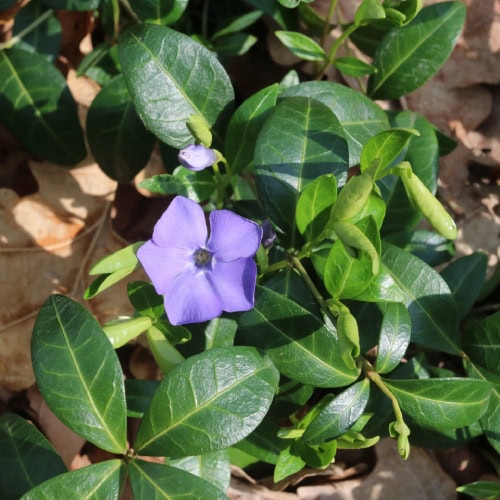
Vinca minor lays down a glossy, evergreen carpet that weeds can’t easily poke through. Blue or purple flowers show up in spring, and the greenery sticks around year-round.
It’s happy in both shade and sun, grows about six inches tall, and spreads quickly. Heads up, though, as vinca minor can get a little too enthusiastic in some regions, so check if it’s considered invasive in your area before planting.
6) Sweet Woodruff (Galium odoratum)
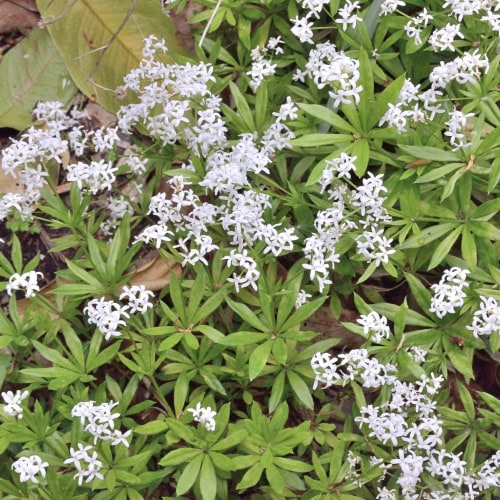
Sweet Woodruff is a go-to for shady spots where most ground covers just give up. You’ll get small white flowers in spring and fragrant green leaves that form a thick mat.
It spreads underground, so those bare patches don’t stand a chance. Give it moist, rich soil under trees, and it’ll fill out problem areas pretty fast, sometimes up to 18 inches in a single year.
7) Sedum (Stonecrop)
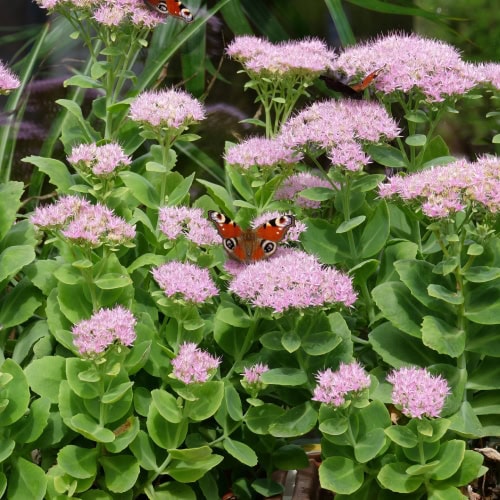
Sedum is a champ when it comes to weed suppression, thanks to its thick, spreading growth. It shrugs off poor soil and drought, making it perfect for those tough, dry spots in the yard.
The fleshy leaves form a tight mat, making it hard for weeds to break through. Most types stay under six inches tall and spread out to about two feet wide in no time.
Sedum’s low-maintenance, and the colorful foliage and star-shaped flowers keep things interesting all year. It does best in full sun and grows well in USDA zones 3-9.
8) Japanese Spurge (Pachysandra Terminalis)

Pachysandra terminalis, or Japanese spurge, is a shade superstar. This evergreen perennial forms thick mats that block sunlight from reaching weed seeds.
It spreads with underground rhizomes and surface roots, weaving a dense network that weeds can’t penetrate. Once it’s established, you barely have to fuss with it. If it starts to wander, just pull up the extra shoots. The foliage stays green all year.
9) Lamb’s Ear (Stachys byzantina)
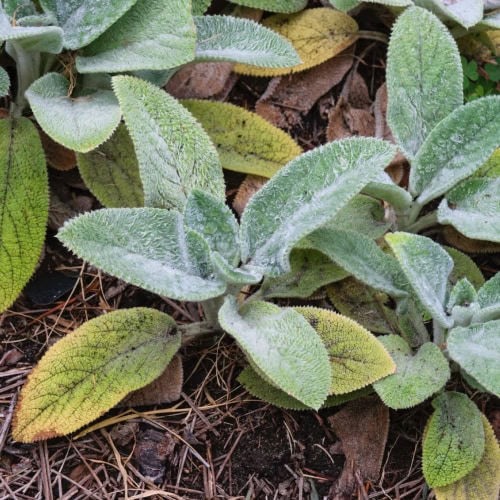
Lamb’s ear lays down a silvery, fuzzy mat that weeds can’t seem to get through. It stays low (just 4 to 6 inches tall) and likes full sun with well-drained soil.
Drought and poor soil don’t faze it, so it’s a great pick for low-maintenance gardens. The thick, soft leaves add texture and fill in spaces where weeds usually show up.
Lamb’s ear looks nice along borders or in rock gardens, and it spreads fast once it settles in.
10) Corsican Mint (Mentha requienii)
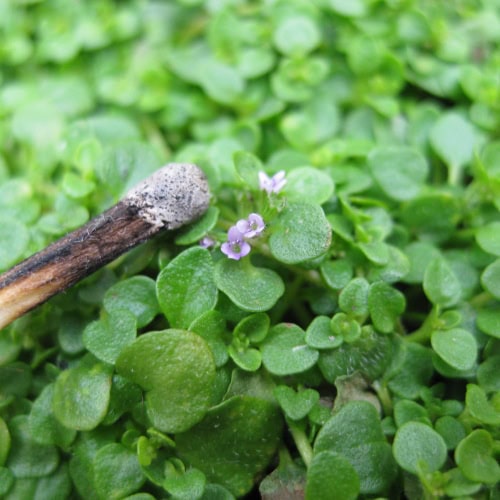
Corsican mint hugs the ground, forming a dense, aromatic mat that weeds struggle to invade. Walk on it, and you’ll catch a fresh scent, which is extra nice for pathways or tucked into lawn areas.
It prefers moist, shady spots and will quickly fill out to make a thick carpet. Since it stays super low, you won’t have to bother mowing it, and it’s a solid alternative to regular grass in the right spot.
11) Irish Moss (Sagina subulata)
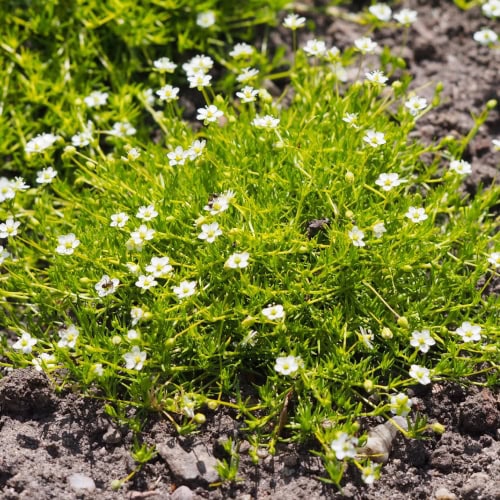
Irish moss creates a dense, cushiony mat that pretty much elbows weeds out of the way. It’s not a true moss, just a perennial in the carnation family, but it sure looks the part!
It works between stepping stones, along paths, or as a grass alternative where there’s only light foot traffic. You’ll get tiny white star-shaped flowers, and it likes full sun to partial shade with steady moisture.
The tight growth leaves weeds with nowhere to go, making it a good pick for those tricky spots.
12) Yellow Creeping Jenny (Lysimachia nummularia)
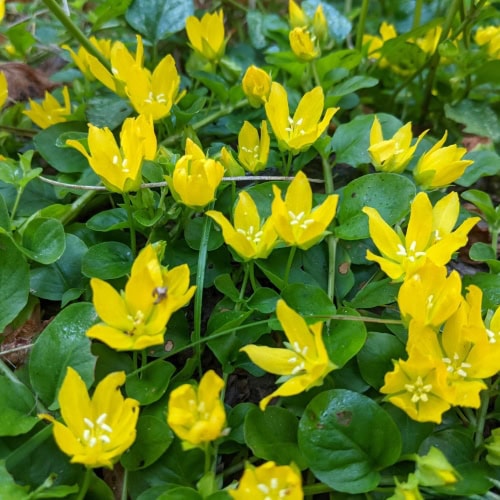
Yellow Creeping Jenny forms thick mats that leave weeds out in the cold. Long, trailing stems are covered in bright chartreuse leaves, and you get yellow flowers in summer for a bit of cheerfulness.
It likes moist, well-drained soil and will take sun or partial shade. In warmer places, it keeps its green color all year, so you always have some ground coverage.
13) Blue Star Creeper (Isotoma fluviatilis)

Blue Star Creeper forms a tight mat of tiny green leaves that weeds can’t break through. It spreads by runners and fills in gaps pretty fast.
You’ll see delicate star-shaped blue flowers from late spring into early fall. Blue Star Creeper adapts to sun or partial shade and isn’t too fussy about soil, as long as it gets regular water. It’s a handy lawn alternative or for tucking between stepping stones.
14) Heuchera (Coral Bells)
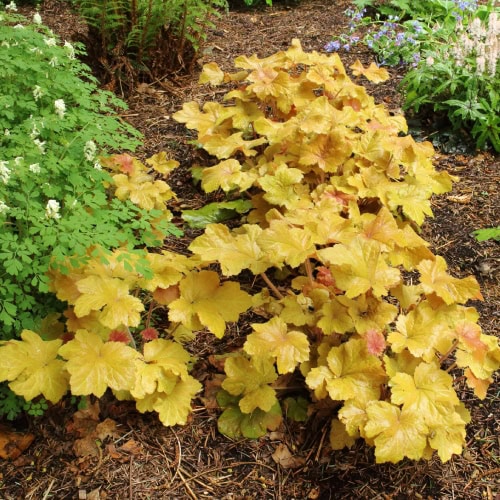
Heuchera forms neat, dense mounds that do a solid job keeping weeds out of shady garden areas. The woody crown and compact leaves make it tough for weeds to sneak in. The foliage comes in everything from deep plum and bronze to chartreuse and silver, so you get color all year.
Coral bells work along borders, in containers, or as ground cover in shade. They’re pretty low-maintenance and send up delicate bell-shaped flowers in spring.
15) Walkers Low Catmint (Nepeta × faassenii)

Nepeta, especially the ‘Walker’s Low’ variety, spreads out 2 to 3 feet per plant and forms dense clumps that crowd out weeds. You get aromatic gray-green leaves and lavender-blue flowers that keep blooming for ages.
Unlike most creeping covers, catmint is a bit more upright and billowy. It’s easy to care for and likes well-drained soil with sun or a bit of shade, so you’ve got options for where to put it.
16) Frogfruit (Phyla nodiflora)

Frogfruit is a vigorous native spreader, forming a low-profile, dense mat that naturally crowds out weeds. It thrives in moist soil and is excellent for rapidly filling in open areas.
As its stems creep along the ground, they root at every node, creating a resilient green carpet. It’s a perfect choice for planting between pavers or as a low-maintenance lawn alternative where you want a worry-free landscape.
17) Barrenwort (Epimedium spp.)
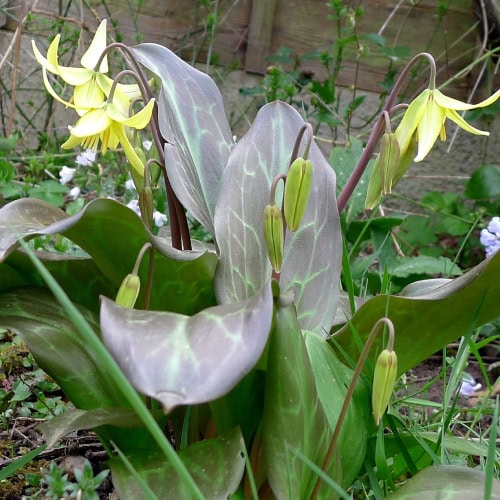
Epimedium, also called barrenwort or bishop’s hat, grows dense mats of heart-shaped leaves that keep weeds in check. This shade-loving perennial spreads steadily with rhizomes, so it covers ground and blocks out light for weed seeds.
It’s happiest in partial to full shade and doesn’t mind dry soil once it’s settled in. Spring brings delicate flowers, and the leaves (evergreen or semi-evergreen, depending on your climate) give you coverage most of the year.
18) Green and Gold (Chrysogonum virginianum)
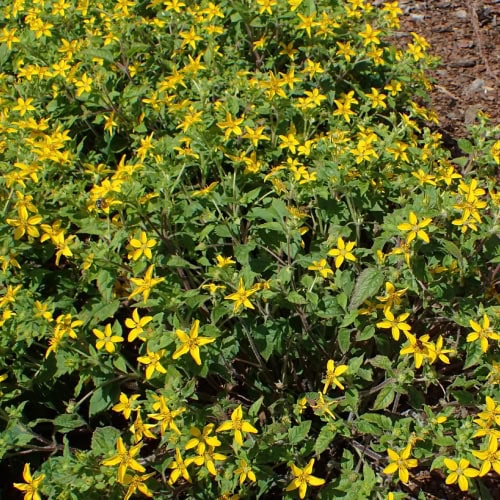
Green and Gold is a charming native spreader that creates a lush, low-growing carpet to keep weeds at bay. It flourishes in moist, well-drained spots and is quick to bridge gaps in your garden beds.
Its creeping stems root as they travel, establishing a sturdy, living mulch. It works beautifully along garden edges or tucked into woodland paths where you want a hardy, low-maintenance native solution.
19) Creeping Phlox (Phlox stolonifera)
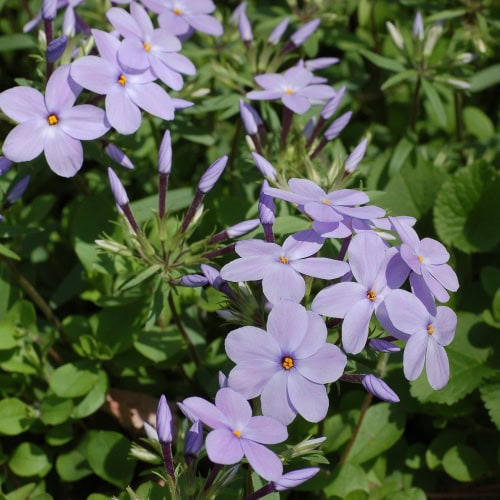
Creeping Phlox is a vigorous native spreader, creating a lush, evergreen mat that naturally chokes out weeds. It thrives in moist, woodland-style conditions and is quick to carpet bare soil with its dense foliage.
Wherever its stems touch the ground, they take root, forming a resilient and thick living barrier. It’s an ideal choice for garden borders or lining paths where you want a beautiful, low-maintenance ground cover that provides a stunning burst of spring color.
20) Partridgeberry (Mitchella repens)
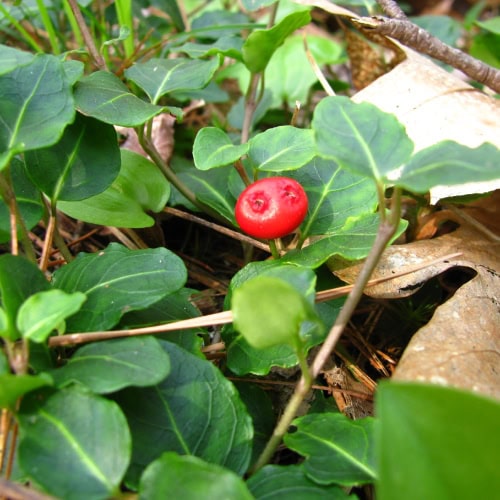
Partridgeberry is a steady native spreader that forms a beautiful, evergreen mat that helps keep weeds at bay. It thrives in moist, shaded spots and is perfect for creating a lush, low-profile carpet in woodland settings.
As its delicate stems creep along the forest floor, they root at the nodes to create a persistent and thick green barrier. It is an excellent choice for shaded borders or tucked under trees where you want a tiny, fuss-free ground cover that stays green all year long.