
Cats and houseplants are not always a peaceful pairing! If you are wondering how to keep cats out of plants, you’re likely dealing with a feline that sees your greenery as a jungle gym. Whether they are digging up soil or munching on leaves, learning how to stop cats from digging in plants is essential for a healthy home. This behavior is rough on your garden and risky for your pet, so making your space cat proof is a top priority.
There are several effective methods for protecting plants from cats that don’t require harsh chemicals. You can use physical plant protectors from cats like aluminum foil or decorative stones, or try a homemade cat deterrent spray with scents they dislike, such as citrus or vinegar. Another natural approach is to strategically place cat repellant plants like lavender or rue, which naturally discourage curious paws from getting too close.
This guide digs into practical ways to safeguard both your greenery and your pet. You’ll find deterrents that actually work, ideas for making your space less tempting, and a few tricks that might fit your situation better than you’d expect.
Effective Methods to Keep Cats Out of Plants
Use What Smells Keep Cats Away

Cats have strong opinions about certain smells. Citrus is a big one: orange, lemon, or grapefruit peels scattered around your plants can keep curious paws at bay. Just remember to swap them out every few days, since they dry up and stop working pretty quickly.
Coffee grounds are another easy trick. Sprinkle your used grounds right on top of the soil. Most cats will steer clear, and as a bonus, your soil gets a little nutrient boost over time.
Peppermint oil can work too, but go easy and just rub a bit on the outside of pots (not the plant or soil). Cats don’t like the smell and usually won’t bother coming closer.
Eucalyptus and lavender plants can help as well. They look nice and most cats don’t want anything to do with them. Still, don’t use essential oils directly on anything your cat might touch; some are toxic, and it’s just not worth the risk.
Try Commercial Cat Repellents and Bitter Apple Spray

- EFFECTIVE FURNITURE PROTECTION - Our enhanced cat deterrent spray prevents scratching and chewing behaviour, and we use a premium natural...
- VERSATILE INDOOR & OUTDOOR USE - This cat spray deterrent effectively divides cat activity areas indoors and outdoors, and precisely sprays...
- NATURAL INGREDIENTS, SAFE FOR PETS - Made with natural plant extracts such as lemon and citrus, the cat repellent spray is non-toxic and...
If you’d rather not DIY, there are plenty of commercial cat repellents out there. Look for ones meant for indoor plants, as usually they’re safe for both your greenery and your pets. A lot of them use orange or coconut scents, which cats tend to hate.
Bitter apple spray is another option. Spray it on pot edges or lower leaves; anywhere your cat’s likely to taste-test. You’ll probably need to reapply now and then, especially after watering.

Always test a new spray on a small spot first, just in case it messes with your plant’s leaves. Not all products play nicely with every plant type, so stick with stuff labeled as non-toxic and plant-safe.
Skip homemade sprays with cayenne, black pepper, or cinnamon. They can seriously irritate your cat’s eyes or stomach if they get it on their paws and then groom themselves.
Prevent Cats from Digging in Soil

If digging’s the main problem, physical barriers are your friend. Lay down sheets of aluminum foil on the soil, or even crumple it up and scatter it, and cats hate the texture and shininess.
Plastic forks stuck prong-side up make the soil pretty uninviting. Space them a couple inches apart. It looks a little odd, but it works, especially in bigger pots.
Pine cones can be surprisingly effective, too. Wash them off and pack them in close together. The uneven, poky surface is not a cat favorite.
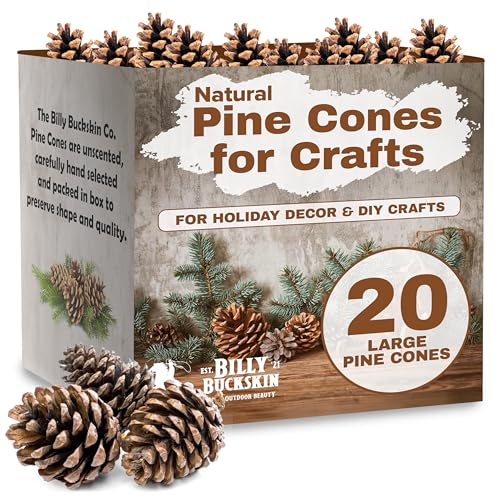
- NATURAL PINECONE ORNAMENTS FOR HOLIDAY DECOR & DIY CRAFTS – Add rustic elegance to your holiday season with these versatile, unscented...
- RUSTIC PINE CONES FOR CHRISTMAS DECOR & DIY PROJECTS – Bring cozy country charm to your holiday decorating with these naturally beautiful...
- LARGE, CLEANED PINE CONES FOR CRAFTS & HOLIDAY DECOR – Measuring 3" to 4" each, these premium-quality pine cones are ideal for...
If you’re up for a bigger change, try repotting in LECA clay pebbles instead of soil. Cats can’t really dig in them, and if a pot gets knocked over, cleanup’s way easier than dirt everywhere.
Another hack: take a clear plant saucer, flip it upside down over the soil, and cut a hole for the stem. It covers the dirt but still lets in light; simple but clever.
Utilize Hanging Planters and Out-of-Reach Spaces

Hanging planters are a game changer. If your plants aren’t on the ground, most cats won’t bother. Just make sure they’re hung high enough, as cats are athletic, and some can jump higher than you’d think.
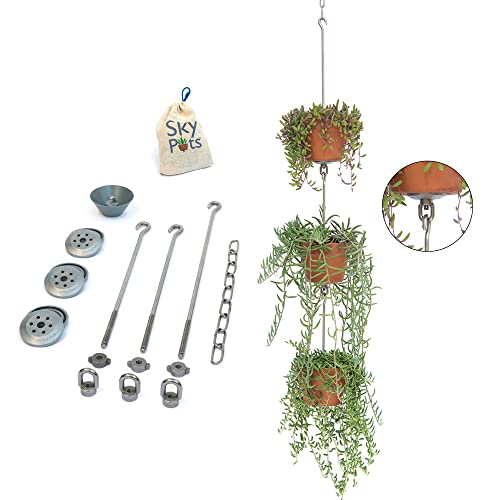
- USE YOUR OWN POTS -- Now you can hang and connect your everyday pots with SkyPots hanging kits. Vertically connect your pots or use patented...
- EASY TO ASSEMBLE -- Tighten kits in seconds around each pot's center drain hole to convert it to a SkyPots hanging pot. No tools required...
- CLOG-FREE DRAINAGE -- Drainable flanges ensure healthy soil and happy plants. Never again worry about standing water at the bottom of your...
High shelves or wall brackets work too, as long as they’re sturdy and out of jumping range. Aim for above six feet if your cat’s especially determined (and a bit of a daredevil).
Sticky deterrent zones are another trick. Flip contact paper so the sticky side’s up around your plant area, as cats hate how it feels on their paws, so they’ll usually avoid it. Replace it when it loses its stickiness, which happens faster than you’d hope.
If you can, group plants in a spare room or office that you can close off when you’re not around. It’s not fancy, but shutting the door does the job.
Cat-Safe Alternatives and Environmental Adjustments
Provide Cat Grass and Cat-Safe Plants

Cat grass is the go-to for plant-munching cats. It’s fast-growing and helps with digestion. You can grab a kit or just plant seeds in a shallow tray near a sunny window.
Keep fresh cat grass available so your cat doesn’t have to go looking for something else to chew. Swap it out every couple weeks, since it gets less tasty as it ages. Most cats like the younger, softer blades best anyway.
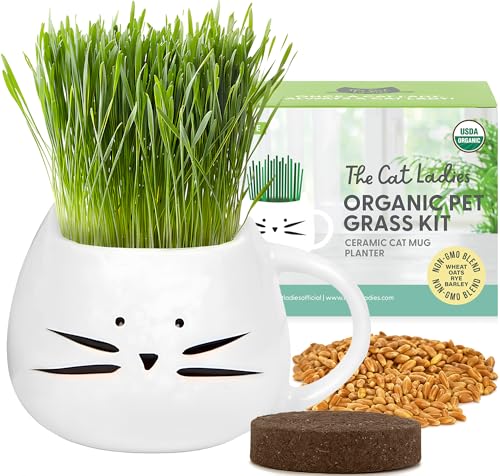
- Your Cat Deserves the Best: Our cat grass blend adds important nutrients to your cat’s diet, including wheat grass, oat, barley, and rye...
- Cat Plant Magic: Add a soil disk, a splash of water, and a sprinkling of seeds, and watch your cat grass planter kit sprout like magic. Read...
- Good for Cats, Good for All: Not only are our grow kits organic and GMO-free, but our cat grass for indoor cats deters them from eating...

Other options? Catnip, spider plants (they’ve got a mild stimulant effect), and valerian. These are all safe and tend to attract cats, so put them where your cat hangs out most.
Redirect Attention Away from Houseplants

Distraction goes a long way. Cat trees, window perches, and scratching posts give your cat more interesting places to explore than your prized monstera. Put them near windows or wherever your cat likes to hang out.
Puzzle feeders and treat toys keep your cat busy and tap into their hunting instincts, if they’re working for snacks, they’re not bothering your plants. Change things up every week or so to keep it fresh.
Set up a play area away from your plants and make time for regular play sessions, especially if you notice your cat gets into mischief at certain times. A tired cat is a well-behaved cat, or at least less likely to redecorate your living room with potting soil.
Choose and Position Cat-Safe Plants

Picking out plants that cats find unappealing, and making sure the dangerous ones are out of reach, goes a long way toward a pet-friendly indoor garden.
Rosemary, lavender, and lemon thyme are pretty reliable for this; their strong scents seem to keep most cats at bay. Put them somewhere visible and you’ll probably notice your cat steering clear.
Cat-Safe Plant Options:
| Plant Name | Appeal to Cats | Benefits |
|---|---|---|
| Spider Plant | High (contains mild compounds) | Safe if nibbled |
| Boston Fern | Low | Non-toxic, textured leaves deter some cats |
| Prayer Plant | Low | Safe, interesting leaf movement |
| Ponytail Palm | Moderate | Non-toxic, sturdy base resists tipping |
| Bamboo Palm | Low | Safe, tall growth keeps leaves high |
Toxic plants (think lilies, philodendrons, pothos) are best kept in rooms with doors you can actually close, or up on shelves that even the most athletic cat can’t reach.
Glass cabinets and terrariums let you enjoy your greenery without giving your cat access. For trailing plants, hanging planters are a solid bet; even the most persistent feline acrobat will probably give up after a few tries.
