
Growing houseplants doesn’t always mean dealing with soil, dirty pots, or endless fussing. Learning how to grow a plant in water is a fantastic way to simplify your routine while achieving a low-mess, modern look.
Plenty of popular inside water plants will actually thrive without soil, making it much easier to manage your greenery. When you focus on easy plants to grow in water, you can forget about common headaches like overwatering, underwatering, or pesky fungus gnats.
All you really need for these indoor plant diy projects is a clear container, the occasional water swap, and a spot with decent light. The trick to success is knowing which plants grow in water best; starting with a healthy stem cutting is usually much more effective than trying to transition a plant that is already rooted in dirt. Once you identify the best plants to grow in water and get your cuttings established, maintenance is minimal—simply refresh the water every couple of weeks and enjoy the view of the growing roots.
This guide covers the basics for setting up your own water-grown garden, providing a rundown of plants that do well in water so you can enjoy a lush, soil-free home with very little effort.
Essential Guide to Growing Indoor Plants in Only Water
Growing houseplants in water is a surprisingly tidy alternative to traditional potting. All it takes is a few cuttings, a couple of clean containers, and a little attention to water quality.
It’s important to pick plants that are naturally happy in water and keep their environment fresh and nutrient-rich enough to support new growth.
Selecting Ideal Plants for Water Growth
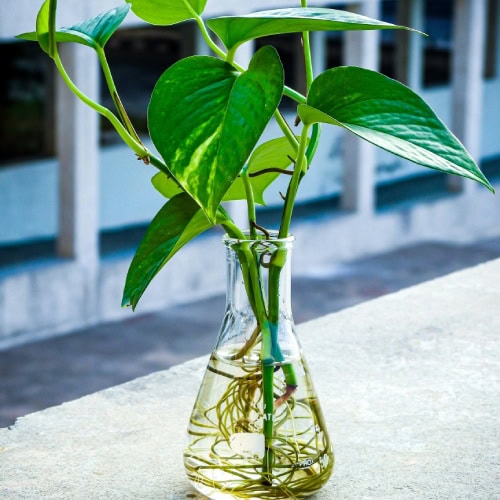
Some houseplants just aren’t cut out for water, but there are plenty that are. Pothos is a classic, as its vines root fast and can handle a range of light. Spider plants shoot out little “spiderettes” that root right in water and help clean your air at the same time.
Lucky bamboo’s another favorite for water or pebbles, and it adds some nice height to your water garden. Philodendrons (heartleaf, brasil, you name it) adapt well too. Peace lilies can make the switch, though you might have to feed them now and then if you want those white flowers to stick around.
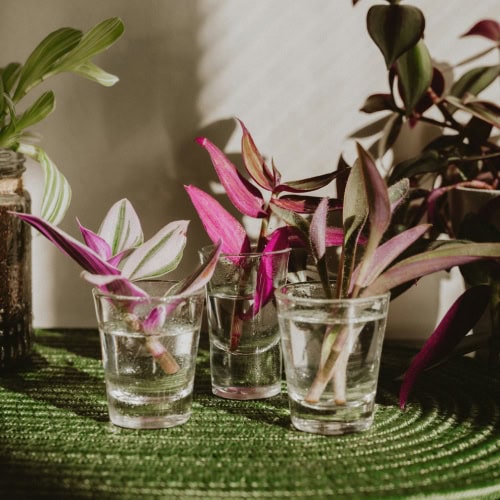
Other decent picks: English ivy, coleus, begonias, and wandering jew. Most of these share a few things in common, as they’ve got visible nodes on their stems, don’t mind indirect light, and can absorb nutrients through their roots in water.
How to Start and Propagate Cuttings in Water
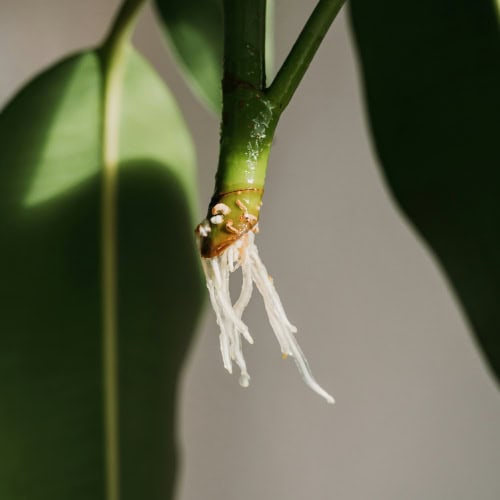
Snip healthy stems about 10 to 15 cm long, making sure each one has at least two nodes. Nodes are those little bumps where leaves grow out, as they’re where new roots will pop out. Use sharp, clean scissors and cut just below a node at a slight angle.
Strip off leaves from the lower third of the cutting so nothing rots below the waterline. Leave a couple leaves up top so the plant can still photosynthesize while it’s rooting. If there are any flowers or buds, pinch those off, as they just steal energy from root growth.
Check over your cuttings for any mushy or brown bits before dropping them in water. Healthy stems should be firm and green. Toss any that look sketchy! It’s not worth risking the whole batch.
Choosing Water Types and Preparing Containers
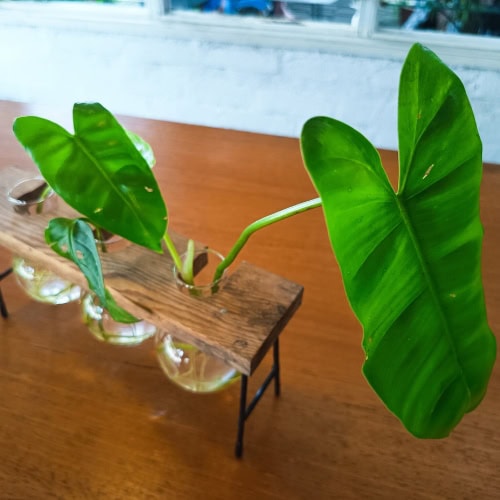
Most plants are fine with room temperature tap or filtered water, since they need a bit of minerals. Distilled water isn’t great, as it lacks minerals and can actually stress the roots. If you’re using well water, just make sure it’s not heavy on iron or sulfur.
Clear glass containers are handy for keeping an eye on roots and water clarity. Think vases, mason jars, or even old drinking glasses – just give them a good wash first. Try to pick something sturdy enough that it won’t tip once your plant gets top-heavy.
Fill your container so the nodes are covered but leaves stay dry. Leave a little space up top for air and to avoid spills. Opaque containers help with algae, but then you can’t see what’s happening with the roots; so, trade-offs.
Maintaining Healthy Water-Grown Indoor Plants

Swap out the water every week or two to keep things fresh and avoid bacteria. When you do, rinse out the container to get rid of any gunk or algae. If the water level drops and roots are exposed, just top it up between full changes.
Add a splash of diluted liquid fertilizer (the kind made for hydroponics is best) every month or so during the growing season. Water alone doesn’t have everything your plant needs long-term. Go easy, as quarter strength is usually enough.
Take a look at the roots now and then. Healthy ones are white or light tan and feel firm. If you spot any that are dark, mushy, or smell bad, snip them off with clean scissors. Yellow leaves? Just pull them off before they get gross.
Set your water garden somewhere with bright, indirect light. Direct sun can overheat the water and encourage algae. Turn the container every so often so your plant grows evenly instead of leaning toward the window.
Top Recommended Indoor Plants That Thrive in Water
Some plants are just built for water-based living; either they’ve adapted to it or they’re just that tough. Vining types like pothos and philodendron are the go-tos, but if you want something a little flashier, lucky bamboo or begonia are worth a look.
Most Popular and Easiest Species
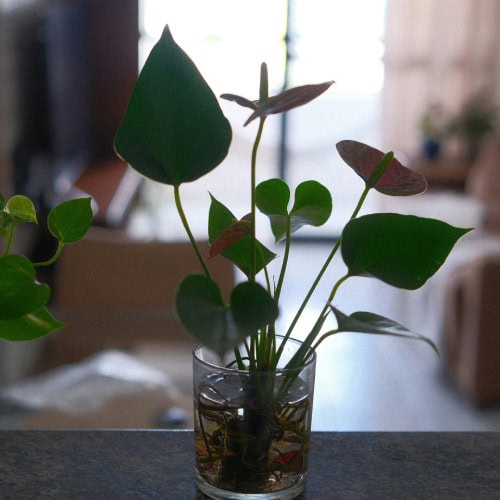
Pothos (Epipremnum aureum) is probably the easiest water-grown plant out there. Stick a cutting in water and roots show up in a week or two. It’ll put up with just about any light except direct sun, and you only need to change the water every week or so.
Philodendron (especially heart-leaf types) is right up there with pothos for reliability. Just snip a piece with a node, and roots will start forming before you know it. They’ll live in water for ages if you remember to feed them a little every month.
Spider plant (Chlorophytum comosum) throws out baby plants at the end of its stems, so just cut one off and stick the roots in water. The striped leaves look great, and it’s almost impossible to mess up.
Lucky bamboo (Dracaena sanderiana) is made for water – literally! Pop the stalks in a couple inches of water, maybe add some pebbles for looks, and swap out the water weekly. It’ll stay green and happy with very little effort.
Decorative and Uncommon Water-Grown Varieties
Begonia cuttings can make a really striking centerpiece thanks to their wild leaf colors. Rex and tuberous types will root from a single leaf, though you’ll need some patience, as it can take up to two months. Keep the water fresh or you risk rot.
Coleus (Plectranthus scutellarioides) is all about color, from deep purple to electric green. Six-inch cuttings root pretty quickly, and a bit of compost tea when you change the water can keep them looking lush.
Arrowhead vine (Syngonium podophyllum) changes shape as it grows, starting with arrow-shaped leaves and ending up with more dramatic lobes. Colors range from greens and whites to pinks and reds. Just cut below a node and give it some good, indirect light.
Sweet potato vine (Ipomoea batatas) gives you a cascade of heart-shaped leaves in wild shades. Stick a sweet potato half in water and vines will sprout in no time. These can get out of hand, so trim them back if they start taking over.
| Plant Type | Root Development Time | Light Requirements | Special Notes |
|---|---|---|---|
| Chinese Evergreen (Aglaonema) | 3-4 weeks | Low to medium indirect | Tolerates neglect well |
| English Ivy (Hedera helix) | 2-3 weeks | Bright indirect | Invasive if planted outdoors |
| Tradescantia (Inch Plant) | 7-10 days | Medium to bright | Requires regular pruning |
Care Insights for Specialty Water-Grown Plants

Monstera and other aroids can be a little demanding in water. Their aerial roots will adapt, but keeping the waterline just below the stem is key, otherwise, rot sneaks in fast. Swapping out the water every five to seven days helps, and as they shoot up, you’ll probably want to give them something to climb on. Trust me, they’ll take off if you let them.
Ti plant (Cordyline) and corn plant (Dracaena) look pretty striking in tall vases. They’re slow to root, sp give them about two months to settle in. During that time, weekly water changes are enough. I’d suggest trimming so just a couple leaves stay at the top; too many and the stems get stressed out.
Prayer plant (Maranta) is a bit particular about its water situation. Those patterned leaves really crave humidity (think above 50 percent) so bunching plants together or keeping them near a steamy kitchen or bathroom helps. Tap water can be harsh, so stick with distilled or at least dechlorinated water to avoid leaf drama.
Dumb cane (Dieffenbachia) shows off with big, bold leaves, but don’t forget, its sap can be nasty on your skin. Gloves are a must when you’re handling cuttings. Give it bright, filtered light, and go easy on the food. Half-strength hydroponic nutrients once a month is plenty.
Activated charcoal at the bottom of your jars or vases? Absolutely worth it. It soaks up gunk and keeps algae from taking over, especially in clear glass. Still getting green slime? Maybe try an opaque container, as sometimes blocking out the light is the only thing that works.