
For thousands of years, plants that mean protection have served as powerful symbols in rituals and everyday life. These protection plants carry deep plant meanings that go far beyond their appearance, often used as plants for spiritual protection to ward off negative energy.
Whether you are exploring Plant Magick or looking for specific plants for protection witchcraft, these species offer a unique connection to ancient folklore. Knowing which plants symbolize safety can help you choose meaningful additions for your home or garden. These protective plants reflect our long history of looking to nature for comfort and a sense of security.
1) Rose

The rose has been cherished for ages as a protective symbol across cultures. It pops up in spiritual rituals and old stories, where it’s said to fend off negative energy and offer emotional shelter.
Those thorns aren’t just for show, they’re the rose’s own defense, which adds to the flower’s reputation for protection. Giving someone roses? It’s not just about love; it’s almost like saying you want to keep them safe. The way the petals wrap around each other is a reminder that strength and vulnerability can go hand in hand.
2) Orchid
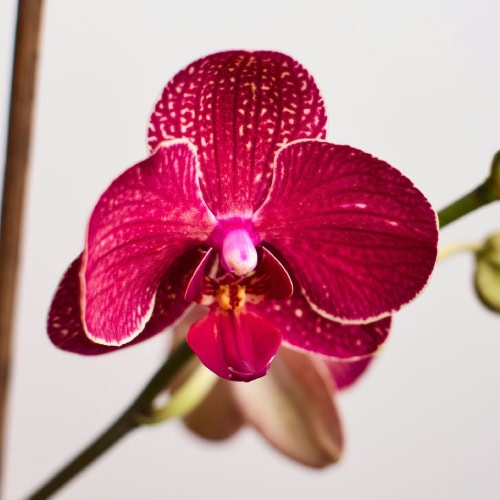
Orchids have this reputation for being both beautiful and tough, and that’s part of why they’re seen as protectors. All over the world, they’re believed to help keep negative energy at bay and support spiritual well-being. In some traditions, orchids are thought to ward off harm and help you keep your balance.
Want to add a little protective energy to your space? Try an orchid. They’re a quiet but steady reminder of resilience.
3) Sunflower
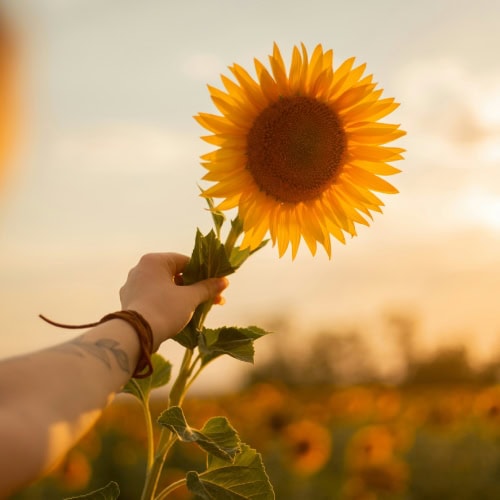
Sunflowers are reflections of the sun, but that connection gives them their protective vibe. These bright yellow blooms are said to push away negativity and invite in some good energy.
Watching a sunflower turn to follow the sun? It’s a little like watching hope in action. If you want to create a kind of sunny shield around your home or garden, sunflowers are a cheerful way to do it.
4) Chrysanthemum
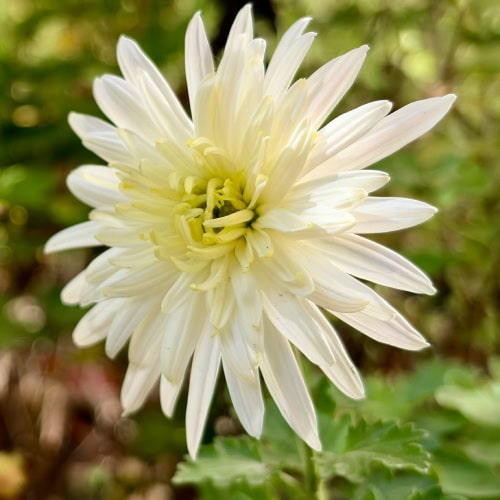
Chrysanthemums have a strong reputation for protection, especially in Asian cultures. In Japan, they’re a symbol of the emperor and safety for those under his care. During China’s Mid-Autumn Festival, you’ll spot chrysanthemums everywhere, meant to protect families.
They come in a rainbow of colors, from yellow to deep burgundy, and are linked with longevity and resilience. People often use them to keep bad vibes away and bring a little luck home.
5) Lavender

Lavender’s been a go-to protective herb for centuries. You can use this fragrant plant to keep out negative energy, bad luck, or even illness. The Romans loved it in their baths for cleansing, and folks have hung it in homes to chase away misfortune.
It’s tough, too, as lavender grows in places where other plants might give up, which kind of fits its role as a protector. Whether it’s in your garden or tucked inside, lavender’s a classic for creating calm, guarded spaces.
6) Holly

Holly’s sharp, glossy leaves and bright berries have made it a protective plant for centuries. People used to put it around their homes in winter to keep away evil spirits and even lightning. The leaves themselves are like nature’s own little warning sign, marking boundaries and keeping out trouble.
The red berries are all about life and vitality. If you want to lean into tradition, holly’s a solid choice for wintertime protection.
7) Basil
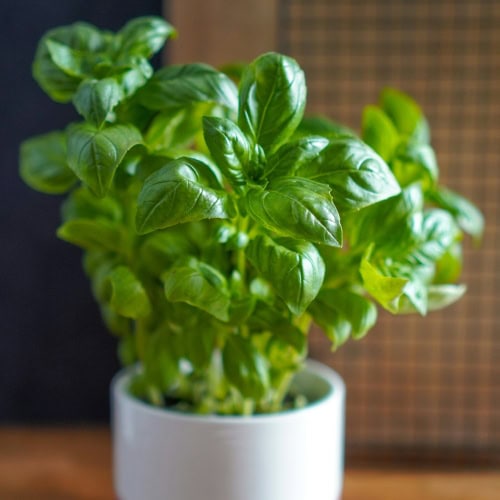
Basil’s been planted by doorways and in sacred gardens for ages to create boundaries between regular life and safer, special spaces.
Try keeping a pot of basil by your front door to ward off unwelcome energy. Or, if you’re the type to carry a little lucky charm, dried basil in a sachet works too. It’s also great for purifying a space and making things feel a bit safer.
8) Geranium
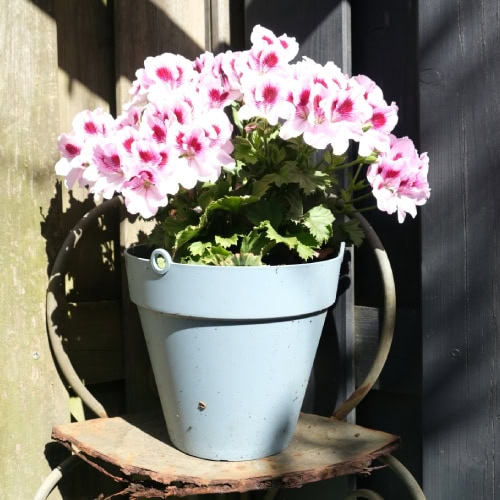
Geraniums have their own protective reputation. Red ones, especially, are linked to protection, while white geraniums were once thought to keep snakes and flies at bay.
Plant them near doors or windows for a splash of color and a dash of symbolic safety. They’re pretty, sure, but they’re also said to bring good health and guard your space.
9) Marigold
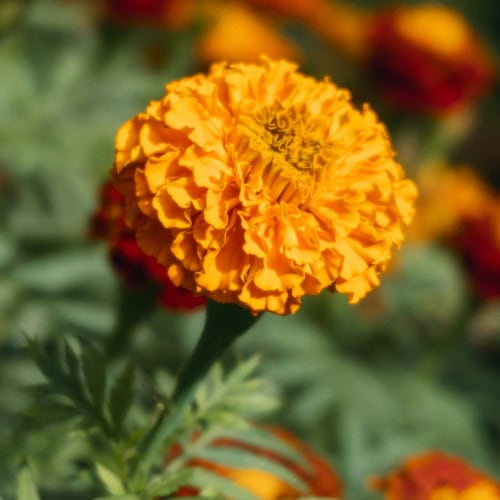
Marigolds, with their bright orange and yellow flowers, have been seen as protectors in all sorts of cultures. They’re believed to keep negative energies away and offer spiritual defense. Plant them near your entrance or windows and you’ve got yourself a little natural shield.
They’re not just for looks, as marigolds show up in rituals and ceremonies for their protective qualities, too.
10) Daisy
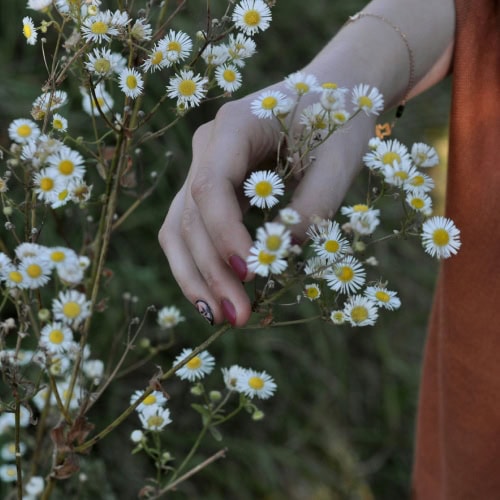
The daisy is about innocence and purity, and somehow that ties into protection; especially for kids. Those white petals? Safety. The yellow center? Like the sun, offering warmth and shielding.
You’ll see daisies used as symbols of peace and tranquility. They’re simple, but their gentle look hides some strong protective meaning.
11) Juniper
Juniper’s got a long history as a guardian plant. This evergreen is said to keep away bad energy and unwanted influences.
Juniper’s berries and fragrant leaves are used to create physical and spiritual barriers. For centuries, people have planted it near their homes to keep families safe.
It’s also known for its cleansing powers, as some folks use it to purify their aura and set the scene for spiritual work.
12) Sage
Sage has been considered a protective plant for ages. The Romans even called it holy and used it in ceremonies for purification. Its name, Salvia, actually comes from the Latin for “to save” or “to heal.”
Burning sage to clear out negative energy is still popular. Some people like to carry a little sachet of dried sage for a personal shield.
13) Eucalyptus
Eucalyptus has a reputation for protection, thanks to its silvery-green leaves packed with purifying compounds. It literally cleans the air around it.
You can put eucalyptus branches near doors or windows to create a protective barrier. Its antimicrobial qualities make it practical, and it’s said to keep out negative influences as well.
14) Aloe Vera
Aloe vera’s been called the “plant of immortality,” and it’s been used for protection in various cultures for thousands of years. Place it in your home and it’s said to help ward off bad energy and boost spiritual protection.
It’s also linked to feminine energy and the moon, which adds to its symbolism. Aloe is often seen as a bringer of prosperity and good fortune, too.
15) Peace Lily
Peace lilies are like gentle guardians, especially in Feng Shui. Put them by the door or in a corner, and they’ll help keep negative energies out while encouraging positive vibes to flow.
They’re also known for cleaning the air, which is a nice bonus. Peace lilies offer a sense of calm and balance, making your space feel just a bit more protected.
16) Snake Plant
Snake plants, with their tall, sword-like leaves, are famous for keeping negative energy at bay. This sturdy plant is said to help create a positive atmosphere and block out unwanted influences. They’re also great at filtering toxins from the air.
In some spiritual circles, snake plants stand for strength and protection. Place one near your entryway or living room and it’s like setting up a silent, green guard.
17) Ivy
Ivy’s been seen as a symbol of protection in all sorts of traditions. This evergreen climber is said to keep out negative energy and stands for resilience. Its ability to survive tough times adds to its protective reputation.
Let ivy grow around your space for a sense of safety and stability. Its clinging nature is a reminder of steadfast defense; hanging on and keeping what matters most shielded.
18) Foxglove
Foxglove has a mysterious edge, often linked to protection from bad spirits and negative forces. Folklore says planting it near your home can keep away ill fortune and even supernatural trouble.
Carrying a sprig of foxglove is thought to bring spiritual protection; just be careful, since it’s highly toxic. There’s also a connection to fairy tales, where the fae would look out for those who respected the plant.
19) Carnation
Carnations have been used as protective symbols for a long time. In some magical traditions, red carnations in the garden are said to push away negative energy, while white ones in the window keep harmful influences out.
In Spain, carnations are seen as divine, standing for strength, protection, and healing. Their toughness and resilience make them a fitting symbol of safeguarding. Try hanging dried carnations over your doorway or adding petals to a protection sachet for a little extra luck.
20) Oleander
Oleander has this reputation as a guardian plant in protective traditions, probably thanks to how toxic it is. It’s an evergreen shrub that really does best in warm places, and those vibrant year-round blooms can brighten up almost any landscape.
Folklore leans into the idea of oleander as a symbol for protection and warding, maybe because its poisonous qualities have been used to keep boundaries safe in the past. Still, it’s not a plant to mess around with, as every part is toxic, even after it’s dried out, so handle it carefully.