
Summer wildflowers that keep blooming all summer long can bring a burst of color and energy to your garden, not to mention a little extra help for local wildlife. These colorful wild flowers are usually well-adapted to their native spots, which means you won’t have to fuss over them like some of the more delicate ornamentals. If you are looking for wildflower garden ideas, incorporating these hardy blooms is a great way to create a wild flowers meadow that provides essential resources for pollinators like bees and butterflies.
By picking specific types of wildflowers with long bloom periods, you’ll get a garden that’s lively and low-maintenance while supporting beneficial wildlife. Whether you prefer common wild flowers that feel familiar or want to plant soft, cozy flowers to create a relaxing outdoor sanctuary, there is a perfect variety for every spot.
Here’s a lineup of native species that are known for reliable, non-stop color from early summer into fall. Each one brings something different to the table, whether it’s height, color, or just a knack for thriving in tricky spots.
1) Purple Coneflower (Echinacea purpurea)
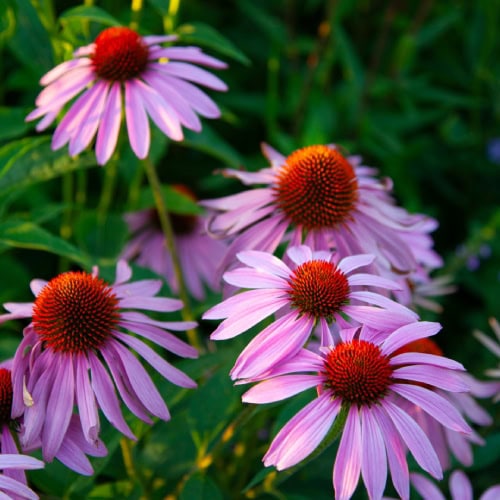
Purple coneflower is a classic North American perennial, throwing out loads of big, daisy-like blooms from mid to late summer. The flowers are hard to miss! 2 to 4 inches across, with those signature purple-pink petals drooping around a raised bronze cone.
Honestly, it’s tough to mess this one up. Give it full sun, and it’ll handle drought like a champ. Butterflies, bees, and other pollinators will be regular visitors while it’s in bloom.
2) Black-eyed Susan (Rudbeckia hirta)
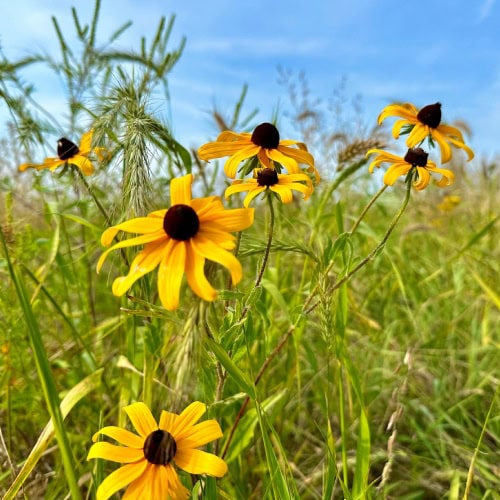
Black-eyed Susan is all about those cheerful yellow petals and bold, dark centers (think daisies but with a little more attitude). You’ll get flowers from early summer right into fall, so the color just keeps coming.
Stick it in full sun and it’ll do its thing with barely any help. It’s not picky about soil and shrugs off dry spells. The stems are sturdy, too, so you won’t be dealing with floppy plants.
3) Blanket Flower (Gaillardia pulchella)
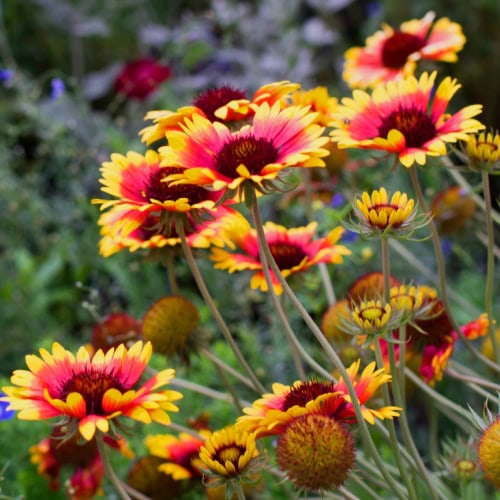
Blanket Flower is like summer on a stem; fiery shades of red, orange, and yellow that just don’t quit. This native wildflower is a breeze to grow, especially if your garden gets hot and dry.
It tops out around two feet and is a magnet for bees and butterflies. Expect blooms from June to October, maybe even longer if you’re somewhere warm.
4) Coreopsis (Coreopsis spp.)
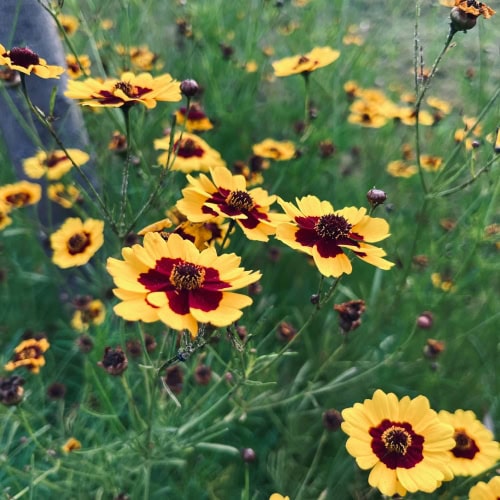
Coreopsis (or tickseed) is a go-to for nonstop color. The flowers come in sunny yellows, oranges, reds, and pinks, and they just keep going from early summer until frost.
There are both perennial and annual types, most standing between a foot and three feet tall. Bees and butterflies love them, and deer usually leave them alone. Not a bad deal for a pollinator garden.
5) Bee Balm (Monarda didyma)
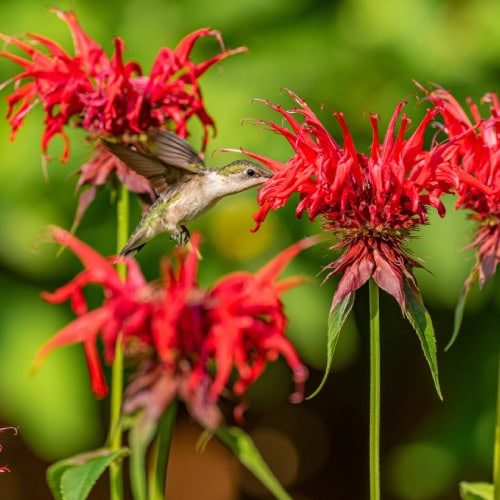
Bee Balm’s bold red blooms stand out from late spring right through early fall. It’s a North American native that can hit four feet if it’s happy, especially in moist soil.
The tubular flowers are irresistible to hummingbirds, butterflies, and bees. The leaves have a minty scent, so you get fragrance as a bonus. Deadheading will keep the flowers coming.
6) Ironweed (Vernonia noveboracensis)
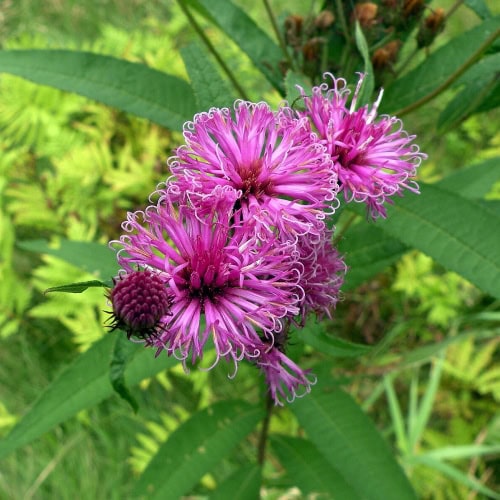
New York Ironweed is a showstopper when it’s in bloom with clusters of fluffy, deep purple flowers from mid-summer through early fall. It’s a tall one, often hitting 5 to 7 feet, and those sturdy stems hold up well.
It likes moist, rich soil and full sun. Butterflies and bees will be all over it during its flowering stretch.
7) Lanceleaf Tickseed (Coreopsis lanceolata)
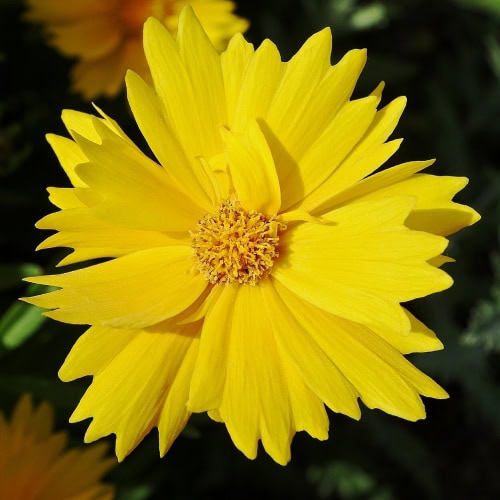
Lanceleaf tickseed is another bright yellow bloomer, with daisy-like flowers from late spring into midsummer. Each flower is about two inches across, with toothed petals around a yellow center.
Deadhead spent blooms to stretch out the season. This one’s happiest in sandy or dry soils, full sun, and needs very little intervention. Bees and butterflies can’t resist.
8) Wild Bergamot (Monarda fistulosa)
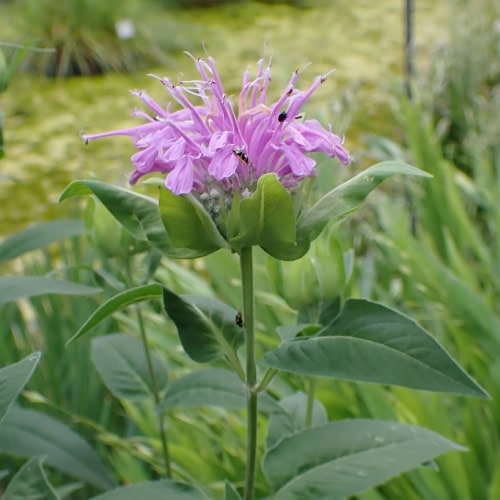
Wild Bergamot has those cool lavender to pink flowers that pop up from June through September. It grows 2 to 4 feet tall and likes well-drained soil with a good dose of sun.
Bees, butterflies, and hummingbirds will notice it right away. The aromatic leaves and rounded flower heads make it a nice fit for prairie gardens, meadows, or just tucked into a mixed border.
9) Yarrow (Achillea millefolium)
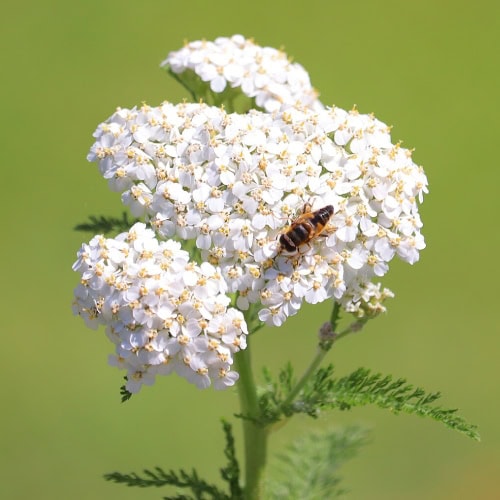
Yarrow’s flat-topped clusters of tiny blooms show up from late spring into early fall, in colors ranging from white and pink to yellow, red, and purple.
It’s a tough little perennial, usually a foot or two tall, with feathery leaves. If you’ve got a spot where other plants struggle, yarrow might just thrive there. Butterflies, bees, and even parasitic wasps will drop by all summer.
10) Blue False Indigo (Baptisia australis)
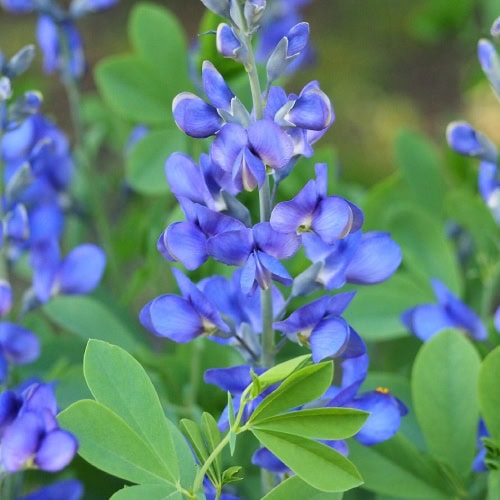
Blue False Indigo puts out spikes of deep blue flowers in late spring to early summer, so, not the longest bloomer, but the show is worth it. The flowers stick around for a few weeks at their peak.
It grows 3 to 4 feet tall, with blue-green foliage that still looks good after the blooms fade. As it matures, it takes on a shrubby shape and produces cool seedpods later in the season.
11) Indian Paintbrush (Castilleja spp.)
Indian Paintbrush is hard to miss, with its vivid bracts in reds, oranges, yellows, or pinks. It usually blooms from late spring into early summer, especially in open meadows and prairies.
It’s a bit of an oddball since it’s partially parasitic, drawing nutrients from neighboring grasses and wildflowers. Give it lots of sun and medium-dry to medium-wet soils and it’ll do just fine.
12) Butterfly Weed (Asclepias tuberosa)
Butterfly Weed is a summer workhorse, covered in orange flower clusters from early summer into fall. It handles dry, poor soils without much fuss.
Pollinators, especially monarchs and swallowtails, love this plant. As a bonus, it’s a host plant for monarch caterpillars, so you’ll be helping out the next generation.
13) Wild Lupine (Lupinus perennis)
Wild lupine brings tall spikes of blue to purple, pea-like flowers in late spring and early summer. The bloom lasts about a month, but it’s a welcome sight while it’s there.
It likes sandy, well-drained soils and can reach up to two feet. Even after flowering, the unique leaves keep things interesting. Wild lupine also helps improve poor soils by fixing nitrogen.
14) Wild Indigo (Baptisia tinctoria)
Wild Indigo offers up bright yellow, pea-shaped flowers in June and July. It’s a perennial that grows 2 to 3 feet tall with a rounded, bushy look.
It’s happiest in sandy, acidic soil and doesn’t mind dry spells. After flowering, the plant develops black seed pods that hang around into late season.
15) Partridge Pea (Chamaecrista fasciculata)
Partridge Pea is an annual that brings a sunny pop of yellow with red-centered flowers from early summer until frost. It grows one to three feet tall, with delicate, ferny foliage that looks great all season.
Full sun and well-drained soil are all it asks for. Bees and butterflies love the blooms, and birds snack on the seeds in fall.
16) Spotted Horsemint (Monarda punctata)
Spotted Horsemint is a bit of a conversation starter, with its stacked whorls of cream to yellow tubular flowers, dotted with purple, and surrounded by pinkish-lavender bracts. It blooms from late spring into fall.
This drought tolerant perennial is about 1.5 to 2 feet tall and spreads out in clumps. Sandy, well drained soils and plenty of sun suit it best. Bees, wasps, and butterflies will all show up for the flowers, and the aromatic foliage is a nice touch.
17) Missouri Evening Primrose (Oenothera macrocarpa)
Missouri evening primrose stays low (just 6 to 12 inches) but makes up for it with huge, bright yellow blooms that open in late afternoon and last only a day. Blooms appear from May through August.
It’s right at home in full sun and rocky or clay soil. This perennial shrugs off drought and looks at home in limestone glades or open prairies. Not much work required.
18) Prairie Blazing Star (Liatris pycnostachya)
Prairie Blazing Star sends up dramatic purple flower spikes that bloom from top to bottom in midsummer. It grows 2 to 4 feet tall and likes full sun and well-drained soil.
The dense spikes are a magnet for bees, butterflies, and hummingbirds. It’s drought tolerant and doesn’t mind a bit of clay, either.
19) Wild Senna (Senna hebecarpa)
Wild Senna delivers bright yellow blooms from mid to late summer, usually in July and August. This herbaceous perennial can stretch up to 6 feet, with compound leaves that add texture.
Bees and butterflies will be regulars while it’s flowering, and the dark seed pods that follow give some winter interest, and even feed larger birds like wild turkeys.
20) Sneezeweed (Helenium autumnale)
Sneezeweed is one of those native perennials that can shoot up anywhere from 3 to 5 feet tall, especially if it’s got moist soil to sink its roots into. Its bright yellow, daisy-like flowers start popping up in late summer and hang around into early fall, right when most other blooms are fading out. It’s a nice way to keep some color going when you least expect it.
This plant really prefers full sun and doesn’t mind if things get a bit soggy. The masses of blooms are a magnet for bees and butterflies, so if you’re hoping to see more pollinators flitting around, sneezeweed’s a solid pick. Plus, it helps out with wildlife habitat during those cooler months when options are getting slim.