
Winter doesn’t have to mean a garden stripped of color. Sure, a lot of plants go dormant when it’s cold, but plenty of flowers actually thrive in winter and bring vibrant blooms just when you need them most. These cold-weather bloomers can turn your yard into something magical, even on the darkest, chilliest days.
From dainty bell-shaped blossoms to bold flowering shrubs, winter flowers come in all sorts of shapes and sizes. You might go for low-growing ground covers poking through the snow, evergreen shrubs with flashy berries, or early spring bulbs that push up before winter has even let go.
If you know which flowers perform best in the cold, you can keep your garden looking interesting all season long!
1) Snowdrops (Galanthus)
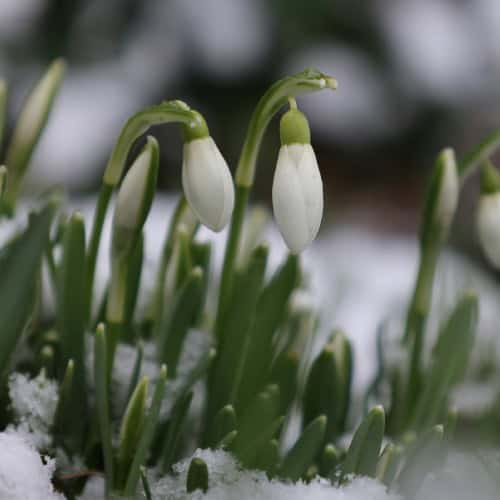
Snowdrops are some of the first flowers to show up, sometimes while there’s still snow on the ground. These little bulbs only reach about 4 to 8 inches tall and have delicate white, nodding flowers with subtle green marks on the inside petals.
Plant the bulbs in fall and you might see blooms as early as February. They’re happy in shaded spots and borders, and honestly, once they settle in, they don’t ask for much. Galanthus nivalis is the one you’ll see most often, but there are about 20 species out there.
2) Camellias
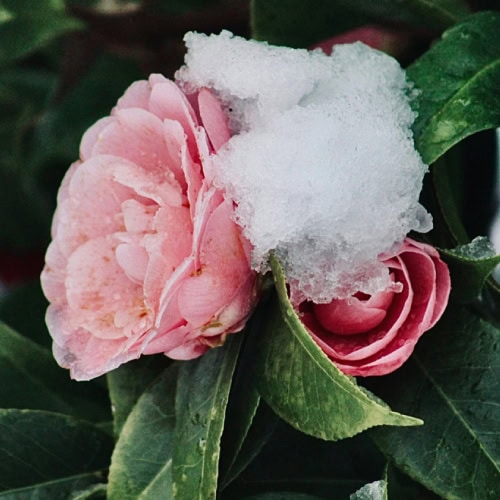
Camellias put on a real show during the coldest months, just when you think nothing will bloom. These evergreen shrubs have glossy leaves all year, but from December through March, they burst with elegant flowers in white, pink, or red.
They’re a good pick for USDA zones 7 and up, though some tough varieties can handle even cooler weather if you give them a little shelter from frost and wind.
3) Winter Jasmine (Jasminum nudiflorum)
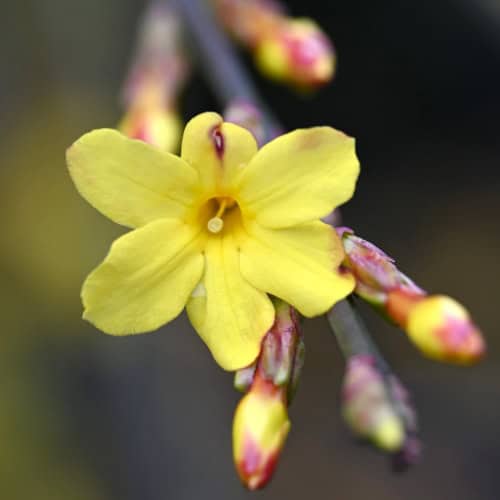
Winter jasmine lights up bare winter branches with bright yellow flowers in late winter and early spring. It comes from China and sometimes blooms even with snow still on the ground.
You’ll notice the flowers arrive before the leaves, which is actually why its scientific name means “naked flowering.” It likes full sun or partial shade and does well against walls or up a trellis. Unlike most jasmines, it doesn’t have a scent, but it makes up for that with serious cold hardiness and reliable winter color.
4) Hellebores (Christmas Rose)
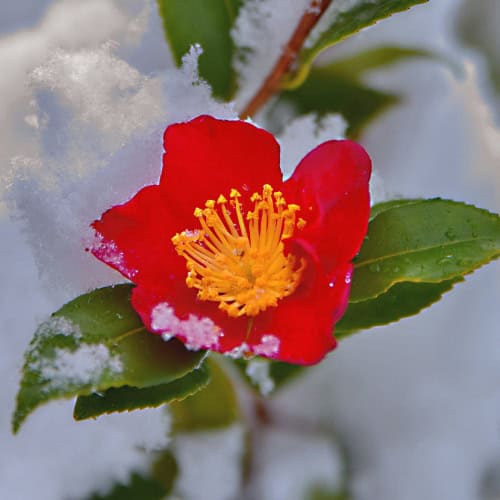
Hellebores are perfect for adding a pop of color to your winter garden when everything else is snoozing. These hardy perennials have cup-shaped flowers in white, pink, purple, and sometimes nearly black, starting in late winter and continuing into spring.
The blooms are usually 2 to 3 inches across, and the plants themselves get about a foot tall, maybe a little more. They’re great for shady spots, and deer don’t seem to bother them, which is always a bonus.
5) Witch Hazel (Hamamelis)
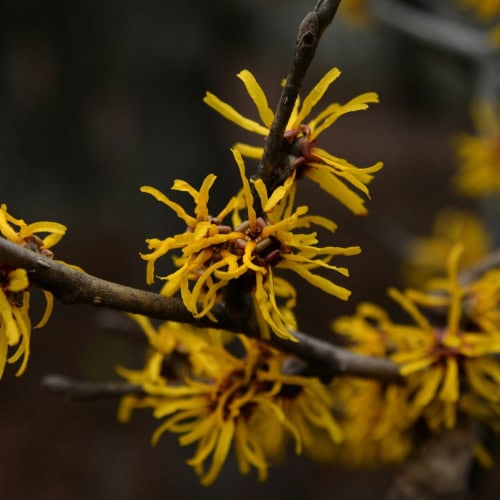
Witch hazel is kind of a rebel, as it blooms when everything else is asleep. This deciduous shrub puts out spidery, fragrant flowers in yellow, orange, or red from late fall through winter, depending on the type.
The blossoms have a light, citrusy scent that’s lovely indoors if you bring in a few branches. You’ll see these cold-hardy flowers along bare twigs, and they don’t seem to mind freezing temps.
6) Pansies
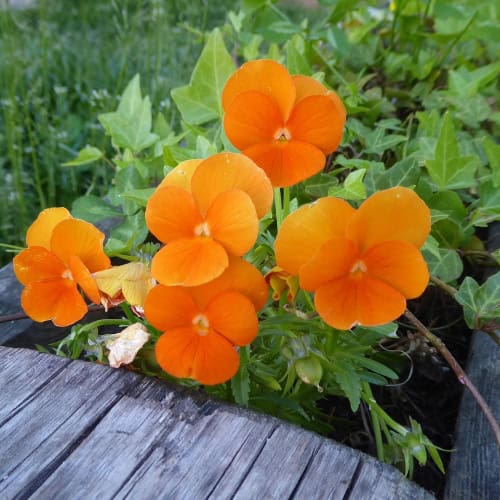
Pansies are classic cool-weather flowers, and they actually do well in cold conditions, even when it’s freezing. Plant them in fall and, in zones 6 to 9, you’ll get color all winter.
They like sunny spots with good drainage. Just keep them watered and toss on a bit of fertilizer every couple of weeks, and they’ll reward you with cheerful blooms.
7) Cyclamen
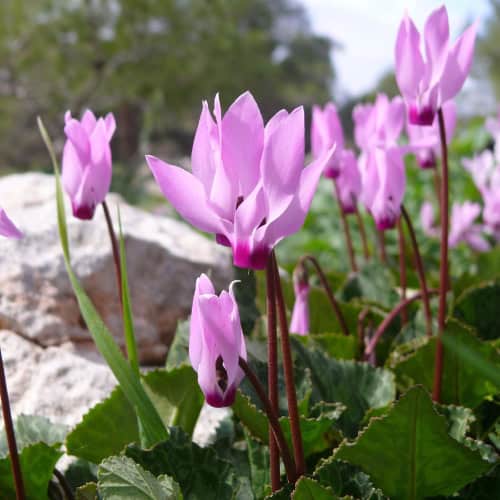
Cyclamen is one of those plants that just refuses to let winter be boring. The flowers come in white, red, pink, and violet, and they’ll bloom from late fall right through to early spring.
You can grow cyclamen indoors as a houseplant or outdoors if you’re in USDA zones 6 to 9. They look delicate but don’t need much fuss, just cool temps and a bit of shade.
8) Guelder Rose (Viburnum opulus)
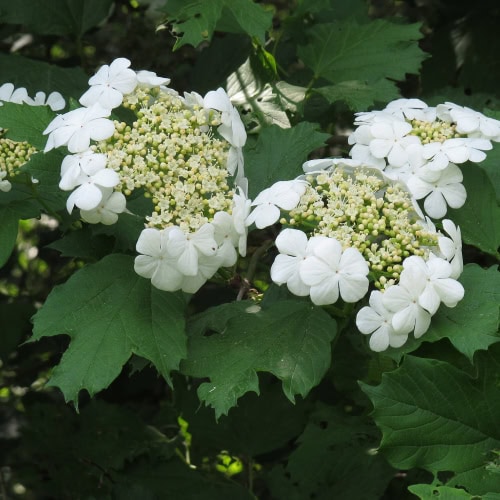
Viburnum opulus is all about foliage that changes with the seasons. New leaves are golden yellow in spring, shift through summer, and then turn orange-red in fall.
This dwarf evergreen shrub also puts out delicate flowers and is pretty low-maintenance. Its tidy size makes it easy to squeeze into smaller gardens, and it keeps showing off color even in winter.
9) Winter Aconite (Eranthis hyemalis)
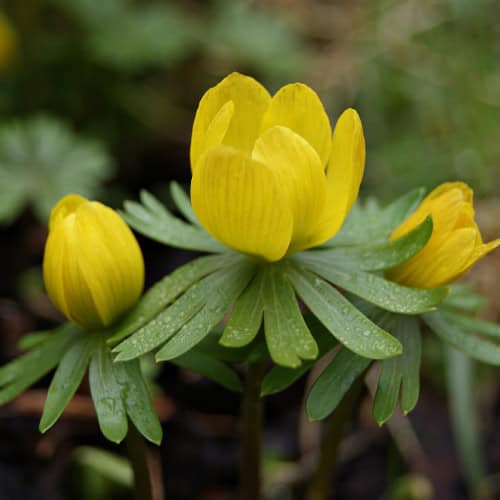
Winter aconite pops up with bright yellow, cup-shaped flowers in late winter, sometimes before the crocuses. The blooms are about an inch wide and surrounded by green, divided bracts that almost look like a little collar.
It’s a short plant, around 3 to 4 inches tall, and does well in partial shade or full sun. Give it moist, well-drained soil and a few hours of sunlight each day and it’ll be happy.
10) Erica carnea (Winter Heath)
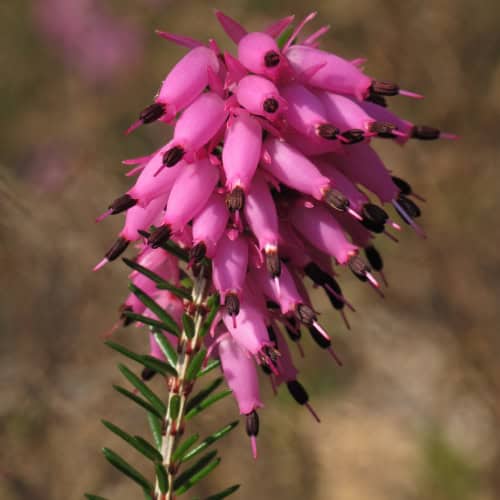
Erica carnea, or winter heath, is a low, evergreen shrub that somehow manages to bloom during the coldest months. It’s loaded with tubular pink, white, or purple flowers from late winter to early spring.
Winter heath likes acidic, well-drained soil and plenty of sun. You can use it in borders, rock gardens, or as ground cover, just give each plant a bit of space, about a foot or so apart.
11) Mahonia
Mahonia brings a splash of yellow to the garden when little else is happening. This evergreen shrub flowers from late fall to early spring, and the fragrant clusters are a magnet for bees and other pollinators, even on chilly days.
It’s happy in shade and doesn’t fuss about poor soil, making it an easy pick for tough spots. The holly-like leaves give you structure all year, and the winter blooms are a nice surprise.
12) Pieris japonica
Pieris japonica is a reliable choice for winter color, thanks to its unique flower buds and early blooms. This broadleaf evergreen gets clusters of bead-like buds in late summer that stick around all winter, standing out against the dark green leaves.
Those buds open in late winter or early spring, showing off white or pink bell-shaped flowers that can last a couple months. Some varieties, like ‘Interstella’, even have ruby red blooms in late winter, so if you want a shade-tolerant shrub with a bit of flair, this one’s worth a try.
13) Winterberry (Ilex verticillata)
Winterberry is a deciduous holly that really pops in winter. When the leaves drop in fall, you’re left with stems loaded with bright red berries.
The shrub grows anywhere from 6 to 15 feet tall and has a nice, upright shape. You’ll need both male and female plants if you want berries (it’s dioecious, just in case you’re curious). The berries stick around all winter, feeding birds and adding color when everything else is bare.
14) Winter Daphne (Daphne odora)
Winter daphne (Daphne odora) is famous for its super fragrant pink and white flowers that bloom in the coldest months. Purple-pink buds appear in fall and open in early winter, revealing delicate pale petals.
Daphne can be a bit picky about where it grows, but if you get it right, the scent is absolutely worth it, as it’s one of those plants that makes you stop in your tracks.
15) Calendula
Calendula, or pot marigold, is a tough annual that actually likes cool weather and can handle a bit of frost. The flowers are cheerful in colors of bright orange and yellow, and they’ll keep blooming through the colder months.
You can grow calendula as an annual or a short-lived perennial in warmer climates. Bonus: the flowers are edible, so you can toss them into salads or use them as a garnish.
16) Cornelian Cherry (Cornus mas)
Cornelian Cherry is one of those plants that surprises you with yellow blooms in late winter or early spring, often before the leaves show up. The flowers appear in little clusters on bare branches.
It’s a deciduous shrub or small tree, usually 15 to 25 feet tall. It’s not too fussy about soil, and it stands up well to dogwood diseases. By late summer, you’ll get edible red fruits, which is a nice bonus.
17) Skimmia japonica
Japanese Skimmia adds a splash of color to winter with its bold red berries and fragrant white flowers. This broadleaf evergreen is happiest in shade and usually grows to about 3 or 4 feet tall.
The white flowers, which smell a bit like orange blossoms, bloom from mid to late winter. The shiny leaves look good all year, and the berries stick around through the coldest months.
Skimmia japonica is a solid pick for winter landscapes; it doesn’t need much from you, but it keeps things looking lively.
18) Helleborus foetidus
Helleborus foetidus, or stinking hellebore (don’t let the name scare you off), is a hardy winter flower with clusters of light green blooms. The foliage is pretty cool too, with fern-like strands and deeply lobed.
It can get up to 2.5 feet tall, with sturdy green stems and dark, serrated leaves. The bell-shaped flowers show up in late winter, adding a bit of color when not much else is awake.
It’s happiest in shade and, once established, just kind of does its thing.
19) Snow Crocus
Snow crocus is one of the earliest signs that spring is coming. These little flowers push up through frozen ground and snow, showing off purple, yellow, or white petals. They’re suited for USDA zones 3 to 8, just give them sun, well-drained soil, and a good cold snap.
Plant the corms in fall, about 6 to 8 weeks before your first hard frost. Fun fact: snow crocus flowers close up at night and on cloudy days, which is called nyctinasty.
20) Sasanqua Camellia
Sasanqua camellias are a real treat for winter gardens, bursting into bloom just as most other plants are calling it a season. These evergreen shrubs usually show off their rose-like flowers from October to December, and the range of colors is honestly impressive.
Originally from Japan, sasanquas do best in the shade and honestly don’t ask for much in terms of care. Their glossy, deep green leaves stick around all year, adding a bit of life when everything else looks bare. And when those vibrant winter flowers open up? It’s hard not to stop and stare.