
If you want your garden to pop with color from late spring right through to early fall, you’ve got to be a bit strategic about what you plant. It’s all too common to end up with those awkward bare spots when something finishes blooming and nothing else has stepped up yet. Picking perennials and annuals that just keep going is the secret to avoiding those dull stretches.
Go for plants that naturally keep the flowers coming all summer, and you’ll save yourself a lot of hassle, and your garden will look fantastic as a result!
The trick is to find varieties with a reputation for long blooming periods, not the ones that show off for a week and then check out. There are classics, of course, but also some underappreciated gems that can handle all sorts of conditions.
1) Daylilies
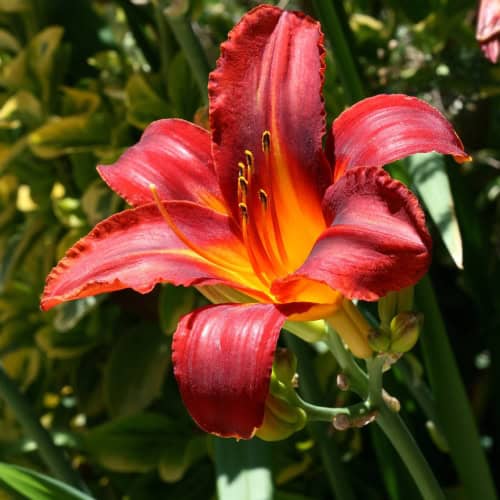
Daylilies are really having a moment as go-to perennials for summer gardens. They’re tough, undemanding, and just keep sending up new blooms all season.
Sure, each flower only lasts a day, but the plants themselves are constantly pushing out more buds. You don’t have to fuss over them much. They’re not picky about soil or sun and tend to shrug off most pests and diseases.
2) Coneflowers (Echinacea)
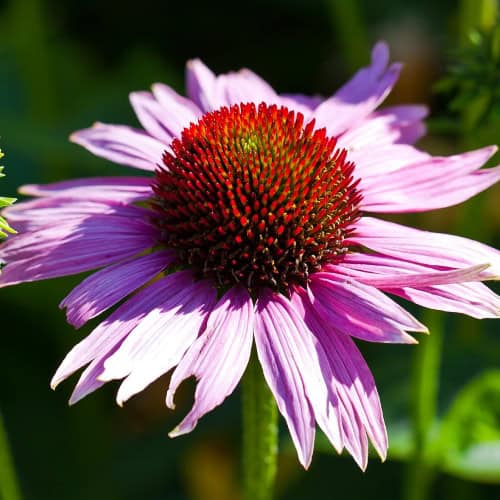
Coneflowers are tough as nails and can reach 3–4 feet tall without needing to be staked. Once they’re settled in, these drought-tolerant perennials bloom for ages.
There are a few species to try, like the classic purple coneflower or the narrow-leaved kind. Their big, spiky centers draw pollinators from all over, and they keep the show going for most of the summer.
3) Lavender
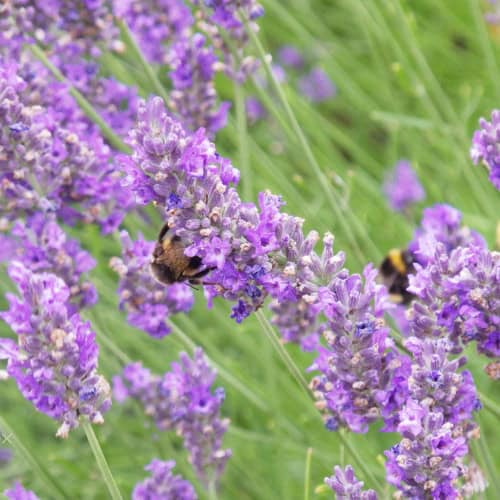
Lavender’s fragrant purple spikes are a summer staple. It loves full sun, which is actually pretty important for the scent and oil in the blooms.
There are about 20 varieties you’ll come across, with colors ranging from white and pink to deep purple. Once established, lavender barely needs any attention.
4) Tickseed (Coreopsis)
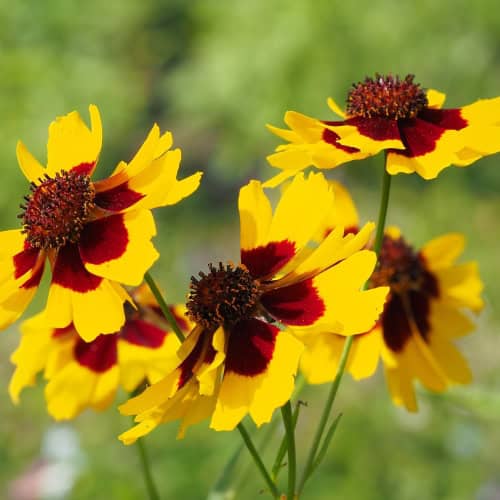
Tickseed is one of those happy, daisy-like flowers that just won’t quit. You’ll see them in yellow, pink, or red all summer. They like full sun and well-drained soil.
If you’re after nonstop color, just snip off the dead blooms when you spot them. Give them a bit of space (6 to 12 inches is good) and don’t let them dry out too much.
Tickseed is part of the biggest family of flowering plants, so you know you’re getting a solid, long-blooming performer.
5) Creeping Phlox
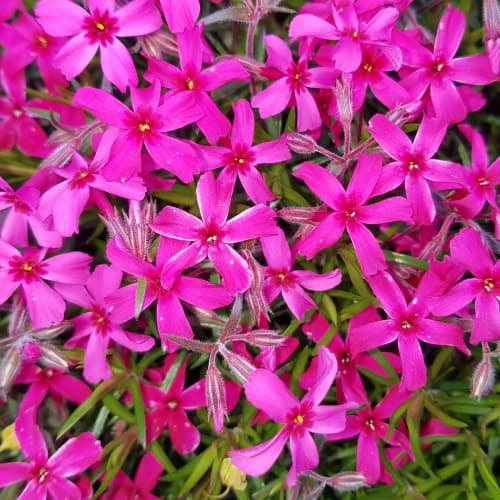
Creeping phlox (Phlox subulata) is perfect if you want a carpet of color in spring. This low-growing perennial only gets about 4–5 inches tall but spreads out nicely.
You’ll get tons of tiny flowers in pink, purple, white, or blue. It’s mostly a spring bloomer, not a summer-long one, but it’s fantastic for covering slopes or rocky spots that need a little color early in the year.
6) Black-eyed Susan (Rudbeckia)
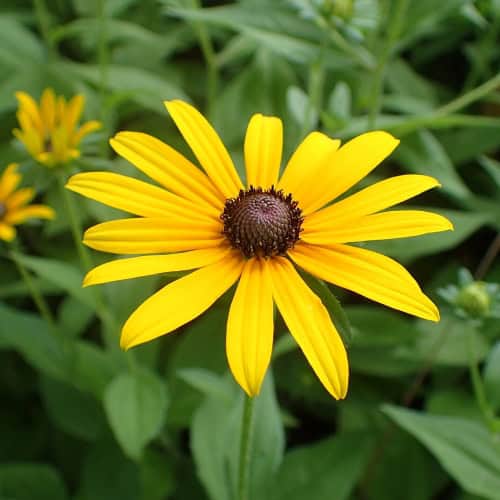
Black-eyed Susans are like little bursts of sunshine. Their golden yellow petals and dark centers show up from early summer right into fall. This native wildflower loves full sun and isn’t fussy about soil.
They’ll keep flowering all summer with barely any input from you. Expect them to reach 1 to 3 feet tall, and they’re a magnet for bees and butterflies (more pollinator plants here).
7) Bee Balm (Monarda)
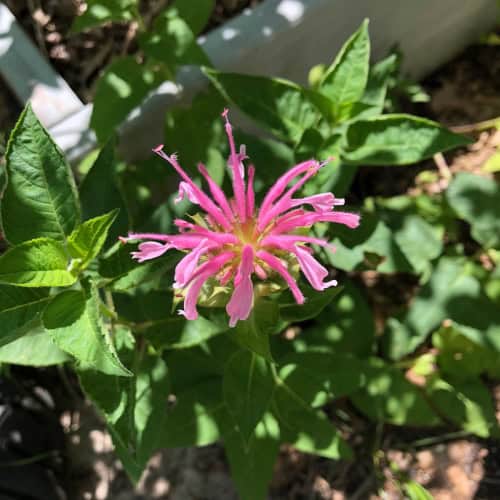
Bee balm is a pollinator favorite, producing wild, spiky flowers in red, pink, purple, or white. Hummingbirds and butterflies can’t resist it. The blooms open for about 18 to 20 hours each, and the plant flowers in waves over several weeks.
Deadhead the spent blooms and you’ll get color from early summer into fall. It likes full sun but will tolerate some shade, and prefers moist, well-drained soil.
8) Gaillardia (Blanket Flower)
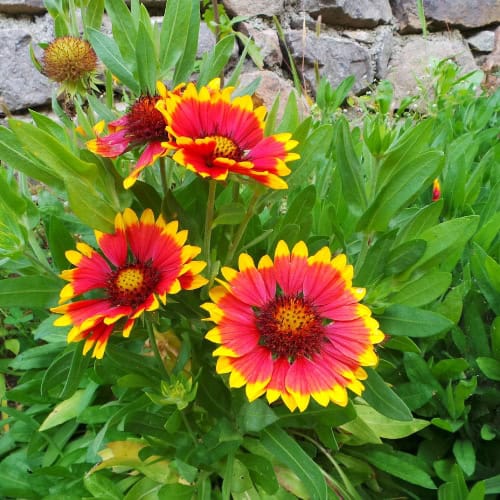
Gaillardia, or blanket flower, is a real workhorse. It’s part of the Aster family and originally hails from Mexico and the southwestern US.
You get daisy-like blooms in fiery reds, oranges, and yellows. With 28 species in the genus, Gaillardia pulchella is probably the one you’ll see most often in gardens.
It’s an annual that loves sun and heat and is just a great plant for those relentless summer days.
9) Shasta Daisy
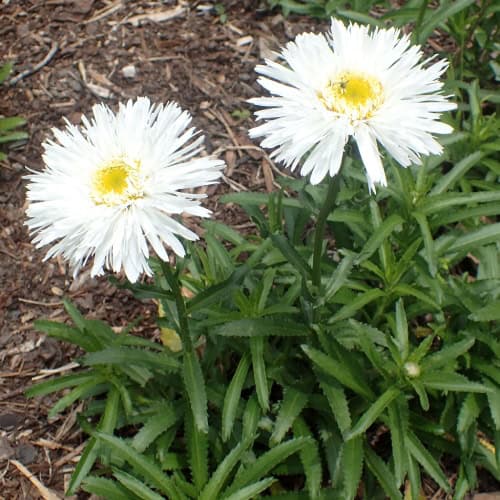
Shasta daisies are a total classic with white petals, yellow centers, and a cheery vibe that fits just about anywhere. These perennials bloom steadily through the summer if they get plenty of sun and decent drainage.
Some cultivars need different light or cold exposure, so check what works in your area. Deadheading and keeping the soil evenly moist helps them keep blooming longer.
10) Salvia
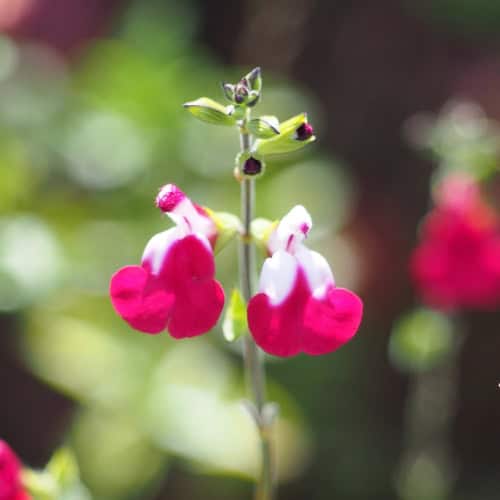
Salvia’s one of the easiest ways to get a steady stream of flowers all summer. These versatile plants love sun and can take the heat.
You’ve got lots of choices, including annuals like Salvia splendens, or perennial types. Temperature can affect how well they flower, but most do best in warm weather. Deadhead often for more flower spikes and longer bloom time.
11) Russian Sage (Perovskia)
Russian Sage is a favorite for its airy, lavender-blue flowers that just keep coming. This herbaceous perennial is ridiculously easygoing, both drought-tolerant and low-maintenance.
With spiky blooms and silvery leaves, it’s also a pollinator magnet. Give it a sunny spot and it’ll bloom from early summer into fall.
12) Yarrow
Yarrow sends up flat clusters of flowers in white, yellow, pink, or red, and it’s not picky about soil. Full sun is best.
The roots dig down about 20 cm, so once it’s settled, it’s pretty drought-resistant. Snip off faded blooms and it’ll keep flowering well into the fall.
13) Blanket Flower
Blanket flower (Gaillardia) is all about those hot red and yellow tones, and it sticks around from late spring to fall. It’s tough – full sun, heat, drought, even lousy soil, no problem.
You can even grow it in containers if you want. Once it’s going, it needs very little from you. Deadhead spent blooms and you’ll get even more color.
Plus, it’s great for attracting butterflies and won’t tempt deer.
14) Sedum (Stonecrop)
Sedum is about as reliable as it gets for late summer color. These succulents can handle drought and poor soil without batting an eye.
There are low ground covers and taller types that can reach 20 inches. The chunky leaves look good even before the star-shaped flowers show up, and pollinators seem to love them.
Just make sure they get full sun and decent drainage.
15) Lantana
Lantana gives you clusters of bright flowers from late spring through fall. You’ll find them in yellow, lavender, red, white, and even multicolored forms, plus, they’re a hit with butterflies and hummingbirds!
Lantana camara comes from tropical America, and it loves sun and well-drained soil. It’s heat-tolerant and doesn’t need much from you after it’s established. Works great in containers or out in the garden, especially in warmer climates.
16) Verbena
Verbena brings vibrant clusters of tiny flowers in all sorts of purples, pinks, reds, and whites that just keep coming all season. These tough plants love soaking up the sun and can handle the heat, so they’re a no-brainer for summer gardens if you ask me.
If you keep up with deadheading verbena will keep blooming all summer long. People tuck them into containers, hanging baskets, or right in garden beds, and pollinators seem to adore them.
17) Garden Phlox
Garden phlox puts out big, fragrant flower clusters in pinks, purples, whites, and reds during those hot summer months. Phlox paniculata can get up to about 3 feet tall, and it’s pretty flexible about sun, and although full sun is great, it’ll tolerate partial shade too.
Snipping off spent blooms helps stretch out the flowering season. This one likes well-drained soil and really appreciates a little space for air flow.
18) Hibiscus
Hibiscus is all about those dramatic, tropical-looking blooms that pop up through summer. The flowers are huge and come in bold colors of red, pink, orange, yellow, and white.
You can grow hibiscus in a big pot or straight in the ground. Photoperiod actually affects how it blooms; they really do like those long, bright summer days.
They’re happiest in full sun with well-drained soil. If you keep them watered and toss in some fertilizer now and then, hibiscus will reward you with a steady parade of blooms from early summer well into fall.
19) Lilac
Lilac is famous for its sweet spring scent and lovely blooms, but honestly, it’s not a summer flower. You’ll usually see those colorful clusters in April or May, depending on the weather.
If you want more flowers, pruning the right way really helps younger plants do their thing. Trimming after the blooms fade can keep the shrub tidy and encourage it to flower again next year.
It might not stick around for summer color, but lilac’s spring show is so good, it’s hard not to want one in your yard.
20) Autumn Joy Sedum
Autumn Joy Sedum doesn’t really bloom all summer, but it sure puts on a show from late summer into fall. The plant starts with chunky green flower heads in the summer that slowly shift to pink, and then (almost out of nowhere) turn a deep copper-red as autumn rolls in.
This tall sedum variety has thick, almost rubbery leaves and big, impressive flower heads. If you want something that stands up straight and doesn’t ask for much, it’s a solid pick for garden borders and fits right in with low maintenance gardening.