
Plants have always carried a bit of magic, haven’t they? Across all sorts of cultures, certain leafy companions are thought to bring good fortune and prosperity. Now, they’re not going to spit out coins or anything wild like that, but a lot of folks swear these plants attract positive vibes and set the stage for financial success.
Plus, aside from all the symbolism, they just make your place look and feel better – cleaner air, a little pop of green, a touch of charm.
In terms of prosperity plants, your options are pretty broad! You’ve got classics like jade and rubber plants, and then there’s the herb crowd.
Some are named for their coin-shaped leaves, others have bambooish stalks, and a few, like orchids or peace lilies, are more about harmony and balance (which, let’s be honest, feels pretty essential for abundance).
1) Money Tree (Pachira aquatica)
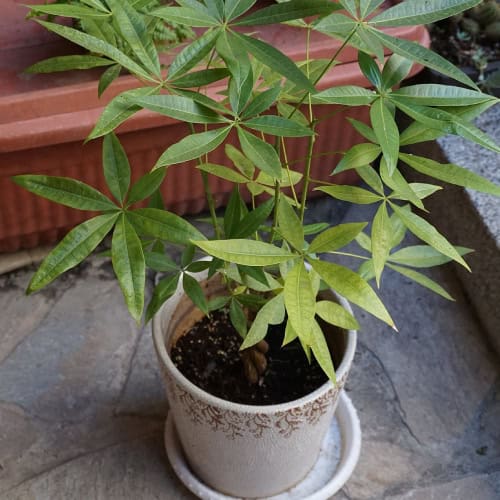
The Money Tree, a quirky member of the Malvaceae family, is a favorite in offices and homes. It’s not fussy, and is fine with partial shade or full sun; it doesn’t really mind much.
People love those braided trunks, especially when the plant’s young. The Money Tree’s reputation as a bringer of luck and prosperity is why you’ll spot it in all sorts of spaces, from living rooms to cubicles.
2) Jade Plant (Crassula ovata)
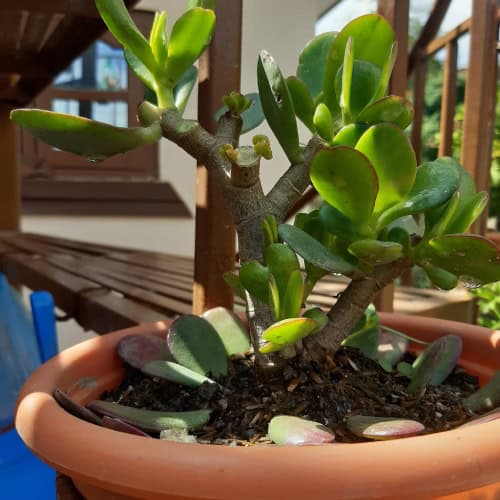
The jade plant, sometimes called the money tree in Chinese culture, is a go-to for anyone hoping to boost their prosperity. Ever notice one sitting by a cash register? That’s no accident.
If you’re into Feng Shui, try tucking your jade plant into the southeast corner of your place. Those plump, coin-like leaves are meant to symbolize growing wealth and a bit of luck.
3) Chinese Money Plant (Pilea peperomioides)
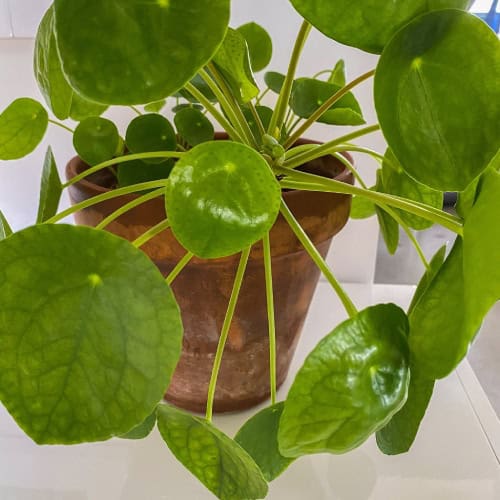
The Chinese Money Plant really wears its name well, thanks to those round, coin-ish leaves. It’s got a quirky silhouette that stands out just about anywhere.
One of the best things? You can snip off its little offshoots and share them, as some folks say that spreads fortune, too. It’s easy to care for, likes bright but indirect light, and won’t ask much of you. Minimal maintenance is always a win.
4) Lucky Bamboo (Dracaena sanderiana)
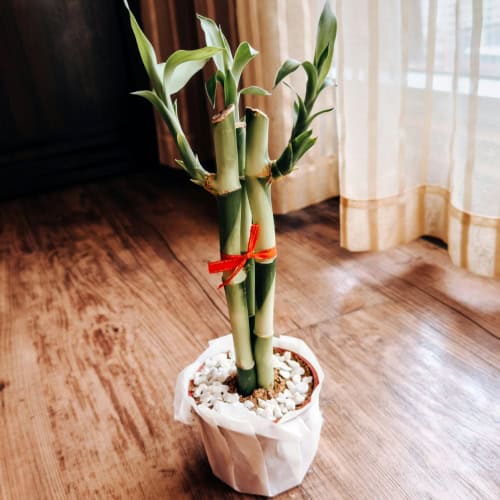
Funny enough, Lucky Bamboo isn’t actually bamboo, it’s Dracaena sanderiana. Still, it’s a big deal in lots of traditions for attracting luck and prosperity.
It’s happy in water or soil, and doesn’t care too much about light. Low light? No problem. Arrange the stalks however you like or just let them do their thing. People love putting these in homes or offices to invite in some good financial energy.
5) Silver Dollar Plant (Lunaria spp.)
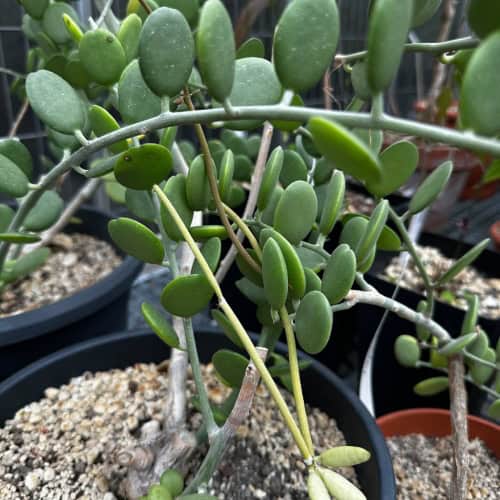
The Silver Dollar Plant is pretty on-the-nose with its name, as those papery seed pods really do look like coins. Native to southeast Europe, it’s also called Money Plant.
It’s a biennial, so you’ll see those shiny discs in its second year. Lots of folks dry them for arrangements. They’re a little bit magical and bring a unique look to the garden, plus all that wealth symbolism.
6) Rubber Plant (Ficus elastica)
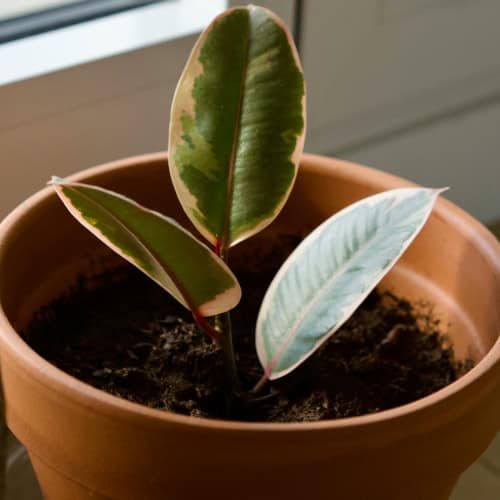
The Rubber Plant hails from the Eastern Himalaya and nearby regions. It’s got those big, glossy leaves that just scream abundance.
In feng shui, it’s all about attracting opportunities. Pop it near your entrance or in your “wealth corner.” The leaves are thick and rounded; supposedly a good sign for growth.
Plus, it’s easy to care for, which is a bonus if you’re not a plant expert.
7) Coin Plant (Hydrocotyle vulgaris)
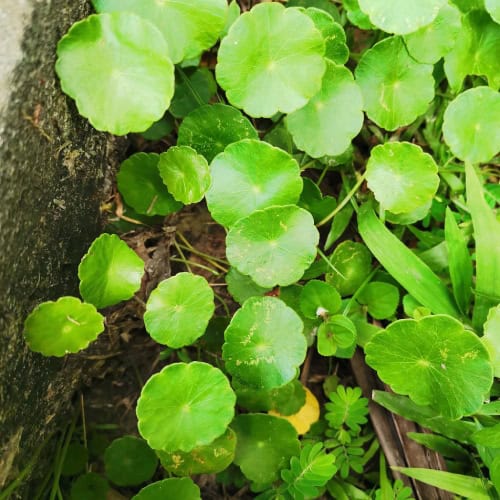
The Coin Plant really leans into the money theme with its round leaves that look like old Chinese coins. It’s a perennial, loves moist spots, and spreads like crazy if it’s happy.
It’s not just about looks, though, as Hydrocotyle vulgaris has some cool phytochemical properties. If you want a ground cover that’s both pretty and symbolic, this one’s a solid pick. Ground cover bonus points!
8) Graptopetalum paraguayense (Ghost Plant)
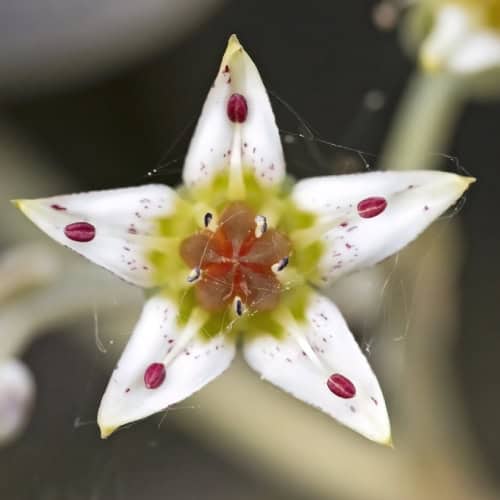
Graptopetalum paraguayense, or ghost plant, is a striking succulent that’s supposed to bring prosperity your way. Its silvery, blue-gray leaves form neat rosettes and honestly, it’s almost impossible to kill.
You can grow it from cuttings or leaves, so it’s easy to share. It doesn’t mind being neglected; just give it bright light and the occasional drink. That kind of toughness? Feels like a metaphor for financial stability.
9) Philodendron Scandens
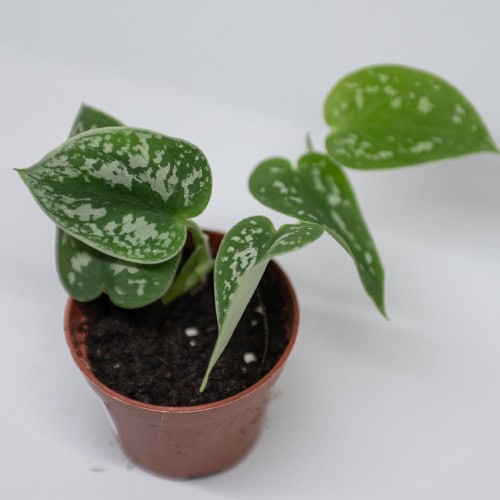
Philodendron scandens, aka the heartleaf philodendron, is one of those classic indoor plants you see everywhere. The heart-shaped leaves and trailing vines are all about growth and abundance.
It’s easygoing and adapts to just about any indoor spot. People say it brings in positive energy and prosperity, and honestly, it just makes a room feel more inviting.
10) Crassula Ovata ‘Gollum’
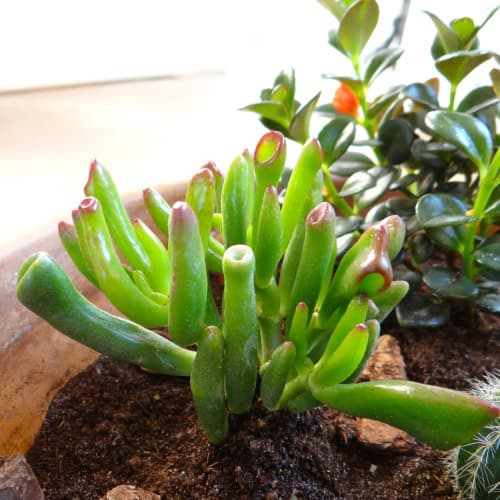
Crassula Ovata ‘Gollum’ is a funky jade plant variety with tubular, finger-like leaves. Still falls under the “money plant” umbrella, so it’s tied to luck and prosperity.
Those weird little leaves make it stand out from the regular jade crowd. It’s super low-maintenance and perfect if you want something different without much fuss.
11) Oxalis Triangularis (Purple Shamrock)
Purple shamrock is hard to miss with those deep purple, triangular leaves. It’s a real showstopper and, in some traditions, is linked to good fortune.
This plant isn’t picky, just give it some indirect light and don’t drown it. The color alone is enough to lift your space, and who knows, maybe it’ll invite a little prosperity, too.
12) Parlor Palm (Chamaedorea elegans)
The parlor palm brings a touch of elegance with its feathery fronds. It’s happy in low light, so it’s perfect for offices or corners that don’t see much sun.
Set it up in your workspace or wealth corner if you’re into that sort of thing. Besides looking good, it helps clean the air and just feels calming.
13) Cactus varieties (for wealth protection)
Cacti have a bit of a reputation in feng shui; not so much for attracting cash, but for protecting what you’ve got. Their toughness is a symbol of holding onto wealth, especially when times get rough.
Opuntia ficus indica, in particular, is known for thriving in tough conditions. Stick a cactus by your door to ward off bad luck and keep your finances safe.
14) Mint (Mentha)
Mint is one of those plants that just seems to make sense for small-scale growers. This perennial herb from the Lamiaceae family grows like a weed (sometimes too well, honestly), and you really don’t need a huge investment to get it going.
There’s a surprising number of ways you can use mint commercially. Not just for tea, as there’s essential oil production, fresh bundles for chefs, even dried leaves for herbal blends.
Menthol mint has become an important cash crop in quite a few regions, so it’s not just a backyard herb; it brings in steady returns for a lot of folks.
15) Aloe Vera
Aloe vera is one of those plants that keeps on giving. You can sell the thick, gel-filled leaves for all sorts of uses, such as skincare and medicinal, since aloe vera contains 19 out of 20 known amino acids and is a staple in beauty routines everywhere.
It does take a few years (about four) before the plants are really mature, but aloe vera production is profitable once you get a patch going. There’s a market for fresh leaves, processed gel, and even baby plants if you want to sell cuttings or pups.
16) Snake Plant (Sansevieria trifasciata)
The snake plant, sometimes called mother-in-law’s tongue, or even “money plant” depending on who you ask, is a tough little succulent with those sharp, upright leaves and cool variegated stripes.
It’s one of the few plants that actually thrives on a bit of neglect. Stick it in a dark corner of your office or living room, forget to water it for a week or two, and it’ll still look great. That’s probably why it’s so popular for indoor spaces.
17) Peace Lily (Spathiphyllum)
Peace Lily is a classic ornamental indoor plant that’s said to bring prosperity and a sense of calm to your home. Those white blooms and shiny green leaves really do brighten up a room, and in feng shui, they’re supposed to symbolize peace and harmony.
It’s easy to care for, too, but just keep it out of direct sun and don’t overdo the watering. If you want something dramatic, the largest variety, Sensation, has leaves that can reach 20 inches long, which is honestly pretty impressive.
18) Orchids (Phalaenopsis)
Phalaenopsis orchids can add a touch of prosperity to your home, and, honestly, they look gorgeous just about anywhere. These plants are among the most popular cultivated orchids worldwide, and there’s real commercial demand for them.
The global Phalaenopsis market has really taken off over the last couple of decades. If you’re thinking about growing these orchids, there’s a good chance you could turn a profit, since they’re still a hot commodity in the ornamental plant world.