
Let’s be real, too much moisture indoors is just a hassle. It’s uncomfortable and, who wants to deal with mold, weird smells, or warped furniture? Sure, you could buy a dehumidifier, but some houseplants are surprisingly good at helping out.
Plants absorb water vapor from the air through their leaves and either store it or let it out through transpiration, which means they’re not just pretty, they’re actually working for you!
Turns out, humidity directly affects plant growth and their metabolism, and plenty of species have figured out how to deal with high moisture over time. Some studies show plants can literally pull water from humid air using their leaves. So, if you pick the right ones, you can make your home feel fresher and less clammy, especially in those spots that always seem a bit damp.
1) Boston Fern
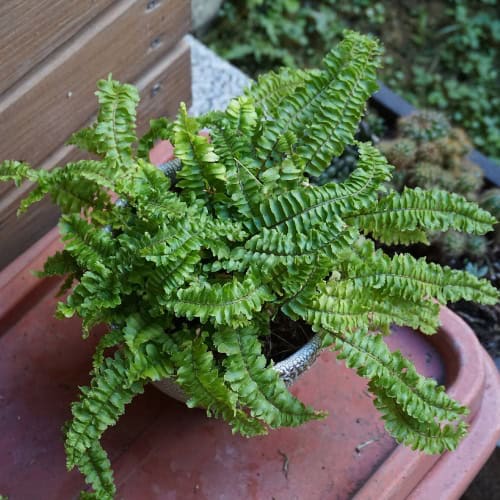
Boston fern is basically built for humidity. It loves soaking up extra moisture from the air, so it’s no wonder it’s a classic for bathrooms and kitchens. This evergreen fern does best when things are a little steamy.
Stick one near your shower or by the sink and it’ll do its thing. There’s research showing these plants affect indoor air, humidity included. Just don’t let them dry out, as they like their water!
2) Peace Lily
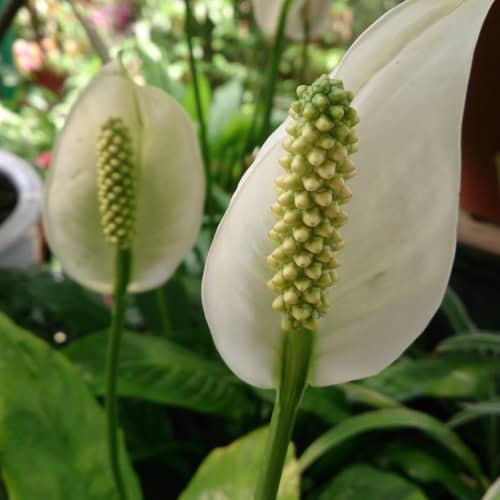
Peace lilies are kind of the unsung heroes of moisture control. They’re tropical, so they’re happiest with humidity around 90%, but they’ll help out even in less dramatic conditions by pulling moisture through their leaves.
They’re also known to help keep mold at bay by keeping things drier. If you keep your place between 18 and 25°C, you’ll get the best results. Peace lilies are doing their job 24/7, so they’re a solid pick for steamy rooms.
3) English Ivy
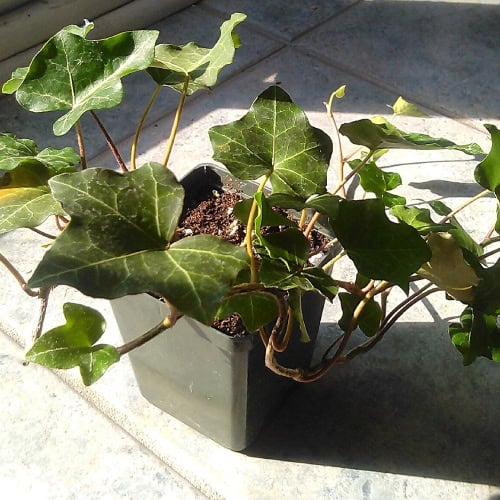
English Ivy is a bit of a multitasker. It draws in moisture both through its leaves and roots. Some research says ivy can actually change the microclimate of walls, helping to moderate both temperature and humidity.
You can grow it inside or out, and it’ll still do a decent job at reducing dampness. Plus, it’s been tested for insulation, so it’s not just a pretty face.
4) Spider Plant
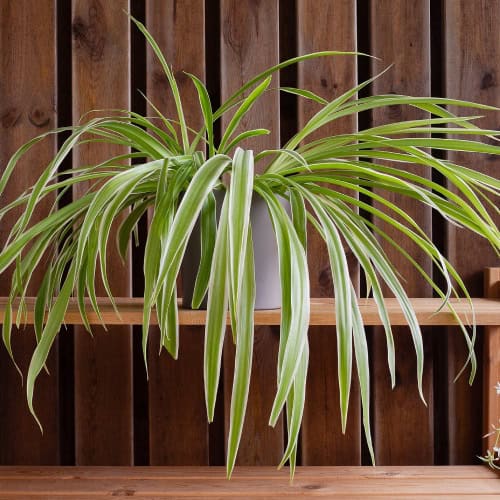
Spider plants are those trusty houseplant favorites that practically take care of themselves while naturally reducing moisture in your space! Through evapotranspiration, their foliage works around the clock to absorb excess humidity from the air.
Plus, they’re incredibly low-maintenance. Tuck a spider plant onto a bathroom shelf, set it in your kitchen, or brighten up your living room – wherever you place them, they’ll quietly freshen the air and keep dampness in check with minimal effort on your part.
5) Tillandsia (Air Plant)
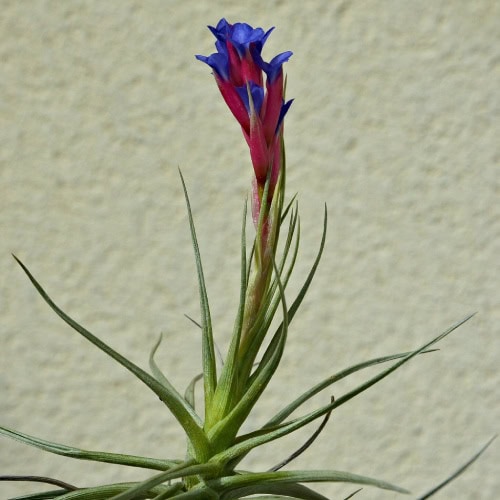
Tillandsia, or air plants, are almost like little sponges. They don’t need soil as they’ve got trichomes (tiny hair-like things) on their leaves that pull moisture straight from the air. They’re epiphytes, living off whatever’s floating around them.
Pop them in a steamy bathroom or kitchen and they’ll soak up the water vapor. They’re happiest with moderate humidity and are a quirky, low-fuss way to deal with excess moisture.
6) Snake Plant (Sansevieria)
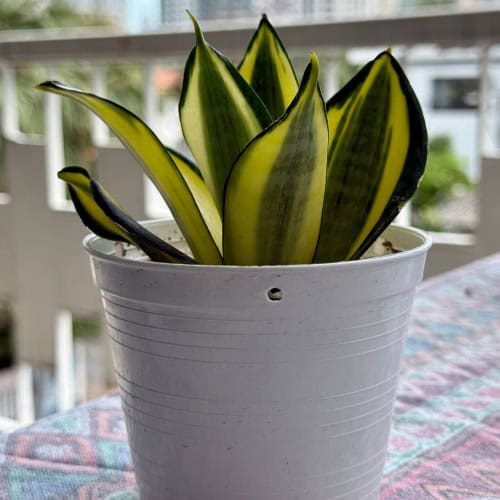
Snake plants are tough and pretty forgiving. They help level out indoor moisture by releasing and absorbing humidity as needed. These hardy guys release moisture but can also pull it in from the air.
Bathrooms, basements, wherever, snake plants don’t ask for much and can handle a range of light. They’re also known to clean up air, so they’re kind of a win-win.
7) Areca Palm
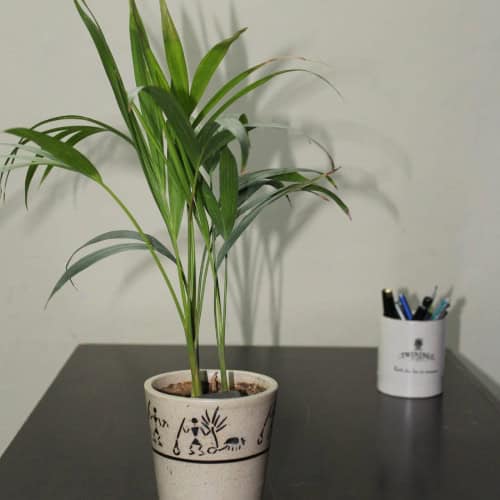
Areca Palm is another tropical that’s good at multitasking. It reduces indoor air pollutants while soaking up extra moisture through its leaves.
You’ll notice Areca palms are popular in spaces that need a humidity boost or cleanup. They’re great for kitchens and bathrooms, and honestly, they look pretty classy.
8) Bamboo Palm
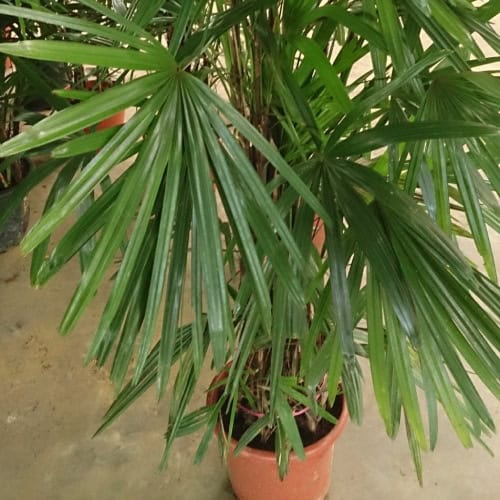
The bamboo palm is a bit of a workhorse when it comes to drawing moisture from the air. It’s a tropical, so it’s right at home in steamy spots, and it’ll help keep things balanced.
There’s even research showing bamboo changes size depending on humidity, as it’s that sensitive to moisture. You don’t have to fuss over them much, and they add a nice touch to any room that needs a little humidity control.
9) Golden Pothos (Epipremnum aureum)
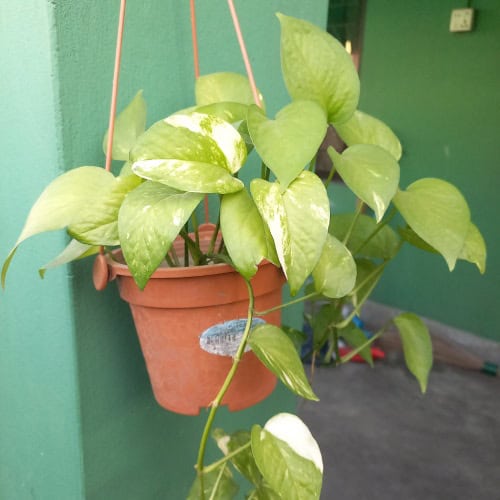
Golden pothos is super adaptable. It can handle heat and humidity and helps regulate moisture indoors. With its heart-shaped leaves, it fits just about anywhere.
It’s not just about looks, as money plant absorbs excess moisture and can even remove stuff like fluoride from water. You can grow it in water or soil, and it barely needs any attention.
10) Gerbera Daisy
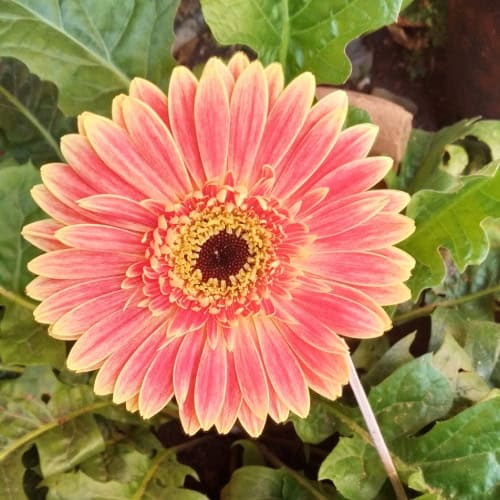
Gerbera daisies actually pull moisture from the air through their leaves and stems. These colorful flowers do well in spaces where humidity is anywhere from 32% to 89%.
They’re happiest in well-ventilated spots with some airflow. Plus, those blooms really brighten up a room while keeping things comfortable.
11) Orchids
Orchids are basically humidity pros. They thrive when humidity’s between 60% and 80%, and they soak up moisture through both their leaves and those odd aerial roots.
Their velamen radicum is like a sponge, pulling in water from the air. So if you want something exotic that helps keep things comfy, orchids are a solid option.
12) Chinese Evergreen (Aglaonema)
Chinese Evergreen is super chill about humidity, as it’s used to growing in steamy, shady forests. This shade-loving plant is built to soak up moisture from the air.
Aglaonema plants prefer pretty high humidity, just like back home. Their big leaves help with moisture absorption, and they’ll quietly purify your air while they’re at it.
13) Lady Palm (Rhapis excelsa)
Lady Palm is happy in humid conditions and uses its broad, fan-like leaves to draw moisture from the air. It’s adaptable, so it won’t freak out if your indoor humidity changes a bit.
Research shows Rhapis excelsa can boost indoor air quality while helping with humidity. It’s super easy to care for and looks great in offices or living rooms.
14) Heartleaf Philodendron
Heartleaf philodendron is built for humidity and keeps moisture in check indoors. Studies show these plants can act on relative humidity by 10% just by doing their thing.
It’s a trailing plant that doesn’t mind low light and barely asks for any maintenance. Expect it to grow to about four feet indoors, quietly soaking up extra moisture as it goes.
15) Anthurium
Anthurium is a humidity lover, as it thrives in tropical conditions and pulls moisture from the air with its big, shiny leaves. It’s happiest with at least 60% humidity.
Besides being practical, anthurium adds a glossy, tropical vibe to any room. It’s especially handy in places that tend to get steamy, like bathrooms or kitchens.
16) Prayer Plant (Maranta leuconeura)
The Prayer Plant’s honestly a bit of a show-off when it comes to humidity. It loves a steamy environment and actually helps soak up extra moisture in your space. This tropical foliage plant pulls humidity right out of the air with its broad, patterned leaves.
If you’ve got one, give it bright but indirect light and aim for moderate humidity to keep it happy. And here’s a quirky thing: it folds its leaves up at night, almost like it’s praying. That’s how it got the name.
17) Calathea
Calatheas are total fans of humidity and just seem to thrive when the air’s a bit damp. These shade-loving tropical plants come from places where the air is naturally sticky, so they’re right at home in bathrooms or kitchens where moisture tends to hang around.
If you’ve got a spot that’s a little too humid, Calathea will help balance things out. Those big decorative leaves really soak up the vibe, and honestly, they look great while doing it.
18) Weeping Fig (Ficus benjamina)
The weeping fig prefers high humidity and does a decent job of soaking up extra moisture from the air. With its roots and all those shiny leaves, this tropical Asian plant can make a noticeable difference if your space feels a little muggy.
Try putting this popular foliage plant in rooms that get a bit stuffy. Its roots are pretty good at drawing in water and nutrients, so it’s not just there for looks, as it’s actually doing some work for your indoor air.
19) Cast Iron Plant (Aspidistra elatior)
The Cast Iron Plant kind of lives up to its name, it’s tough as nails! This evergreen can handle low light, missed waterings, and even temperatures that swing all over the place. Not many houseplants can keep up.
Aspidistra plants can tolerate dry air conditions, but they’re still helpful for regulating moisture indoors. If you’ve got a dim corner where nothing else seems to survive, this plant might surprise you.
20) English Laurel
English laurel is surprisingly handy for helping out with moisture indoors. Through its natural transpiration, it pulls up water from the roots and lets it out through those glossy leaves.
Container-grown plants like English laurel tend to react pretty quickly to moisture variations in their soil. It’s a good idea to keep an eye on how damp the soil is, just to make sure the plant’s doing its job in keeping humidity balanced. With all that thick foliage, it’s always working – sometimes you can almost feel the air getting a bit fresher around it.