
Many homes and offices lack adequate natural light, making it tough to keep traditional houseplants alive. Windowless bathrooms, interior rooms, or those dim corners just don’t seem suited for greenery. But some resilient plants have figured out how to get by in low-light environments, surviving on minimal sunlight or even just artificial lighting.
There are plenty of houseplants that can handle spaces with little to no natural light, letting you add a touch of green to even the gloomiest parts of your home. They’re generally easy to care for, which is a relief whether you’re new to plants or have a jungle already.
1) ZZ Plant (Zamioculcas zamiifolia)
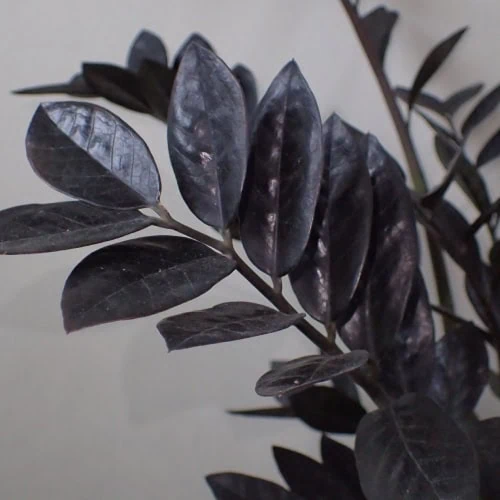
The ZZ plant thrives in low light settings, so you can stick it in places with barely any natural light. Native to Eastern Africa, it’s famous for tolerating neglect and only needing water every now and then thanks to those drought-resistant rhizomes.
Try it in offices, bathrooms, or any room where other plants give up. Its glossy leaves and chunky roots store water for weeks, so if you forget about it, it’ll probably forgive you.
2) Snake Plant (Sansevieria trifasciata)
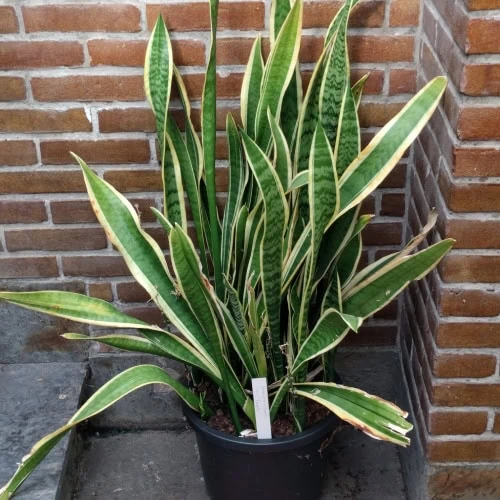
The Snake Plant is pretty much unfazed by low light, which makes it a go-to for rooms with barely any sunlight. Corners, bathrooms, offices, this plant doesn’t mind!
Because it stores water in its thick, upright leaves, you only need to water it every couple of weeks. It handles neglect better than most and doesn’t need much fussing to look good.
3) Pothos (Epipremnum aureum)
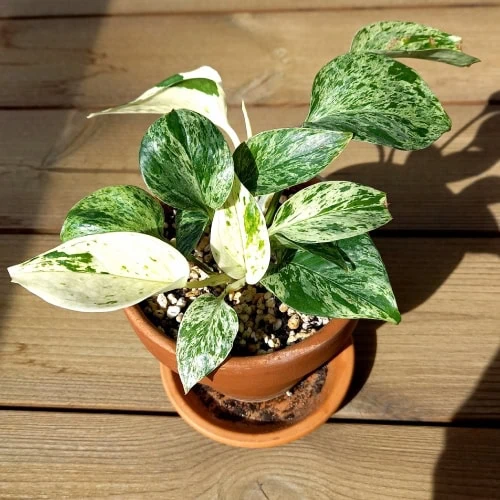
Pothos is one of the most adaptable houseplants you’ll find. This trailing vine is unfussy about light, so it fits right in with minimal natural light.
It’s easy to care for and doesn’t mind being ignored for a while. The heart-shaped leaves and long vines look great in hanging baskets or spilling off shelves. Even far from a window, pothos keeps growing and stays lively.
4) Philodendron Heartleaf
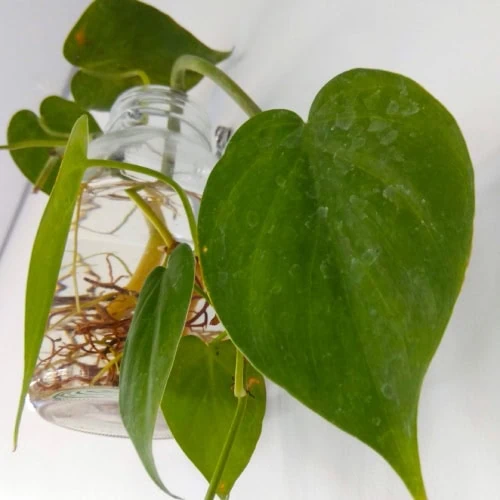
The Philodendron heartleaf is a champ at handling low light. Its trailing vines and glossy, heart-shaped leaves add a bit of style to spots that don’t get much sun.
It keeps growing even if you put it several feet from a window. Bright indirect light is fine, but it doesn’t complain in dimmer areas either, making it a good pick for bedrooms, bathrooms, or workspaces with just artificial lighting.
5) Cast Iron Plant (Aspidistra elatior)
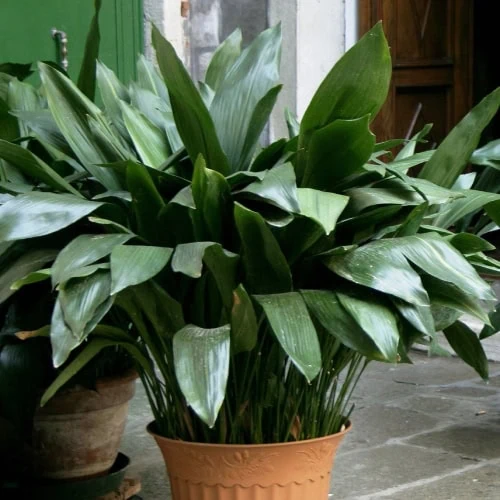
The Cast Iron Plant lives up to its name – it’s tough and shrugs off challenging conditions. Native to Japan and Taiwan, it handles extremely low light better than most houseplants.
Its deep green, arching leaves keep looking healthy even in the darkest corners. Stick it somewhere with almost no natural light, and it’ll just keep going with barely any attention from you.
6) Peace Lily (Spathiphyllum)
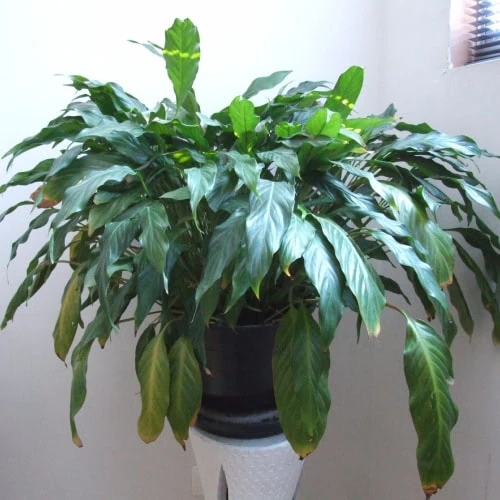
The Peace Lily is surprisingly good at adapting to low light, so it’s a solid choice for dim spaces. Since it naturally grows on tropical forest floors, it’s used to shade.
Its elegant white blooms and shiny green leaves add a bit of class wherever you put it. If it needs water, the leaves droop, pretty handy for forgetful plant parents.
Peace Lilies work well in offices, bathrooms, or north-facing rooms where other plants just don’t make it.
7) Chinese Evergreen (Aglaonema)
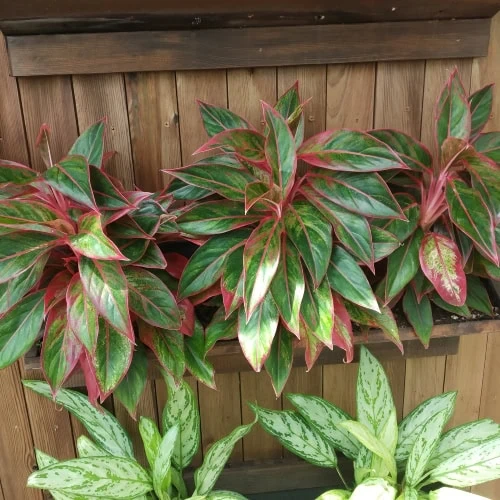
Chinese Evergreen is a good fit for low light rooms or offices. Its leaves are patterned in green, silver, pink, or red, so it brings a bit of color where you least expect it.
This plant asks very little of you. Water when the top inch of soil feels dry, and don’t overdo it. It handles most indoor conditions, though it likes a bit of humidity. Just a heads up: it’s toxic if pets chew on it.
8) Spider Plant (Chlorophytum comosum)
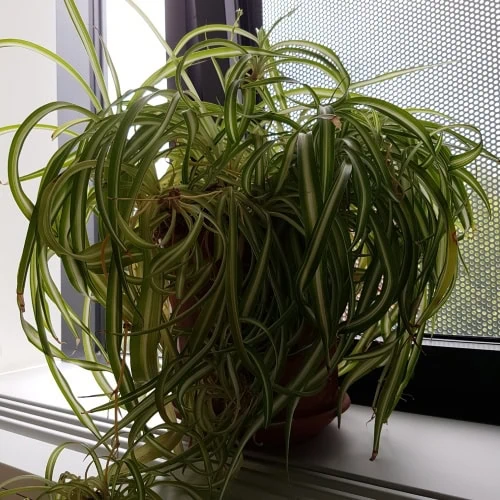
The Spider Plant manages in low light, though it won’t be happy in pitch black. Its strong roots help it store what it needs, so it gets by with little care.
Offices with limited light or rooms with only artificial lighting are fine for this one. The all-green variety does better in shade than the variegated types, so pick that for darker spots in your home.
9) Parlor Palm (Chamaedorea elegans)
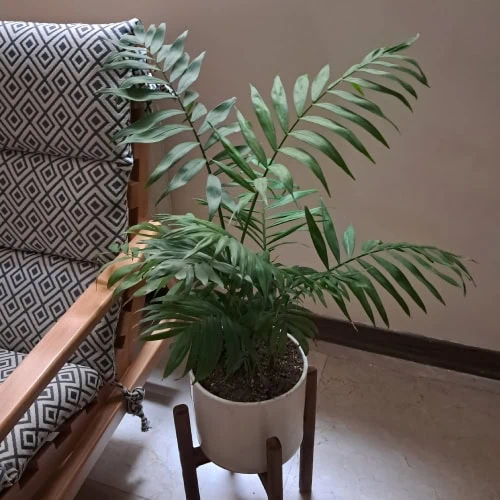
The Parlor Palm puts up with low light better than most palms, though it can’t live in total darkness. It’s a tropical plant that’ll keep going in places where other houseplants quit.
It grows slowly, with delicate fronds that can reach 4 to 6 feet if you’re patient. Plus, it’s non-toxic to pets and kids, so you don’t have to worry about it being around the family. With decent care, it’ll stick with you for years.
10) Dracaena Marginata
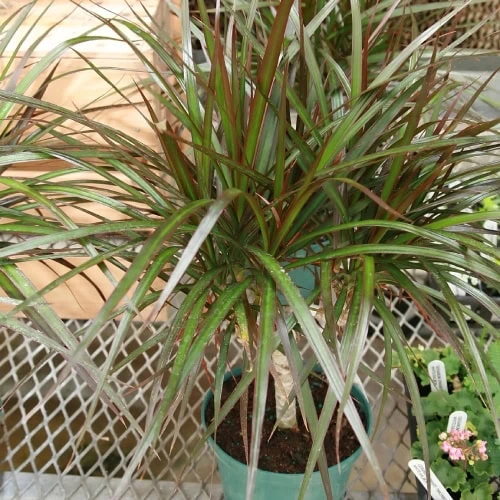
Dracaena Marginata, or the Dragon Tree, is happy in low light. Its slim trunk and spiky leaves make it a cool pick for spots with not much sunlight.
It’s low maintenance in dim areas, so just water less often since it doesn’t dry out as fast. The leaves actually dislike direct sun and can burn, so if you’ve got a shady corner, that’s perfect for this plant.
11) Aloe Vera (under artificial light)
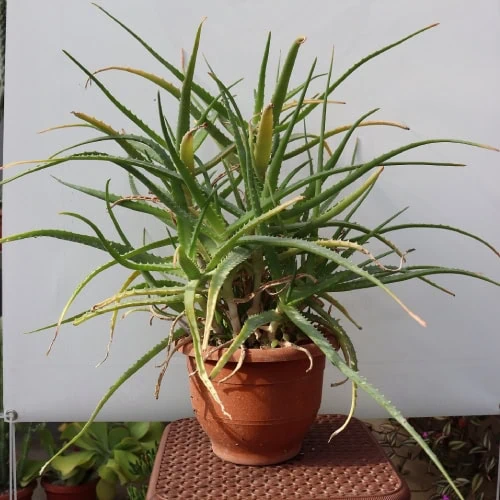
Aloe vera can get by under artificial lights if you don’t have much sun. It needs about 5–6 hours of light each day to stay healthy.
Put your aloe under grow lights that give off bright, indirect light. You don’t want it too intense, or the leaves might burn or get stressed.
LED or fluorescent grow lights both work. If you notice yellow or stretched-out leaves, it probably needs more light. so keep an eye on it.
12) Baby Rubber Plant (Peperomia obtusifolia)
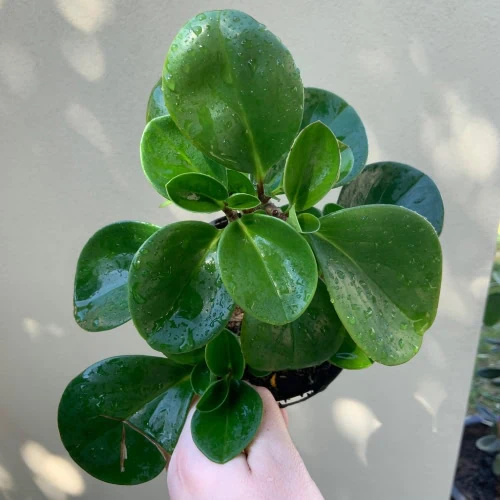
The Baby Rubber Plant is fine in low light, so it works well for dim corners or offices. It’s compact, with thick, dark green leaves that still look good even without much sun.
Stick it somewhere with minimal light and don’t worry if you forget to water it, as this one’s pretty forgiving. It usually stays under a foot tall, so it’s easy to fit on a desk or shelf.
13) Nerve Plant (Fittonia)
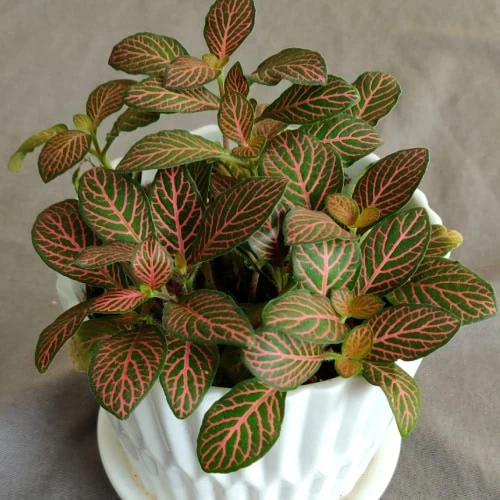
This plant is a showstopper that actually prefers the shadows. While many plants crave the sun, this one is happiest in low to medium light, making it a perfect choice for those dimmer spots in your home where other plants might struggle.
The standout feature is the intricate, colorful “veins” that web across its leaves in bright shades of pink, white, or red. It stays low and compact, so it’s ideal for tabletops, desks, or even enclosed terrariums where humidity is high.
Just keep an eye on its water, asthis plant is a bit of a “drama queen” and will visibly wilt or “faint” if the soil gets too dry. Give it a quick drink, and it’ll perk right back up in no time!
14) Boston Fern (Nephrolepis exaltata)
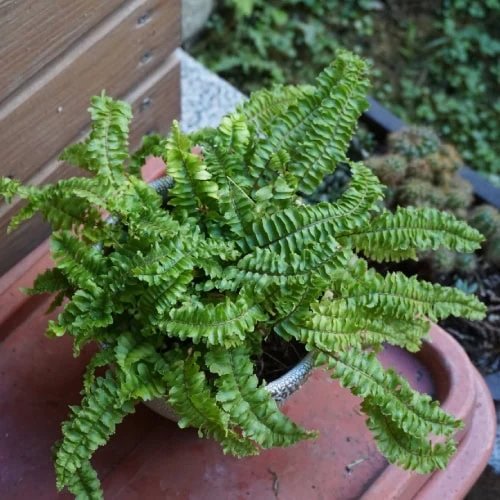
Boston ferns do need indirect light to actually thrive, so they’re not for pitch-black rooms. They can handle lower light than some plants, but they still want a bit of natural light to keep those feathery fronds healthy.
Filtered or indirect sun is best, so if you stick a Boston fern in a windowless room, it’ll start to decline after a while.
15) Lucky Bamboo (Dracaena sanderiana)
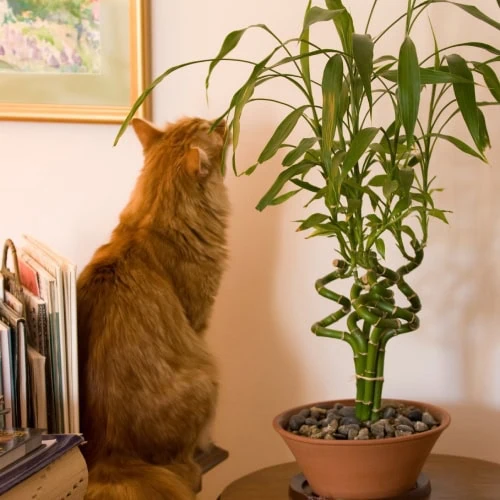
Lucky bamboo isn’t really bamboo, it’s actually part of the Dracaena family. It can survive with very little light, which is why you see it in offices or rooms that barely get any sun.
You can grow it in water or soil, whichever you prefer. It likes indirect light and can handle shade for long stretches. This easygoing plant comes from the rainforests of Cameroon and Congo, so it’s used to growing under thick canopies.
16) Prayer Plant (Maranta leuconeura)
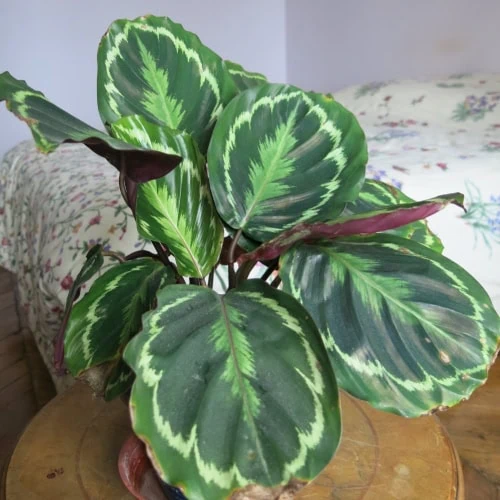
The Prayer Plant isn’t great in total darkness, but it does alright with less light than many. This tropical houseplant wants bright, indirect light to keep its vivid leaf patterns and that signature “praying” motion at night.
It’ll put up with lower light, but if you want it to look its best, give it a spot near a window with filtered light. Total shade just isn’t its thing.
17) Calathea Orbifolia
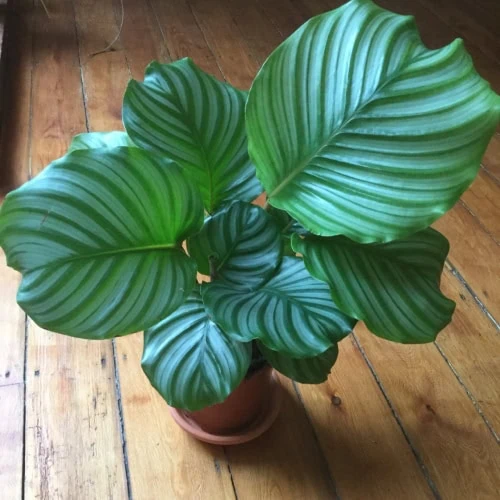
Calathea Orbifolia can handle low light, though technically it wants medium to low indirect light; not actual darkness. It’ll do alright in dim corners, maybe near a north-facing window or in shaded areas.
Try to give it around 8 hours of indirect light if you can. The big, striped leaves still look good in less light, but don’t expect fast growth if the spot is really dark.
18) Arrowhead Plant (Syngonium podophyllum)
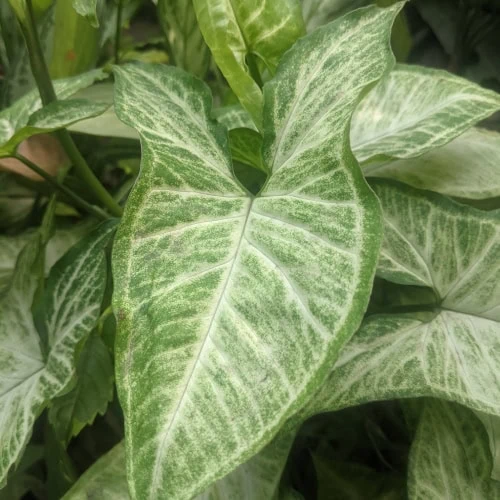
The Arrowhead Plant is better at handling low light than a lot of houseplants, though it does best with bright, indirect sun. It’s a good option for those dimmer spots where most plants just give up.
This tropical vine has arrow-shaped leaves in lots of colors and patterns. It adapts well to indoor spaces with not much natural light – offices, interior rooms, you name it. Growth slows a bit in the dark, but it won’t die off quickly.
19) Watermelon Peperomia (Peperomia argyreia)
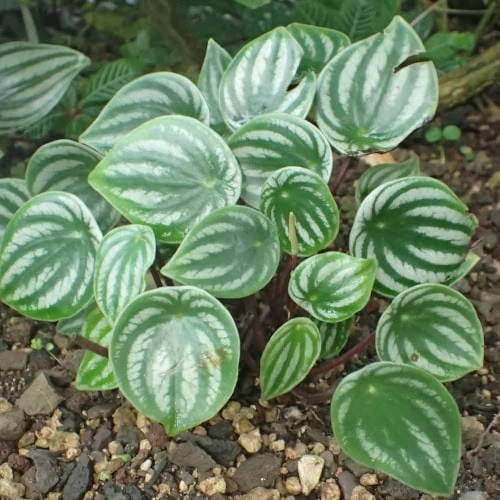
Watermelon Peperomias are pros at low light and make for stunning, eye-catching displays on shelves or desks. They thrive in spots with indirect light where their unique, striped leaves that look just like tiny watermelons can really shine.
Once your peperomia is settled in, it’s pretty low-key. Just water when the top inch of soil feels dry. It loves a bit of humidity but doesn’t want to sit in soggy soil, as its thick stems store plenty of water.
It’s the perfect plant for adding a tropical, textured look to a shady corner, and it won’t complain if it doesn’t get a front-row seat to a window.
20) Jelly Plant (Peperomia Clusiifolia)
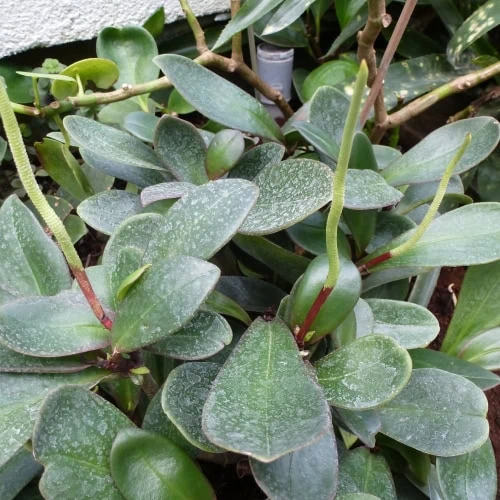
Peperomia Clusiifolia handles low light pretty well, but honestly, it looks its best with some nice, bright, indirect light. The thick, glossy leaves, with a hint of red or maroon around the edges, really pop and bring a bit of personality to any room.
Keep it out of direct sun, though, or those leaves might get a little crispy. It’s surprisingly happy under fluorescent lights for most of the day, say 12 to 15 hours. With its slow growth and minimal care needs, it’s a solid pick if you’re just getting into houseplants.