
Dragonflies bring natural pest control and an undeniable energy to any garden. These agile hunters feast on mosquitoes, gnats, and other bugs you probably don’t want buzzing around, all while adding a bit of drama and movement to your outdoor space. If you want to see more dragonflies, you’ll need to create the right habitat, and certain plants make all the difference!
The key to drawing dragonflies to your garden lies in selecting plants that thrive near water and support the insects they prey upon. Native aquatic or moisture-loving plants are your best bet, since dragonflies spend much of their lives around water. You’ll also want to mix in perennials that attract plenty of small insects, which are basically, dragonfly snacks.
This list covers twenty plant options, from water-dwellers to pollinator magnets. Each brings something unique to a dragonfly-friendly garden!
1) Water lilies
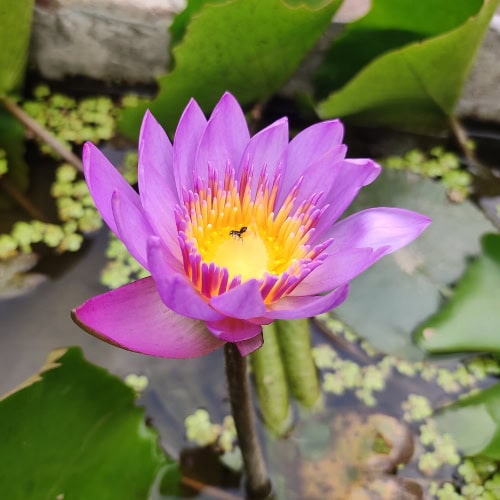
Water lilies are a classic choice for garden ponds if you’re hoping to see more dragonflies. Their broad, flat leaves give adult dragonflies a place to rest between flights and work surprisingly well as egg-laying platforms right on or just above the water.
Beneath the surface, water lilies create a sheltered world for dragonfly nymphs. These underwater “kids” spend months developing in the safety of the plant’s tangled roots, snacking on tiny aquatic creatures and staying out of sight from predators.
2) Milkweed
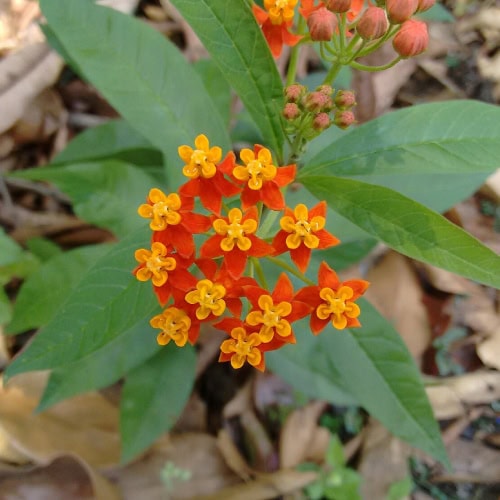
Milkweed isn’t just for monarchs, as dragonflies love it too as it attracts plenty of prey insects! Swamp milkweed loves moist soil but can handle average garden dirt, too.
Its big, fragrant flower clusters offer up nectar that and plenty of insects (that dragonflies prey on!) can’t resist. Milkweed creates a buzzing little ecosystem that dragonflies find hard to ignore.
3) Cardinal flower
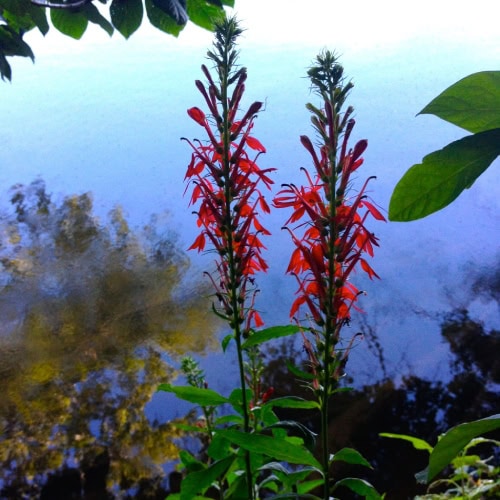
Cardinal flower is tough to miss with its bold scarlet blooms. This native perennial likes its feet wet, growing best in damp soils – right where dragonflies like to hunt.
The red flower spikes act as a beacon for dragonflies looking for prey or a place to pause. Tuck cardinal flowers near water or in any perpetually damp spot and you’ll notice more dragonflies checking in.
4) Pickerel rush
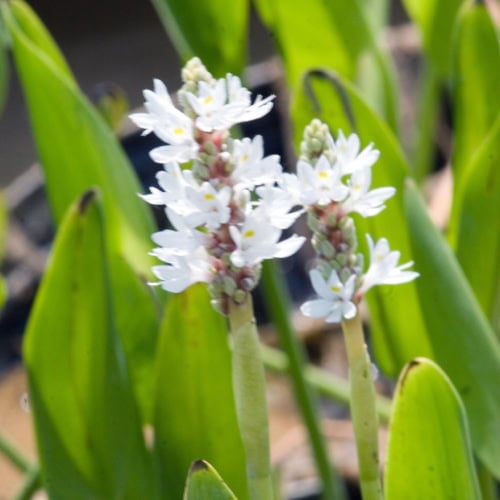
Pickerel rush is a go-to aquatic plant for dragonfly fans. It thrives in shallow water and along pond edges, sending up purple-blue flower spikes all summer.
Dragonflies love pickerel rush for its sturdy stems, perfect for perching or laying eggs. Females often pick the submerged parts to deposit eggs, which is a good sign you’ve created a welcoming spot.
5) Arrowhead
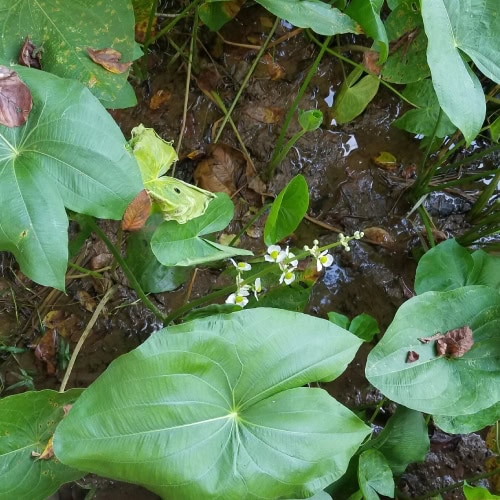
Arrowhead (Sagittaria latifolia) is an aquatic perennial with those unmistakable arrow-shaped leaves. These leaves give dragonfly larvae plenty of cover, helping them grow and survive.
Arrowhead does best in water gardens or at the edge of ponds, so it’s an easy pick if you’re looking to boost your dragonfly numbers. Plus, it’s low-maintenance, which is always a bonus.
6) Meadow sage
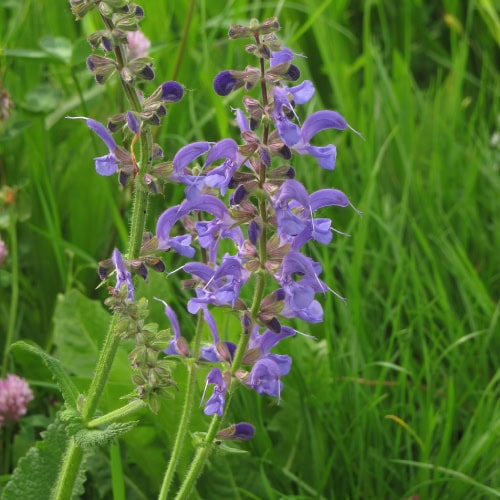
Meadow sage puts out spikes of purple-blue flowers that dragonflies seem to notice right away. The tall stems double as handy perches while they hunt. This perennial is tough, handling both sun and dry spells without much fuss.
The nectar-rich blooms draw in a crowd of small insects, which in turn attract dragonflies. Even if you don’t have a pond, meadow sage works well in beds or borders.
7) Asters
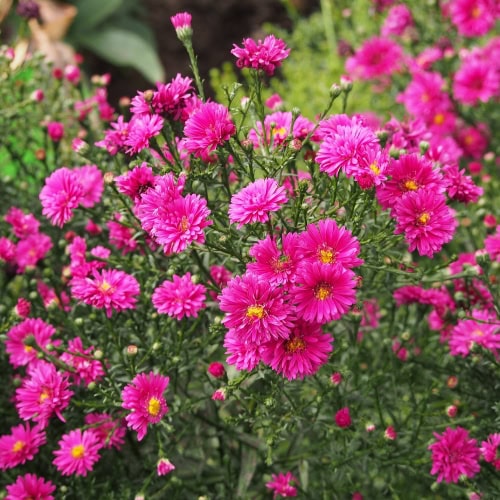
Asters bring a splash of late-season color and help attract dragonflies when most other blooms are fading. Their flowers lure small insects, which dragonflies hunt around the dense clusters.
They prefer full sun and moist, well-drained soil. Keep them watered and divide every so often for best results. New York aster is a favorite, with its blue and violet flowers.
8) Borage
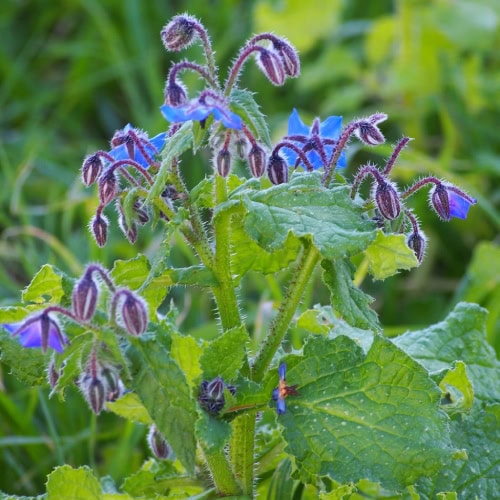
Borage stands out with its blue, star-shaped flowers and is ridiculously easy to grow. The plant’s nectar attracts a host of insects (that dragonflies prey on!) as well as bees and other pollinators, and the clusters offer a steady food source through the season.
Borage self-seeds, so once you have it, you’ll probably always have it. Its continuous blooming keeps dragonflies coming back for more.
9) Joe-Pye weed
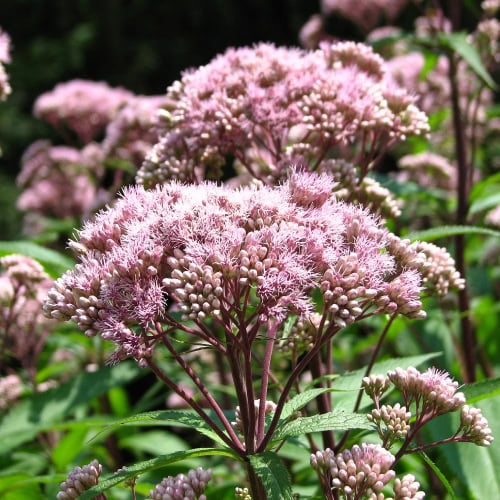
Joe-Pye weed towers over many garden plants, sometimes reaching seven feet tall. Its pink-purple flower clusters bloom in midsummer and attract dragonflies looking for both food and a good vantage point.
Dragonflies often use the sturdy stems to rest and keep an eye on their territory. The flowers have a sweet vanilla scent, which is a nice bonus for humans, too.
For best results, plant Joe-Pye weed in moist soil, such as pond banks or other consistently damp spots.
10) Goldenrod
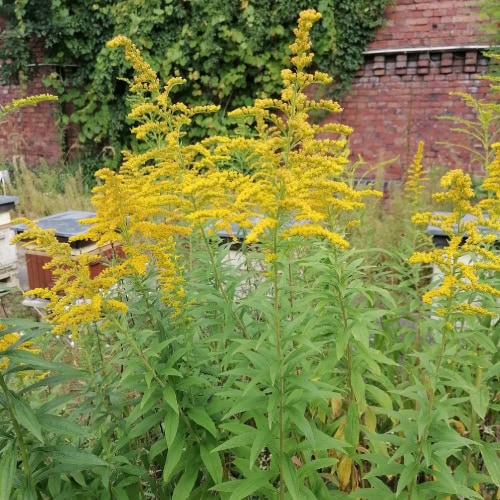
Goldenrod’s tall stalks and clusters of bright yellow flowers are a magnet for dragonflies. This perennial likes sun and well-drained soil, and it blooms late in the season when many other plants are winding down.
The flowers provide a steady nectar source for the prey insects of dragonflies, and the plant’s height offers perfect perches for dragonflies between hunting flights.
11) Swamp Milkweed
Swamp milkweed is happiest in moist soil, so it’s a natural fit for pond edges or rain gardens. Its pink flower clusters attract small insects, prime dragonfly food!
This native also supports monarchs, so you’ll see plenty of butterfly action, too. It can handle average soil but really shines when it stays consistently damp.
12) Blue vervain
Blue vervain puts out tall spikes of purple flowers from summer into fall. It likes moist soil and is right at home near water, making it a solid choice for pond edges where dragonflies gather.
The plant brings in small insects, aka. dragonfly food. Its upright growth gives dragonflies a place to rest between flights.
13) Marsh marigold
Marsh marigold thrives in soggy spots and lights up early spring with bright yellow blooms. The glossy, heart-shaped leaves and flowers give adult dragonflies places to perch and hunt.
It shades the water, which helps keep mosquito larvae in check. By bringing in other beneficial insects, marsh marigold helps support a healthy dragonfly population.
14) Cattails
Cattails are a classic for water gardens and pond edges. These tall aquatic plants offer sturdy perches for adult dragonflies and create a dense, protected area below the surface for nymphs to grow up safely.
They love sun and moisture, growing up to 10 feet tall. Their upright form makes them an ideal hunting spot for dragonflies chasing after mosquitoes and other insects.
15) Salvia
Salvia (or sage) sends up blue or purple flower spikes that dragonflies notice. The nectar-rich blooms attract small insects – just what dragonflies are after!
This drought-tolerant perennial likes full sun and well-drained soil. Plant meadow sage in beds or borders for a splash of color and a steady stream of dragonfly visitors.
16) Lobelia
Lobelia puts out vivid tubular flowers that make perfect perches for hunting dragonflies. Both Great Blue Lobelia and Cardinal Flower do well in moist soil, so they’re a natural fit for damp areas.
The flowers draw in lots of pollinators, setting up a lively insect corridor that dragonflies can’t resist. Plant lobelia by water or in any spot that stays reliably damp.
17) Butterfly bush
Despite the name, butterfly bush is a hit with dragonflies, too. Its big, cone-shaped flower clusters are packed with nectar and bring in swarms of small insects, prime hunting for dragonflies.
Flowers come in purple, pink, and white, so you’ve got options. This plant pulls double duty, attracting both pollinators and dragonflies, and helps with natural pest control.
18) Hibiscus
Hibiscus offers up giant, showy blooms that dragonflies love to land on. These tropical beauties need full sun and well-drained soil, so they’re right at home in warm climates.
The huge petals give dragonflies a sturdy place to rest while they hunt. Hibiscus also attracts plenty of insect prey, and its bold colors keep dragonflies coming back all season.
19) Coneflower
Coneflowers give dragonflies a solid place to perch and survey the garden. Their daisy-like blooms attract pollinators and plenty of small insects.
They’re happiest in full sun and well-drained soil. Once established, coneflowers are drought-tolerant and don’t need much attention.
With stalks up to three feet tall and a variety of colors, coneflowers are a practical and attractive landing pad for dragonflies in any yard.
20) Yarrow
Yarrow’s a tough perennial, and its flat-topped flower clusters are basically ready-made landing pads for dragonflies.
This wildflower’s native to North America and honestly, it doesn’t ask for much, and once it’s settled in, it shrugs off drought and just keeps going. Dragonflies love it, swooping in to hunt mosquitoes and other little pests that bug your garden.
Stick yarrow in containers, along borders, wildflower patches, or even let it loose in a meadow. Its bright blooms offer nectar, but more importantly, they give dragonflies a solid spot to pause and rest all season long.