
If you’re tired of waiting ages for your garden to fill in, fast-growing plants can be a real game-changer! These quick performers bring empty beds to life in weeks, not years. Whether you’re patching up gaps, starting from scratch, or just want to see some payoff for your effort, picking speedy growers makes the whole process a lot more satisfying.
Fast-growing options cover all sorts of categories, from vibrant flowers and fresh vegetables to shade-providing trees, so you’re not short on choices. Some will bloom or be ready to eat in under two months, others just take off and fill out quickly.
The plants here include annual flowers that brighten things up, veggies you can eat in weeks, herbs that don’t mess around, and trees that actually give you shade before you retire.
1) Sunflower
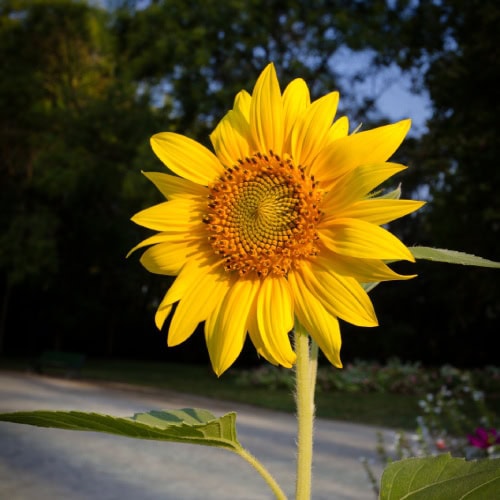
Sunflowers are tough to beat for speed. They usually sprout in about a week, maybe a little more, and you’ll see those big, iconic blooms in roughly two to three months.
Just plant sunflowers somewhere super sunny with soil that drains well. They don’t need much fussing over and are great for beginners. Plus, those yellow blooms really pop and add height to your garden.
2) Zinnias
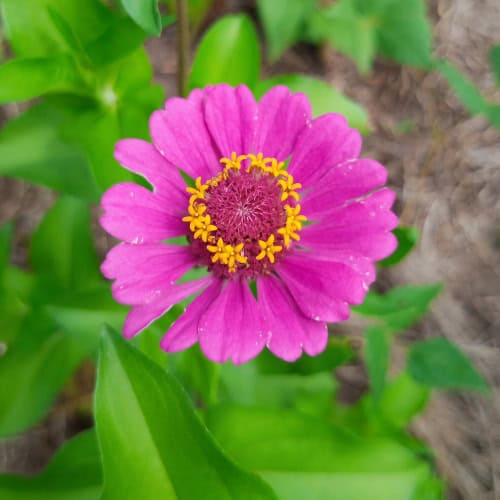
Zinnias are another go-to for impatient gardeners. They can go from seed to full bloom in just about two months, and you’ll see seedlings popping up in only a few days.
One of the best things about zinnias is how little care they need, yet they keep cranking out flowers all summer. They love the sun and usually grow into neat, bushy plants, around a foot tall, perfect for borders or pots.
3) Radishes
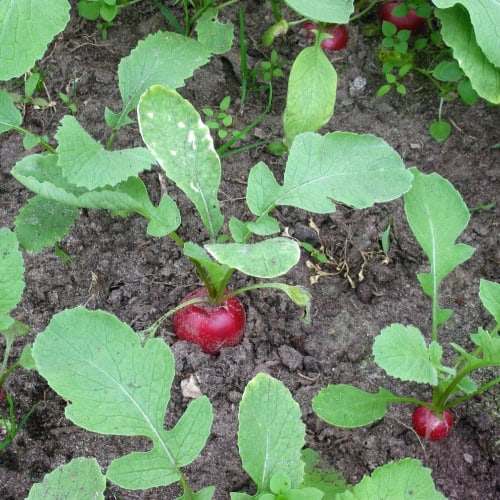
Radishes are lightning fast! They grow 20 to 40 days from seed to salad. They’re happy in cool weather and don’t ask for much space, so you can squeeze them in just about anywhere: containers, raised beds, you name it.
Plant radish seeds in soil that drains well and aim for a pH between 6.5 and 7.0. Keep things moist so the roots stay crisp and don’t get woody.
Classic varieties like Cherry Belle or French Breakfast are both fast and reliable.
4) Lettuce
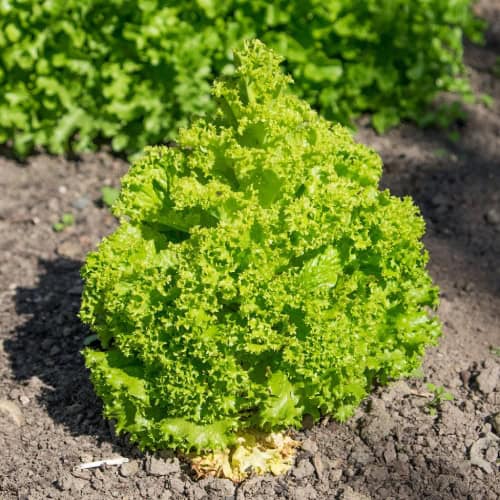
Lettuce is another super speedy vegetable. Some types are ready in 30 to 45 days, and if you’re after baby greens, you could be harvesting in less than a month.
Favorites like Black Seeded Simpson, Buttercrunch, and Red Sails grow fast, love cool weather, and don’t need much babysitting. You can grow them in beds, pots, or raised planters, pretty much whatever you’ve got!
5) Swiss Chard
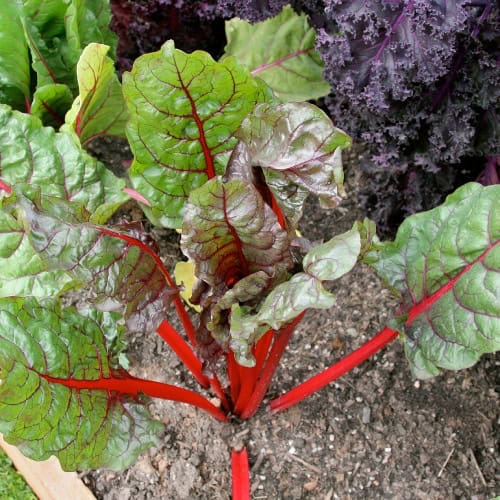
Swiss chard is ready for picking in about 40 days. Sow seeds about half an inch deep in early spring, or start them indoors if you’re feeling antsy about the last frost.
This one’s pretty tough, and handles both chilly and hot spells better than most greens. The stems are colorful, and the leaves are packed with nutrients, so you get both looks and food all season.
6) Marigold
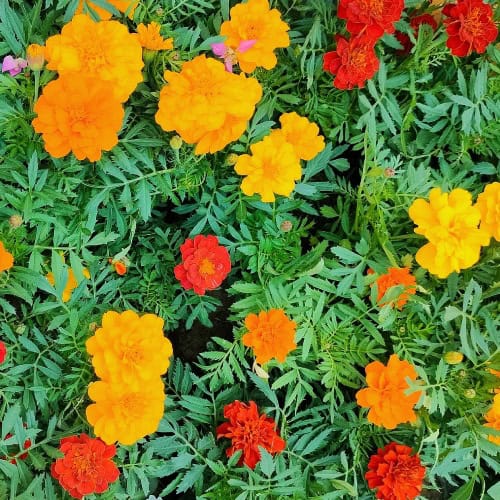
Marigolds are fast and bright, just 8 to 10 weeks from seed to a garden full of color. They’re easygoing about dry spells and love full sun, so you don’t have to hover over them.
Pick from dwarf types (6–12 inches) or go for the bigger ones if you want more impact. Either way, they’re great if you want flowers, fast.
7) Nasturtium
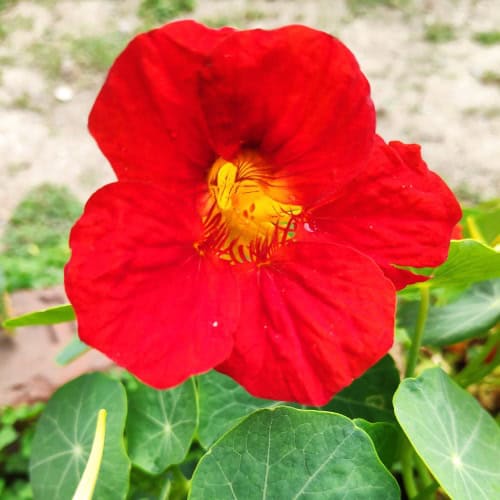
Nasturtiums don’t waste time. Seeds usually germinate in about a week and you’ll see blooms in 6 to 8 weeks.
Sow nasturtium seeds outside after frost, or start them indoors if you’re impatient. They’ll grow in poor soil and don’t need much once they’re up and running.
Bonus: both the leaves and flowers are edible and have a nice peppery kick.
8) Green Beans
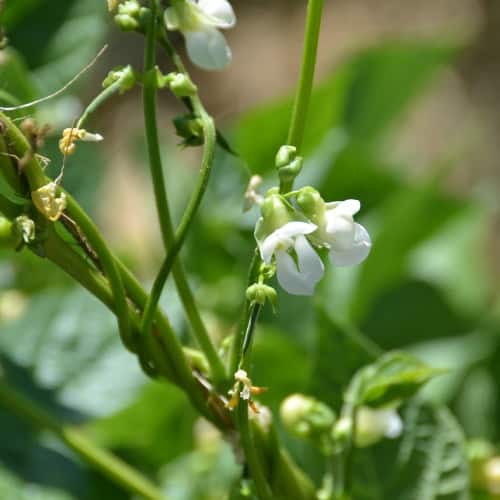
Green beans are quick off the mark. Bush types are ready in about 50 to 60 days, which is pretty speedy for a veggie.
The plants are compact (12–24 inches) and don’t need trellises. Go with bush beans for the fastest harvest, or pole beans if you want a longer picking season.
Wait until after the last frost, plant in sunny, well-drained soil, and you’ll have beans in no time.
9) Basil
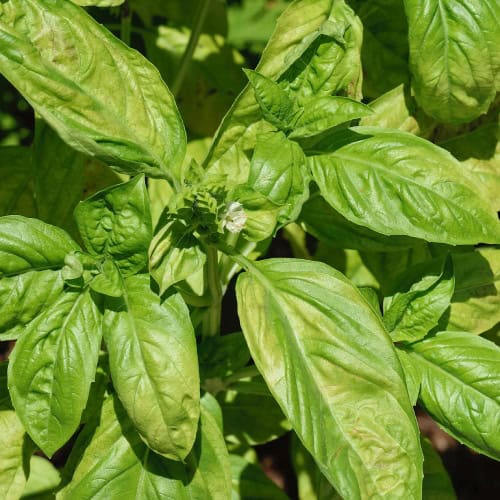
Basil grows like it’s got somewhere to be. You can start picking fragrant leaves just three or four weeks after sowing.
It likes warmth and lots of sun. Snip leaves often to keep it bushy and productive all summer.
Grow basil indoors or out! There are loads of varieties to choose, from classic sweet basil to smaller Greek types.
10) Dill
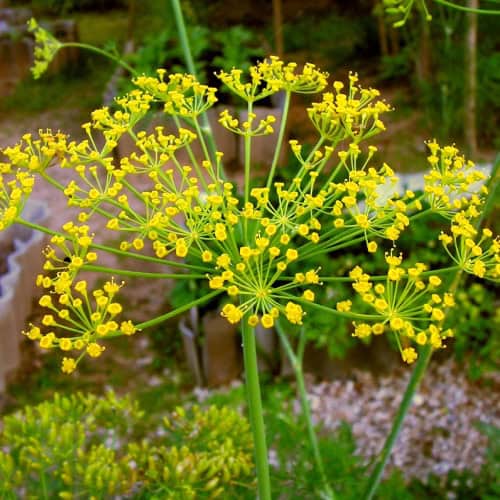
Dill is quick, and matures in just 20 to 35 days. Perfect if you’re in a hurry for fresh herbs.
Plant in full sun, well-drained soil, and keep it watered. It likes it cool, ideally between 50 and 70°F.
Dill tends to reseed itself, so once you’ve got it, you might not need to replant each year.
11) Cilantro
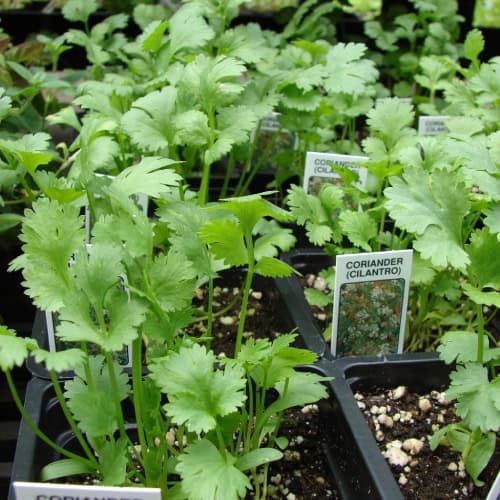
Cilantro really takes off, with leaves growing several inches a week if it’s happy. You can be harvesting in just three or four weeks.
Sow seeds a quarter inch deep, space them 6–8 inches apart, and keep the soil moist. Sun is good, but cilantro likes it cool, as hot weather makes it bolt, so plan accordingly.
12) Impatiens
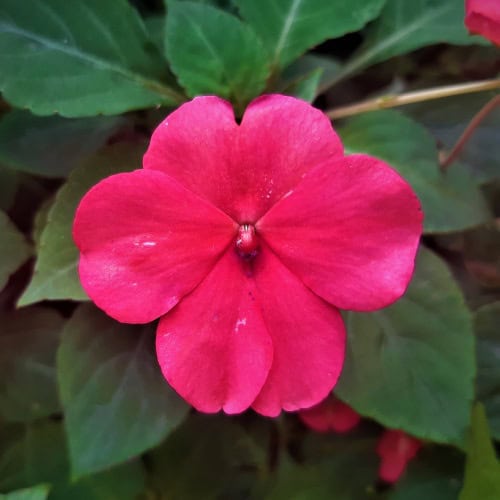
Impatiens are a lifesaver for shady spots; they’re fast, colorful, and low-maintenance. They fill out quickly and bloom like crazy all season.
Impatiens go from seedlings to flowers in no time. They’re happiest with a few hours of morning sun and the rest in shade.
Plant 8 to 12 inches apart in compost-rich, well-draining soil. Great for beds, pots, or hanging baskets.
13) Portulaca
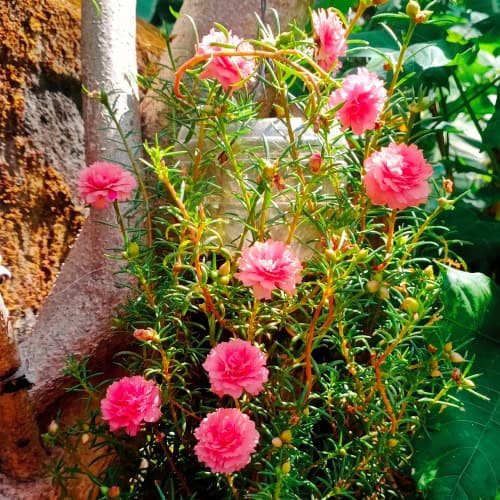
Need color, fast? Portulaca is your friend. It rockets from seed or transplant and loves full sun and heat, blooming nonstop from summer till frost.
Portulaca thrives in poor soil, shrugs off drought, and spreads out to fill bare spots. Not much bothers it once it’s established.
14) Hybrid Poplar
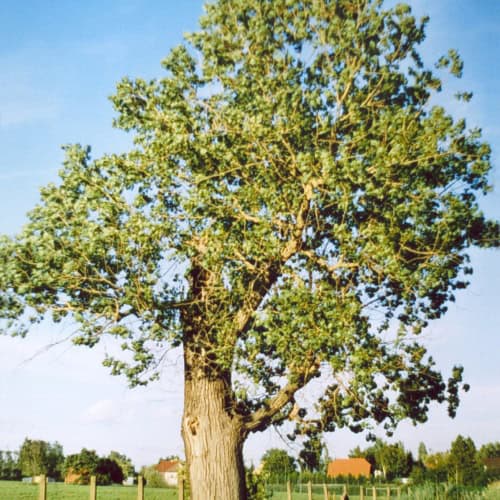
Hybrid poplars are almost ridiculously fast. They can shoot up 5 to 10 feet a year if they’re happy.
Expect them to hit around 50 feet tall when mature. They do well in zones 3 to 10, so most folks in the U.S. can grow them.
They’re popular for privacy, windbreaks, or quick shade, and aren’t picky about soil.
15) Willow Trees
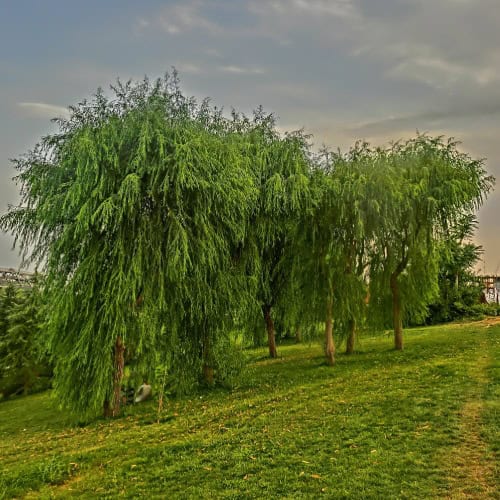
Willows have a reputation for speed! 6 to 10 feet a year isn’t unusual, depending on the type and how pampered they are. Weeping willows usually add 3 to 8 feet a year, but some hybrids go even faster with rich, moist soil.
These trees love wet spots and can reach 30 to 50 feet within 15 to 20 years. They’re easy to grow from cuttings if you’ve got a damp area to spare.
16) Silver Maples
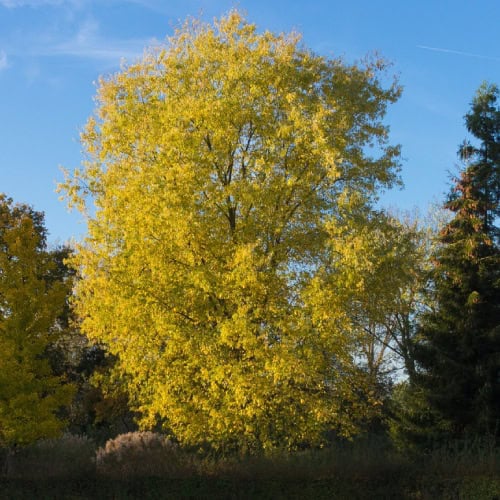
Silver maples are among the quickest shade trees to plant. They typically put on 2 to 3 feet a year, and some have been known to grow up to 7 feet with perfect conditions.
At maturity, you’re looking at 50 to 80 feet tall. They like moist soil and full sun, and those silvery leaves look great when the wind blows.
17) Leyland Cypress
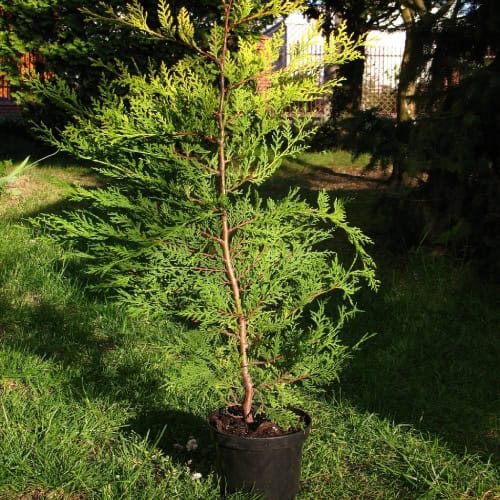
Leyland Cypress is an evergreen that can add 3 to 4 feet a year, making it one of the fastest trees out there. Mature ones get pretty big – 60 to 70 feet tall, with a spread of 15 to 25 feet.
This hybrid does well in zones 6 to 10 and isn’t too fussy about soil. Just make sure it gets at least six hours of direct sun for best growth.
18) Sweet Peas
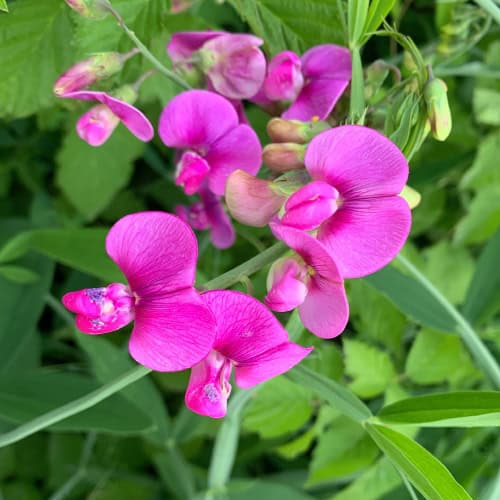
Sweet peas are annual climbers that shoot up fast. The fragrant flowers start showing up 8 to 12 weeks after planting, with the vines maturing in about three to four months.
Plant seedlings 6 to 9 inches apart for good coverage. You’ll get blooms just a month or so after the vines really get going.
19) Trumpet Honeysuckle
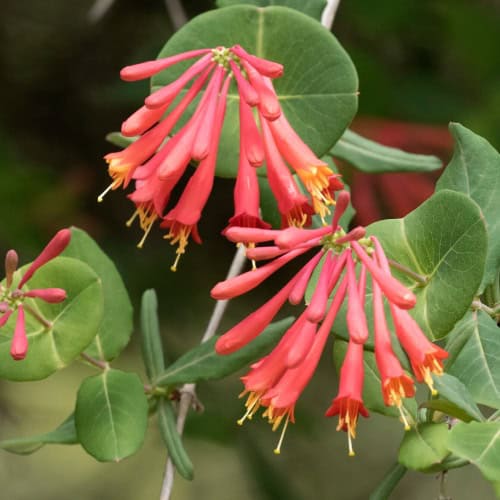
Trumpet honeysuckle (Lonicera sempervirens) is a fast-growing native vine that quickly covers fences, trellises, and arbors. Once established, it can grow 10 to 15 feet or more, making it a reliable choice when you want results without waiting years.
It does best in full sun to partial shade and adapts well to average garden soils. From spring through summer, it produces bright red, trumpet‑shaped flowers that attract hummingbirds and pollinators. Unlike invasive honeysuckles, this native species is well‑behaved and easy to manage.
Plant in spring for quick establishment. If you’re looking for a familiar, fast vine that supports wildlife, trumpet honeysuckle is a solid pick.
20) Cornflowers
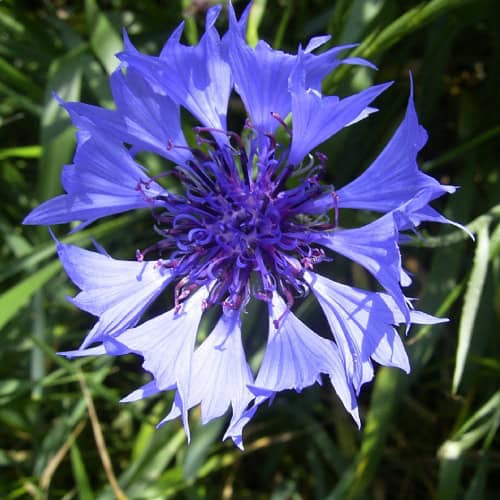
Cornflowers are a great pick if you’re a bit impatient and want to see results fast. They shoot up from seed and start showing off those vivid blue, pink, or white blooms just weeks after planting.
You can scatter cornflower seeds straight into well-draining soil wherever the sun hits for at least six hours a day. They aren’t too picky about soil quality, which is a relief if you don’t want to fuss over amendments.
These low-maintenance flowers are surprisingly versatile; pop them in container gardens or snip a few for cut flowers. Even when dried, they hang onto their color, which is a nice little bonus.