
Trying to keep a garden alive in dry conditions doesn’t mean you have to settle for boring plants or a bland yard. Incorporating drought tolerant plants can bring loads of color, texture, and interest, all while needing minimal water and fuss. These tough picks really shine in hot, sunny spots where most garden plants wilt, so they’re a smart choice for a drought tolerant garden design.
Whether you’re after fragrant herbs, bold perennials, funky succulents, or some swaying grasses, these varieties fit every garden vibe. Whether you are interested in front yard landscaping desert aesthetics or specific landscaping texas techniques, these plants are built for the heat.
Even for texas yard landscaping, you can maintain a beautiful space without the high water bill. When considering backyard landscaping drought tolerant options, you’ll find that these plants don’t let you down. There’s something here for pollinators, summer blooms, and anyone who likes their garden to mostly take care of itself!
1) Aloe Vera
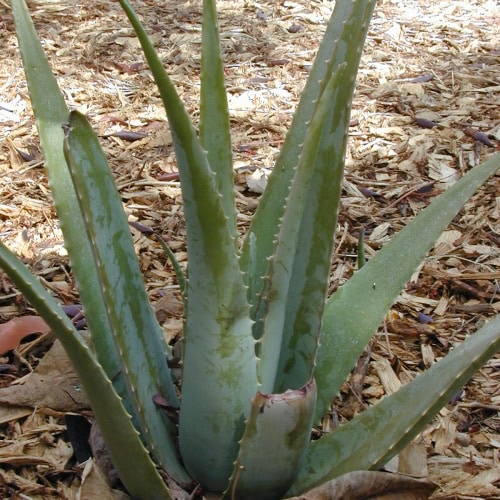
Aloe vera’s thick, fleshy leaves are built for dry spells, storing water so the plant barely notices when you skip a few waterings. It’s happiest in full sun and likes sandy, well-draining soil with a pH around 7 to 8.5.
Really, you don’t need to fuss over it much, just water occasionally. Plus, aloe’s got that soothing gel inside for burns and scrapes, which is a nice bonus.
2) Fountain Grass (Pennisetum alopecuroides)
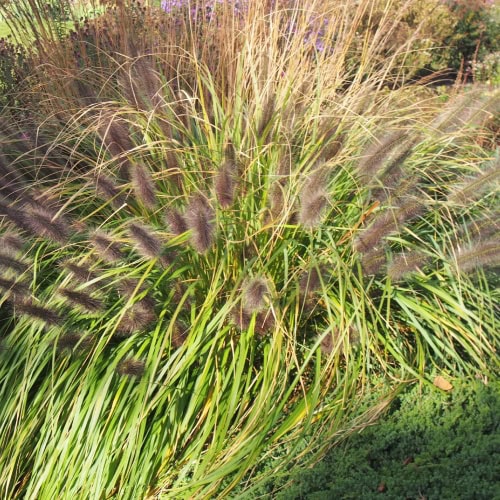
Fountain Grass grows in tidy clumps, reaching anywhere from 2.5 to 5 feet tall and just as wide. Its narrow green blades turn golden in fall, then beige as winter rolls in.
Come late summer, it sends up those soft, bottlebrush plumes. Once it’s settled in, this grass doesn’t mind dry spells and shrugs off poor soil. Full sun and well-drained dirt are the way to go.
3) Lavender
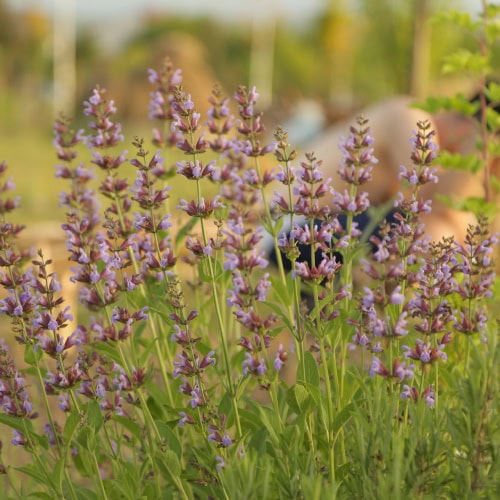
Lavender is honestly one of the most drought-hardy plants you’ll find. Coming from the Mediterranean, it’s made for dry, rocky soil and hot summers.
The gray-green leaves and fragrant flowers are easy on the eyes and the nose. Use it as a hedge, a standout plant, or for cut flowers, and enjoy that calming scent. Once it gets going, lavender barely needs water and loves full sun.
4) Coneflower (Echinacea)
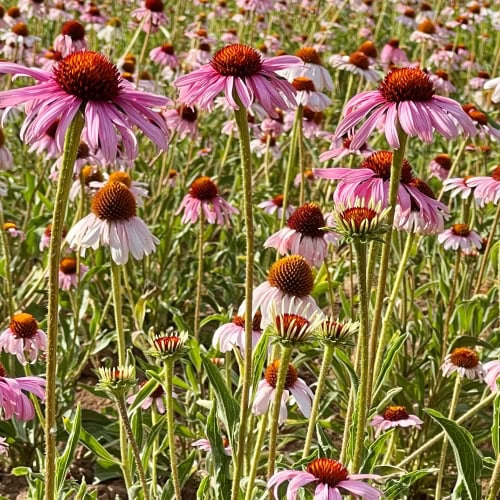
Coneflowers are tough perennials that don’t flinch at full sun, heat, or rough soil. After they’re established, you won’t be watering them much.
Space them 8 to 14 inches apart in well-drained soil. They draw pollinators and aren’t a favorite of deer.
Let the seed heads dry out in fall and you’ll probably get some volunteers popping up next year.
5) Black-Eyed Susan (Rudbeckia hirta)
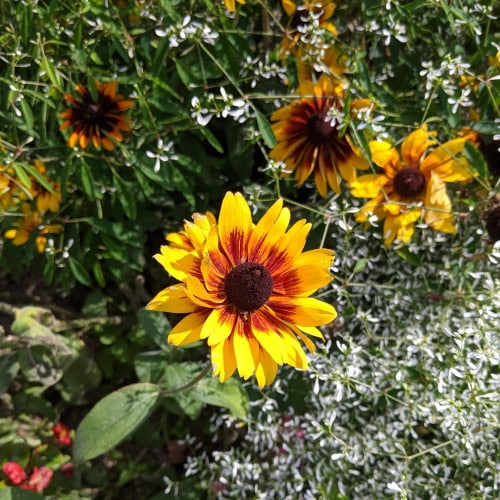
Black-eyed Susan is a North American wildflower that loves full sun and gets by on very little water after it’s settled in. You’ll get bright yellow blooms with dark centers from late summer to fall.
Plants usually hit 2 to 4 feet tall and spread out a bit, maybe 1 to 2 feet wide. They can handle drought, deer, and even salty conditions. If you want long-lasting color with almost no effort, these are a good bet.
6) Russian Sage (Perovskia atriplicifolia)
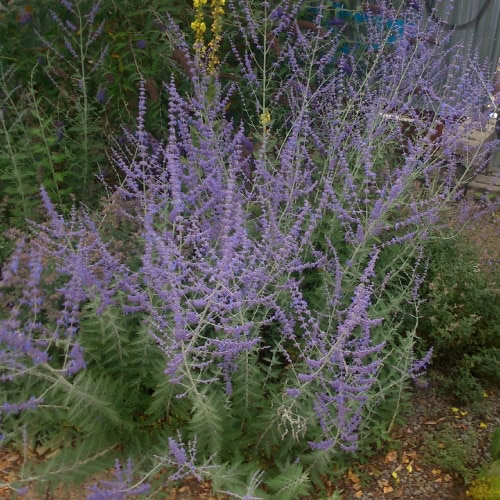
Russian Sage is all about silvery leaves and clouds of lavender flowers, but it barely asks for water. It’s a woody perennial, usually 2 to 4 feet tall, and wants full sun with well-drained soil.
It’s a great pick for rocky or dry spots where other plants struggle. Once established, it shrugs off drought and heat. The blooms last from midsummer into fall, and there’s not much maintenance involved.
7) Sedum (Stonecrop)
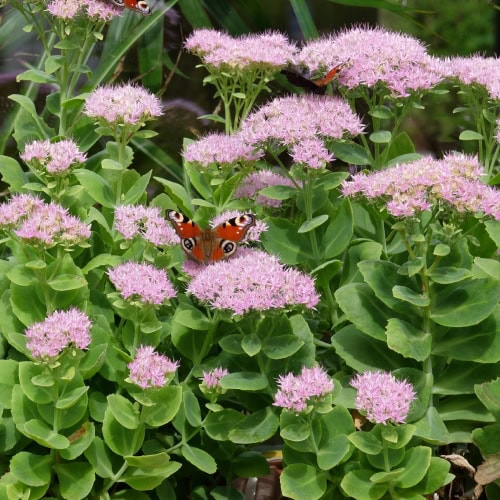
Sedum, or stonecrop, is a champ at handling drought after it settles in. These succulents stash water in their leaves, so they’re fine through long dry stretches.
Pick from low, creeping types or upright ones depending on your space. Sedums love sun and good drainage, making them perfect for rock gardens, borders, or as ground cover.
They’re easy to care for and don’t fuss about poor soil, so they’re great for gardeners who’d rather not hover.
8) Agave
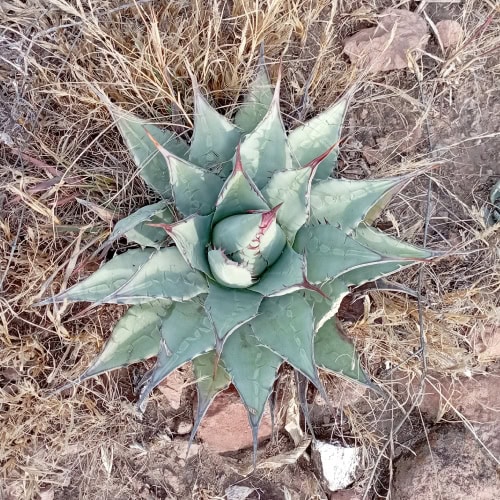
Agave is basically built for survival. Its thick leaves store water, letting it sail through droughts with barely any irrigation. These striking succulents are tough, and some even handle cold snaps down to negative twenty Fahrenheit.
Give them full sun and well-drained soil. They’re low-maintenance and look great in xeriscapes or any spot where you want something that’ll just get on with it.
9) Yucca
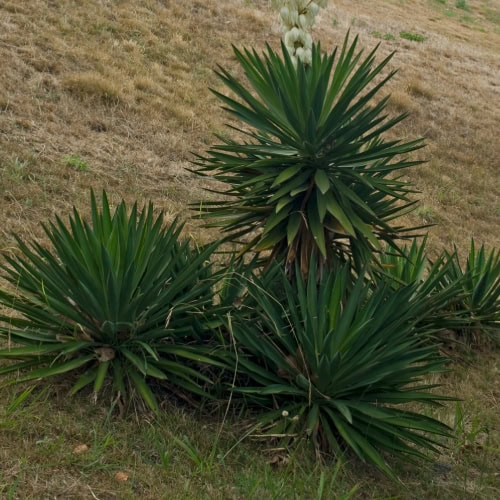
Yucca thrives in dry conditions thanks to its ability to stash water in its leaves and trunk. These evergreens do well in poor, sandy soils and don’t need much water after they get going.
Some varieties are surprisingly cold-hardy! Yucca filamentosa, for example, is fine in USDA zones 4 to 11, whereas Yucca glauca can handle down to negative 35 Fahrenheit. Use them in rock gardens, xeriscapes, or anywhere you want a bold, architectural look.
10) Blanket Flower (Gaillardia)
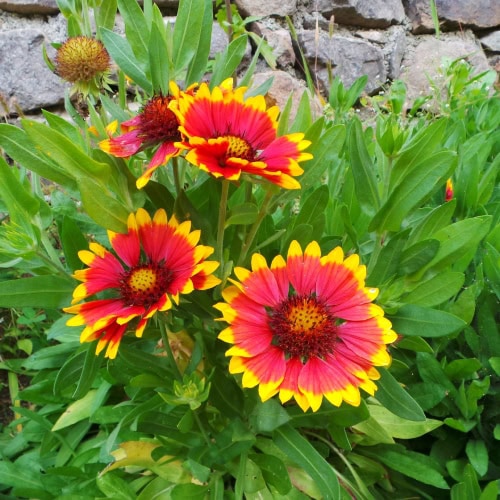
Blanket flowers bring a blast of red, orange, and yellow daisy-like blooms all summer. They thrive in full sun and well-drained soil, and once they’re settled, they don’t need much water.
Try them in borders, rock gardens, or even containers. Butterflies and bees love them, and they don’t mind heat or drought.
11) California Poppy (Eschscholzia californica californica)
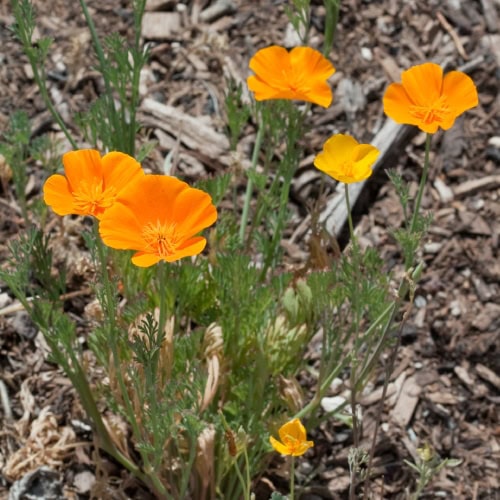
The California poppy, the state flower, handles drought like a pro. Plant it in poor, well-drained soil, and it’ll self-seed, coming back year after year.
Bright orange blooms show up from early spring to summer, and you’ll hardly ever need to water it. The petals close at night or on cloudy days, which is oddly charming.
12) Ice Plant (Delosperma)
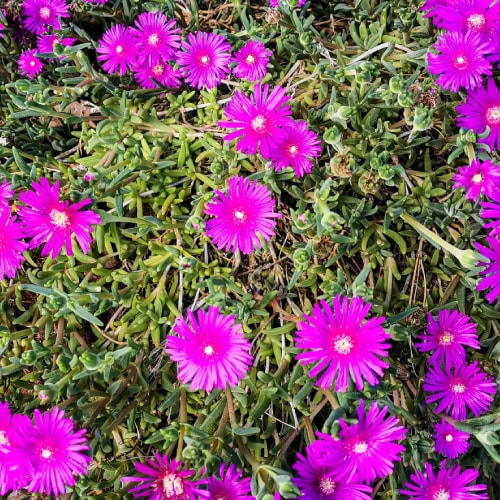
Ice plant is a low, spreading succulent groundcover that loves the heat. It puts out daisy-like flowers in all sorts of colors from June through October. The leaves have tiny hairs that sparkle, almost like frost.
This perennial spreads 1 to 2 feet and grows well in USDA zones 5 to 9. Once it’s in, it barely needs water, just good drainage. It’s perfect for rock gardens or anywhere you want a tough, colorful mat of plants.
13) Mexican Feather Grass (Nassella tenuissima)
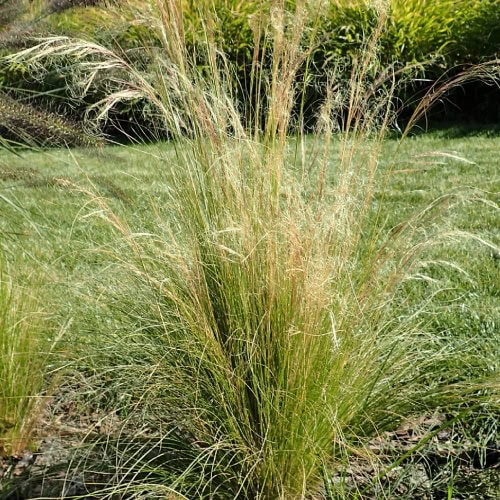
Mexican Feather Grass is a fine-textured ornamental grass from Texas, New Mexico, and central Mexico. Its wispy, silvery-green blades add movement and a soft look to any garden.
This perennial wants full sun and well-drained soil. After it’s established, you can almost forget about watering, as it’s that drought-tolerant!
14) Oleander
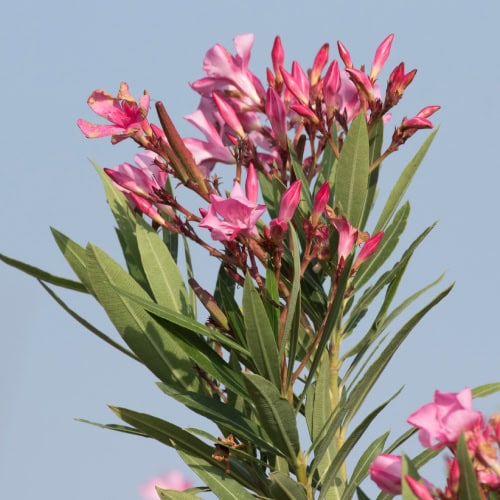
Oleander is an evergreen shrub that’s happy in hot, dry climates. Native to the Mediterranean and Southwest Asia, it puts out clusters of showy flowers but doesn’t need much water once it’s settled.
It grows in USDA zones 8 to 11, tolerates poor soil, salt, and even city pollution. Use it as a hedge or a standout shrub. The leathery leaves and year-round blooms make it a solid pick for water-wise gardens.
15) Rosemary
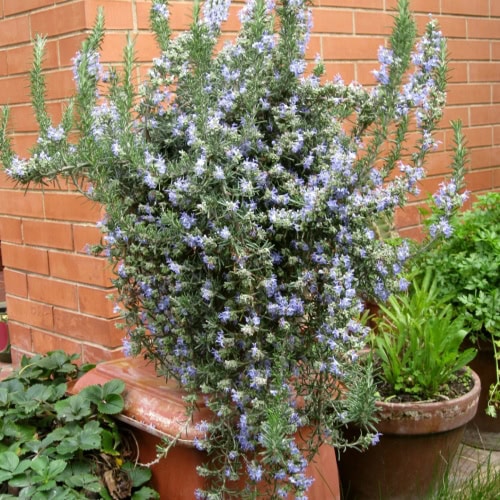
Rosemary, a classic Mediterranean herb, is right at home in dry gardens. The needle-like leaves smell amazing and are handy in the kitchen, too.
Once the roots are established, it barely needs watering. Rosemary handles poor soils and loves full sun, so it’s a good fit for xeriscapes.
Grow it in pots, beds, or as a hedge. In winter and spring, you’ll see tiny flowers in blue, pink, or lavender.
16) Purple Sage (Salvia leucantha)
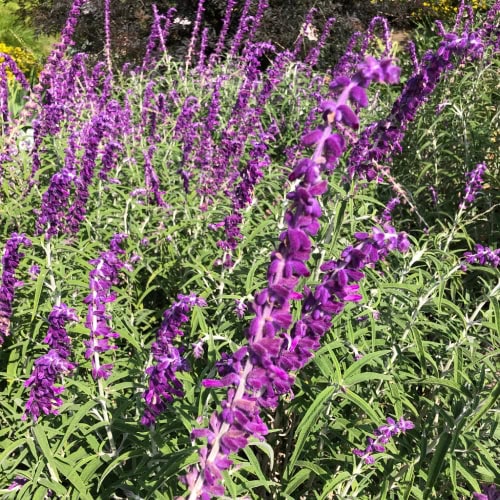
Purple sage is a standout drought-tolerant shrub from California. Its silvery leaves and lavender flowers look great in a xeriscape.
It’s low-maintenance, wants full sun, and needs well-drained soil. Once it’s established, you can cut back on watering; though a little summer water keeps it greener.
Purple sage works as an accent or a small hedge. The flowers attract butterflies, moths, and birds, so your garden won’t be lonely.
17) Santolina
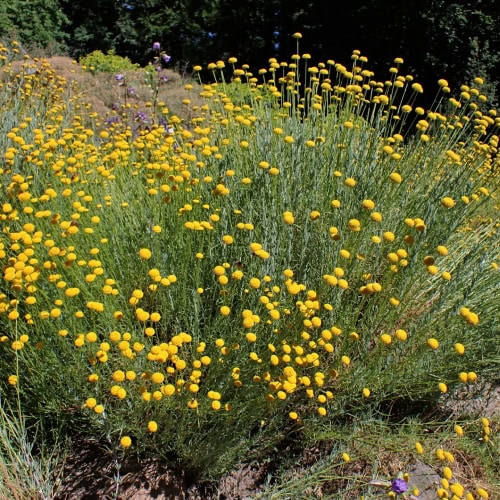
Santolina is an evergreen shrub that barely notices dry spells. The aromatic foliage and bright yellow flowers make it a fun addition to water-wise gardens.
Once it’s settled in, it’s happy without much water. Full sun and well-drained soil are best.
Pests and diseases mostly leave it alone. Its compact, rounded shape fits nicely in borders or any drought-tolerant design.
18) Texas Ranger (Leucophyllum frutescens)
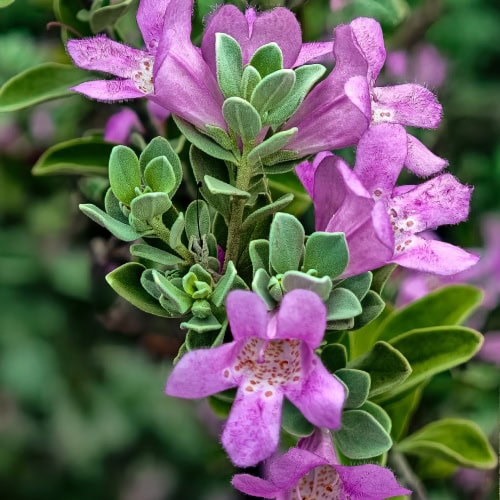
Texas Ranger is an evergreen shrub from the Southwest and northern Mexico. It usually grows 5 to 8 feet tall and wide, with striking silvery-gray foliage that stands out all year.
Showy pink, lavender, or white flowers pop up throughout the season, often after rain. It likes full sun and well-drained soil, so it’s a natural for xeriscaping and low-maintenance yards.
19) Society Garlic (Tulbaghia violacea)
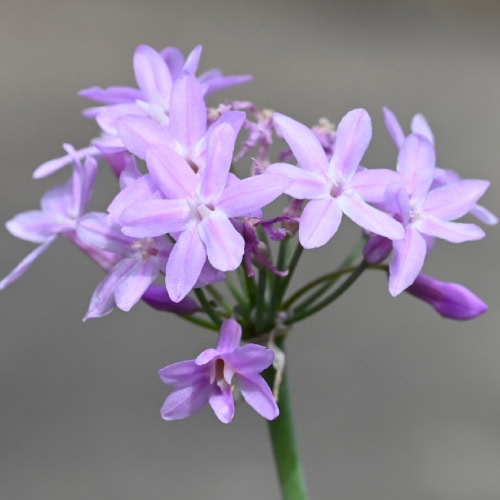
Society Garlic is a tender perennial from southern Africa that really seems to enjoy hot, dry weather. Its narrow, gray-green leaves can reach about a foot, and in the right spot, you’ll see clusters of lilac-purple flowers popping up all season long.
If you’re the type who forgets to water now and then, you’ll probably like how tough this plant is once it settles in. That said, it does perk up with a bit of water during growth spurts. The leaves give off a garlicky smell when you brush past or crush them; handy if you want an edible herb that also works as a border in your garden!
20) Autumn Sage (Salvia greggii)
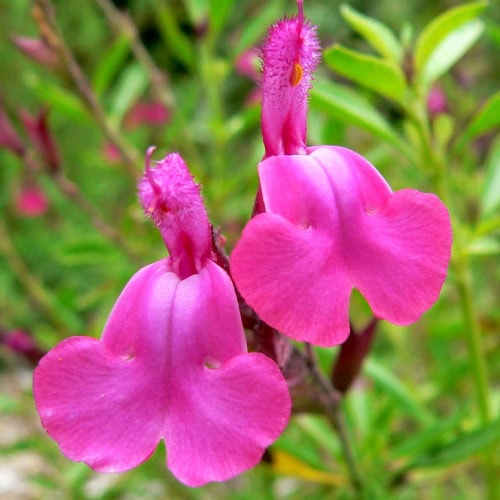
Autumn Sage thrives in hot, dry conditions, pushing out vibrant tubular flowers from spring all the way through fall. This semi-woody perennial usually tops out around 2 to 3 feet tall with a similar spread – compact, but not too tiny.
If you like seeing hummingbirds and butterflies flitting around, this plant’s a solid choice. Once it settles in, it barely needs any water, and it’s not picky about rocky or poor soil.
It looks great tucked into borders, massed together, or even spilling out of containers. With its evergreen leaves and generous blooming season, it brings a lot to the table for anyone after a low-maintenance landscape.