
You might think catching fish from a quiet pond is a great way to get fresh, local food, but honestly, that calm surface can hide a lot you don’t see! Many ponds pick up runoff from roads, lawns, and sometimes even industrial sites, which brings in chemicals and bacteria. Yes, you can get sick from eating pond fish if the water contains pollutants or harmful microorganisms that build up in the fish.
Not every pond is dangerous, but it’s tough to know what’s in the water unless you actually test it. Contaminants like heavy metals or E. coli can stick around even when the pond looks perfectly clear. If you’re aware of the possible health risks, you’re a lot more likely to make smart decisions about what you eat.
This article digs into how pond conditions shape fish safety and what you should actually think about before you eat your catch. Where your fish comes from matters just as much as how you cook it, maybe even more sometimes.
Health Risks of Eating Pond Fish
Eating fish from a pond can expose you to bacteria, parasites, and chemical contaminants that pose genuine health risks. Poor water quality, improper handling, and not cooking fish thoroughly often make illness more likely. Getting familiar with these threats is the only real way to decide if your catch is safe.
Pathogens in Pond Fish
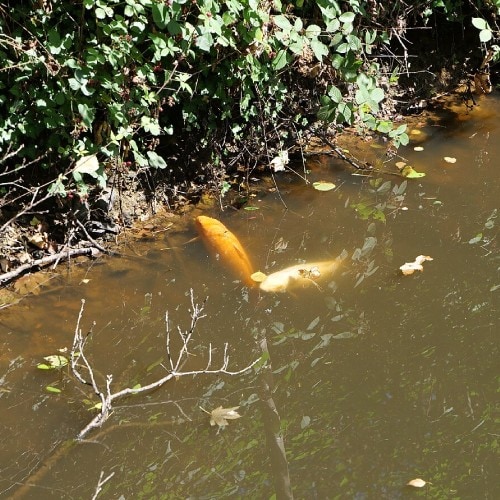
Pond fish are often home to pathogens that thrive in warm, nutrient-rich freshwater. Bacteria like Aeromonas, Edwardsiella, Klebsiella, and Mycobacterium can infect fish, and sometimes even people. When a pond isn’t maintained or the pH is off, these microorganisms multiply fast, throwing the whole ecosystem out of balance. There are also viral and fungal agents, like those behind carp pox or white spot disease, that signal trouble in the water.
Undercooked or badly stored fish can up your risk. Most pathogens die if you cook fish properly, but eating raw fish or only lightly cooked seafood from a pond is just not a good idea. Regular water testing and keeping oxygen levels steady can help keep bacteria and fungi in check. And honestly, if you see sick or dying fish, that’s a big red flag for the rest of your stock.
Types of Fish-Borne Illnesses
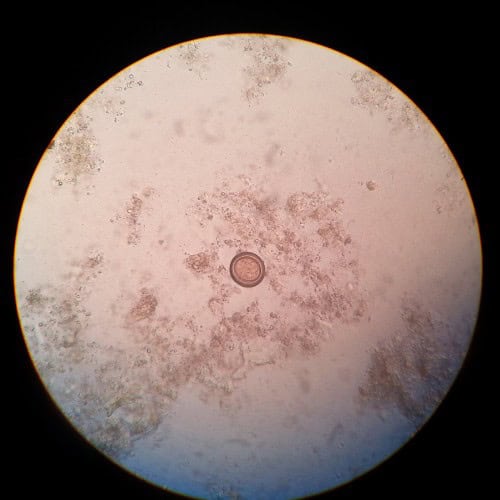
You can pick up several fish-borne illnesses after eating contaminated pond fish. Bacterial infections are the most common – think Salmonella or Streptococcus iniae, which can leave you with diarrhea, fever, or even joint pain. Erysipelothrix bacteria can get into cuts while you’re handling fish, causing a skin infection called erysipeloid.
Parasitic infections like tapeworms and flukes can show up if you eat raw or undercooked fish. Symptoms might be as mild as a stomachache or as frustrating as ongoing fatigue. Viral exposures are less common, but they can happen if the pond is shared with infected animals. Freshwater species from garden ponds are more prone to bacterial contamination than saltwater fish, mostly because the water can get stagnant. If you spot any signs of infection in a fish, it’s best to skip it, even if you think it’s cooked well enough.
Key Risk Factors for Sickness
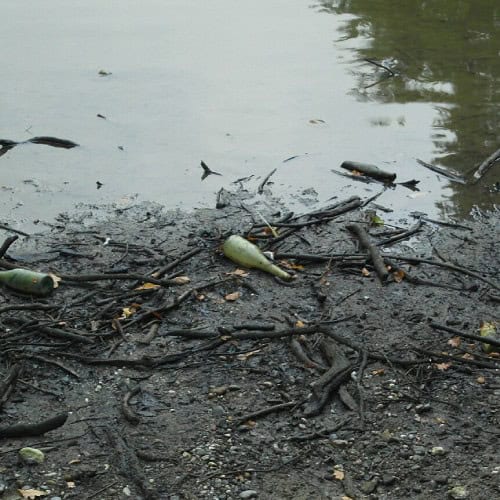
Your risk jumps when water quality drops or fish are crowded into polluted ponds. Runoff loaded with fertilizers or pesticides can mess with pH and introduce chemicals that build up in fish over time. Low oxygen and high ammonia? That’s the perfect setup for disease-causing bacteria and fungi to take over.
How you handle the fish matters too. If you don’t wash your hands or utensils after cleaning fish, you can spread bacteria to other foods. Eating pond fish that’s undercooked or left out too long is just asking for trouble. Bottom-dwellers like catfish or carp usually pick up more contaminants than fish that swim near the surface, like bluegill.
Common Signs of Harmful Fish Diseases

Spotting fish diseases can help you steer clear of eating sick animals. Keep an eye out for weird stuff like bulging eyes, dropsy (a swollen belly), ulcers, or patches of odd color. Sick fish sometimes swim in strange ways, ignore food, or have fins that look torn up. If you notice fuzzy, cotton-looking growths around the mouth or gills, that’s usually fungus making itself at home.
It’s a good idea to watch how your pond fish act before thinking about harvesting them. If one hangs out alone or drifts near the surface, that’s not a great sign – it could be stress, or maybe something worse.
Here’s a quick table with things to check for:
| Indicator | Possible Cause | Health Concern |
|---|---|---|
| Bulging eyes | Bacterial infection | Mycobacterium, Streptococcus iniae |
| Skin lesions | Fungal or parasitic infection | Aeromonas, White spot disease |
| Swollen abdomen | Internal infection or dropsy | Edwardsiella, Erysipelothrix |
| Erratic movement | Poor water quality | Low oxygen, pathogen exposure |
Honestly, if you see any of these signs, even just a little, it’s probably best to skip eating that fish. Why risk getting sick?