
Winter can be a tough stretch for anyone with a backyard pond. Cold snaps, ice, and low oxygen levels are just a few of the headaches that might leave your fish struggling if you don’t stay ahead of things. Understanding how your fish handle the cold, as well as what they actually need to get through it, can save you a lot of heartbreak (and a lot of fish!).
When the water drops below 45 to 50 degrees Fahrenheit, your fish slip into a sluggish state called torpor. Their metabolism slows way down, they barely eat, and they don’t need much oxygen. Most of them will hang out at the bottom where the water’s a bit warmer, and basically chill there until spring. Your main job? Make sure there’s enough oxygen, keep the pond from freezing solid, and try to keep the water quality from going downhill.
The upside: hardy fish like koi and goldfish can handle winter outdoors, year after year, if you’re on top of a few basic routines. Adjusting feeding schedules, scooping out debris, managing ice, and making sure your pond’s deep enough, as these are the things that’ll help your fish come out the other side healthy and ready for spring.
Key Steps to Protect Pond Fish During Winter
Getting through winter with your fish intact means watching the water temperature, keeping oxygen levels up, changing how you feed, and protecting the pond from ice and nasty weather.
Monitoring Water Temperature and Using a Pond Heater

Water temperature is everything for pond fish in winter. When things dip below 10°C, koi and goldfish basically hit pause on life. The warmest water (well, “warm” is relative) settles at the bottom, around 4°C, and that’s where the fish huddle up.
You don’t need to crank up a heater and turn your pond into a spa. In fact, that’d mess with their natural rhythm. The main thing is to avoid big temperature swings and keep things steady.
A submersible pond heater or deicer isn’t there to warm the whole pond, as it just keeps a hole open in the ice. That way, gases like methane and ammonia can get out, and oxygen can get in. Place the heater near the surface so it does its job without stirring up the cozy bottom layer.
It’s worth using a pond thermometer, checking a few different depths now and then. This gives you a heads-up if things start to change, so you can tweak your setup if needed.
Maintaining Adequate Dissolved Oxygen Levels

When ice covers your pond, oxygen can get scarce fast. Plants aren’t making much oxygen in winter, and beneficial bacteria keep using up what’s left as they break down any gunk. If you don’t step in, oxygen can drop to dangerous lows.
Aeration systems are honestly a lifesaver here. Bottom-mounted diffusers move water just enough to bring oxygen down and let nasty gases bubble up and out. They keep working all winter, quietly preventing those scary oxygen crashes.
Why bother with winter aeration?
- Stops toxic gases from building up
- Keeps oxygen moving around
- Helps keep ice open naturally
- Cuts down on fish stress
- Lowers the risk of those dreaded winter die-offs
Pair an aerator with a deicer for best results. The aerator keeps oxygen circulating, and the deicer makes sure there’s always a clear hole in the ice, even in the worst cold.
Managing Feeding and Fish Health

Feeding fish in winter is a whole different ballgame. Their metabolism slows to a crawl, and honestly, they can’t digest food like they do in summer. Koi and goldfish just can’t handle food below 10°C, and once it hits 4°C, forget it.
Here’s a rough guide:
- Above 10°C: Feed as usual with their regular pellets
- 10°C to 4°C: Start cutting back; less food, less often
- Below 4°C: Stop feeding completely
If you toss in food and it just sits there, it’ll rot and mess up the water Watch how your fish act. If they’re barely moving and don’t come up for food, that’s your cue to leave them alone. Healthy fish can go months without eating when they’re dormant in winter, so don’t stress about it.
Dealing With Ice, Snow, and Winter Hazards
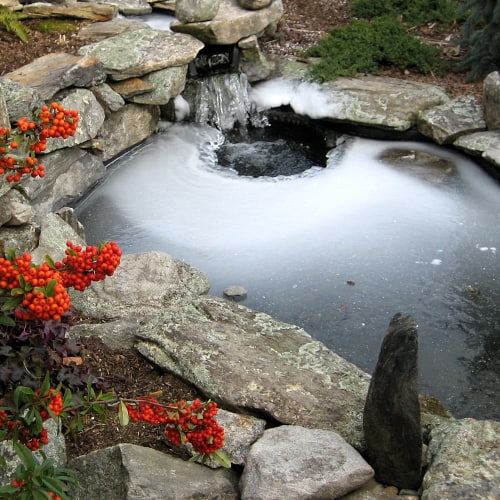
Ice isn’t always the enemy, as it actually helps insulate the pond. The issue is when the whole surface freezes over, trapping gases and blocking oxygen. Snow on top makes it even worse by blocking any last bit of light.
Brush snow off the ice when you can, so a little light gets through. But don’t go smashing the ice to make a hole, as those shock waves can seriously hurt (or even kill) your fish. It’s not worth the risk!
Get rid of leaves, twigs, and other junk before winter sets in. Anything left in there keeps breaking down, using up oxygen and releasing bad stuff. Trim back dead plants, but leave a bit for bacteria to hang onto.
Adding some beneficial bacteria before things freeze can help break down whatever muck is left. These little guys help keep the water cleaner, giving your fish a better shot at a healthy winter. Once spring rolls around and things warm up, you can add another dose to kickstart the pond’s cleanup.
Choosing and Caring for Different Fish Species in Outdoor Ponds
Not all fish are cut out for winter. Hardy types like koi and goldfish can tough it out, but tropical fish need special care; or a ticket indoors.
Caring for Hardy Species: Koi and Goldfish
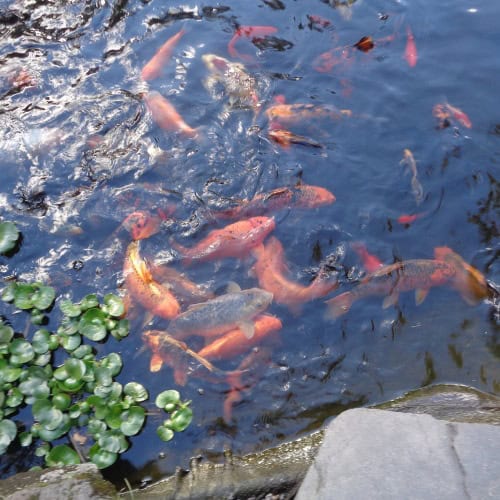
Koi and goldfish are the go-to choices for outdoor ponds that see a real winter. They’ll slip into torpor when the water gets down to 39°F, stop eating below 50°F, and settle at the bottom to ride things out.
If your pond isn’t at least 3 feet deep, you’re asking for trouble. Deeper spots help keep the temperature steady and give fish a safe place to rest. A pond heater or de-icer keeps a small patch of ice open so gases can escape and oxygen can get in.
In the fall, feed them a higher-protein diet so they can store energy for the winter. But once temps drop below 50°F, stop feeding. Koi and goldfish are pretty forgiving, which makes them a solid pick if you’re new to all this.
Special Requirements for Non-Hardy Fish and Guppies
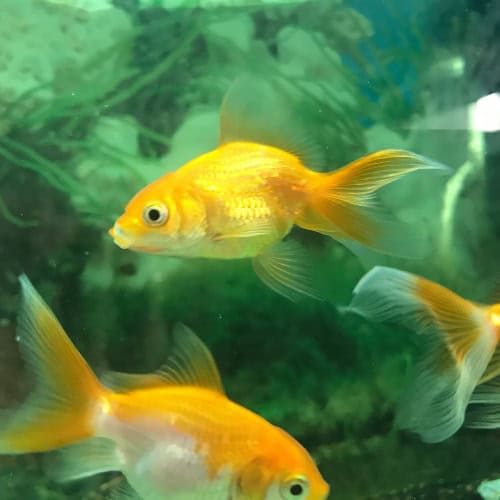
Tropical fish like guppies? They’re not going to survive a real winter outside. These guys need water between 72°F and 82°F all year. If your pond’s dropping below 60°F, it’s time to move them inside.
Guppies don’t handle cold well at all. They’ll get sluggish, sick, or worse if you leave them out too long. Bring them in before the first frost, ideally. Quarantine them for a bit to check for disease before adding them to your indoor tank.
Some fancy goldfish types and other ornamental fish bred for warm water also need special treatment. Always check the specific needs for every species you keep. Planning ahead for extra indoor space can save you a lot of stress (and a lot of fish) when winter hits.
Ensuring a Balanced Ecosystem All Winter

Keeping your pond’s ecosystem in good shape through winter isn’t exactly hands-off. Water quality and oxygen levels matter, even when everything seems still. Fish, even when they’re sluggish, keep producing waste, so those helpful bacteria need some oxygen to break down ammonia and nitrites.
It’s a good idea to run a small pump or aerator, just enough to keep things from getting totally stagnant. And if you can, clear out leaves and debris before winter sets in, as less gunk means less oxygen gets used up as it decays.
Sure, bacteria slow down in cold water, but they don’t vanish. Your biological filter is still doing its job, just not as fast. It’s worth checking your water parameters every month or so, even in winter, as catching issues early is way easier than dealing with a mess later. Honestly, ponds with the right number of fish per gallon seem to take winter in stride, while overstocked ones tend to struggle.