
As winter finally loosens its grip and those temperatures start to creep up, you might find yourself itching to get back into your usual pond maintenance routine. But when it comes to feeding your pond fish, it’s not about the calendar or how warm the air feels, it’s all about water temperature!
You’ll want to wait until the water reliably sits above 40°F to 50°F before you toss in any food. Seriously, feeding too early can do more harm than good, since your fish’s digestive systems just aren’t up for it and any excess food with contribute to waste (causing water quality issues come Spring).
All winter long, your fish have been in a kind of slow-motion hibernation, burning through their stored energy and not needing any extra food. Now, as spring creeps in, timing becomes pretty important. If you feed them before their bodies are ready, you could end up with sick fish, or worse.
You’ll want to keep an eye on your pond’s water temperature (a cheap thermometer is a lifesaver here), get a feel for which foods are easiest for your fish to digest in early spring, and gradually work your way up with portions as the season gets rolling.

- Hikari Wheat Germ 4.4Lb Medium
- Hikari Wheat-Germ Is A Highly Nutritious, Easily Assimilated, Highly Digestible Daily Diet For Koi And Other Pond Fish
- It will have your aquatic pet looking their best while improving their fertility.
Determining When to Start Feeding Pond Fish After Winter
The best time to start feeding your pond fish comes down to two things: water temperature and what your fish are actually doing. You’ll need to check your thermometer and watch your fish to make the right call.
Key Water Temperatures and Seasonal Triggers

Water temperature is the big one here. Most folks recommend holding off until your pond stays above 50°F (10°C) for several days in a row, though you’ll see some people say you can start as low as 40°F (4°C).
If you want to play it safe, waiting for a steady 50°F or higher is the way to go. Below that, your fish’s metabolism is still crawling and they just can’t handle food the way they normally would.
During winter dormancy, your fish are in torpor; basically, everything slows way down. If you feed them before they’re ready, the food can just sit there in the pond and contribute to waste and water quality problems.
And don’t be fooled by the calendar, as spring shows up at different times depending on where you live. It’s your local water temperature that matters, not the date.
How Fish Behavior Signals Feeding Readiness

Temperature isn’t the only clue. Your fish will let you know when they’re ready to eat. When you start seeing them swimming around near the surface, acting a bit more lively, that’s a good sign their metabolism is waking up.
If they’re still hanging out at the bottom, barely moving, it’s not time yet. Sometimes you’ll notice them moving around a little as things warm up, but you’re looking for consistent activity.
When you do see them getting active, start slow. Offer a small amount of easily digestible food every other day – wheat germ formulas are a solid choice since they’re gentle on fish that haven’t eaten in months.
Keep an eye on how much they actually eat. If there’s food left floating around, scoop it out so it doesn’t mess with your water quality.
The Role of a Pond Thermometer
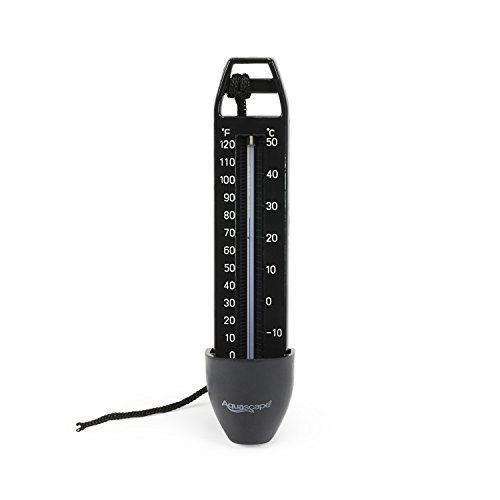
- Ideal for monitoring pond water temperature throughout the year
- Allows for proper adjustment of water treatments based on temperature
- Important for adjusting fish feeding schedules and water treatment applications during seasonal changes
Honestly, a pond thermometer is one of those things you just need if you care about your fish. It gives you the real numbers so you’re not just guessing when it comes to feeding.
Check the temperature every day as winter winds down. Remember, water warms up slower than the air, so just because you’re outside in a T-shirt doesn’t mean your pond is ready.
Digital thermometers with remote sensors are pretty handy, especially if you’d rather not go out to the pond every time. Floating ones work too, though you’ll have to walk out and check them.
Take notes over several days so you can be sure the temperature is holding steady. It’s a small thing, but it really helps you avoid mistakes.
Best Practices for Feeding Pond Fish in Early Spring
Getting feeding right as things warm up means picking foods your fish can actually handle, being careful with how much you offer, and steering clear of easy-to-make mistakes.
Choosing the Right Food Types for Spring

In early spring, your fish’s digestion is still getting up to speed, so you’ll want to go with something easy on their system. Wheat germ-based foods are a favorite for this time of year, especially when the water’s between 50°F and 60°F.
These break down quickly, which is exactly what you want when your fish are still a bit sluggish. Floating pellets are great, since you can see how much is getting eaten and clean up any leftovers before they sink and start to rot.
Once the water’s reliably above 60°F, you can switch back to your regular food with more protein, as your fish will be ready for it by then.
Spring Food Requirements:
- Wheat germ-based pellets for 40°F to 60°F
- Low protein content (something like 25-35%)
- Small pellets so they’re easy to eat
- Floating formula so you can spot leftovers
Adjusting Portions and Frequency After Dormancy

When your pond’s hitting 40°F and holding there for a week or so, start feeding every other day. Don’t overdo it, as your fish won’t be super hungry yet, so just give them what they’ll eat in about five minutes.
Anything they leave behind, scoop it out. You don’t want decaying food messing up your water, especially when your fish are still getting used to the change.
As the water creeps above 50°F, you can bump feeding up to once a day, but go slow with the portions. Let your fish show you how much they want; some will be hungrier than others.
Once you’re seeing 60°F and your fish are all about it, you can try feeding twice a day if they’re really going for it. Just keep an eye on them; every pond is a little different, and not all fish are on the same schedule.
Avoiding Common Feeding Mistakes

Don’t plan your fish’s meals just because the air feels warmer or the calendar says spring. Water warms up much more slowly, and jumping the gun on feeding can really mess up your fish’s digestion.
It’s tempting to toss in a little extra food when your fish act ravenous, especially after a long winter. But honestly, their systems need a bit of time to get back up to speed. Overfeeding right away can do more harm than good.
Instead of suddenly switching from no food to full summer portions, ease into it. A big change all at once? That’s pretty rough on their bodies and can even be dangerous.
And if there’s a cold snap and the water dips below 50°F again, just hold off. Wait until things warm up, even if you have to pause feeding a few times during those unpredictable spring days.