
From sweet fruits like watermelon and papaya to protein-rich snacks like silkworms and shrimp, koi have a surprisingly diverse palate. These foods not only provide essential vitamins and minerals but can also serve as enriching additions to their daily diet. By incorporating these 20 unique treats, you can ensure your koi are getting a well-rounded, nutritious diet while also enjoying some exciting new flavors!
Note: These foods are intended to supplement (not replace) a complete koi diet. Use them as occasional treats to provide variety, enrichment, and extra nutrients, while continuing to feed a high-quality staple food such as the one listed below:
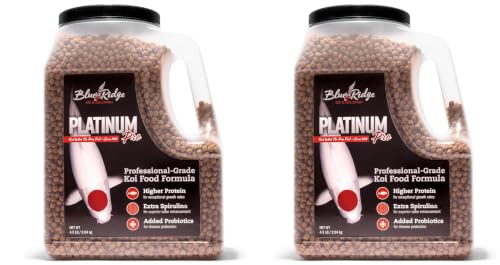
- The information below is per-pack only
- TOP SHOW CONDITION koi food including top quality protein, carbohydrates, and amino acids - floating pellets soften quickly for easy...
- COLOR ENHANCER Spirulina and Canthaxanthin for superior color enhancement, providing a completely balanced nutritional diet
1) Watermelon

Koi enjoy the sweet, juicy flesh of watermelon as an occasional treat. It contains plenty of water, making it a refreshing snack during hot weather, along with small amounts of vitamins A and C and natural antioxidants. However, watermelon is relatively low in protein and shouldn’t replace a balanced koi food.
Remove the rind and seeds, then cut the flesh into small, bite-sized pieces that your koi can easily swallow. Feed only a small amount at a time, preferably when the water is warm enough for koi to digest food properly, and remove any leftovers after a few minutes to prevent them from decomposing and affecting water quality.
2) Leafy greens

Koi can enjoy leafy greens such as spinach, kale, and lettuce as an occasional supplement to their regular diet. These vegetables provide fiber, moisture, and small amounts of vitamins and minerals that can support digestion and overall health. Kale and spinach also contain antioxidants, while lettuce is particularly light and hydrating.
Wash the leaves thoroughly to remove dirt and any possible pesticides, then chop or tear them into small pieces. You can briefly blanch tougher greens to soften them, but allow them to cool completely before feeding. Offer only a small portion at a time, since leafy vegetables are a treat rather than a complete source of protein and nutrition.
Remove any uneaten pieces after a few hours so they don’t break down and pollute the pond. Spinach and kale are best fed occasionally rather than in large amounts, as they contain naturally occurring compounds that can interfere with mineral absorption when consumed excessively. Fresh romaine lettuce is often a particularly easy option for koi to eat.
3) Citrus fruits

Koi can eat small amounts of citrus fruit, such as oranges and grapefruit, as an occasional treat. These fruits provide moisture, vitamin C, and natural antioxidants, although koi should still get most of their nutrition from a complete, protein-rich koi feed.
Peel the fruit, remove all seeds and as much of the white pith as possible, then separate it into small segments or bite-sized pieces. Citrus can be quite acidic and sugary, so offer only a little at a time and avoid making it a regular part of their diet. It’s best fed in warm water, when koi are actively digesting food.
Remove any uneaten fruit after a few minutes. Leftover citrus can soften quickly, attract insects, and contribute to poor water quality.
4) Garlic

Garlic can be a healthy addition to a koi’s diet when given in moderation. It contains compounds such as allicin, along with small amounts of vitamins and antioxidants, and is sometimes used to encourage feeding or support general immune health. However, garlic is only a supplement and should not replace a balanced koi diet.
Crush or mince a small amount of fresh garlic and mix it thoroughly with the koi’s regular food. Allowing it to sit briefly can help release allicin, but avoid adding large quantities, as too much may irritate the digestive system or affect water quality. Start with a very small amount to see how your fish respond.
Feed the mixture occasionally rather than every day, and remove any uneaten food promptly. Garlic-flavored commercial koi foods can also be a convenient alternative, as they are formulated to provide a more controlled amount.
5) Cheerios

Plain Cheerios can be offered to koi as an occasional treat, but only in small amounts. They provide carbohydrates and some fiber, although they are not a nutritionally complete food for koi and contain far less protein, vitamins, and minerals than a quality koi pellet.
Use only plain, unsweetened Cheerios; avoid flavored varieties, especially those containing chocolate, icing, honey, or other added ingredients. Break the cereal into small pieces or allow it to soften briefly before feeding, making it easier for koi to swallow and digest.
Limit the portion to a few pieces and offer them infrequently. Too many Cheerios can contribute unnecessary carbohydrates and cause uneaten food to accumulate in the pond. Remove leftovers promptly, particularly if the cereal floats into corners or becomes waterlogged. Koi should receive most of their nutrition from a balanced, species-appropriate diet.
6) Mealworms

Mealworms provide protein and can be included in a koi’s natural diet as an occasional treat. They also contain fats and small amounts of vitamins and minerals, making them a more protein-rich option than many fruits or vegetables. However, mealworms should supplement (not replace! a complete, balanced koi food.
You can offer mealworms live or dried. Live mealworms may encourage natural hunting behavior, while dried mealworms are easier to store and use. Choose plain mealworms from a reputable pet or feed supplier, and avoid products treated with pesticides or mixed with salt, flavorings, or other additives.
Offer only a small number at a time, as mealworms are relatively high in fat and their tough outer coating can be difficult for smaller koi to digest. Chop larger worms if necessary, and avoid feeding them if the water is too cold for koi to digest food properly. Remove any uneaten mealworms so they don’t accumulate or decay in the pond.
7) Silkworms and silkworm pupae

Both silkworms and their pupae can be nutritious treats for koi. They’re high in protein, which supports growth, muscle development, tissue repair, and overall condition. They also provide useful fats and other nutrients, making them a more substantial treat than many fruits or vegetables.
Silkworms and pupae can be offered live or dried. Live silkworms may encourage natural foraging behavior, while dried versions are convenient to store and feed. Only use insects from a reputable supplier, and avoid anything exposed to pesticides, chemicals, artificial flavorings, or preservatives.
Offer small portions alongside the koi’s normal diet rather than using them as a replacement for balanced pellets. Dried pupae can be quite rich, so don’t overfeed them, and soften larger pieces if necessary to make them easier for koi to swallow. Feed treats only when the water is warm enough for proper digestion, and remove any uneaten pieces promptly to protect water quality.
8) Shrimp

Live or dried shrimp are a healthy protein source for koi and can make a nutritious occasional treat. They provide protein to support growth, muscle development, and tissue repair, along with beneficial fats and minerals such as calcium and phosphorus. Shrimp may also encourage natural foraging behavior, particularly when offered live.
Offer them in moderation alongside a complete koi diet. Choose plain shrimp from a reputable aquarium, pond, or food supplier, and avoid products containing salt, spices, preservatives, or other seasonings. If using dried shrimp, select a size your koi can comfortably swallow and soak them briefly if they are very hard.
Live shrimp should come from a safe, disease-free source, as wild-caught or feeder animals may introduce parasites or contaminants. Remove any uneaten shrimp after feeding, since decomposing food can quickly affect pond water quality. fed in appropriate amounts, shrimp are a useful high-protein treat rather than a replacement for regular koi food.
9) Earthworms

Earthworms are another natural food koi may encounter in the wild, and they can be offered live or chopped into smaller pieces as a protein-rich treat. They provide protein to support growth, muscle development, and tissue repair, along with moisture and small amounts of minerals.
Choose worms from a reputable bait or pet supplier, or collect them only from soil that has not been treated with pesticides, weed killers, fertilizers, or other chemicals. Avoid worms found near roads, compost containing chemicals, or areas contaminated by animal waste.
Live earthworms can encourage natural foraging behavior, while chopping larger worms makes them easier for smaller koi to eat. Rinse them with clean water first and offer only a small amount alongside a balanced koi diet.
10) Tadpoles

Koi may occasionally eat tadpoles that share their pond habitat, as tadpoles can provide some protein and reflect a natural part of their opportunistic diet. However, it’s best not to actively feed koi tadpoles, since removing them can reduce local frog populations and interfere with the pond’s natural ecosystem.
Tadpoles are also living wildlife and may carry parasites or diseases if collected from another pond. Moving them between water bodies can spread pathogens and potentially introduce species where they don’t belong. If tadpoles are already present in your pond, provide plenty of shallow, plant-filled areas where they can hide from koi and develop safely.
Koi should receive most of their nutrition from a complete, species-appropriate food, with safe treats offered only occasionally. Protecting tadpoles helps maintain a healthier, more balanced pond and allows them to grow into adult frogs, which can become valuable parts of the pond’s ecosystem.
11) Crickets

Crickets can be a good source of protein for koi and make an interesting occasional treat. Their protein supports growth, muscle development, and tissue repair, while their natural movement can encourage koi to forage and feed more actively. They also provide small amounts of fat and minerals, but they should not replace a complete koi diet.
Offer crickets live or dried, using only plain crickets from a reputable pet or feed supplier. Avoid wild-caught crickets, which may have been exposed to pesticides, fertilizers, or other contaminants, and don’t use flavored, seasoned, or chemically treated products.
Choose appropriately sized crickets for your fish and remove any uneaten insects promptly. Dried crickets may be softened briefly if they are too hard, while live crickets should be offered in small numbers so they don’t escape or accumulate around the pond. Feed them only when the water is warm enough for koi to digest food properly.
12) Zucchini

Grated or finely chopped zucchini can be a healthy occasional vegetable treat for koi. It provides water, fiber, and nutrients including vitamins C and A, potassium, and other minerals that support general health and digestion. However, zucchini is relatively low in protein, so it should complement a complete koi feed.
Wash the zucchini thoroughly and remove any damaged areas, but there’s usually no need to peel it. Grate or finely chop it into small pieces so koi can eat it easily. For softer texture, you can briefly blanch it, then allow it to cool completely before adding it to the pond.
Offer a small amount at a time and remove uneaten pieces after a few hours. Zucchini can sink, so it may be useful to place it in a feeding ring or weighted vegetable clip to keep it contained. Avoid feeding zucchini prepared with oil, salt, seasoning, or sauces.
13) Peas

Shelled and cooked peas can be a nutritious occasional treat for koi. They provide fiber, plant-based protein, vitamins such as A and C, and minerals including potassium, which can support digestion and general health. Peas are also soft and easy for koi to eat, making them a useful treat for fish of different sizes.
Frozen peas can be thawed and offered as a treat, but cook or blanch them briefly if they are still firm. Allow them to cool completely, then remove the outer skins if necessary and gently crush or break the peas into bite-sized pieces. Use plain peas only—avoid canned varieties containing salt, butter, sauces, or other additives.
Offer a small portion alongside a balanced koi diet and remove any leftovers after a few hours. Although peas are nutritious, too many can contribute excess organic matter to the pond and should not replace protein-rich koi pellets.
14) Brown rice

Cooked brown rice can be a healthy carbohydrate source for koi when offered in small amounts as an occasional treat. It provides energy, fiber, and small amounts of B vitamins and minerals, while its softer texture makes it easier for koi to eat than uncooked grains. However, rice is relatively low in the protein and nutrients koi need most, so it should not replace a complete koi food.
Cook the brown rice thoroughly in plain water until it is soft, then allow it to cool completely before feeding. Don’t add salt, oil, butter, sauces, or seasonings. Offer just a small amount at a time, preferably broken into manageable pieces, and remove any leftovers after a few minutes so they don’t swell, decay, or cloud the pond water.
Because brown rice contains more fiber and can be harder to digest than white rice, feed it sparingly and only when the water is warm enough for koi to digest food properly.
15) Carrots

Grated or finely chopped carrots can provide koi with useful vitamins, minerals, fiber, and natural antioxidants. They are particularly rich in beta-carotene, which koi can convert into vitamin A to support normal growth, immune function, and general health. Carrots may also contribute to brighter coloration, although they should not be relied on as a substitute for a quality color-enhancing koi food.
They can be offered raw or blanched. Wash the carrot thoroughly, grate or finely chop it into small pieces, and briefly blanch it if it seems too firm for your fish. Allow blanched carrot to cool completely before feeding, and never add salt, oil, butter, or seasoning.
Offer a small amount as an occasional treat alongside a balanced koi diet.
16) Papaya

Small pieces of papaya can be offered as an occasional fruity treat for koi. The soft flesh provides moisture, natural carbohydrates, fiber, and nutrients such as vitamins A and C, along with antioxidants that support general health. Papaya is not a complete food, however, and should only supplement a balanced koi diet.
Remove the skin and all seeds, then cut the fruit into small chunks that your koi can easily swallow. Use ripe papaya, as it is softer and easier to digest, and avoid fruit that contains sugar, syrup, seasoning, or other additives.
Offer only a small portion at a time, preferably when the water is warm enough for koi to digest food properly. Remove any uneaten pieces after a few minutes, since papaya breaks down quickly and can contribute to cloudy water or excess organic waste.
17) Honeydew melon

Like watermelon, honeydew can be a refreshing and sweet occasional treat for koi. Its high water content can help provide extra hydration during warm weather, while the soft flesh contains small amounts of vitamins C and B6, potassium, and natural antioxidants. Honeydew is low in protein, though, so it should only supplement a complete koi diet.
Remove the rind and seeds, then cut the melon into small, bite-sized pieces that your koi can easily swallow. Offer plain honeydew only, without syrup, sugar, or other toppings, and feed a small amount at a time because its natural sugar content is relatively high.
Remove any uneaten pieces after a few minutes. Honeydew softens quickly in water, and leftover fruit can decompose, attract insects, and contribute to poor water quality.
18) Nori (dried seaweed)

Koi can benefit from the nutrients found in small amounts of nori, a dried edible seaweed. It provides minerals such as iodine, iron, calcium, and magnesium, along with small amounts of vitamins, fiber, and plant-based protein. Nori may also add variety to a koi’s diet, but it should remain an occasional supplement rather than replace complete koi food.
Crumble the nori into small flakes before offering it to the fish, making it easier for them to eat. Use plain, unseasoned nori only – avoid sheets prepared with salt, oil, soy sauce, spices, or other flavorings. You can sprinkle a small amount onto the surface of the pond or soften it briefly in water first.
19) Berries

Koi can enjoy small amounts of berries such as strawberries, raspberries, and blueberries as an occasional fruity treat. Berries provide moisture, fiber, natural antioxidants, and vitamins—particularly vitamin C, which can support general health and immune function. They are also relatively sugary and low in protein, so they should complement rather than replace a balanced koi diet.
Wash the berries thoroughly to remove dirt and possible pesticide residue, then remove any leaves or stems. Cut larger berries into smaller pieces, while blueberries can usually be gently crushed to make them easier for koi to eat. Offer plain, fresh or thawed berries only, without sugar, syrup, yogurt, or other toppings.
Feed a small amount at a time and remove any leftovers after a few minutes.
20) Sweet potatoes

Cooked and mashed sweet potatoes can be a healthy carbohydrate-rich treat for koi when offered in small amounts. They provide energy, fiber, beta-carotene, and vitamins such as A and C, along with minerals including potassium and manganese. These nutrients can support digestion, immune function, and general health, but sweet potato is not a complete source of protein and should not replace regular koi food.
Cook the sweet potato thoroughly until it is soft, then mash it once cooled. Remove the skin if it is tough, and serve it completely plain; without salt, butter, oil, milk, sugar, or seasoning. Offer only a small amount at a time, as mashed foods can disperse quickly through the water.

I own three starlet sturgeon and two common goldfish. I would be interested in any articles you have if that’s possible.like all pond owners l get string algae so water quality is important to me also.l have twenty floating baskets full of water plants and one lily.lve been busy getting rid of soil with my plants to grow in gravel and so far seems to be working.lve just joined you today.
You can check a guide to feeding sturgeon and best sturgeon foods.
Can fish get sick from eating raw earthworms? Should I somehow cook and remove the soil from them?
Incredibly useful article. Turns out goldfish eat the same stuff.