
Perennial plants are a real lifesaver if you want lasting beauty in your garden, and choosing flowers that come back every year means you can skip the hassle of replanting each spring. These yearly flowers dig in deep, survive the winter, and surprise you with fresh growth as the weather warms. While not every perennial is one of those plants that flower all year round, many varieties are essential for year round color landscaping due to their hardy nature and staggered bloom times.
Once they’re settled, these flowers that last over a year are much less demanding than annuals and provide your garden with long-term consistency. Figuring out which all year flowering plants or dependable perennials will actually thrive in your space can spare you a lot of trial and error. There’s a huge range to choose from, including flowers that bloom all year round in certain climates, from timeless classics like peonies to steady bloomers like coneflowers and daylilies.
Mixing a handful of these tough, dependable plants into your garden means you’ll get something beautiful returning season after season. Whether you’re drawn to bold colors, interesting textures, or just want low-maintenance options, perennials really open up possibilities for all kinds of garden vibes.
1) Peony
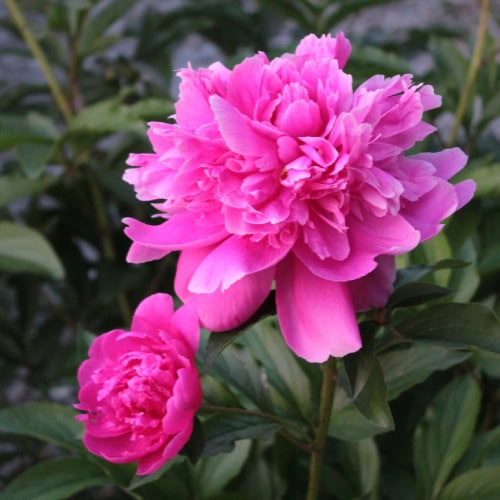
Peonies are the definition of reliable. Once they’re in, these hardy plants have woody stems that just keep coming back, putting on a show every spring.
They’re known for sticking around for decades, and some people even say they can outlast the gardener! Give them well-drained soil and plenty of sun. Proper spacing of 20 cm apart helps prevent diseases and keeps them happy for the long haul.
2) Lavender
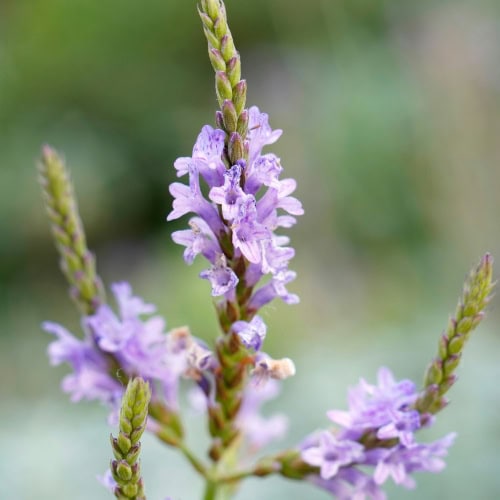
Lavender is about as tough as they come; a hardy perennial that shrugs off freezing temps as low as negative 20 degrees Fahrenheit. This fragrant favorite fits into all sorts of gardens.
Lavender cultivations can remain productive on the same spot for 20 to 30 years if you give them a little attention. Expect purple or blue flower spikes from June to August, anywhere from 20 to 60 centimeters high.
3) Bearded Iris
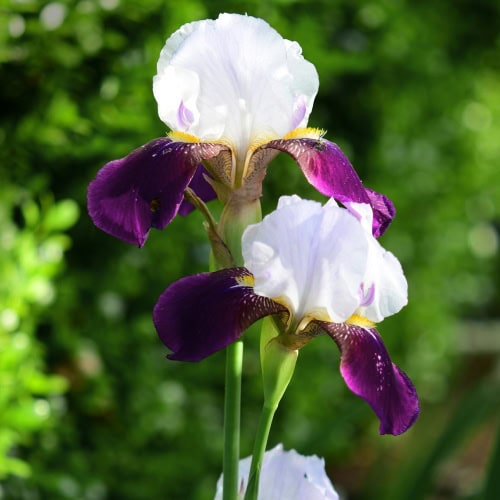
Bearded irises are reliable perennials with a flair for drama. They usually hit 2 to 3 feet tall, but you can find little dwarf types that barely reach 4 to 9 inches.
Plant them where the soil drains well and the pH isn’t too acidic. Too much shade or crowding? Not their thing.
Their rhizomes just keep multiplying, so you get more plants every year, with no extra effort required.
4) Clematis
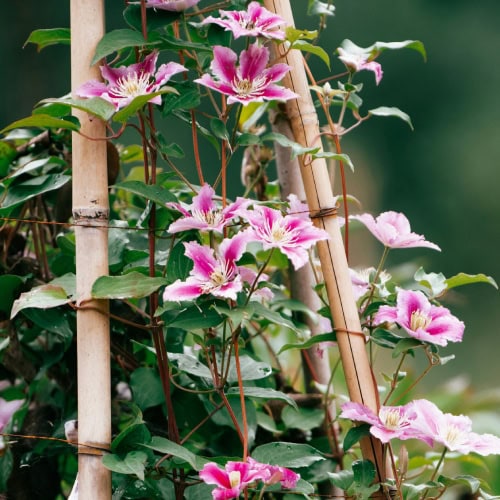
Clematis is one of those perennial vines that really turn heads. They can be as short as 6 inches or stretch over 25 feet, so there’s a variety for just about any garden.
You’ll see all kinds of colors and patterns in their blooms. Pruning, though, it’s a bit of a puzzle since not all clematis can be pruned in the same way. Get it right, and your clematis will reward you each year with a pretty spectacular display.
5) Coneflower (Echinacea)
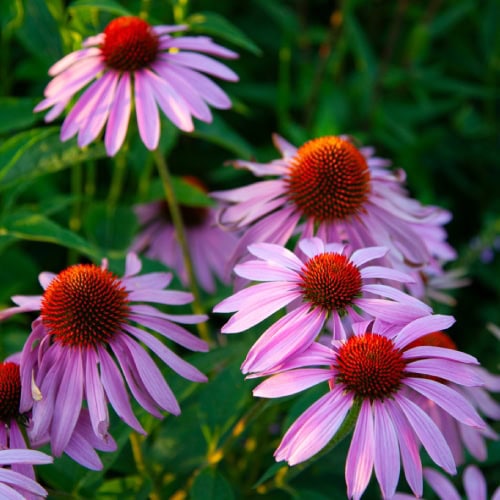
Coneflowers are members of the aster family and are about as unfussy as perennials get. They’ll reach up to 36 to 48 inches tall and spread out to about 20 inches.
Their signature look? Drooping petals with a raised cone in the center. Most bloom from summer into early fall, so you get a nice long stretch of color.
Purple coneflower requires minimal maintenance and doesn’t flop over, even when it gets tall. Plus, they’re native to North America and tolerate drought once they’re established.
6) Black-eyed Susan (Rudbeckia)
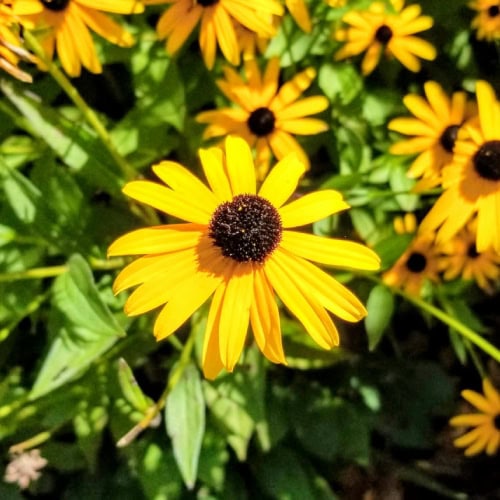
Black-eyed Susan is a reliable perennial wildflower native to North America that lights up the garden with cheerful yellow petals and dark centers. They’re usually 1.5 to 2 feet tall and love full sun with soil that drains well.
You can start them from seed or transplants. Spring nitrogen application of 20 to 30 pounds per acre will give them a good push for the season.
Once they’re settled in, they pretty much take care of themselves, which is great for garden borders or wilder spots!
7) Daylily (Hemerocallis)
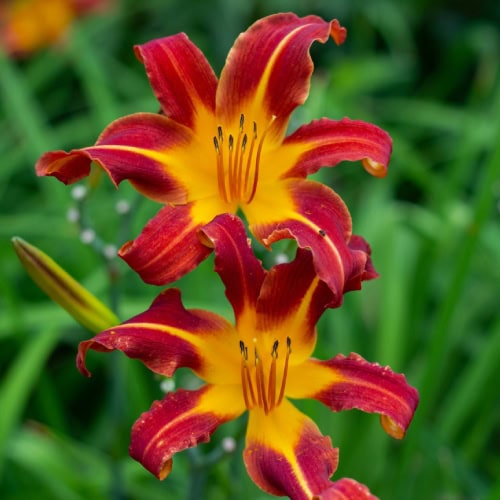
Daylilies are the kind of perennials you can plant and almost forget about. With over 80,000 registered cultivars, you’ll never run out of colors and shapes to try.
The big, showy flowers pop up on tall stalks all season long. Some reblooming varieties flower twice annually, so you’re not stuck with a short bloom window.
They spread by division, so it’s easy to pass extras along to friends or fill out your beds.
8) Hosta
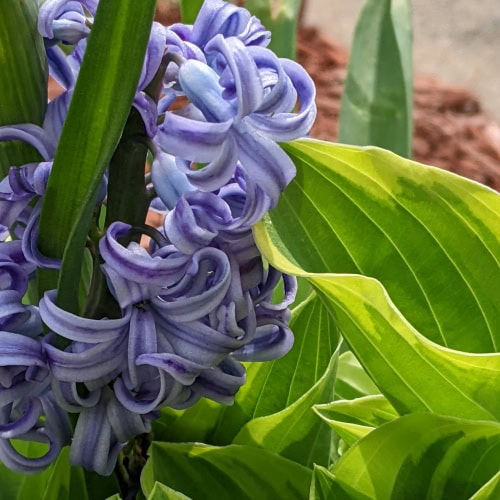
Hostas are shade-loving perennials with foliage that’s hard to beat. They’re happiest in places with cool summers and cold winters, preferring 16 to 20°C during the growing season.
You’ll get lovely leaves and delicate flowers year after year, especially in those tricky shady spots where not much else wants to grow. If you’ve got a woodland garden or a space under trees, hostas are a no-brainer.
9) Blanket Flower (Gaillardia)
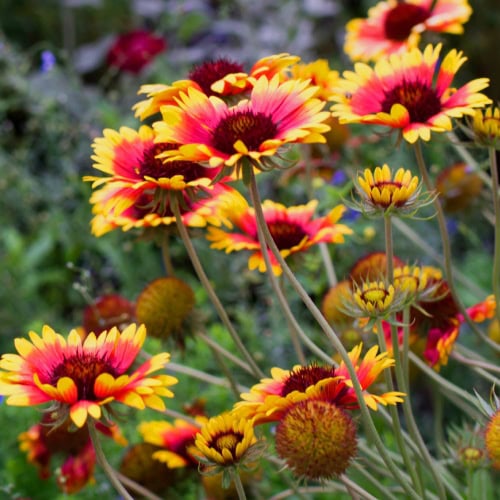
Blanket flower gets its name from those striking red and yellow petals, and honestly, they do look a bit like a woven blanket you’d see in a museum!
It’s a tough perennial, not fussy about much, and once it settles in, it barely bats an eye at drought. If you’re after a garden that doesn’t need coddling, this one’s a solid pick.
The genus Gaillardia includes twenty-eight species, with annuals and perennials in the mix. Flowers usually show up three or four months after planting and, with a little attention, they’ll keep going from summer right into fall.
10) Phlox
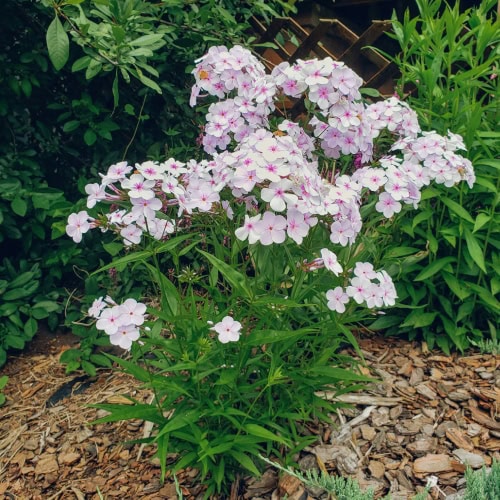
Phlox is one of those plants you can count on, as year after year, it just comes back and does its thing with hardly any fuss. Most types are perennials, popping up each spring, though you might want to skip Phlox drummondii, which is an annual, if you don’t want to replant.
Garden phlox handles a range of conditions and puts out a steady show of color all season. There are several perennial options, too, and once they’re settled, they really stick around.
11) Astilbe
Astilbe brings a soft, feathery touch to your shade garden every summer. They like their soil moist and well-drained, and they’ll do best in partial to full shade.
Most authorities consider the genus to have 12 to 20 species, which is more than enough to keep things interesting. They usually reach 18 to 24 inches tall, depending on what you plant. You’ll want to keep them watered, especially when it’s hot out, as astilbes require supplemental irrigation in summer.
12) Russian Sage
Russian sage is one of those perennials that’s both tough and beautiful. It comes back every spring, thrives in full sun, and doesn’t mind dry, well-drained soil. The silvery foliage and lavender-blue flower spikes show up from mid-summer into fall.
For bushier plants, prune your Russian sage at 20 cm above ground level in early spring. They usually reach 3 to 4 feet tall and spread just as wide, so they’re great for borders and landscape beds.
13) Bleeding Heart
Bleeding heart is instantly recognizable with its heart-shaped flowers dangling from arched stems in spring. The blooms come in pink, white, or red, depending on the variety.
This plant likes partial to full shade and soil that’s moist and rich. Bleeding heart can be forced easily if you want cut flowers or to grow them in pots.
The foliage tends to fade away in the heat of summer, so it’s smart to pair bleeding heart with something that fills in later.
14) Columbine
Columbine, or Aquilegia, is a perennial that just keeps coming back. It grows well in partial shade or full sun and has those quirky spurred flowers in all sorts of colors.
Columbine flowers are definitely unique and add some personality to your garden. They bloom from late spring through early summer, and they’re great for attracting hummingbirds and butterflies.
15) Foxglove
Foxglove is a real showstopper, sending up tall spikes of tubular flowers that come back year after year. The foxglove tree can get huge, but the more common garden varieties usually stay in the 2 to 5 foot range.
You’ll get blooms in late spring and early summer, in shades from pink and purple to white and yellow. Just a heads-up: all parts of foxglove are toxic if ingested, so maybe skip it if you’ve got curious kids or pets around.
16) Coreopsis
Coreopsis is all about bright, cheerful yellow or gold flowers that come back reliably every year. There are eastern and western species, so you can find one that fits your region.
They usually bloom from early summer right through fall if you keep up with deadheading. Give them 30 to 45 cm of space for good air flow and growth.
Most Coreopsis species are self-incompatible, so they’ll need cross-pollination from other plants to set seed.
17) Sedum (Stonecrop)
Sedum is a champ when it comes to drought tolerance and doesn’t ask for much once it’s settled. These perennials thrive even in poor soil where other plants just give up.
Stonecrops adapt remarkably well to all sorts of situations and can handle freezing temps down to negative 20 Celsius. Whether you want a ground cover or something upright, there’s a sedum for you.
Their fleshy leaves store water, making them perfect for rock gardens or sunny, dry spots. In spring, they return with colorful blooms that pollinators can’t resist.
18) Shasta Daisy
Shasta daisies are a classic perennial, with white petals, yellow centers, and steady summer blooms that just keep coming. They’re reliable and don’t need much fuss.
Different Shasta daisy cultivars respond differently to photoperiod and vernalization, so bloom times can vary a bit. Just give them full sun and well-drained soil, and you’re set. They also make fantastic cut flowers for your kitchen table.
19) Lavatera (Mallow)
Lavatera, or mallow if you prefer, brings big, cheerful blooms and holds up well in the garden. Thuringian Mallow is a perennial plant that’s happy to return each year with barely any effort on your part.
You’ll get those large, cup-shaped flowers (usually pink or white) throughout the summer. Some herbaceous types die back to ground level in winter, then surprise you by popping up again come spring.
20) Salvia
Salvia’s a pretty varied bunch of perennial plants. Interestingly, the genus Salvia includes several embedded genera such as Rosmarinus and Perovskia, which honestly makes it one of the more sprawling groups in the whole mint family.
There are hundreds of species to pick from, whether you’re after something just for looks or you want a medicinal type like Salvia miltiorrhiza.
These plants don’t ask for much, justgive them well-drained soil, plenty of sun, and they’ll reward you with those colorful flower spikes that pollinators seem to love all season long.