
Koi fish come from carp raised in China, while the colorful ornamental koi you recognize were developed in Japan. That distinction answers the China-or-Japan question without treating centuries of carp farming and the later breeding of nishikigoi as a single event.
The dark food fish kept by farmers in Niigata Prefecture gave rise to striking color variations. When farmers bred those fish for their patterns, they set the course for the koi you see in ponds today.
Understanding this koi fish origin helps clarify how a staple food transformed into a beloved ornamental fish.
The Short Answer: Chinese Carp, Japanese Koi
You can trace carp farming to ancient China and ornamental koi breeding to Japan. Exploring koi history shows how these two traditions connect through carp while serving different human purposes.
Where Were Carp First Raised?
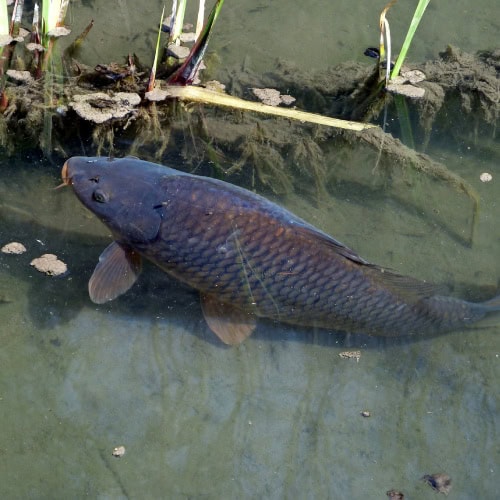
In ancient China, people managed carp as a food fish long before Japanese ornamental breeding began. You have archaeological evidence from Jiahu in Henan Province: an analysis of fish remains found signs of managed common carp aquaculture dating to around 6000 BC in research on Neolithic carp farming.
That finding establishes an early chapter of carp and koi history, not a birth date for modern koi. It also does not give you a precise date when the carp later used in Japanese koi breeding arrived in Japan.
Where Did Ornamental Koi Emerge?
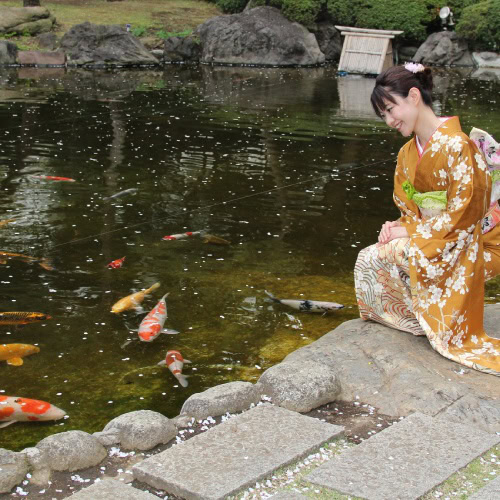
The ornamental fish you know as Japanese koi emerged in Niigata, Japan, in the early 1800s. Farmers kept carp for food, then bred fish with unusual colors across generations. Niigata Prefecture places the beginnings of nishikigoi in the area of present-day Ojiya and part of Nagaoka.
So if you are asking about the koi fish origin as an ornamental fish, Japan is the answer. Examining the broader koi origin requires looking at both ancient Chinese aquaculture and Japanese refinement. If you mean the much older history of raised carp, China is central to the story.
What Kind of Carp Are Koi?
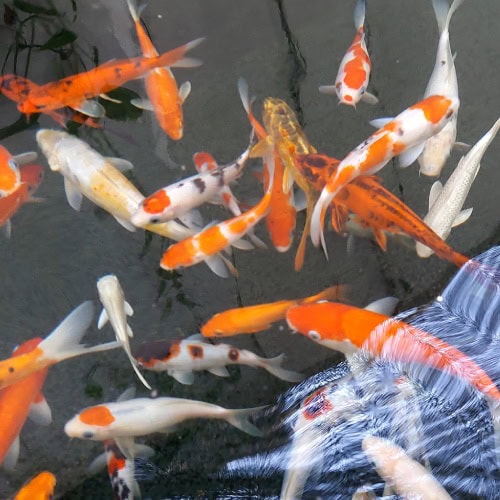
Koi are domesticated ornamental carp in the family Cyprinidae. Unlike the duller wild carp that rely on natural camouflage, koi developed through selective breeding for vibrant coloration.
This dedicated selective breeding transformed an ordinary river carp into an iconic ornamental fish.
Their scientific naming needs care because you will encounter both Cyprinus rubrofuscus (Amur carp) and the common carp (Cyprinus carpio) in writing about koi.
How Are Amur Carp and Common Carp Related to Koi?
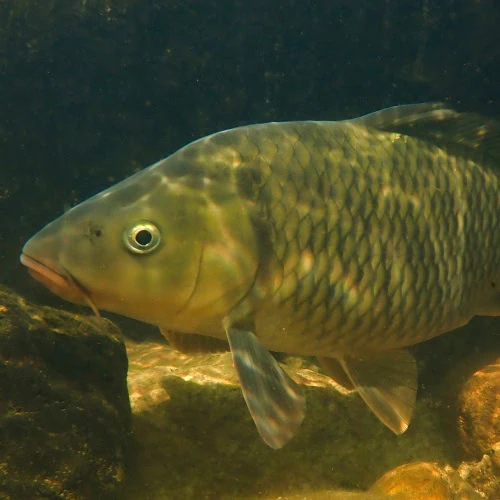
You will often see koi described as descendants of Amur carp, an East Asian carp associated with the name Cyprinus rubrofuscus. The U.S. Geological Survey lists koi under Cyprinus rubrofuscus and explains that extensive breeding has complicated their taxonomic history. Older classifications have placed koi within Cyprinus carpio, the common carp.
That is why “koi carp” and “common carp” appear together in pond writing without always identifying precisely the same wild carp lineage.
You can think of koi as selected, ornamental Cyprinus carp while recognizing that their formal classification has changed. Broad labels such as “Asian carp” do not identify a koi breeding line.
Is Magoi the Same as Black Carp?
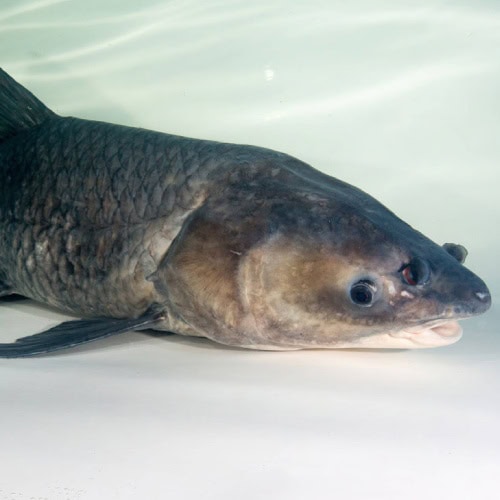
Magoi refers to the dark, ancestreal carp associated with koi’s breeding history. If you read that colorful koi arose from black magoi, “black” describes the fish’s appearance; it is not a species identification.
You should keep that usage separate from black carp, the distinct fish called Mylopharyngodon piceus. A dark magoi belongs in the story of koi breeding, while the species named black carp does not become a koi ancestor because the English words match.
How Did Niigata Farmers Develop Nishikigoi?
Farmers in Niigata developed nishikigoi by breeding carp with appealing color changes over generations. The work began among food-fish keepers in the mountainous area around Ojiya and Yamakoshi village, then produced recognizable ornamental breeding lines.
How Did Color Mutations Become Breeding Lines?
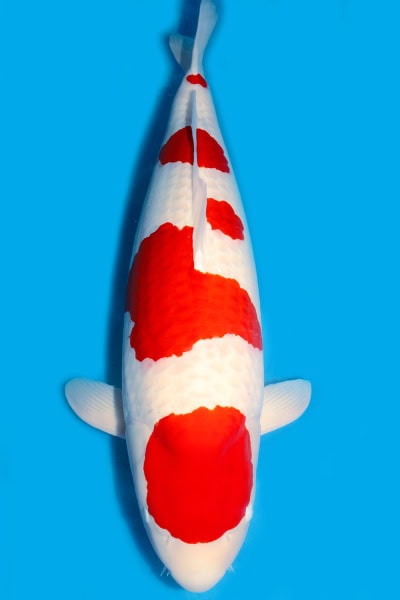
A color mutation gives you an unusual fish; selective breeding gives you a way to see desirable colors again in its offspring. Farmers retained carp with red or mottled markings and bred from them, gradually refining patterns that could be recognized and named.
The Niigata breeders’ association dates the first nishikigoi breeding in the Ojiya-to-Yamakoshi area to roughly 1804–1830 and identifies Kohaku, developed there in 1889, as a milestone in modern koi breeding.
Families in Yamakoshi village and surrounding hamlets sheltered fish in terraced ponds through harsh winters. Carp once raised for food became prized ornamental fish selected for how they looked in a koi pond or water garden.
This transition marks a pivotal turning point in koi history.
When Did Koi Spread Beyond Niigata?
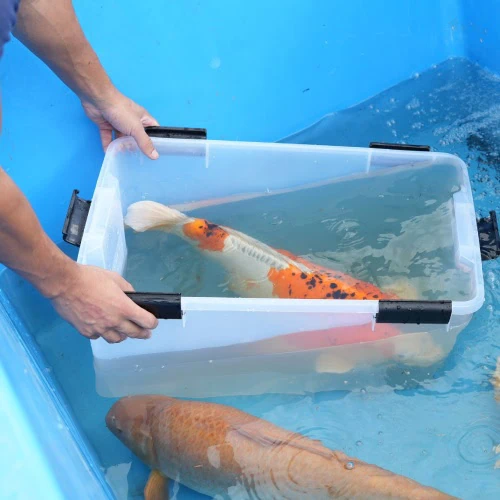
Niigata koi reached a wider Japanese audience through exhibitions. At the 1914 Tokyo Taisho Exposition, breeders displayed fish from the Niigata area; their appearance helped bring nishikigoi to attention beyond the region.
International interest followed, though the spread was gradual. For you as a pond keeper, this koi history explains why koi ponds worldwide hold fish with Japanese variety names even though the older practice of raising carp extends well beyond Japan.
Which Koi Varieties Grew Out of Japanese Breeding?
Decades of selective breeding produced koi varieties distinguished by their base color, markings, and scale appearance. Once you recognize a few patterns, the names tell you far more than a fish’s general mix of colors.
How Do Kohaku, Taishō Sanshoku, and Shōwa Sanshoku Differ?
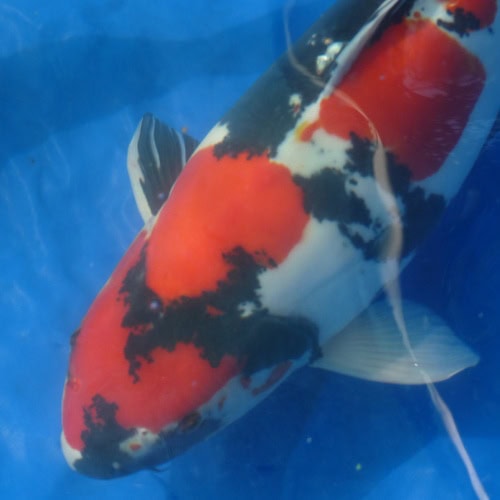
You can separate these three familiar varieties by looking first at the base color and then at the black markings. Niigata Prefecture’s descriptions of the three varieties identify Kohaku and Taishō Sanshoku as white-based, while Shōwa Sanshoku is black-based.
| Feature | Kohaku | Taishō Sanshoku (Sanke) | Shōwa Sanshoku (Showa) |
|---|---|---|---|
| Base color | White | White | Black |
| Red pattern | Present | Present | Present |
| Black pattern | Absent | Body markings | Includes head markings |
When you hear Sanke, you are hearing the short name for Taishō Sanshoku. Showa likewise refers to Shōwa Sanshoku, also commonly called Showa sanshoku.
A red-and-white koi with no black is Kohaku; black on the head is a useful clue when you are distinguishing Showa sanshoku from Sanke.
What Distinguishes Asagi, Utsurimono, Tancho, and Ogon?
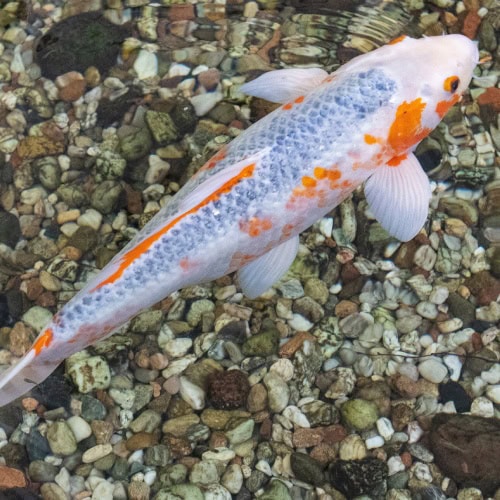
Asagi gives you a blue, net-like scale pattern with red along parts of the underside and fins. The All Japan Nishikigoi Promotion Association identifies Asagi as an early nishikigoi variety, connecting that subtler pattern to the later range of koi breeding.
Utsurimono have a black base with contrasting patches, while Ogon are known for a solid metallic appearance. If you want to recognize Tancho, look at the head: its defining mark is a single round red spot, usually on a white-bodied Tancho Kohaku.
That head marking also occurs in other Tancho varieties, so the word describes a pattern as well as the familiar red-and-white fish. You can find a closer look at these markings in the guide to koi varieties.