
Yes, acid rain can affect your garden pond when acidic deposition overwhelms its buffering capacity, lowering pH and mobilizing aluminum from surrounding soil.
A brief shower rarely transforms a stable, well-buffered pond. The greater concern is a heavy downpour, snowmelt, or repeated acidic rainfall entering a small pond with soft water, acidic soil, or substantial runoff from the surrounding yard.
Watch for a pattern: rainfall followed by fish gasping, reduced activity, poor egg survival, cloudy runoff, or a sudden decline in sensitive plants and insects. Testing soon after these events tells you far more than judging water quality by appearance alone.
How Acid Rain Changes Pond Water Chemistry
Acid rain changes pond chemistry by adding hydrogen ions that lower pH, while runoff can carry dissolved metals and other materials into the water. Your pond’s alkalinity determines how strongly it resists that change.
A pond with carbonate-rich water and soil absorbs more acidity. A pond with low alkalinity has little chemical reserve, so a single major weather event can produce a sharper pH drop.
Why Pond pH Can Drop After Acidic Rainfall
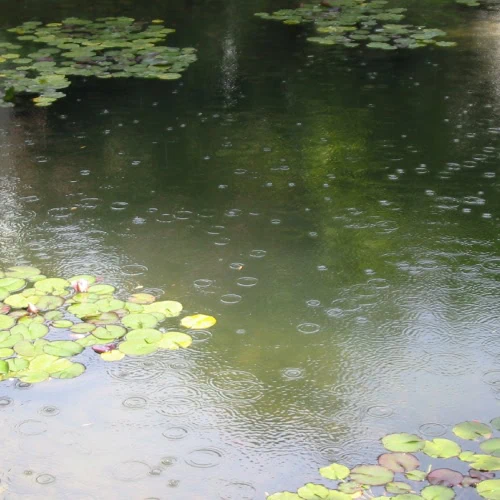
pH measures acidity on a logarithmic scale, so a one-unit decline represents a tenfold increase in acidity. The EPA explains that many aquatic organisms thrive between pH 6.5 and 8.0, while values outside that range reduce diversity and interfere with reproduction through its pH monitoring guidance.
Rainfall dilutes pond water as well as adding acidity. In a small pond, especially one fed by roof runoff or a sloped lawn, that influx can temporarily outpace the water’s ability to neutralize acids.
Check conditions after a storm instead of assuming every low reading comes from acid rain. Decaying leaves, dense organic sediment, acidic soil, overstocking, and poor circulation also influence pond pH. Keeping leaves out with a pond leaf-management routine reduces one recurring acid-forming input.
How Aluminum Enters Pond Water
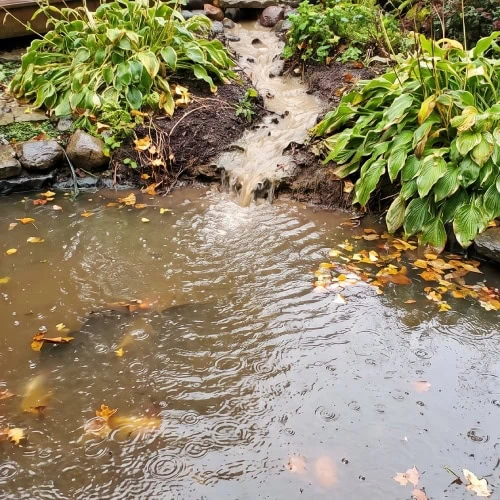
Acidic water releases aluminum from clay particles and soil, then carries it into ponds through runoff. The EPA identifies this process as a key ecological effect of acid rain, with more aluminum released as acid input rises through its assessment of acid rain and aquatic ecosystems.
Aluminum is naturally present in most soils and rocks. Once it enters water at elevated levels, it can interfere with fish respiration and salt regulation. The EPA notes that aluminum can collect on fish gills, leading to respiratory dysfunction and, at severe levels, death in its freshwater aluminum criteria overview.
A pale or whitish coating on rocks, plant stems, or pond-bottom material can accompany metal precipitation under acidic conditions, though appearance alone cannot identify aluminum.
Which Ponds Have the Least Natural Buffering
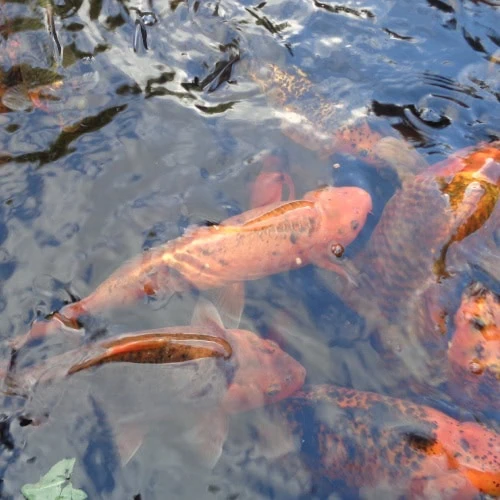
Ponds with low alkalinity have the least protection from acidic rainfall. Alkalinity describes your water’s acid-neutralizing capacity, supplied mainly by bicarbonates, carbonates, and hydroxides.
Thin soils, granite-based landscapes, sandy ground, rain-fed ponds, and ponds with little mineral-rich inflow deserve closer monitoring. Soil thickness, soil composition, and bedrock type determine whether a landscape buffers acidic rainwater before it reaches surface water.
Your pond might also lose buffering over time through overflow and repeated dilution. Agricultural limestone dissolves gradually and supports alkalinity, while Texas A&M Extension identifies 20 ppm or more alkalinity as a productive-water target for recreational fish ponds in its pond-liming guidance.
What Happens to Fish, Plants, and Wildlife?
Low pH and dissolved aluminum place the greatest strain on young aquatic life, fish gills, and the small invertebrates that support your pond’s food web. The visible problem can be a fish acting distressed, while the deeper loss is reduced reproduction and fewer insects.
Fish Eggs and Young Fish Face the Highest Risk
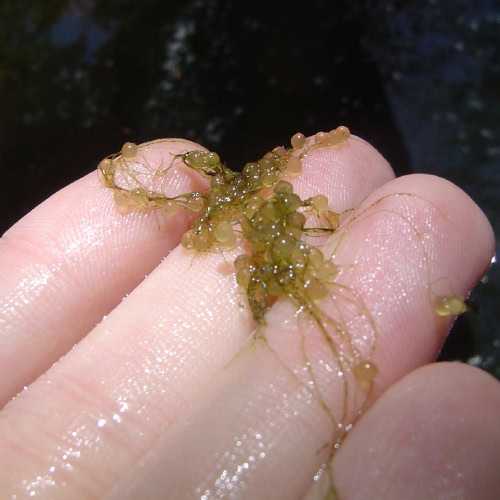
Fish eggs and fry are more sensitive to acidic conditions than adult fish. The EPA reports that most fish eggs fail to hatch at pH 5, while lower pH levels can kill some adult fish.
Spawning periods deserve extra care after heavy rain. Test the pond near the surface and near sheltered breeding areas, since incoming runoff may create local pockets of lower-pH water before mixing fully.
If you plan to add fish, wait until your readings have returned to your pond’s established range and held steady. Stable water conditions are especially useful when deciding when to buy pond fish.
How Acidification Disrupts Aquatic Food Chains
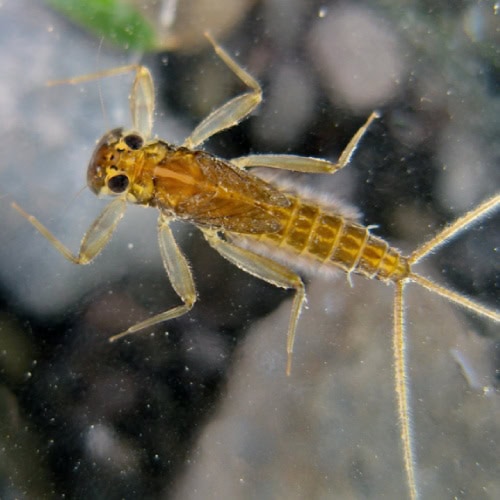
Acidification disrupts a pond food chain when sensitive insects, zooplankton, and amphibian prey decline. Fish that survive the water chemistry shift can still lose part of their food supply.
Mayflies as an example: they are less acid-tolerant than frogs and may fail to survive below pH 5.5. Fewer mayflies and other invertebrates mean less food for fish, frogs, dragonfly larvae, and birds that visit your pond.
Your pond’s plants also respond differently. Some acid-tolerant species persist while more sensitive plants lose vigor, and altered nutrient availability can change algae growth. A diverse planting plan using suitable wildlife pond plants supports cover and habitat when conditions fluctuate.
Signs of Stress in Pond Fish and Plants
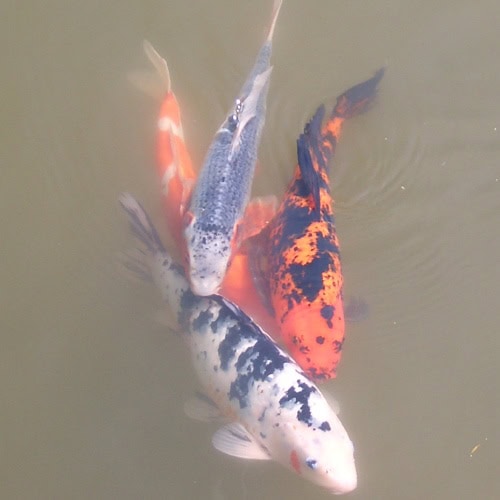
Look for fish hovering at the surface, rapid gill movement, listlessness, erratic swimming, excess mucus, or rubbing against surfaces. Acidic water can damage fish skin and gills, reducing oxygen uptake and increasing vulnerability to infection.
Plant symptoms include stalled growth, yellowing leaves, dying tips, or a sudden reduction in new shoots. These signs also overlap with nutrient shortages, root damage, temperature stress, and poor light, so pair observation with water tests before treating the pond.
A rapid shift after rainfall is more revealing than a single odd reading. Record the date, rainfall, pH, alkalinity, water temperature, and visible changes. That log helps separate a short storm-related episode from a persistent pond problem.
How to Protect a Garden Pond From Acid Rain
Your best protection is steady monitoring, strong natural buffering, and runoff control that keeps acidic water and soil particles from entering the pond quickly. These steps protect water chemistry without creating a second problem through abrupt treatment.
Test Pond pH and Alkalinity After Heavy Rain

- Contains one (1) API POND MASTER TEST KIT Pond Water Test Kit 500-Test, including 6 bottles of testing solution, 3 color cards and 4 test...
- Helps monitor water quality and prevent invisible water problems that can be harmful to fish
- Measures ornamental pond pH balance, Ammonia content, Nitrite levels and Phosphate content

Test pH and alkalinity after prolonged rain, major downpours, or snowmelt, then compare the results with your normal readings. Measure pH promptly because it changes after collection as carbon dioxide exchanges with the air.
Use a calibrated digital pH meter for the clearest trend data, and use an alkalinity kit that reports results as mg/L of calcium carbonate.
Take samples away from the waterfall, skimmer return, and fresh runoff entry point. If you suspect runoff is the cause, test one sample near the inflow and one from the central pond area.
Support Buffering Without Causing Sudden pH Swings

- Balance Pond pH Without The Guesswork
- Helps Maintain Fish Health
- Safe For Fish Plants & Wildlife
Build alkalinity gradually with materials selected from a pond-water or soil test. Agricultural limestone (or a specialized pond product) works slowly, making it appropriate for long-term correction when acidic soil is part of the problem.
Avoid rapid chemical adjustments based on one pH number. Your fish and wildlife cope better with a stable, slightly imperfect reading than repeated swings caused by overcorrection.
Place mineral media or limestone only where water circulation reaches it, and retest after changes. If your pond has koi, goldfish, or a substantial fish load, assess ammonia and dissolved oxygen alongside pH because water chemistry stress often overlaps.
Reduce Runoff and Protect Sensitive Pond Life

- Aquascape 2-Outlet Pond Aeration Kit, Quiet Energy-Efficient Pond Aerator with Weighted Air Stones, Airline, Check Valves, for Ponds up to...
- Oxygenates Ponds: 2-outlet pond aeration kit helps keep water healthy, clean, and clear by supporting oxygen levels in ponds up to...
- Complete Aerator System: Includes two weighted 4-inch aeration discs, two 25-foot rolls of 3/16-inch silicone airline, and preassembled...
Slow water before it reaches the pond with planted margins, shallow swales, or a gravel-and-vegetation filter strip. Deep-rooted grasses planted around ponds help hold soil in place and reduce sediment entering after rain.
Direct roof downspouts away from the pond unless the water passes through a suitable rain garden or filter area first. Keep fertilizers, lawn treatments, ash, concrete dust, and disturbed soil out of the drainage path.
Maintain shade and oxygen during stressful weather. Aeration supports gas exchange and gives fish a better oxygen reserve, though it does not neutralize acidity or remove aluminum. A pond with wildlife habitat benefits from gentle, gradual maintenance practices described in a wildlife pond maintenance guide.
When to Seek Help for a Pond Water Problem
Immediate action is warranted when a sharp pH drop coincides with fish distress, deaths, or heavily discolored runoff entering the pond. A persistent chemistry shift needs diagnosis before you add more treatments.
When Low pH Requires Immediate Action
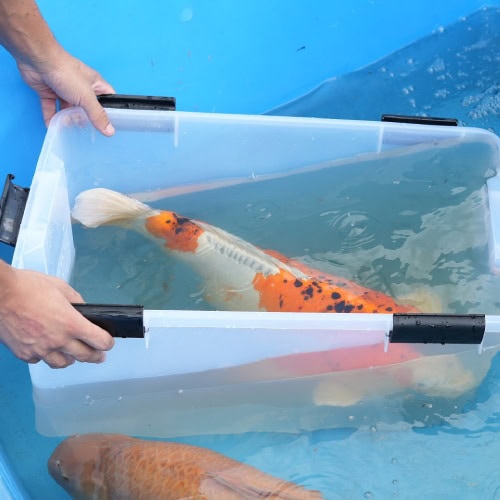
Move vulnerable fish to established, conditioned water only when you have a safe holding setup with matching temperature and adequate aeration. Start aeration in the affected pond to support fish breathing while you test pH, alkalinity, ammonia, and dissolved oxygen.
Treat a reading below pH 5 as urgent when fish, eggs, tadpoles, or aquatic insects are present. Prolonged pH below 5 is likely lethal for many stream organisms, and the EPA links pH 5 to widespread egg-hatching failure.
Stop inflows carrying muddy, unusually colored, or chemical-smelling runoff where possible. Keep pets and children away from water affected by suspected mine drainage, since acidic mine water can contain heavy metals and requires specialized assessment.
When to Contact a Pond or Water-Quality Professional
A pond or water-quality professional is appropriate when low pH returns after each storm, fish deaths continue, aluminum or other metals are suspected, or your pond sits near mining activity, industrial land, or a heavily altered drainage area.
Professional testing is especially useful when your pH stays low despite adequate alkalinity treatment, because the driver might be acidic soil, groundwater, organic sediment, fertilizer runoff, or contaminated drainage.
Bring your test log, photos of the pond before and after rainfall, and details about nearby drainage changes. Those records help identify whether the problem follows a specific inflow, season, or weather pattern.