
Autumn pond clarity begins before leaves and fading plant growth have time to sink. Once organic debris reaches the bottom, it forms sludge, releases nutrients and tannins, and adds ammonia-producing waste that your filter must process in colder water.
Remove decaying material early and keep water moving, and you will give your fish, plants, and beneficial bacteria a far cleaner path into winter. Your schedule should follow local leaf drop, water temperature, pond depth, and fish load, with more frequent checks during windy weeks.
1) Install a Raised Fine-Mesh Leaf Net Before Leaf Fall
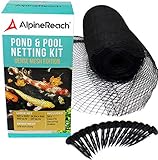
- Reliable Fish Protection – Brilliantly designed to keep your fish safe against Blue Heron birds, cats and other predators. The protective...
- 3/8 Inch Heavy Duty Woven Mesh – The net’s extra strength comes from a tightly woven mesh and works extremely well. The 15’ x...
- Keep Out Smallest Leaves & Debris – The dense mesh will keep your pond & pool staying beautiful and clean; capturing the smallest leaves...
Install a raised fine-mesh leaf net before nearby trees begin their main autumn drop. Catching leaves on the surface keeps them from becoming waterlogged, sinking, and feeding the sludge layer that clouds pond water.
Support the net on hoops, stakes, or a lightweight frame so it sits above the water. A raised cover sheds dry leaves more easily and prevents the net from sagging into the pond after rain.
Secure loose edges around the perimeter, especially in koi ponds where fish may investigate gaps. In a wildlife pond, leave a clear route at the edge for frogs, newts, and small mammals. For sizing and mesh options, review our pond netting choices before leaf fall begins.
2) Skim Floating Leaves Weekly With a Fine-Mesh Pond Net

- Enjoy a Clean Pool: An ideal daily-use swimming pool leaf skimmer pool net for fast, easy, and efficient cleanup of leaves and fine debris...
- 11.5 Foot Lightweight Net: Durable net with frame dimensions of 11" wide and 12" long with 6" deep, durable ultra fine mesh netting basket...
- Sturdy 8-Section Aluminum Pole: Customize the net length by adding or removing pole sections to adjust the pole to your desired length from...
Skim floating leaves at least once each week, increasing the frequency during windy periods or heavy leaf drop. Leaves that remain afloat for a few days absorb water, break apart, and become much harder to remove cleanly.
Use a fine-mesh pond net on a long handle and work slowly along the margins, behind waterfalls, and around plant baskets. Sweep toward yourself in shallow arcs so you avoid stirring bottom sediment into the water column.
Remove seed heads, twigs, and fallen fruit while you are skimming. Fruit adds sugars that speed microbial decay and increase oxygen demand, particularly as cool water slows the pond’s biological processes.
3) Empty the Pond Skimmer Basket Before Debris Reaches the Pump
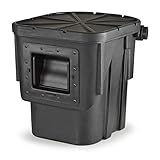
- Skimmers house and protect your pump and plumbing while clearing surface debris from the pond
- Atlantic’s Pond Skimmers feature more size and filtration options and greater strength and versatility
- All Skimmers excluding the PS3000 accept two pumps for increased flow, lower operating costs and multiple spillway options
Empty the pond skimmer basket before packed debris restricts flow to the pump. A blocked skimmer leaves organic material soaking in the system, where it breaks down and sends more dissolved waste through your filtration.
Check the basket every day or two during peak leaf fall. Lift out the debris, inspect the skimmer flap and intake throat, then restore full circulation promptly.
String algae and small leaves can wrap around the intake even when the basket looks only partly full. Keeping this area clear protects flow through the pump and helps prevent the common issues covered in our article how to keep a pond pump from clogging.
4) Vacuum Excess Bottom Sludge With a Pond Vacuum

- Max. Suction depth: 6 ft.
- High-power suction to a depth of 59 inch.Maximum suction depth of 78 inch.Suction hose length: 13 ft
- Power consumption: 1200-1400w
Vacuum heavy bottom sludge in early autumn while your pond still has time to settle before winter. Focus on bare zones, low spots, feeding areas, and the basin beneath a waterfall, where decaying debris collects fastest.
Move the vacuum nozzle slowly across the surface of the muck. Fast passes stir fine sediment into suspension and temporarily make the water look worse. Remove the thickest deposits from stocked koi and goldfish ponds, where trapped waste can release nutrients and gases under winter ice.
Leave a light layer of natural sediment in wildlife ponds to preserve overwintering insect life. A suitable pond vacuum cleaner makes selective cleaning easier without draining the pond.
5) Prune Dying Water Lily Leaves and Marginal Plant Growth

- CLEAN CUTS FOR LIVE GROWTH: Bypass blade design is ideal for pruning delicate flower stems and green growth, helping reduce crushing and...
- BLADES STAY SHARP: Precision-ground steel blades are engineered to stay sharp through heavy use, & all-steel construction provides lasting...
- SMART BLADE FEATURES: Blade coating helps reduce friction for smoother cuts, minimizes sap buildup & gumming, and enhances resistance to...

Prune yellowing water lily leaves and collapsing marginal foliage before it falls into the pond. Dead iris, rush, floating plants, and lily pads turn into the same nutrient load as fallen leaves once they begin decomposing underwater.
Cut foliage cleanly above each plant’s crown and remove damaged lily pads with a long-handled pruner. Keep healthy evergreen growth in place where it provides winter cover for fish and wildlife.
Set cuttings beside the pond overnight so insects and small creatures can crawl back to the water or nearby shelter. Compost the material the following day, before rain washes decaying plant matter back into the pond.
6) Run an Aeration System to Maintain Oxygen and Release Gases

- Aquascape 2-Outlet Pond Aeration Kit, Quiet Energy-Efficient Pond Aerator with Weighted Air Stones, Airline, Check Valves, for Ponds up to...
- Oxygenates Ponds: 2-outlet pond aeration kit helps keep water healthy, clean, and clear by supporting oxygen levels in ponds up to...
- Complete Aerator System: Includes two weighted 4-inch aeration discs, two 25-foot rolls of 3/16-inch silicone airline, and preassembled...
Run an aeration system through autumn to maintain oxygen and move gases out of the water. As leaves, fish waste, and sludge decompose, bacteria consume oxygen while breaking that material down.
Place air stones where they create steady circulation without blasting fish from their preferred resting areas. In deeper ponds, position aeration above the deepest bottom zone during cold weather so you preserve a calmer, slightly warmer refuge below.
Watch for reduced surface disturbance, which can signal a clogged diffuser or weakened air pump. A properly sized koi pond aerator system supports clearer water by helping aerobic bacteria process waste efficiently.
7) Rinse Filter Sponges in Removed Pond Water, Not Tap Water

- BUILT TO LAST: Heavy duty wire bails offer extra durability
- EASY EMPTYING: Pour spouts to guide water flow when emptying
- LARGE CAPACITY: Holds up to 14 quarts
Rinse filter sponges in a bucket of removed pond water to protect the beneficial bacteria living in the media. These bacteria convert fish waste before it builds into harmful ammonia and nitrite.
Squeeze the sponges gently until heavy sediment releases, then return them to the filter. Your goal is to restore water flow while retaining as much biological activity as possible.
Tap water can contain chlorine or chloramine that damages filter bacteria. Clean one section of media at a time when your filter has multiple sponges or chambers, and keep the pump running again as soon as the unit is reassembled. Detailed pond filter media cleaning helps you avoid over-cleaning.
8) Add Cold-Water Beneficial Bacteria for Autumn Waste Control
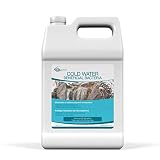
- Effective Cold-Temperature Performance: Formulated to work in water temperatures below 50°F (10°C), making it ideal for fall and winter...
- Promotes Natural Waste Breakdown: Supports the biological process that helps manage excess nutrients and organic debris as temperatures...
- Professional Strength Formula: Highly concentrated with 1.5 billion CFU per ounce and eight pure strains of beneficial bacteria for...
Add a cold-water beneficial bacteria treatment after sludge removal or a partial water change. Choose a formula labeled for the water temperatures you expect, since standard warm-season bacteria lose activity as autumn water cools.
Dose for your actual pond volume and follow the label directions for repeat applications. Beneficial bacteria support the breakdown of fine organic waste that escapes the net, skimmer, and vacuum.
Good circulation and established filter media give the treatment a place to work. Use bacteria as part of your debris-control routine, then monitor clarity and fish behavior over the following days.
9) Make use of Activated Carbon to Reduce Tannin

- Ideal for Koi Ponds & Water Garden Features: Activated carbon pond water clarifier is part of a comprehensive water quality management...
- Safely Removes Dissolved Organic Matter: Improves water clarity by removing stains and “tea-colored” discoloration from leaves and...
- Includes Mesh Bag: Each nine-pound package of pond activated carbon filter media includes one fine mesh bag for easy application. Some users...
Use activated carbon in a mesh bag within a strong-flow section of your filter to reduce tannins. Tannins are dissolved compounds released by leaves, bark, and other decaying plant material, and they can give pond water a tea-colored cast.
Rinse carbon according to its package directions before placing it in the filter. Position it after coarse mechanical filtration so suspended debris does not coat the carbon too quickly.
Replace the carbon on the manufacturer’s schedule because its adsorption sites fill over time. Continue removing leaves and sludge while you use it, since source control limits the tannins entering your water. You can also use these steps to remove tannins from pond water when discoloration persists.
10) Switch Koi and Goldfish to Wheatgerm Food as Water Cools

- Easily Digested Daily Diet
- Promotes Waste Reduction
- Excellent for Feeding Autumn & Spring
Switch koi and goldfish to wheatgerm food when pond water falls below 59°F. Wheatgerm-based food is easier to digest as your fish’s metabolism slows, which reduces uneaten food and waste entering the pond.
Use a pond thermometer instead of judging by air temperature. Water changes temperature more slowly than the afternoon air, and a warm day can conceal a sustained overnight cooling trend.
Feed small portions that your fish finish promptly, then remove leftovers from the surface. As water continues cooling, reduce feeding in line with your food manufacturer’s temperature guidance and your fish’s activity level.