
Choosing fish for a small pond is trickier than it might seem. Plenty of popular pond fish can get way too big for those cozy water features, leading to crowding and, let’s be honest, a mess with water quality. If you want a thriving little pond, stick to fish that naturally stay under three inches and don’t mind living in limited space.
The right small fish can turn a mini pond or even a container garden into a lively ecosystem. These little species bring the same energy and color as bigger fish, just without the risk of them outgrowing their home. Knowing which fish keep their petite size helps you skip the usual stocking mistakes and keeps your pond healthier and, honestly, easier to deal with year-round.
1) Mosquitofish (Gambusia affinis)
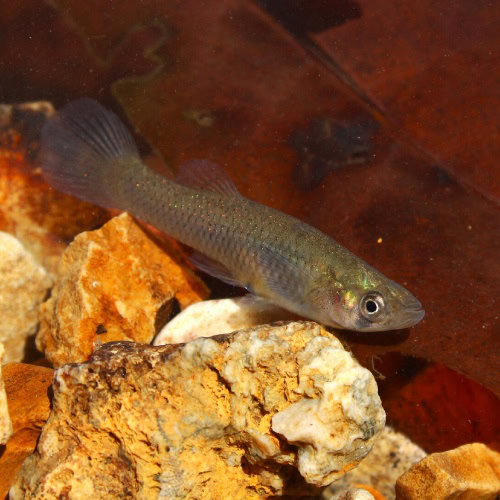
Mosquitofish max out at about 1.5 to 2.5 inches, making them pretty much perfect for smaller ponds. Native to North America, they’re tough little fish and handle a wide range of water conditions and temperatures.
You can stock 20 to 30 of these in a small pond (around 1/16 acre, if you’re counting). They breed fast and are champs at gobbling up mosquito larvae, so you get natural pest control as a bonus.
With their silvery gray look, mosquitofish sort of resemble plain female guppies. They’re easygoing, tolerate lots of conditions, and once they’re settled, they don’t ask for much.
2) Endler’s Livebearer (Poecilia wingei)

Endler’s livebearers are vibrant freshwater fish that really don’t get big; males usually stay under an inch, females a bit bigger at 1.5 to 2 inches. Their small size makes them a good pick for outdoor ponds, especially where winters aren’t too harsh (you’ll need to bring them in during winter if you’re in the UK, US or Canada).
Males show off with metallic greens, reds, and blacks, looking like little jewels darting around. Hardy and adaptable, they breed easily and don’t need much fussing over.
If you want to keep their numbers in check, you can tweak the water temperature, which is handy if you don’t want the pond overrun.
3) Red Shiner (Cyprinella lutrensis)
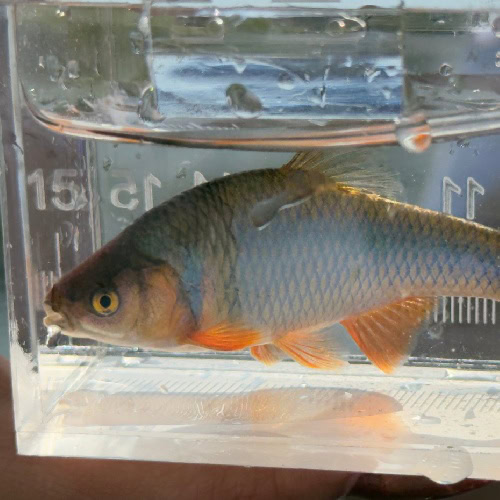
Red shiners are hardy little fish that usually grow to around 2 to 3 inches. Native to North America, they handle a wide range of conditions, making them a great fit for outdoor ponds.
Males develop bright reddish tones during breeding season, adding flashes of color as they dart around. They’re active schooling fish, so keep at least six together to see their natural behavior.
They tolerate temperature swings better than most small fish, which makes them a reliable choice if your pond isn’t heated year-round.
4) Common Minnow (Phoxinus phoxinus)

Common minnows are small, slender fish that usually grow to about 2 to 3 inches. Native to cooler parts of Europe and Asia, they’re well suited to outdoor ponds, especially those with good oxygen levels and moving water.
They’re subtle in color most of the year, but during breeding season, males develop warmer tones and a slight shimmer that adds interest up close. These fish are active and social, so keeping them in groups of six or more helps them feel secure and display natural schooling behavior.
Common minnows prefer cooler temperatures and clean water, making them a great choice for ponds in milder climates or those with some circulation.
5) Shubunkins & Comets (Carassius auratus)
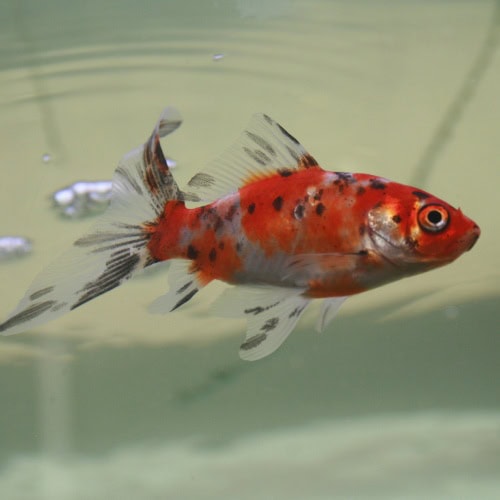
Shubunkins and comet goldfish are hardy, fast-swimming varieties that typically grow between 8 and 12 inches, making them a classic choice for outdoor ponds. Both are varieties of the common goldfish, known for their durability and adaptability.
Comets have long, flowing tails and are often bright orange or red, while shubunkins stand out with their calico pattern of blue, orange, black, and white. They’re active fish that enjoy plenty of open space, so they do best in larger ponds.
These fish tolerate a wide range of temperatures, including cold winters in many climates. With proper care and room to grow, they can live for many years and become a lively, eye-catching centerpiece in your pond.
6) Sticklebacks (Gasterosteidae)
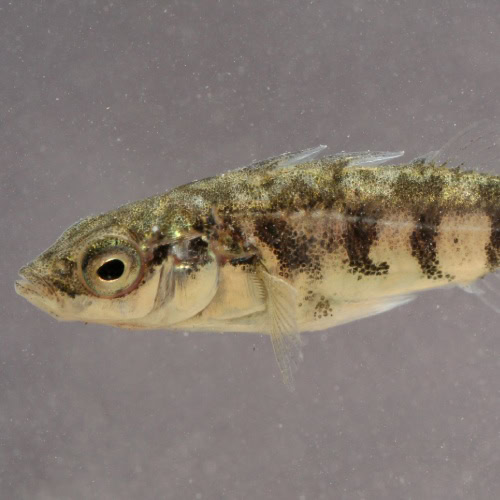
Sticklebacks are small, hardy fish that typically grow between 1.5 and 3 inches, depending on the species. Native to much of the Northern Hemisphere, they adapt well to outdoor ponds, especially those with clean, well-oxygenated water.
They’re fairly understated in color most of the year, but during breeding season, males become much more vibrant and display interesting behaviors as they build and guard nests. It’s a subtle but fascinating show if you catch it.
Sticklebacks are active and do well in small groups, adding gentle movement without overwhelming a pond. Their tolerance for cooler temperatures makes them a solid choice for unheated setups in temperate climates.