
Growing indoor plants without soil is totally doable and offers a cleaner, more modern way to incorporate fresh indoor garden ideas into your home. Following an easy indoor hydroponics guide allows you to get your houseplants thriving through water propagation or by using growing mediums like LECA and perlite. Whether you are building a custom hydroponics diy indoor system or looking for a professional hydroponics setup, these methods send nutrients directly to the roots, often resulting in quicker growth and way less mess.
Implementing home hydroponics is the perfect solution if you’re tired of dealing with dirt, soil-borne pests, or lugging around heavy pots. For those with limited space, kitchen hydroponics can turn a small counter into a productive green zone, while self-watering indoor hydroponics systems make maintenance a breeze for busy plant parents.
You might be surprised how many popular houseplants, such as pothos and philodendrons, adapt beautifully to soilless life. The trick to success is figuring out which plants are up for the transition, picking a method that fits your aesthetic, and keeping the nutrient balance dialed in for long-term health.
Key Methods for Growing Indoor Plants Without Soil

There are a few solid ways to grow plants without soil: using water, air, or inert media to deliver nutrients. Each one has its perks, depending on your goals and how much mess you’re willing to put up with.
Hydroponics for Indoor Gardening
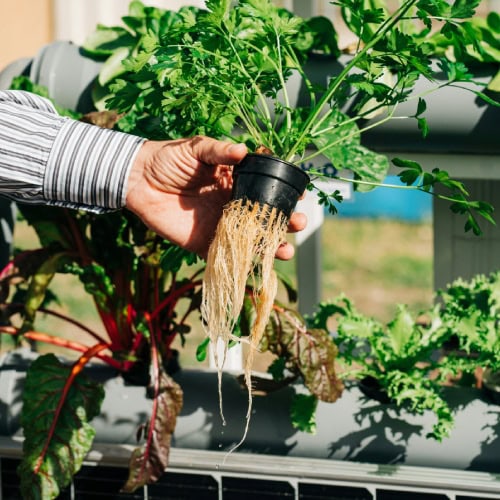
Hydroponics is all about growing plants in nutrient-rich water instead of dirt. In a typical system, roots dangle in a solution that’s got everything a plant needs, mineral-wise. You get more control over feeding, and plants often grow faster.
You’ll see setups like deep water culture (roots in bubbly nutrient water), ebb and flow (water floods and drains), or maybe drip systems and nutrient film technique, where a thin stream of solution runs past the roots. It’s not rocket science, but you do need a reservoir, a pump, some net pots, and a nutrient mix. Keep the pH between 5.5 and 6.5, as plants cn be picky. Leafy greens, herbs, and a lot of veggies do well if you keep things between 65 and 75°F and give them decent light.
Aeroponics and Fogponics
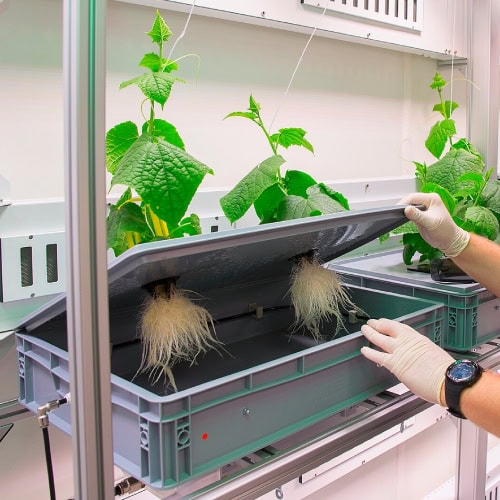
Aeroponics takes things up a notch by suspending roots in air and misting them with nutrients. Roots get max oxygen, and you can dial in nutrition pretty precisely. Usually, you’ve got misters inside a chamber that keeps the roots dark and humid.
Fogponics is similar but uses a super-fine fog instead of droplets. The fine mist means nutrients get absorbed even faster. Both methods use less water than hydroponics or soil, but you’ll be tinkering with mist cycles (often 30 seconds every few minutes) and cleaning nozzles a lot. It’s a bit high-maintenance, honestly, since roots dry out fast if you mess up the timing.
Utilizing Air Plants, Epiphytes, and Water-Only Systems
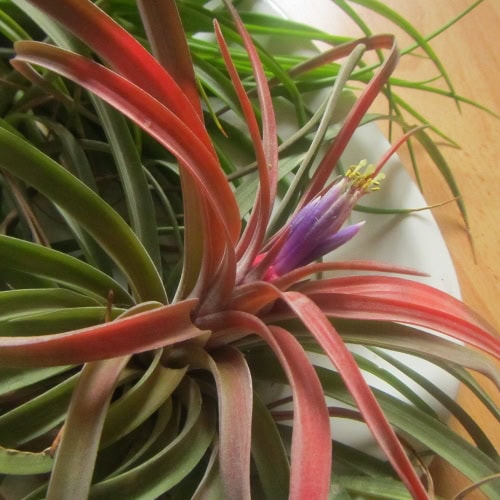
Air plants (tillandsia) don’t need any medium at all! They soak up water and nutrients through their leaves. Just mist or dunk them once or twice a week and keep them in bright, indirect light. There are hundreds of species, so if you like variety, you’ve got options.
Bromeliads and lots of orchids are epiphytes, meaning they grow on trees in the wild. You can mount them on bark, driftwood, or just let them hang out in a container with a bit of support. They get what they need from the air and the occasional rain (or your spray bottle).
Water-only systems are great for rooting cuttings and growing certain plants, such as pothos, lucky bamboo, philodendrons. Stick a cutting in water, change it every week to keep things fresh, and maybe add a bit of diluted fertilizer now and then. Some plants can live in water for ages, though most appreciate a little extra nutrition sometimes.
Choosing Suitable Growing Media: Coco Coir, LECA, Rockwool, and Perlite
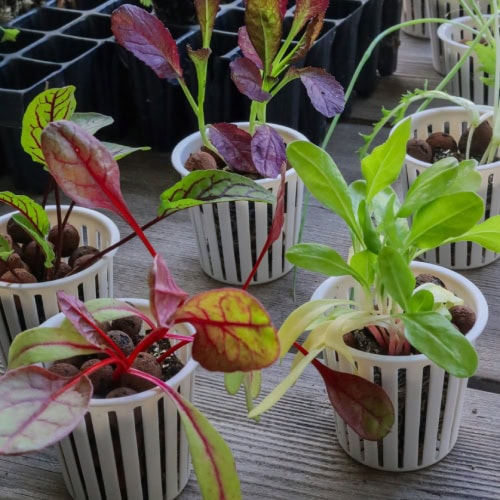
Inert media like coco coir, LECA, rockwool, and perlite give roots something to grab onto while you take care of the nutrients. They don’t feed the plant themselves, but they help with water and air flow.
Coco coir (from coconut husks) holds moisture well and drains nicely. It’s fibrous, so roots like it. Just rinse and buffer it before use to get rid of extra salts.
LECA (lightweight expanded clay aggregate) is basically clay pebbles; reusable, pH-neutral, and great for air circulation. They’re ideal for semi-hydroponic setups with a bit of water at the bottom of the pot.
Rockwool is spun rock, made into cubes or slabs. It holds water and air, is sterile, and supports plants well, but you’ll need to soak and adjust the pH first because it starts out pretty alkaline.
Perlite is puffed volcanic glass, making it super light and great for aeration. You can mix it with other stuff or use it alone in some hydro setups. It doesn’t hold as much water as coco coir but does help prevent root rot.
How To Set Up and Maintain Your Indoor Soil-Free Garden

Getting an indoor soil-free garden going means picking the right gear and system, choosing plants that’ll actually work, managing light and humidity, and keeping an eye out for issues. Each piece matters if you want your plants to do more than just survive.
Essential Equipment and Home Hydroponic Systems
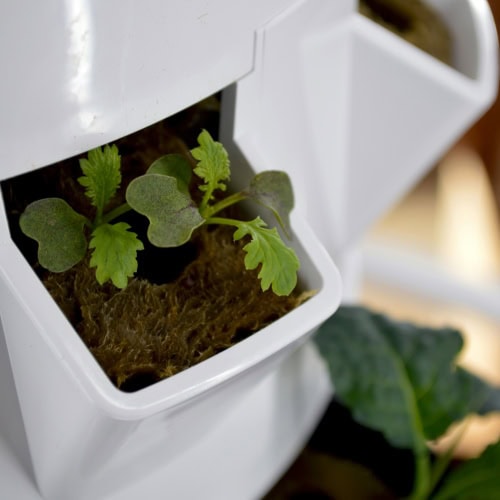
To start a basic hydroponic setup, you’ll need a reservoir for the nutrient solution, an air pump and stone to keep things oxygenated, and a pH kit (shoot for a pH of 5.5 to 6.5).
Some common systems:
- Deep water culture: roots dangle in bubbly nutrient water, usually in net pots with clay pebbles or similar media.
- Wick systems: use a cord to pull nutrients from the reservoir to the plant. Super simple, good for beginner!
- Nutrient film technique: a thin film of nutrient solution flows past bare roots in sloped channels.
If you’re tight on space, vertical setups let you stack plants upward. Controlled environment agriculture (CEA) is a fancy way of saying you manage temp, humidity, and light closely. Most folks will need grow lights, which are usually on for about 12 to 16 hours a day, depending on your plant picks.
Plant Selection: Best Indoor Plants to Grow Without Soil
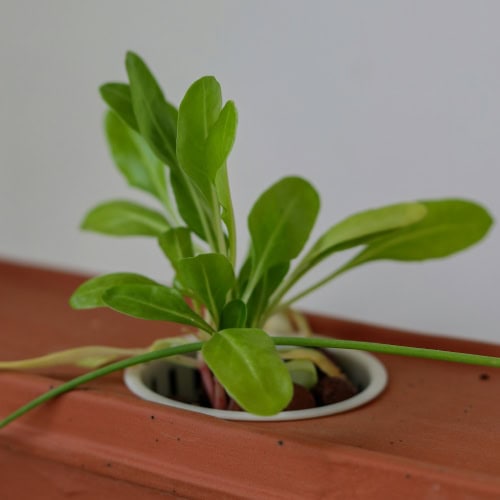
Leafy greens and herbs are the go-tos for soil-free gardening. Lettuce, spinach, and kale grow fast and don’t need much fuss. Basil’s a champ, and mint will root in water with almost no effort, just stick some cuttings in a jar and change the water weekly.
For easy, decorative options, try pothos, philodendron, or spider plants. They’re not too demanding about nutrients. Once you get the hang of it, you can try compact tomatoes or peppers, but balancing nutrients gets trickier.
Skip root veggies like carrots, as they need soil structure. And if your space is tight, steer clear of big vining plants unless you’ve got a spot for them to climb.
Providing Light, Watering, and Controlling Humidity
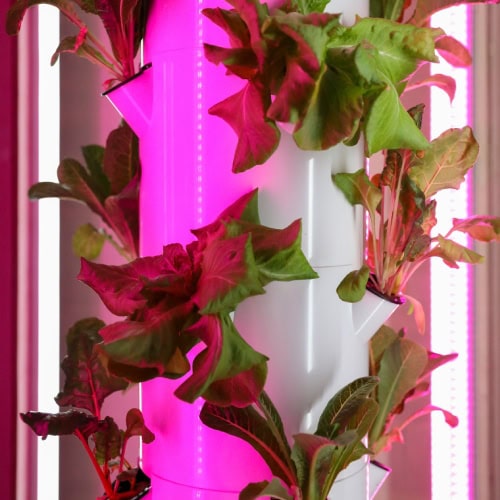
Grow lights are usually a must indoors. LEDs are efficient and don’t throw off much heat. Place them 6–12 inches above leafy greens, 12–24 inches above fruiting plants, and move them up as things grow.
Your watering routine depends on the system. Deep water culture means roots are always submerged (and oxygenated), while wick systems handle moisture on their own. Check water daily, top off as needed, and swap out the whole nutrient solution every couple of weeks to keep things fresh.
Keep humidity between 50% and 70%. Use a hygrometer if you want to get nerdy about it, and tweak with a humidifier or dehumidifier if things go out of whack. Terrariums are naturally humid and perfect for tropical plants that don’t need soil, plus, they look cool on a shelf.
Monitoring Nutrients, Root Health, and Preventing Root Rot
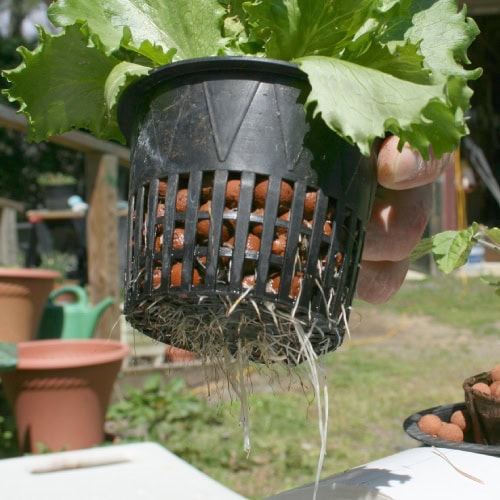
It’s important to check your nutrient solution regularly. Give it a quick test and tweak as needed. Keep an eye on electrical conductivity (EC); most veggies like it somewhere between 1.2 and 2.0 mS/cm. Go for hydroponic-specific fertilizers, since they’re packed with all the macro and micronutrients your plants crave, and they’re easy for roots to absorb.
Take a look at the roots every week, maybe through the net pots or if you’ve got clear containers. Healthy roots should be white or maybe light tan, and they should feel pretty firm. If you spot brown, mushy, or weird-smelling roots, that’s a red flag, as something’s gone wrong and it needs fixing.
Root rot’s a pain, but you can usually dodge it by keeping oxygen levels up in the nutrient solution. Air pumps should run nonstop. Try to keep water temps in the sweet spot: 65°F to 75°F. Any warmer and oxygen drops off, which is not what you want. Give your system a good clean every month with some diluted hydrogen peroxide to keep pathogens at bay
. And don’t crowd your plants! Leave enough space for air to move around the leaves, which helps cut down on moisture issues and keeps diseases from taking hold.