
Plants have been symbols of peace for ages, maybe even longer than we realize. Their natural beauty and calming vibe have made them powerful emblems of harmony, tranquility, and serenity in gardens, homes, and sacred spaces. Knowing which plants symbolize peace can help you create spaces that actually feel calm and meaningful.
Whether it’s the graceful white lily or the soothing scent of lavender, each plant brings its own story and vibe. These peaceful blooms come in all shapes and sizes, from delicate flowers to aromatic herbs, and they add both beauty and a sense of meaning that can turn your home or garden into a little sanctuary.
1) Peace Lily
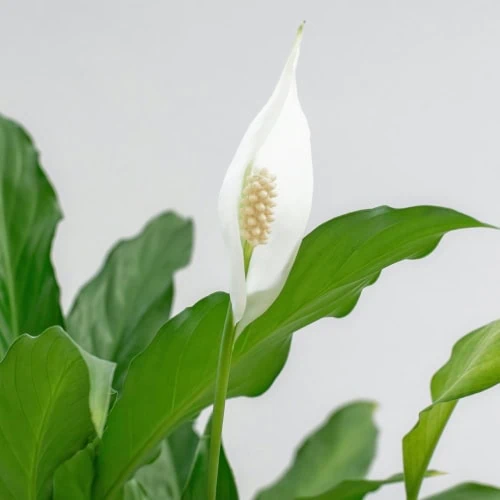
The peace lily is probably one of the first plants people think of when it comes to tranquility and harmony. Its crisp white blooms and deep green leaves send out a message of peace, purity, and hope in so many cultures.
It’s a forgiving plant, too, and is happy in low light conditions, so you don’t need a green thumb to keep it alive indoors. Beyond just looking good, the peace lily represents spiritual growth and renewal. It’s kind of like a gentle nudge for personal transformation, and it even helps clean the air around you.
2) White Lily
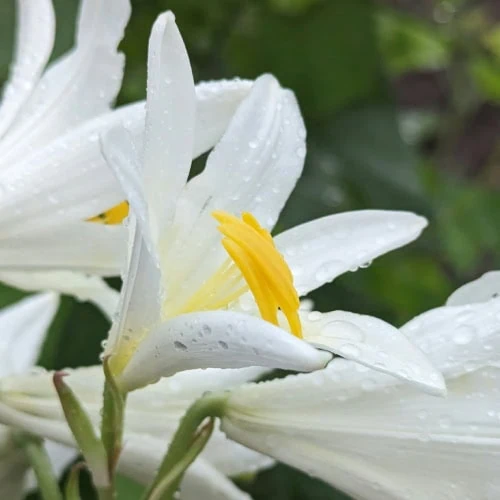
White lilies have always been about peace, purity, and innocence. Their trumpet-shaped petals and tall, elegant stems just have this calm energy, which is no wonder they’re so popular in arrangements meant to inspire peace.
The white color symbolizes fresh starts and hope. You’ll see these flowers at ceremonies or in spaces where people want to create a soothing mood. Plus, their gentle scent and striking look make them a solid choice if you’re hoping to send a peaceful message.
3) Lavender
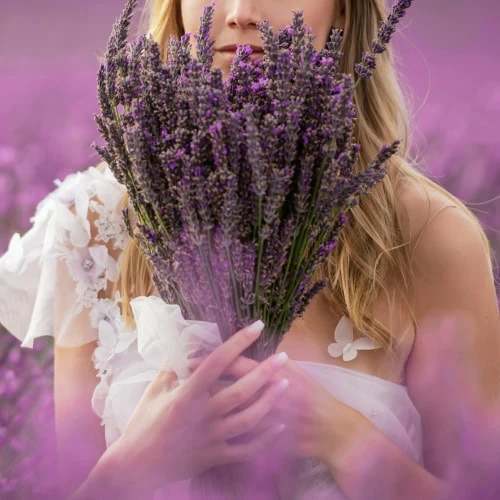
Lavender is basically the poster child for peace and relaxation. Its scent is instantly calming, and it’s famous for helping people unwind and shake off stress.
The soothing aroma has made lavender a staple in aromatherapy for centuries. If you add it to your garden, you’re not just getting a peaceful sanctuary, you’re also appealing to your senses in the best way.
The purple blooms are beautiful to look at, and the fragrance really helps set a mellow, serene mood outdoors.
4) White Poppy
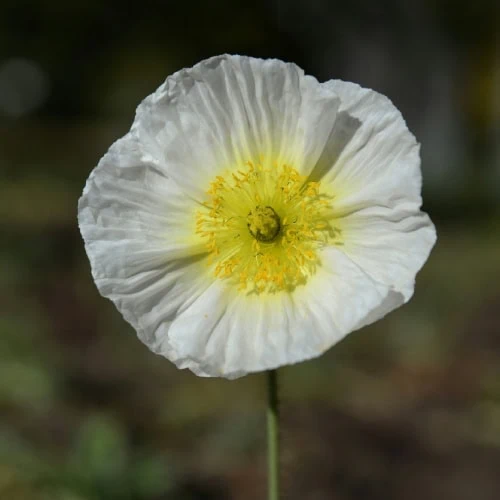
The white poppy is a really strong symbol of peace, especially in anti-war movements. Unlike the red poppy, which is about remembering fallen soldiers, the white version stands for peace and saying no to violence.
It’s for tranquility, renewal, and a kind of gentle serenity. People often display white poppies during remembrance events to honor peace, while still respecting the victims of war. The tradition goes back to post-World War I, when these flowers first started to mean “peace without violence.”
5) Chamomile
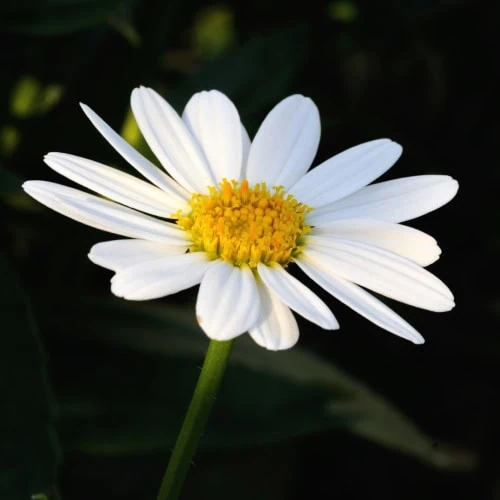
Chamomile’s reputation for peace and calm is well earned, just look at its dainty white petals and how it’s been used for centuries to help people relax.
Its symbolism comes from its long history as an herbal remedy to calm nerves and ease stress. Growing chamomile in your garden is a nice way to create a peaceful vibe, and you get the bonus of fresh tea and aromatherapy right from your backyard.
6) Hyacinth
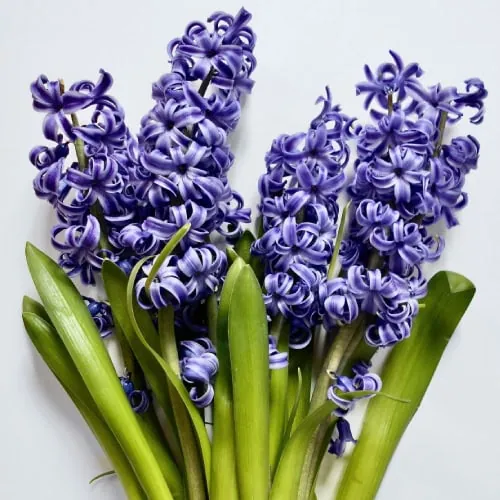
Hyacinths are reflections of peace, beauty, and that sense of inner tranquility. The blue ones in particular represent serenity and calm, so they’re often used to express sympathy or offer comfort. These spring flowers have clusters of delicate petals that just radiate wisdom and grace.
You can plant hyacinths to set a harmonious mood at home or in the garden. Their gentle look and peaceful meaning have made them special in lots of cultures for a really long time.
7) Violet
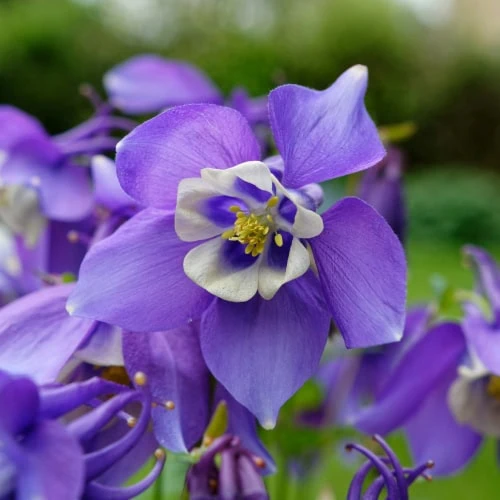
Violets have been connected to peace in so many cultures over the years. Their little purple or blue blooms just feel calming. The ancient Romans even thought violets brought peace to the dead, helping them find serenity after life.
They’re not just about peace, though, as violets also stand for healing, loyalty, and devotion. Try planting them in your garden for a reminder of harmony, or use them in arrangements to bring a peaceful touch indoors.
8) Peony
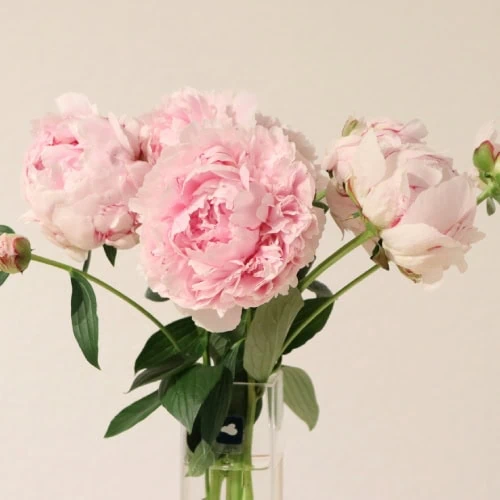
Peonies are loaded with symbolism: peace, prosperity, and a happy, harmonious home. In Chinese tradition, they’re all about a peaceful and stable family life. The soft, layered petals and gentle fragrance really help set a calming tone.
They’re great for bringing a sense of serenity to your space. The flower’s connection to peace is tied to its knack for making you feel relaxed and content. Peonies also represent enduring love and happy marriages in lots of different cultures.
9) Lotus
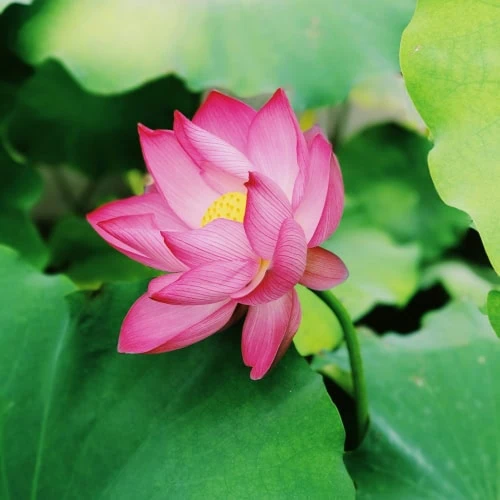
The lotus flower might have the deepest symbolism of all: peace, purity, and spiritual awakening. This aquatic plant rises from muddy water and somehow blooms spotless, so it’s a powerful image of resilience and inner harmony.
In Buddhism and Hinduism, the lotus stands for enlightenment and transcendence. Its ability to come up clean from the muck is a reminder that you can find peace and grow, even when things are tough. The lotus really captures that hope for tranquility in challenging times.
10) Hellebore
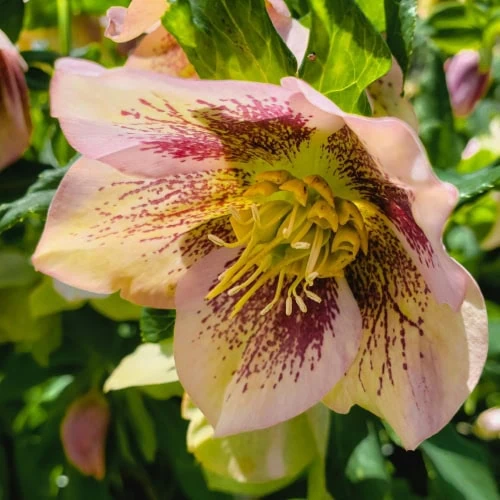
Hellebore, sometimes called the Christmas Rose or Lenten Rose, is another plant that’s a representation peace and tranquility. It’s a winter bloomer and represents the balance between light and darkness.
White hellebores in particular mean purity, serenity, and hope in hard times. The fact that they bloom when it’s cold and bleak only adds to their reputation for helping people find peace in adversity. You’ll see them in gardens and arrangements meant for quiet reflection.
11) Cosmos
Cosmos flowers are a pretty clear symbol of peace, harmony, and order; their perfectly symmetrical petals even inspired their name, which comes from the Greek word “kosmos” (meaning order).
These delicate flowers signify tranquility and emotional balance. Having cosmos around can be a gentle reminder to look for simplicity and peace, even when life gets messy.
12) Pincushion Flower
The pincushion flower, or Scabiosa, is a sweet little bloom that stands for peace, purity, and tranquility. Its globe-shaped blooms and soft petals give it a unique, cushion-like look.
It’s a thoughtful flower, perfect for arrangements where you want to send peaceful wishes. Adding pincushion flowers to a bouquet is a subtle way to share calm and serenity with someone.
The flower’s gentle presence and light fragrance help bring a sense of harmony to any space.
13) White Rose
White roses have been about peace since Victorian times, when people gave them to symbolize love, tranquility, and strong bonds. Their pure white petals are for innocence, and the scent is just calming.
You’ll see white roses at memorials and peace ceremonies pretty often. They’re also a lovely addition to any garden if you want a living symbol of harmony and fresh starts.
14) Apple Blossom
Apple blossoms are these delicate pink and white flowers that show up in early spring, before the apples themselves. They’ve long been linked to peace in different cultures.
Besides their peaceful vibe, apple blossoms also symbolize love and fertility. When gardens and orchards fill up with their gentle colors and sweet scent, it’s hard not to feel a little more relaxed.
15) Cattail
Cattails have had a reputation for peace since Victorian times, when people started seeing them as symbols of prosperity and harmony. You’ll spot these wetland plants in marshes and along water edges, just thriving away with no help at all.
Giving someone cattails was once a way to resolve conflicts; a kind of living offering of truce or reconciliation. They also carry spiritual meanings of protection and emotional steadiness in different traditions.
16) Basil
Basil’s been a symbol of peace in all sorts of cultures. This aromatic herb brings a calm vibe to any space, whether it’s in your garden or on a sunny kitchen windowsill. In Hindu tradition, holy basil is especially significant, standing for prosperity and positive energy.
The little white flowers mean peace and good fortune. White basil blossoms, in particular, are about balance and serenity, and they can add a touch of tranquility to your home.
17) White Anemone
White anemones are about anticipation and the hope for peace. Their delicate, star-like petals bring a gentle, optimistic energy to gardens and arrangements. These windflowers are said to encourage tranquility and help you tap into your own sense of calm.
White anemones represent feminine energy and balance, helping to create harmony wherever you plant them.
18) Christmas Rose
The Christmas Rose, or Helleborus niger, is another winter bloomer that’s a reflection of peace and tranquility. Its soft white petals stand out in the coldest months, when most gardens are bare. It’s part of the buttercup family, and something about its persistence in winter makes it special.
The flower’s peaceful reputation comes from both its pure look and the legends around it. According to tradition, the Christmas Rose bloomed in the snow as a sign of humility and serenity. Planting it in your garden can be a quiet way to invite calm and renewal.
19) Gardenia
Gardenias are famous for their creamy white blooms and that unforgettable scent. They stand for purity, inner peace, and tranquility in a bunch of cultures. In Asian traditions, gardenias are about clarity and peaceful intentions, so they’re popular at weddings and other big moments.
The peaceful symbolism goes beyond just the flowers, it’s about trust, hope, and renewal too. Adding gardenias to your garden is a lovely way to create a calming atmosphere that encourages reflection and a sense of serenity.
20) Jasmine
Jasmine has picked up a ton of symbolism over the years: peace, tranquility, that sort of thing. The white ones, especially, are seen as pure and spiritually calming, so it’s no wonder people love them for meditation corners or just anywhere you want a chill vibe.
You’ll catch jasmine showing up a lot in religious rituals and healing traditions, mostly because its scent is just so soothing. There’s something about that fragrance that makes you pause and breathe a little easier, even when life’s throwing curveballs.
With its ties to gentle energy and spiritual awakening, jasmine really feels at home in your peace garden.