
Red plants bring a bold splash of color and a bit of drama to just about any garden or landscape. From the classic charm of roses and tulips to the more tropical showstoppers, there’s a red plant for nearly every taste and climate. If you’re dreaming up a new garden bed or just itching to refresh a tired corner, red flowering plants can really shake things up, no matter the season.
Getting to know the range of red plants out there makes it way easier to pick the right ones for your garden’s vibe, draw in pollinators, and keep things interesting year-round. You’ll find everything from compact annuals that pump out blooms nonstop to perennial favorites that return each year. Here’s a lineup of twenty distinctive red plants, with a quick look at what makes each one special and some practical growing info to help you decide what fits your space.
1) Red Rose
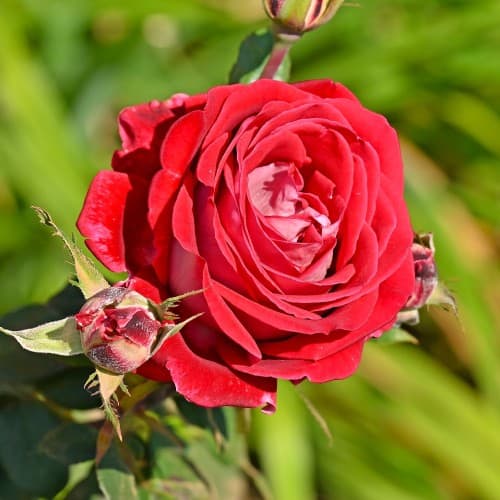
Red roses are the ultimate garden classic, forever tied to love and passion. There’s no shortage of options (hybrid teas, floribundas, climbing types) each with blooms ranging from deep crimson to bright scarlet.
Give these beauties full sun and well-drained soil. Water deeply (but not constantly), and prune in early spring if you want a healthy flush of flowers.
2) Red Tulip
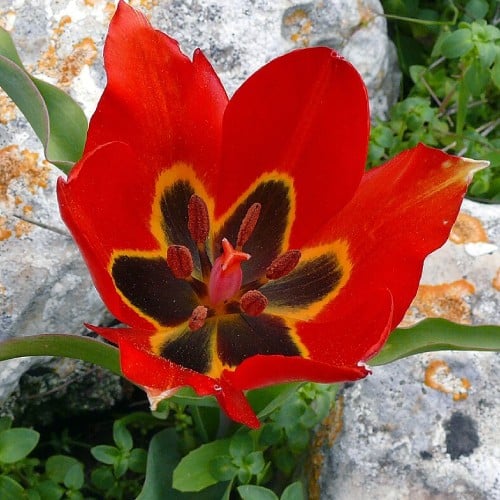
Red tulips are a spring staple, lighting up gardens with their vibrant color. Varieties like Apeldoorn, a Darwin Hybrid, produce big, egg-shaped flowers on tall stems, while Red Impression stands out with its blood-red petals and dark centers.
If you want something a bit different, Ancilla is a compact Kaufmanniana tulip with waterlily-like flowers on shorter stems, blooming as early as March. These bulbs are easygoing, just give them sun and well-drained soil, and they’ll reward you in borders or containers.
3) Red Hibiscus
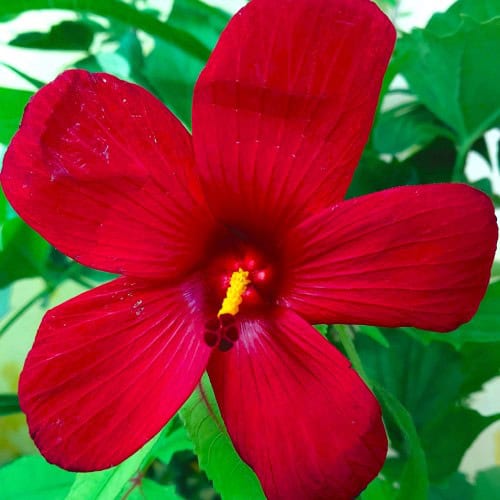
Red hibiscus flaunts big, trumpet-shaped blooms that make any garden pop. The tropical type, Hibiscus rosa-sinensis, sports glossy green leaves and showy flowers that last through the growing season.
They’re happiest in warm climates with plenty of sun. Try them near entryways or to fill empty spaces along a wall. Favorites like ‘President Red’ and ‘Red Dragon’ are loved for their intense scarlet flowers.
4) Red Azalea
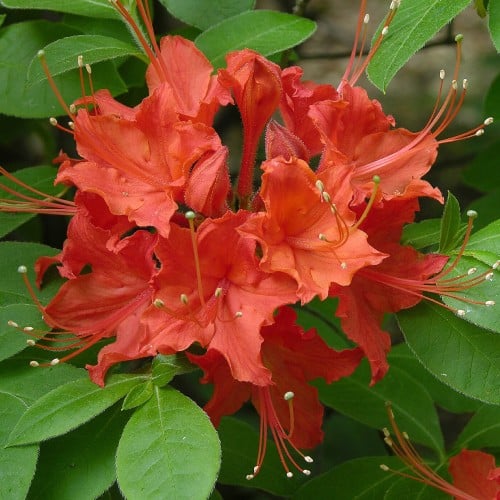
Red azaleas are hard to miss when they bloom, with flowers in shades from bright red to deep crimson.
Most varieties put on their show in spring, but some newer types bloom more than once a season. They work well as foundation plants, borders, or just as an eye-catching accent.
Typically reaching 3 to 6 feet, red azaleas prefer partial shade and acidic soil.
5) Red Mums (Chrysanthemum)
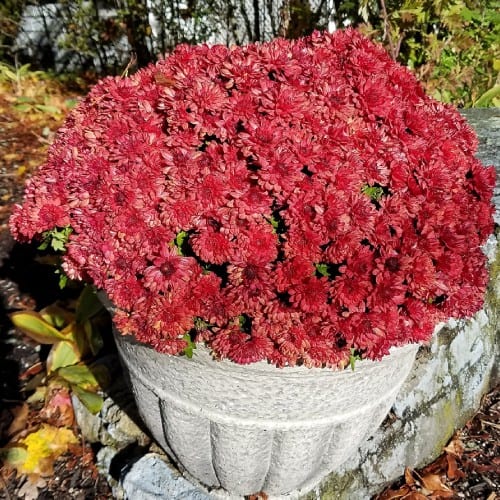
Red mums are a go-to for fall color, with their decorative blooms brightening up the season. These hardy perennials do well in zones 3 through 9 and usually grow about 2 to 3 feet tall and wide.
Stick them in containers, borders, or landscape beds. Varieties like Wanda Red, Danielle Red, and Red Ryder are solid choices for color and resilience.
Mums bloom as days get shorter. Water during dry spells, but otherwise, they’re pretty low-fuss.
6) Red Geranium
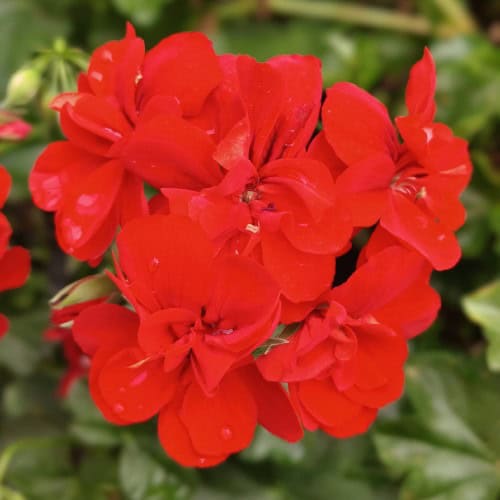
Red geraniums are a classic for a reason! They’re tough, colorful, and versatile. Give them full sun and well-drained soil, and they’ll thrive in beds, pots, or even hanging baskets.
These plants pump out vivid red blooms all season. Once they’re established, they need very little attention, especially in warmer climates.
7) Red Valerian
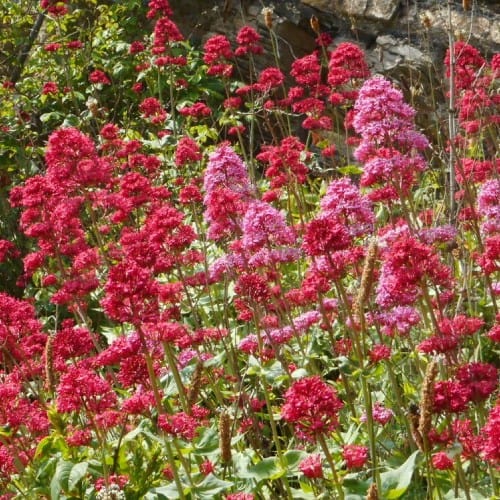
Red Valerian (Centranthus ruber) is a bushy perennial with clusters of star-shaped flowers – red, pink, or white – set off by blue-green foliage. It loves full sun and well-drained soil, handling rocky or tough spots with ease.
Plant in spring or fall, spacing about a foot apart. Red Valerian blooms from summer through autumn and shrugs off poor soil, so it’s a good fit for cottage gardens or stone walls.
8) Red Salvia
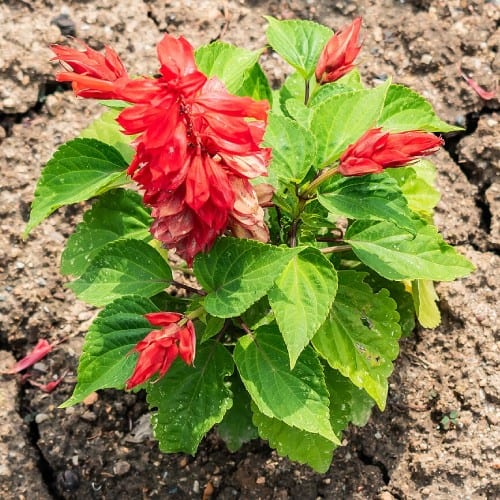
Red Salvia is all about those scarlet blooms that grab your attention. It’s a Brazilian native, growing as a perennial in the heat or an annual in cooler spots.
It flowers from spring into fall, drawing in hummingbirds and butterflies. Red Salvia likes full sun and moderate water, and it’s pretty good at handling heat and dry spells.
9) Red Begonia
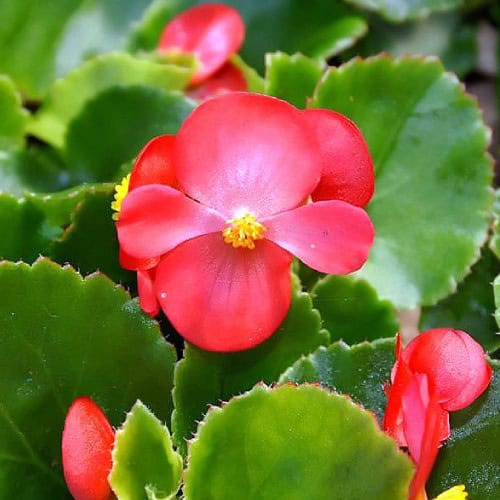
Red begonias are a go-to for pops of color, whether you’re gardening indoors or outside in the shade. Their waxy or rose-like blooms contrast nicely with glossy green leaves.
Try varieties like Nonstop Red for big, double blooms on compact plants. Red begonias mix well with ferns and other shade lovers in garden beds or containers.
10) Red Canna Lily
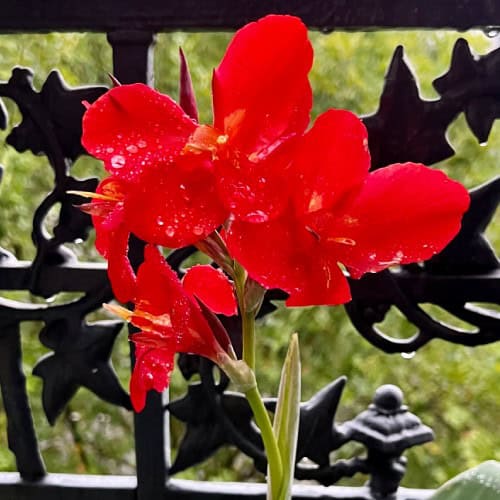
Red canna lilies are pure tropical drama, with bold flowers and lush foliage. They’re happiest in full sun, blooming from mid-summer to fall. ‘Red King Humbert’ has glossy bronze leaves, while ‘The President’ grows up to 3 feet tall.
Plant them in beds, containers, or as a backdrop, just make sure it’s warm and humid for best results.
11) Red Poppy
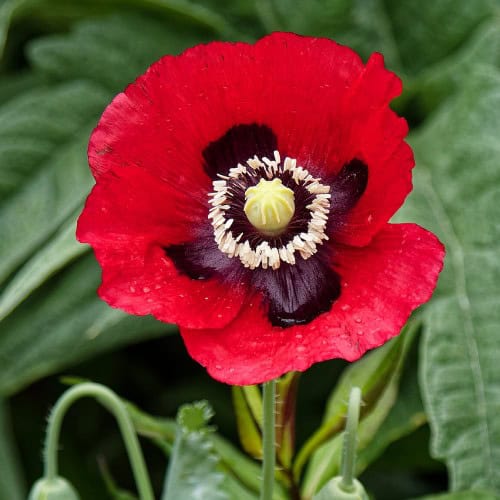
Red poppies are all about those delicate, papery petals in vivid scarlet. They’re tough, thriving in disturbed soil and self-seeding with little help, so you’ll see them return year after year.
The Flanders poppy (corn poppy) stands out with its tall stems and gray-green leaves. There’s a range of reds and even some softer shades, so you can pick what suits your style.
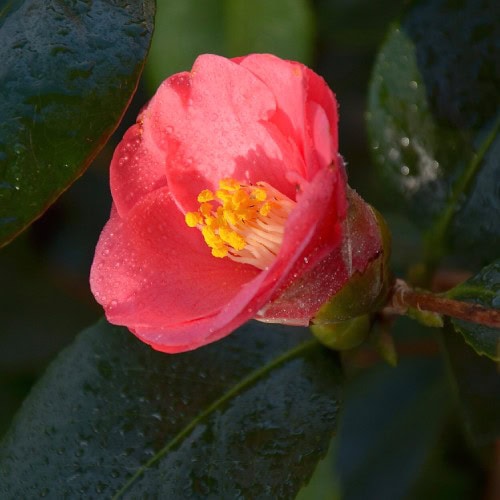
12) Red Camellia
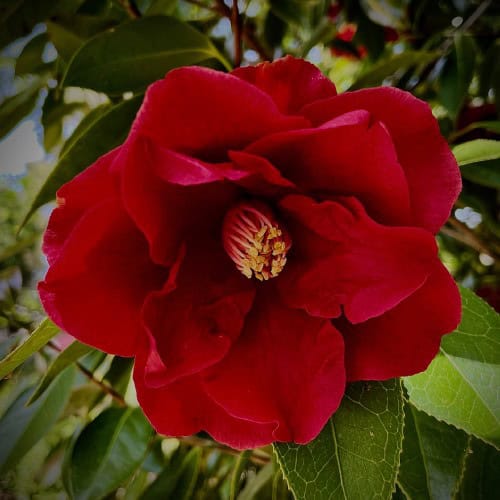
Red camellias are evergreen shrubs with big, rose-like blooms ranging from crimson to scarlet. They tend to flower from late winter into early spring, so they’re perfect for brightening up colder months.
They like acidic soil and partial shade, growing slowly but steadily in zones 7 to 9. You can keep them in beds or containers, as their glossy leaves look good all year, and the flowers are just a bonus when they arrive.
13) Red Zinnia
Red zinnias are a breeze! Heat-tolerant annuals that bloom nonstop with barely any fuss.
Varieties like Profusion Red resist disease and drought, and their 2- to 3-inch blooms are a magnet for butterflies. Give them sun and plant in beds, borders, or containers for a reliable splash of color.
14) Red Dahlia
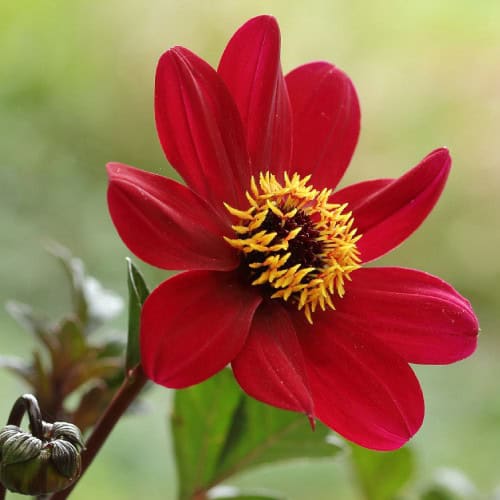
Red dahlias make a statement, with flowers anywhere from 4 to 12 inches across. They bloom in late summer and come in all sorts of forms, single, double, cactus, pompon, you name it!
Depending on the type, they can be compact (like ‘Melody Mambo’ at just 20 inches) or towering up to 6 feet. They grow from tuberous roots and should be planted in spring.
15) Red Carnation
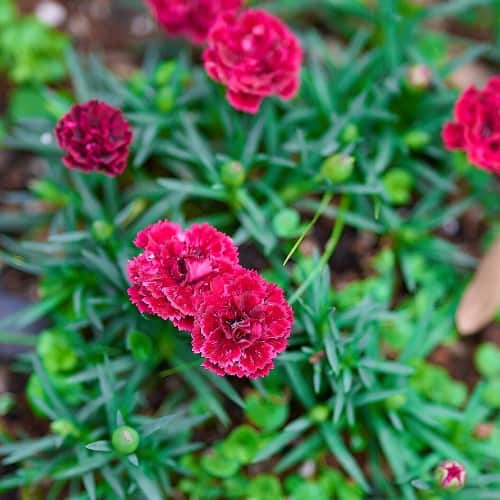
Red carnations have that ruffled, frilly look and classic crimson color; always a favorite in gardens and flower arrangements. They’re symbols of love and admiration, if you’re into that sort of thing.
Plant them in well-drained soil with plenty of sun. They bloom all summer, with flowers lasting ages in bouquets. Expect blooms around one to three inches wide, with that signature frilled edge.
16) Red Amaryllis
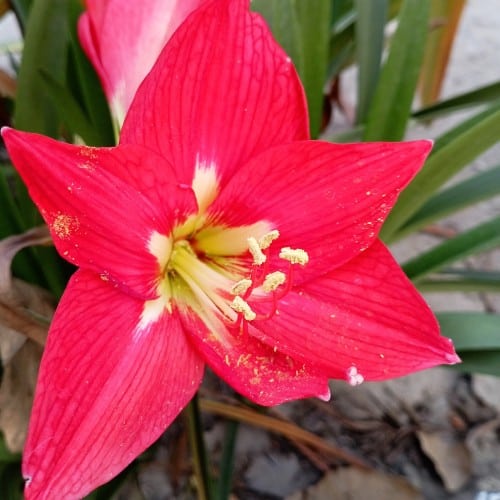
Red amaryllis is a winter showstopper for gardens and indoor displays. The bulbs send up huge blooms, sometimes 8 inches across, in shades of crimson or scarlet.
Pick varieties like ‘Red Lion’ or ‘Red Pearl’ for festive color. Each bulb usually puts out several flowers per stem, blooming 6 to 10 weeks after planting, and stems can reach about 20 inches tall.
17) Red Anemone
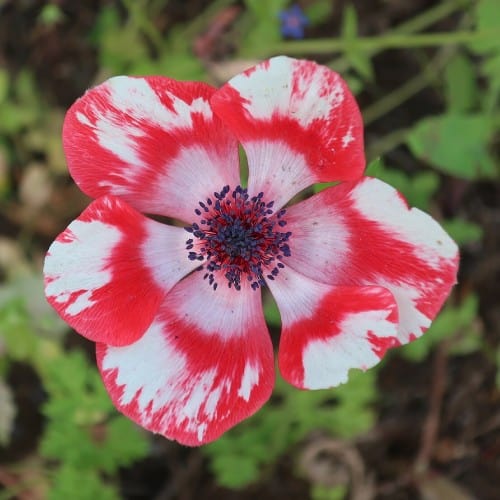
Red anemones brighten up spring with poppy-like blooms. Anemone coronaria, or poppy anemone, is the standout; vivid red flowers with dark centers.
They grow about 10 to 12 inches tall and like well-drained soil. Plant tubers in autumn or seedlings in spring. Red anemones are pretty low maintenance and even deer resistant, which is always a plus.
18) Red Fuchsia
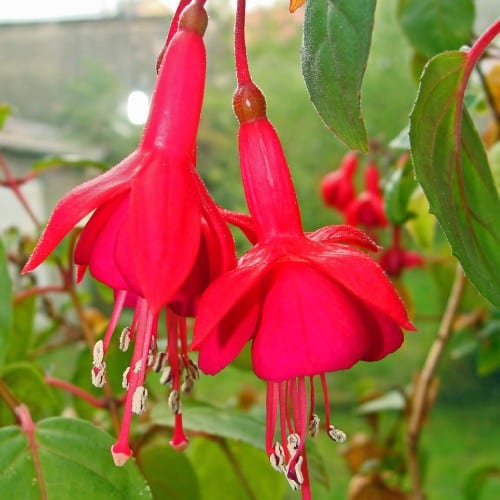
Red fuchsias dangle tubular blooms from arching stems, adding a delicate touch to partly shaded spots. They bloom like crazy from midsummer into fall, and hummingbirds can’t resist them.
Grow them in containers or beds. Hardy types like Fuchsia magellanica can even survive as deciduous shrubs if your winters aren’t too harsh. Their fountain-like growth is great for adding movement to the garden.
19) Red Petunia
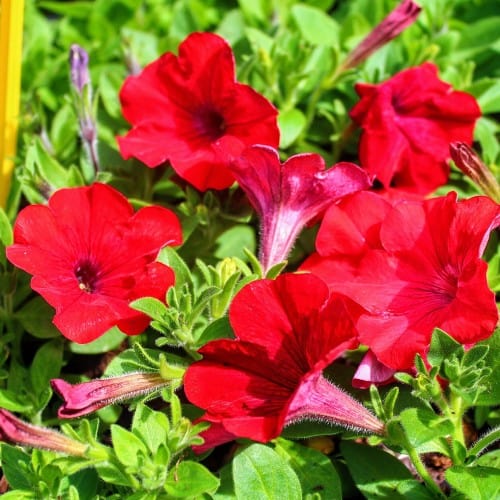
Red petunias are all about bold, long-lasting blooms from late spring until frost. These annuals love the sun and come in lots of cultivars, Supertunia Really Red is a standout for its true red color and vigorous habit.
Use them as fillers in containers or let them spill over hanging baskets. They handle heat and dry spells, plus they’ll pull in hummingbirds and pollinators without much effort.
20) Red Celosia
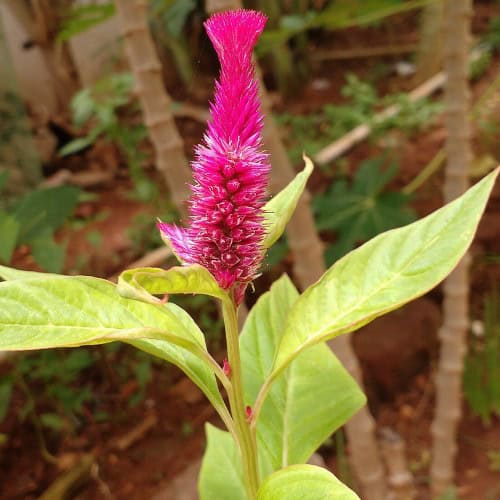
Red celosia throws up these wild, vibrant crimson plumes that instantly add vertical interest to any garden. Depending on which variety you end up with, those feathery spikes can reach anywhere from 10 to 30 inches tall, sometimes even taller if they’re feeling ambitious.
This plant loves the heat and doesn’t really mind humidity or a dry spell. Stick red celosia in garden beds, borders, or even containers, and you’ll get blooms that just keep coming from spring until late summer.
Their bold red flowers really do make eye-catching focal points, making them hard to ignore!