
Indoor air quality has a bigger impact on your health than most folks realize, and yet, so many homes are filled with invisible pollutants from things like furniture, cleaning sprays, even paint. These airborne nasties can trigger allergies, mess with your breathing, or just leave you feeling wiped out. The good news? Some houseplants can help filter out these harmful substances without costing a fortune or looking out of place.
Adding the right air-purifying plants to your home can cut down on toxins and brighten up your space at the same time. Whether you want easy-care options or plants that can handle your unique lighting situation, there’s something for everyone.
Here’s a rundown of 20 plants that have been shown to make a real difference when it comes to indoor air.
1) Snake Plant (Sansevieria)
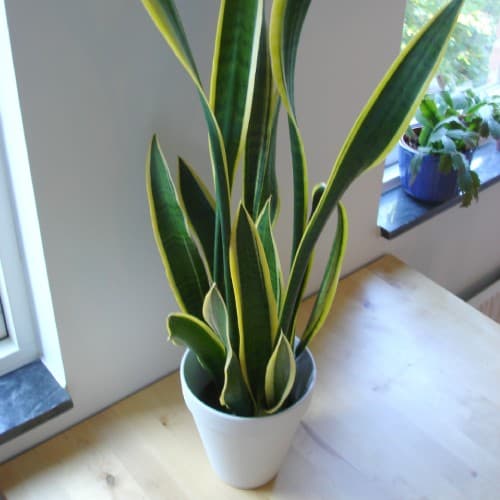
The Snake Plant is about as reliable as it gets for air purification. It’s known for removing common toxins like formaldehyde and benzene, which tend to lurk in rooms with lots of furniture or cleaning products.
This low maintenance plant doesn’t ask for much. It’ll be fine in a range of lighting, and you don’t need to fuss over it with complicated watering routines. Just stick it in your bedroom, living room, or even your workspace and let it do its thing.
2) Peace Lily (Spathiphyllum)
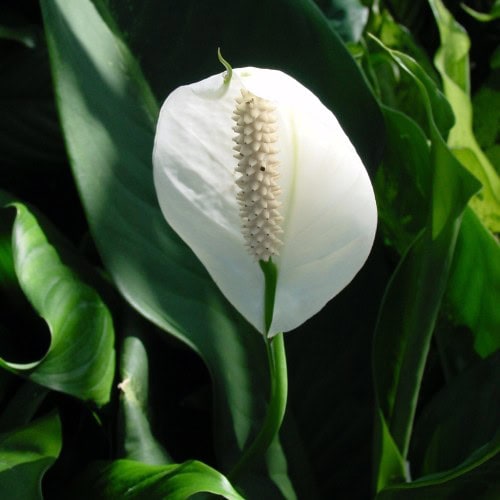
The Peace Lily is one of the most effective air purifiers around. NASA even ranked it high for removing common toxins from the air.
With its glossy green leaves and those striking white flowers, it’s also a real looker. It’s not fussy, so whether you’re a plant newbie or an old hand, you’ll probably get along just fine with it.
If you want the most out of your Peace Lily, try putting one in every 100 square feet of your home.
3) Spider Plant (Chlorophytum comosum)
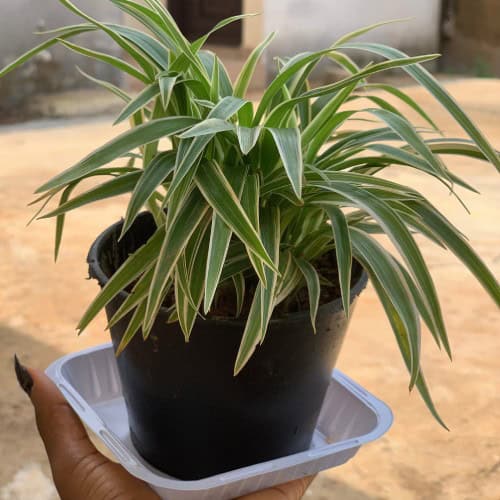
The Spider Plant is hands-down one of the most beginner-friendly air purifiers. NASA’s research found it’s great at removing stuff like benzene, formaldehyde, xylene, and toluene.
It’s got these arching green leaves and little “babies” that hang down, making it super easy to propagate. This hardy plant doesn’t need much and isn’t picky about light, so it’s a solid choice for just about any spot in your home or office.
4) Areca Palm (Dypsis lutescens)
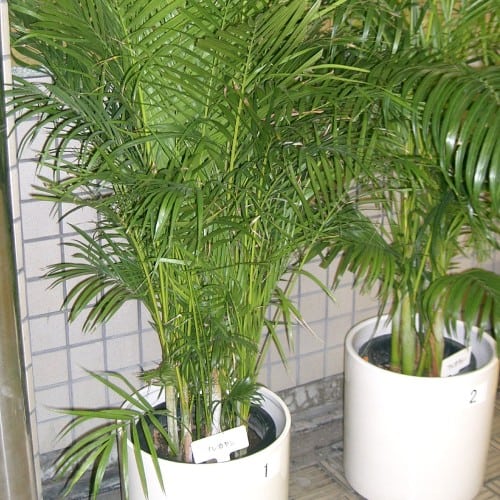
The Areca Palm brings a splash of the tropics indoors and helps filter out pollutants like formaldehyde and xylene. It’s a good pick if you want something that looks lush and actually does something useful.
It’s pretty easy to keep alive, just give it bright, indirect light and keep the soil a bit moist. Indoors, it’ll usually top out around 8 feet, so it’s great for filling up an empty corner or larger room.
5) Rubber Plant (Ficus elastica)
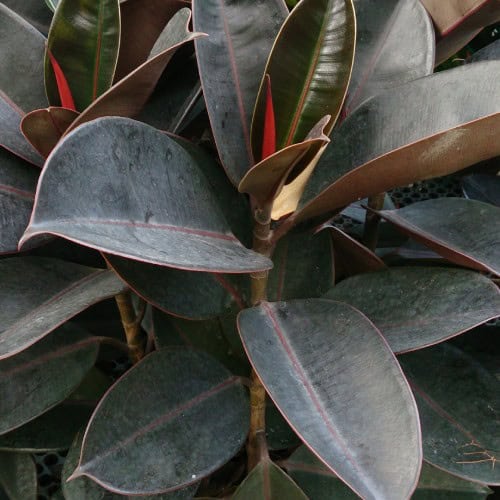
The Rubber Plant sports big, shiny leaves and does a solid job removing formaldehyde and benzene from the air. It’s originally from Southeast Asia, but it doesn’t mind most indoor environments.
It’s one of the more effective air purifiers (NASA backs that up), and it’s pretty forgiving if you’re just starting out with houseplants.
It’ll do fine in low to medium light and isn’t needy, so you can just let it quietly clean your air in the background.
6) ZZ Plant (Zamioculcas zamiifolia)
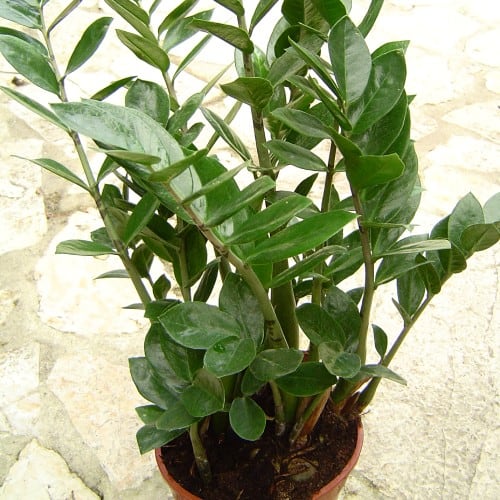
The ZZ Plant is about as low maintenance as they come. It cleans the air and doesn’t care much if you forget to water it now and then. Its shiny, dark green leaves grow from thick rhizomes that store water, so it’s tough to kill.
This one’s happy in low light spots where other plants might sulk. It’s a good pick for offices or homes, especially if your windows don’t get much sun.
7) Boston Fern (Nephrolepis exaltata)
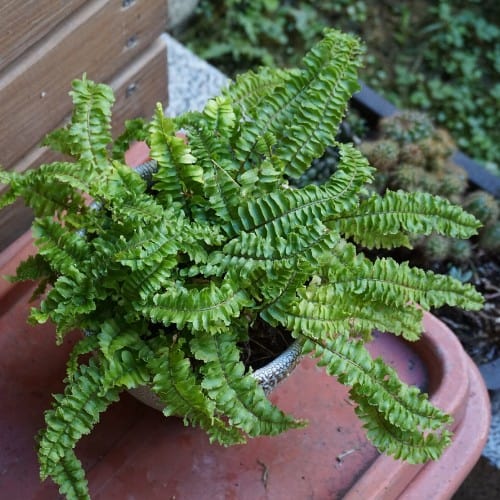
The Boston fern is known for pulling formaldehyde, xylene, and toluene out of the air. It’s got these lush, feathery fronds that make any room feel a bit more alive.
It likes bright, indirect light and soil that stays moist. Keep the humidity up or the fronds will start to brown, as dry air is not its friend.
8) Bamboo Palm (Chamaedorea seifrizii)
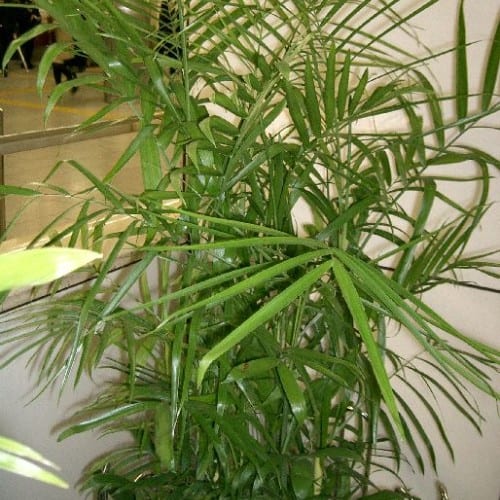
The Bamboo Palm has elegant fronds and bamboo-like stems, giving off tropical vibes. It’s from Central America and is surprisingly good at cleaning air, even in spots that don’t get a ton of light.
It’s easygoing and handles a range of indoor conditions. Just give it consistent moisture and some bright, indirect light, and you’re set.
9) Chinese Evergreen (Aglaonema)
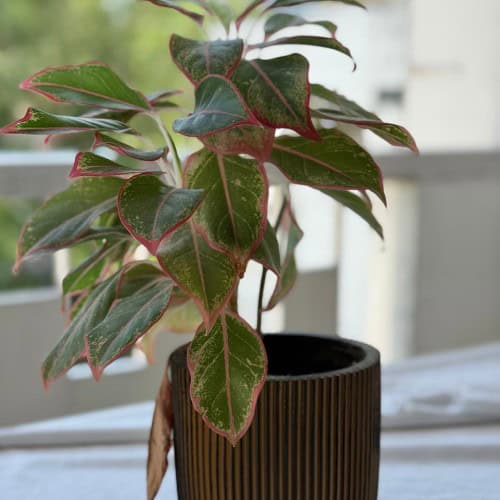
Chinese Evergreen brings eye-catching foliage in shades of green, silver, pink, red, and cream. It’s a good choice for low light and doesn’t need much attention, so it fits right in at home or at work.
NASA’s Clean Air Study found Aglaonema modestum can pull benzene and formaldehyde from the air. Plus, those glossy leaves look great while they’re at it.
10) Philodendron
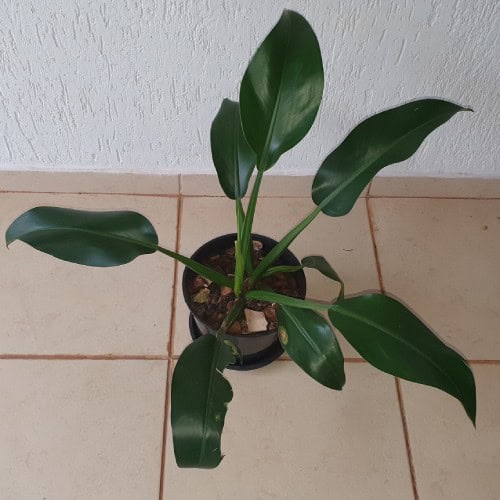
Philodendrons are both stylish and practical when it comes to air purification. NASA says these popular houseplants are effective at removing formaldehyde and other nasties from the air.
There are loads of varieties, so you can pick the one that suits you best. They’re not demanding, which is nice if you’ve got a busy schedule but still want cleaner air.
11) English Ivy (Hedera helix)
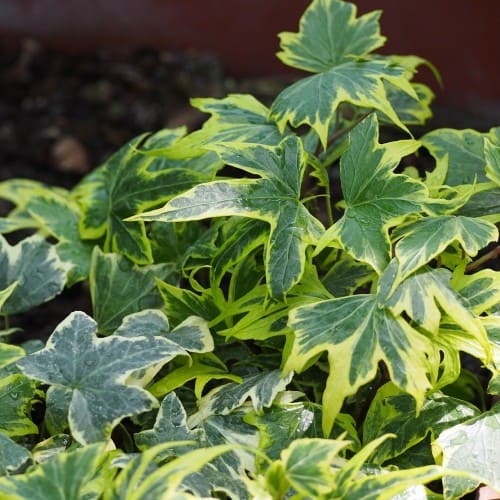
English Ivy brings a touch of charm with its trailing vines and evergreen leaves. It’s tough and does a solid job filtering out formaldehyde and benzene, earning its spot on NASA’s list of air-purifying plants.
It’s not picky! Just give it bright indirect light, keep the soil moist, and it’ll do its thing. Plus, it’s pretty forgiving if you’re just getting started with houseplants.
12) Dracaena Marginata
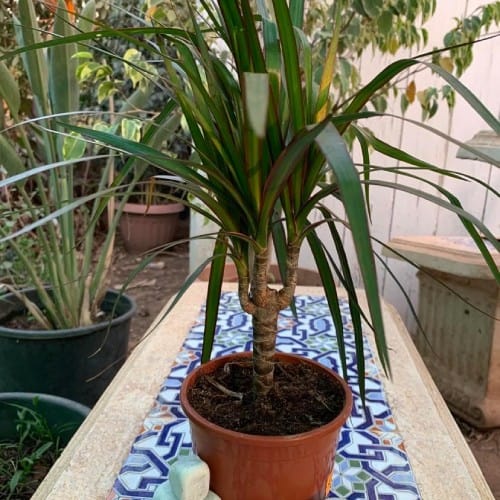
Dracaena marginata, or the Madagascar dragon tree, stands out with its dark green, red-edged leaves. This slow-grower can eventually reach 15 feet indoors, but usually takes its time.
NASA found it’s good at removing benzene, formaldehyde, trichloroethylene, and xylene. It’s not high-maintenance, and it looks pretty cool while quietly cleaning up your air.
13) Lady Palm (Rhapis excelsa)
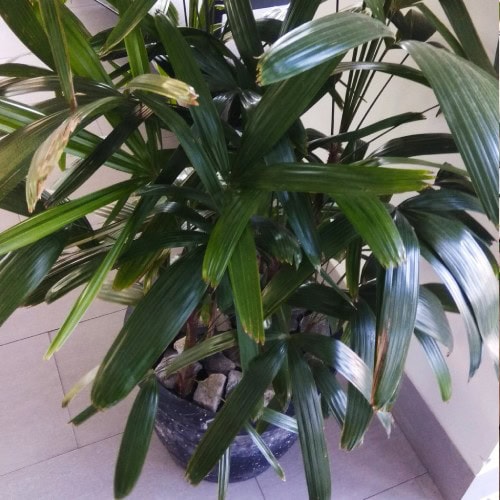
The Lady Palm is all about elegance, with fan-shaped leaves and bamboo-like stems that bring tropical flair to any room. It helps clear out toxins like toluene and xylene and doesn’t mind low to medium light.
It grows slowly and doesn’t ask for much. Bonus: it’s pet-friendly, so you don’t have to stress if you have animals around.
14) Weeping Fig (Ficus benjamina)
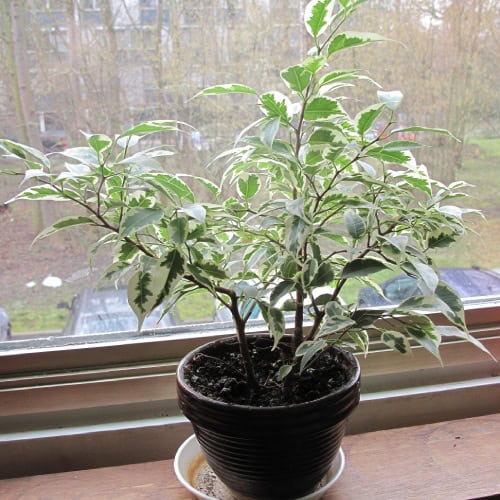
The Weeping Fig is a classic houseplant from Southeast Asia and Australia. Its arching branches and shiny, dark leaves add a touch of class to any space.
Besides looking good, it helps purify the air. Indoors, it’ll usually grow to around 6 feet, which is manageable for most rooms.
15) Heartleaf Philodendron (Philodendron hederaceum)
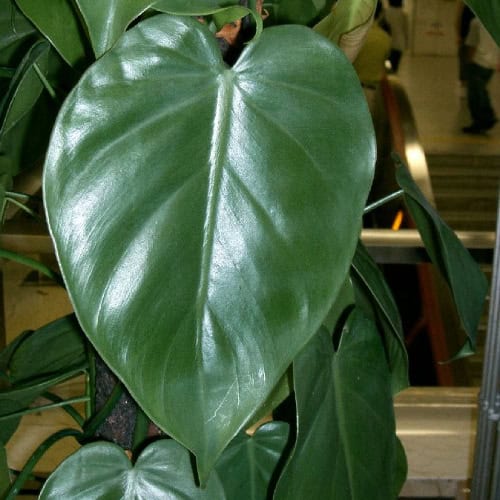
The Heartleaf Philodendron is a tropical trailing plant from Central America that’ll help clean up your air. Its heart-shaped leaves are a nice touch, and it’s happy to climb or trail as you like.
It’s pretty unfussy; low to medium light is fine, and it won’t complain if you miss a watering here and there. Indoors, it generally grows up to about 4 feet.
16) Gerbera Daisy (Gerbera jamesonii)
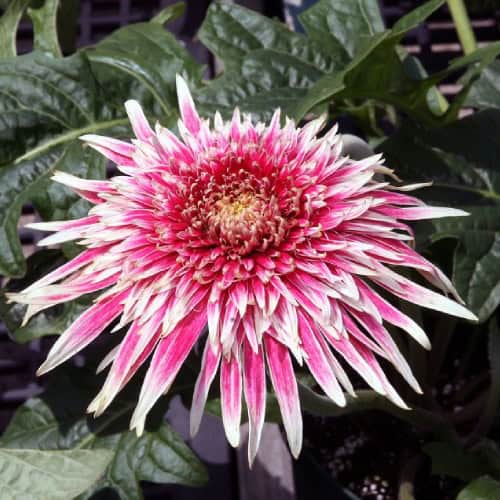
The Gerbera Daisy is a cheerful addition, bringing both color and air-cleaning abilities. Native to South Africa, it puts out big, vivid blooms in reds, pinks, yellows, and oranges.
With the right care, you can get flowers year-round. It needs lots of light (aim for 6 to 8 hours of sun) and likes its soil moist but not soggy.
17) Parlor Palm (Chamaedorea elegans)
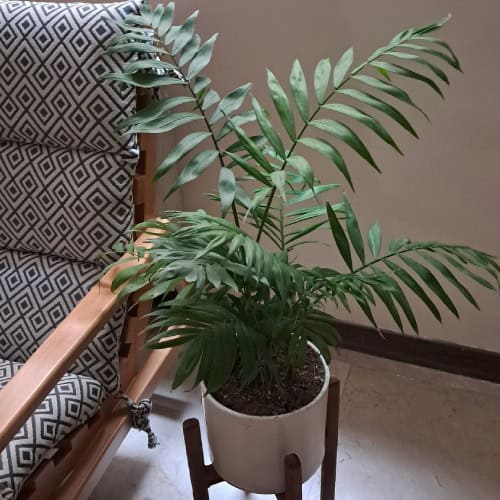
The Parlor Palm comes from the rainforests of Southern Mexico and Guatemala. Its feathery fronds add a gentle, tropical vibe indoors.
It’s got air-purifying powers and doesn’t mind low light. It’s easy to care for, whether you’re new to plants or have a whole collection already.
18) Dumb Cane (Dieffenbachia)
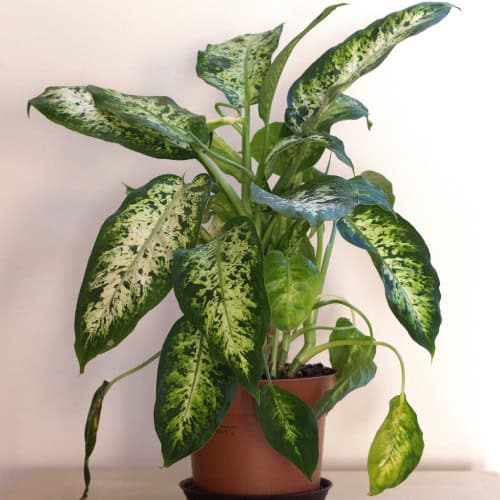
Dieffenbachia is known for its variegated leaves and air-cleaning abilities. It can filter out compounds like xylene and toluene, which isn’t bad for a plant that’s mostly just sitting there looking pretty.
One average-sized plant in a 6-inch pot will help purify about 100 square feet. It likes it warm (64°F–79°F) and with moderate humidity.
Heads up: dieffenbachia has toxic sap, so keep it out of reach if you’ve got pets or little kids around.
19) Corn Plant (Dracaena fragrans)
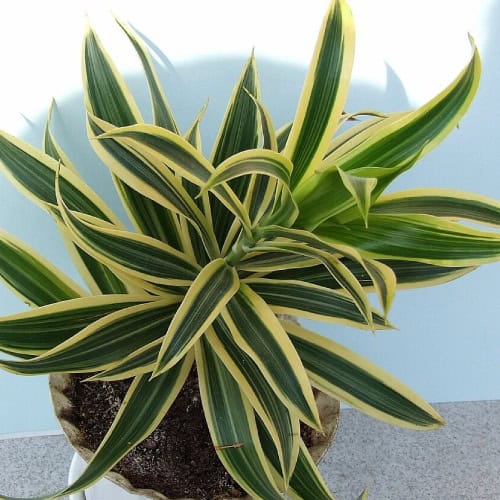
The Corn Plant, native to tropical Africa, is a solid pick if you want something that quietly cleans the air – formaldehyde, benzene, trichloroethylene, all that stuff. It doesn’t ask for much: just moderate light and a bit of attention now and then.
Its arching leaves with those yellow stripes? Honestly, they bring a bit of tropical elegance to the space, even if you forget to water it once or twice. It grows at a relaxed pace and doesn’t really fuss, so whether you’re just starting out or already have a mini jungle, it’s easy to get along with.
20) Money Plant (Pilea peperomioides)

The Money Plant is known for its glossy green leaves and distinctive braided trunk, bringing a calm, polished look to any indoor space. It’s an easygoing plant that adapts well to medium to bright indirect light, making it a popular choice for homes and offices alike.
Money Plant is believed to help improve indoor air quality by reducing common airborne toxins, while also adding a touch of natural humidity to the room. With its lush foliage and upright growth, it offers both visual appeal and a fresh, cleaner feel to your indoor environment, without demanding much attention.