
Not every garden basks in full sunlight, and shaded areas can be a bit tricky for gardeners. Maybe your yard faces north, there’s a wall of trees, or you’ve got a covered porch? Whatever the reason, you’ll want plants that don’t pout without direct sun if you’re aiming for a lively, inviting space.
Shade-loving plants can turn even the gloomiest corners of your yard into lush, colorful areas, without needing hours of blazing sun. From delicate flowering perennials to bold, leafy showstoppers, there are loads of options that actually prefer low-light. These plants bring all kinds of textures, shades, and seasonal surprises, honestly giving sunny borders a run for their money.
Here’s a look at twenty standouts that really shine in shaded environments!
1) Hosta
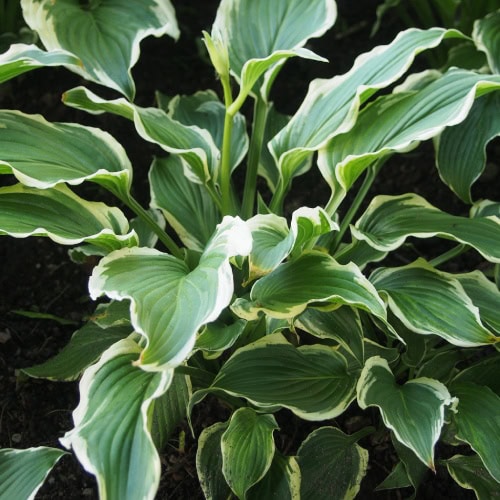
Hostas are reliable perennials that love shade, especially where other plants just give up. Their leaves come in blue-green, gold, white, and all sorts of variegated patterns.
They’re happy under trees, along shady borders, or even in pots. You can go for tiny varieties or the big ones that get up to 20 inches tall and 30 inches wide. Most hostas thrive in zones 3 through 8 and, once they’re settled in, don’t ask for much.
2) Fatsia japonica
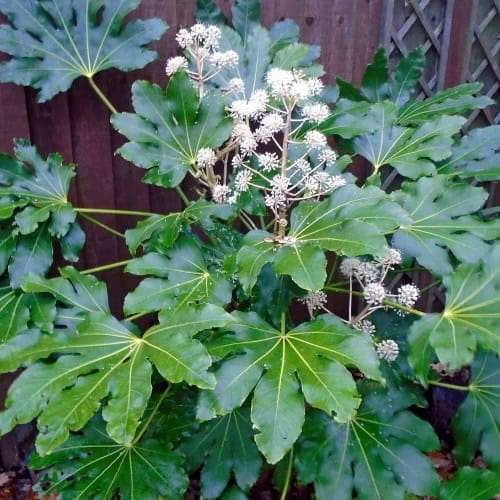
Fatsia japonica, also known as Japanese aralia, is an evergreen shrub with big, glossy leaves that can hit 12 inches across, definitely not shy about making a statement in those dimmer spots.
It’s pretty chill about care and prefers partial to full shade, especially somewhere sheltered. Direct sun can actually scorch its dramatic leaves, so aim for filtered or dappled light. Fatsia can reach up to 8 feet and shows off white flower clusters in the fall.
3) Astilbe
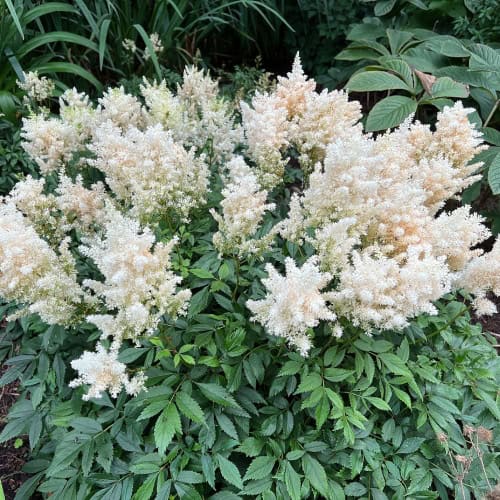
Astilbe sends up feathery, plume-like flowers in pink, red, white, or purple that bloom during summer. These perennials usually stay between 18 and 24 inches tall, just right for borders and paths.
Their lacy, glossy green foliage looks good even when they’re not flowering. Astilbe is also happy in full shade and doesn’t mind damp soil, so it’s a lifesaver for those dreary, soggy corners that need a pop of color.
4) Heuchera (Coral Bells)

Heuchera, or coral bells, are all about vibrant leaves and do great in partial shade to full shade. Foliage colors are wild, including deep purples, burgundies, bright chartreuse, silvers, you name it.
They usually grow 12 to 24 inches tall and wide, making them a solid pick for borders or containers. Delicate flowers show up on tall stems in late spring or early summer, but honestly, the leaves steal the show most of the year.
Coral bells want consistently moist, well-drained soil and appreciate a little mulch to keep things cool and damp.
5) Japanese Forest Grass (Hakonechloa)
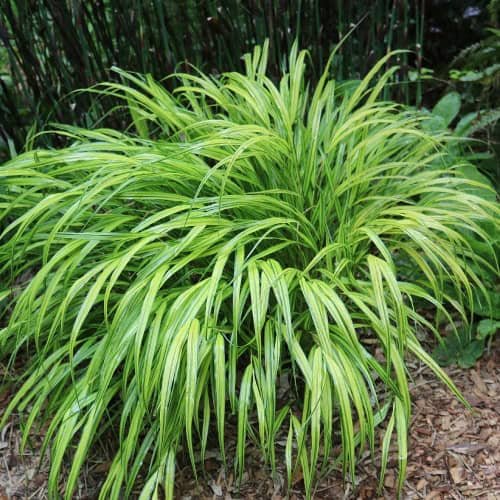
Japanese Forest Grass brings soft, cascading foliage to your shaded garden. It forms gentle mounds with arching stems, almost like a mini bamboo.
This grass loves partial to full shade, so it’s perfect for those tough spots. Varieties like ‘Aureola’ have golden yellow leaves with green stripes, while ‘All Gold’ is, well, bright chartreuse.
It’s a slow spreader, topping out around 12 to 18 inches high, and doesn’t need much fuss. Adds great texture to borders or pots.
6) Bleeding Heart (Dicentra spectabilis)
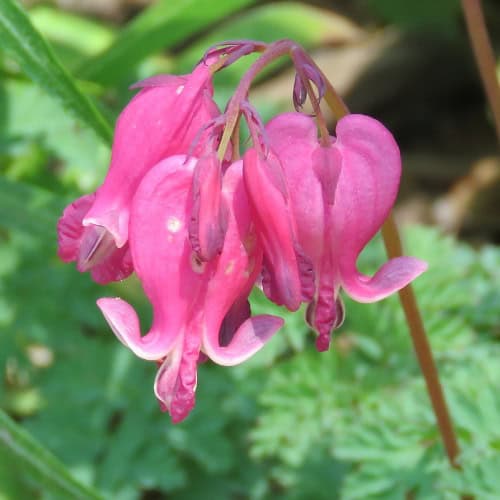
Bleeding heart is a classic shade perennial, famous for its heart-shaped flowers that dangle from arching stems in spring. Blooms come in pink or white and add a touch of elegance to shady spots.
They like partial to full shade and can reach up to 3 feet tall. Originally from Asia, bleeding heart fits right into cottage gardens or woodland areas where it’s protected from harsh sunlight.
7) Solomon’s Seal (Polygonatum)

Solomon’s Seal brings a certain grace to shaded gardens with its arching stems and white, bell-shaped flowers. It’s happiest in partial to full shade, so it’s a natural for woodland spots or under trees.
There’s nice foliage and fragrant blooms in spring, followed by bluish-black berries. It spreads slowly and pairs up well with hostas, ferns, and other shade fans.
8) Lungwort (Pulmonaria)

Lungwort is another shade lover, known for its spotted leaves and early spring flowers in pink, blue, purple, or white; sometimes the blooms even change color as they age.
This low-maintenance perennial prefers partial shade and does best with a bit of morning sun. The silvery leaves stick around after flowering, keeping things interesting. Avoid planting it somewhere hot and sunny, though, as the foliage won’t thank you.
9) Foamflower (Tiarella cordifolia)
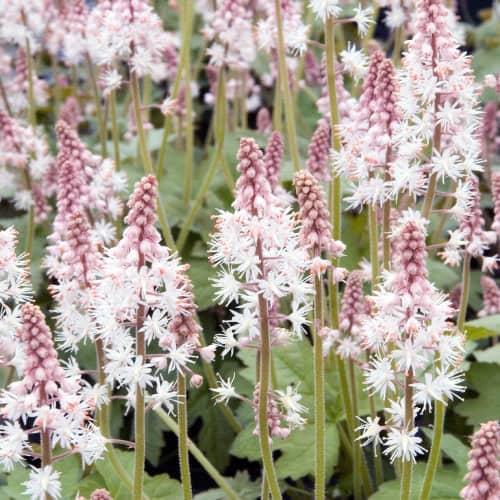
Foamflower is a compact perennial native to eastern North American woods, thriving in shade. It stays low, about 8 inches tall, and in spring sends up delicate white or pale pink flowers on upright stems.
The star-shaped blooms have a frothy look that lasts for several weeks. Foamflower likes rich, well-drained soil with steady moisture and does best in light shade or dappled sun. It’s a great ground cover and looks great with hostas and ferns.
10) Ferns (various species)
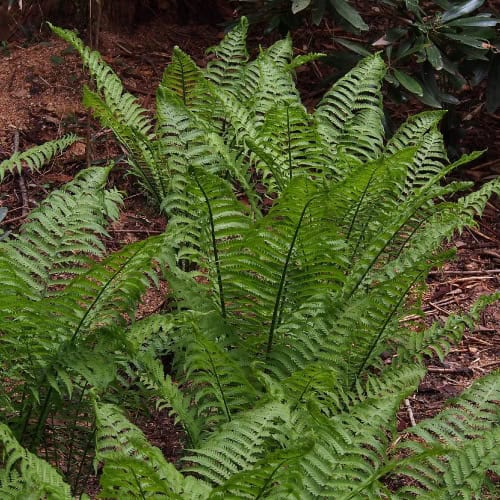
Ferns are just made for shady gardens, with delicate foliage, easygoing nature, and not much bothers them. Most like moist, shady spots and don’t have many pest issues.
There are plenty of choices depending on your conditions. Ostrich ferns love full shade and wet soil, while others can handle some filtered light or drier shade.
They’re great as green backdrops or as features alongside hostas, astilbe, and coral bells. You can plant them pretty much any time the soil isn’t frozen solid.
11) Hydrangea
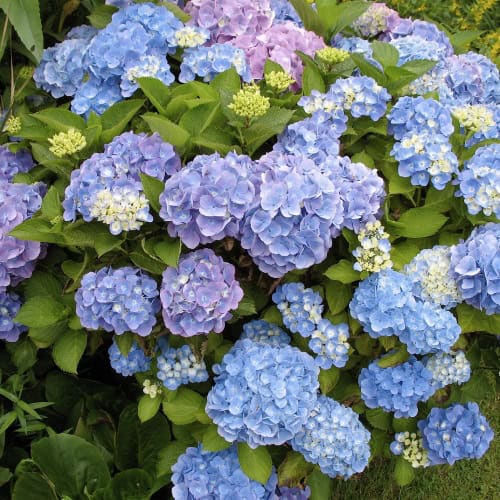
Hydrangeas are fantastic shrubs for shade, bringing big, beautiful blooms to the dimmer parts of your yard. Lots of varieties are happy with partial to full shade, especially Hydrangea macrophylla types.
Endless Summer, Annabelle, and Incrediball are some favorites for shade. They do well under trees or next to north-facing walls where sun is scarce.
Most hydrangeas prefer morning sun, afternoon shade, and steady moisture. With just a bit of attention, they’ll reward you with blooms all season.
12) Lamium (Dead Nettle)
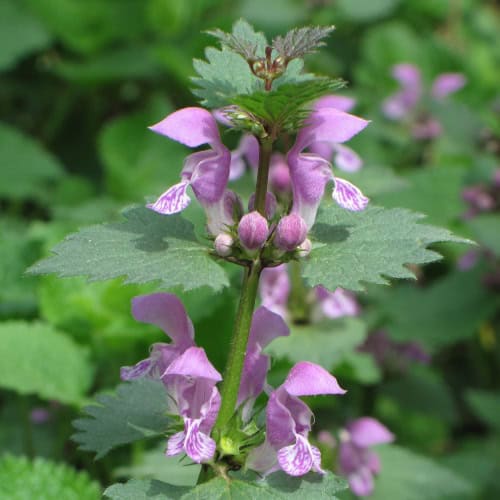
Lamium, or dead nettle, really comes through in shaded areas where other plants just fizzle. This perennial groundcover from the mint family sports variegated leaves in silver, white, green, all sorts of patterns.
Its snapdragon-like flowers bloom in white, pink, or purple for months. Lamium spreads quickly but doesn’t usually get out of hand, so it’s perfect for covering bare ground under trees or in woodland gardens.
13) Columbine (Aquilegia)
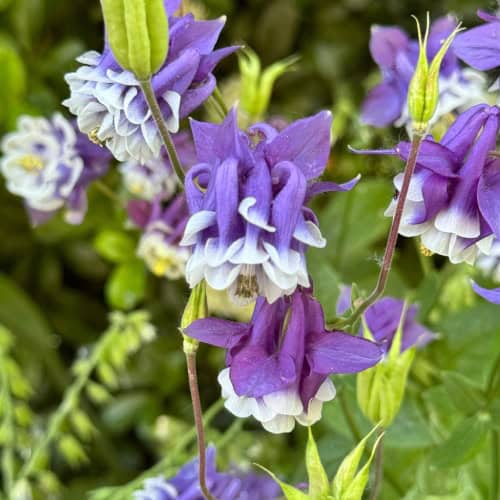
Columbine is right at home in partial shade or dappled light, so it’s great under trees or along north-facing borders. The nodding flowers come in blues, purples, oranges, yellow, making them pretty charming from late spring into summer.
It has ferny foliage that still looks good after the flowers are done. Columbine likes well-drained, compost-rich soil and moderate moisture, and it appreciates some protection from harsh afternoon sun.
14) Virginia Bluebells (Mertensia virginica)
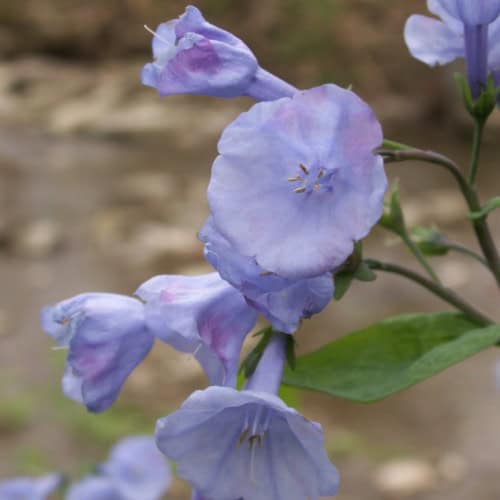
Virginia Bluebells light up shady spots in early spring with pink and blue bell-shaped flowers. This native perennial is happiest in partial to full shade and moist, rich soil.
It pops up after frost, blooms in March or April, then fades away by midsummer. You might want to plant other perennials nearby to fill in after the bluebells disappear. Over time, they’ll spread by rhizomes and self-seeding, creating lovely colonies.
15) Toad Lily (Tricyrtis)
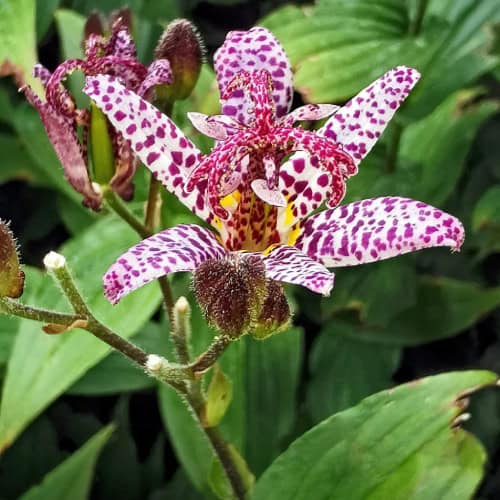
Toad Lily brings some wow-factor with exotic, orchid-like blooms, especially when most other plants are winding down for the year. The spotted petals add a quirky touch to autumn’s darker corners.
This perennial likes part to full shade, rich soil, and steady moisture. Plant it where you’ll actually notice the intricate flowers – borders or spilling over walls both work, depending on the variety.
16) Ajuga (Bugleweed)

Ajuga is a speedy ground cover that thrives in partial to full shade. The foliage is colorful and it shoots up blue, rose, or white flower spikes in spring.
This tough perennial likes moist soil and doesn’t need much attention. It forms a thick mat that holds weeds at bay and keeps shaded areas looking lively.
Plus, Ajuga is deer-resistant, which is a relief if you’ve got critters munching through your yard.
17) Japanese Painted Fern (Athyrium niponicum)
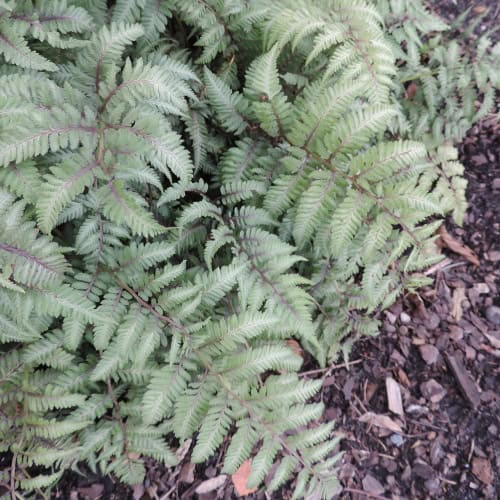
Japanese Painted Fern is a real standout with its silvery fronds and burgundy accents. This deciduous perennial grows 12 to 18 inches tall and is happiest in partial to full shade.
It likes moist, well-drained, organic-rich soil. The color is most vivid in light shade, but too much sun will wash it out.
It pairs beautifully with hostas and other shade perennials in woodland gardens.
18) Tiarella (Foamflower)
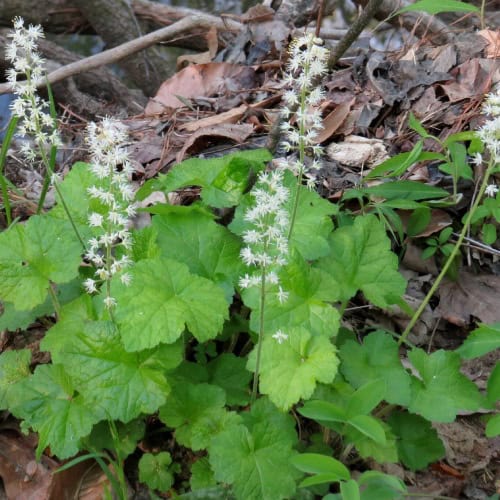
Tiarella, or foamflower if you prefer the friendlier name, does best tucked into shady woodland corners where it forms these charming, low-growing clumps. It stays pretty compact, about 8 inches tall, and in spring, sends up delicate white or pale pink flowers that almost look like a bit of froth floating above the leaves.
If you’re thinking of giving foamflower a spot in your garden, aim for places that stay shady and moist, such as under tree canopies or mingling with other shade lovers. It really wants soil loaded with organic matter, and honestly, it’s going to sulk if you put it in hot sun or let it dry out.
19) Foxglove (Digitalis)
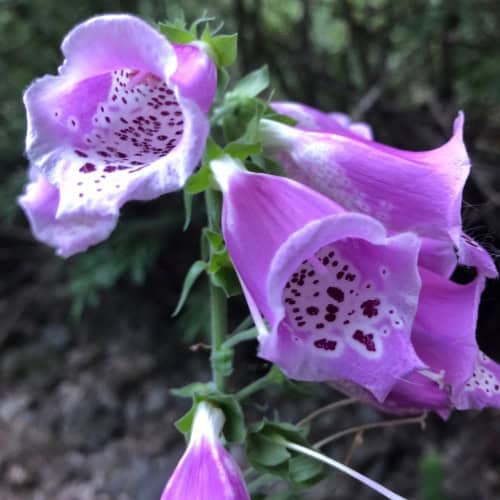
Foxglove can be a showstopper in partial or dappled shade, so it’s a natural fit for woodland gardens or the back of a shady border. Depending on the type, it’s either biennial or perennial, and those tall spires of tubular, bell-shaped flowers can shoot up to 5 or even 6 feet.
Early summer brings out blooms in purple, pink, and white, and if you look closely, you’ll spot those signature speckled throats. Foxglove likes its soil rich and moist, and it seems happiest in spots with a bit of light shade, especially if your summers get a little too hot.
20) Trillium
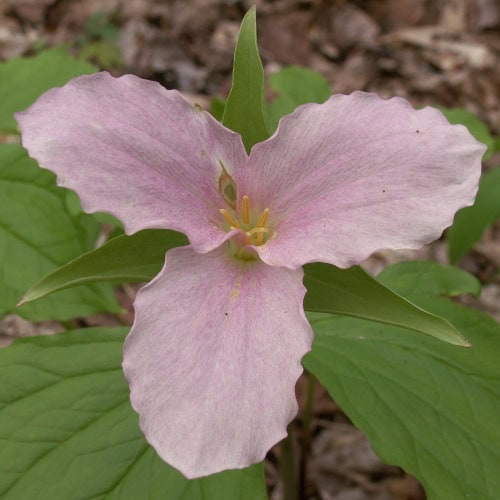
Trillium brings these striking three-petaled flowers to shady gardens with colors of white, pink, yellow, sometimes even red. It’s a woodland native and honestly looks right at home beneath big, leafy trees. The trick is, it loves that dappled spring sunlight before the full-on summer shade rolls in.
For best results, tuck trillium into rich, moist, acidic soil and don’t skimp on the mulch. It’s a natural fit alongside ferns, hostas, or bleeding hearts. That mix just feels right for a lush, shady corner.
Once trillium’s done blooming, it pretty much disappears for the season, so it’s smart to let companion plants pick up the slack and keep things looking lively.