
Pruning climbing roses depends on the type of rose and its blooming habits. For repeat-blooming climbers, it is best to prune in the late winter or early spring when the plants are dormant. Remove canes that are old, damaged, or growing in the wrong direction, ensuring that you do not disrupt the plant’s framework and overall shape. If your climbing rose only blooms once a year, it is best to prune immediately after flowering to avoid removing flowering wood.
Regardless of the blooming pattern, always remember to remove dead, damaged, or diseased wood and keep an eye out for suckers sprouting from below the bud union. Implementing these pruning techniques will keep your climbing roses healthy, vibrant, and beautiful throughout their growing season.
Understanding Climbing Roses

Types and Growth Patterns
Climbing roses are a beautiful addition to any garden, offering both visual appeal and delightful fragrance, though it is important to recognize their unique growth patterns. Here are a few things to consider:
- Some varieties are repeat-blooming while others may only bloom once a season.
- Climbing roses can grow as long canes that can stretch from 8 to 20 feet.
- Canes can also vary in appearance, from woodier older canes near the main crown to vibrant newer growth.
Climbing roses need proper support for these canes, allowing for optimal growth and beautiful foliage coverage.
Support Structures and Training
When incorporating climbing roses into your garden, consider the type of support structure you would like to use. There are several options available which include:
- Trellis: A sturdy lattice structure that provides ample space for climbing roses to grow and create a striking visual effect.
- Fence: Typically made from either wood or metal, this type of structure can serve as a beautiful backdrop for your roses.
- Arbor: A more ornate structure, often used to create a garden focal point or entrance, that forms an arch with climbing roses growing all around it.
Training your climbing roses on these structures involves some skill but allows you to showcase the beauty of your roses. Keep these tips in mind as you train your roses to grow on a support structure:
- Use soft ties or flexible materials to secure canes to the support
- Allow some canes to grow horizontally, encouraging the growth of smaller branches with blooms
- Pay attention to how your chosen structure supports the weight of the canes, so the plant remains healthy and intact.
Pruning Basics

When to Prune
It’s important to know the right time to prune your climbing roses. The best time for major pruning is during late winter or early spring when the plants are still dormant. This allows you to stimulate new growth and shape the plant for the upcoming growing season. However, you can remove dead wood and perform light pruning throughout the year to maintain the plant’s health.
Pruning Techniques
To prune your climbing roses effectively, follow these steps:
- Remove dead or diseased wood: Eliminate any damaged, dead, or diseased wood with clean cuts at a 45-degree angle. This will prevent the spread of disease and keep your plant healthy.
- Shorten the laterals: According to the OSU, shortening the lateral branches stimulates new growth and encourages more flowers to bloom.
- Shape the plant: To maintain the shape and size of your climbing rose, cut back any overgrown or unproductive branches.
Note: It’s crucial to use clean, sharp tools when pruning to minimize damage to the plant.
Caring for Pruned Roses
Once you’ve pruned your climbing roses, it’s essential to care for them properly to ensure healthy growth and beautiful blooming. Here are a few tips:
- Regularly inspect your roses for disease or pests, and treat them promptly, if needed.
- Water your plants adequately, especially during periods of hot or dry weather.
- Provide proper support to help the roses climb and grow in the desired direction.
- Use a slow-release fertilizer to provide sufficient nutrients for your roses during the growing season.
Maintenance and Health
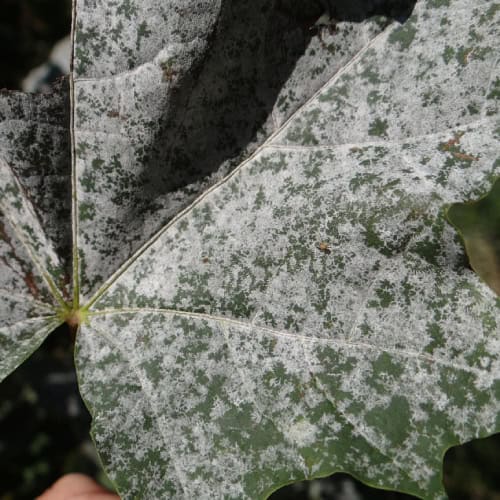
Disease and Pest Management
Climbing roses, like all roses, can be susceptible to various diseases and pests. Here are some tips to help you manage them:
- Watch out for common problems like powdery mildew. To prevent it, ensure good airflow around your roses, and avoid overwatering.
- Keep an eye on diseased branches and promptly remove them to prevent the spread of any diseases.
- Regularly check for pests and deal with them promptly. Some organic solutions include introducing beneficial insects or using neem oil.
Optimizing Water, Sunlight, and Nutrients
For your climbing roses to thrive, it’s essential to provide them with the optimum levels of water, sunlight, and nutrients. Here are some tips:
- Watering: Water your roses deeply and regularly, making sure to water the soil rather than the leaves. Avoid overwatering, as it can lead to root rot.
- Sunlight: Make sure your roses receive at least 6 hours of sunlight each day. They’ll need this for healthy growth and abundant blooms.
- Fertilizer: Feed your roses with a balanced fertilizer throughout the growing season. Here are some general guidelines:
- Use a slow-release, granular fertilizer at the beginning of the season.
- Apply a liquid fertilizer every 4 – 6 weeks during the active growth period.
- Nutrients: Roses need a balanced diet of nutrients, so ensure your fertilizer provides them with essential elements like nitrogen, phosphorus, and potassium.
- Mulch: Mulching around your roses can help retain moisture, regulate temperature, and suppress weeds. Just be sure to keep mulch a few inches away from the base of the plant to prevent diseases.
- Circulation: Prune your climbing roses to promote airflow and prevent diseases. Prune after they bloom in spring, removing one or two older, woodier canes close to the main crown to encourage new growth.
Shaping and Enhancing Bloom
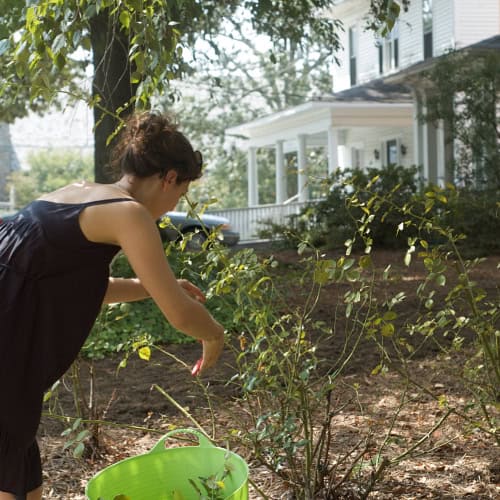
Creating Desired Shape and Form
As a climbing rose enthusiast, you’ll want to create the perfect shape and form for your roses. To achieve this, follow these tips:
- Prune your climbing roses in late spring, after the first heavy crop of blooms has faded. This avoids excessive pruning, which may remove flower buds.
- Some climbers, such as old-fashioned roses, only bloom once a year. For these types of roses, prune immediately after flowering.
- For roses that repeatedly bloom, deadhead spent flowers throughout the flowering season to encourage more flowers and side shoots.
- Be mindful of the direction in which you tie your climbing roses. Train the roses to grow in the desired vase-like shape by carefully tying them to a support structure.
- Regularly control the length and direction of your roses’ growth. This will prevent them from becoming too unruly and maintain a neat appearance.
Encouraging Abundant Blooms
Your goal is to have an abundant display of blooms for both your garden and your bouquets. To maximize the flowering potential of your climbing roses:
- Keep an eye on the health of your roses. Prune out any dead wood that could be taking energy away from flowering.
- Maintain a regular watering schedule. Hydrated roses will produce more blooms and be less susceptible to disease.
- Choose roses that are known to repeat-flower if you want blooms throughout the season.
- Deadhead spent flowers regularly, which promotes the growth of new blooms and side shoots.
- Consider the location where you plant your climbing roses. Placing them in a spot with plenty of sunlight will encourage abundant blooming.