
Holly bushes really bring a sense of structure and color to a yard, but keeping them looking their best, well, that takes a bit of know-how. If you’re wondering when to get out the pruners, timing is everything. Prune at the wrong moment and you might end up with fewer berries, or a shrub that’s just not happy.
The best time to prune holly bushes is late winter, usually somewhere between January and May, about four to six weeks before things start thawing out for spring in your area. This window lets you work while the plant’s still mostly dormant, which is easier on the holly and helps dodge any frost damage to fresh growth. If you’re thinking about bringing some berry-covered branches indoors for the holidays, early winter works too.
Best Time to Prune Holly Bushes
When to prune holly isn’t exactly one-size-fits-all. It depends on whether you’ve got evergreen or deciduous varieties, your climate, and if you’re hoping for a bumper crop of berries.
Seasonal Timing for Pruning Holly
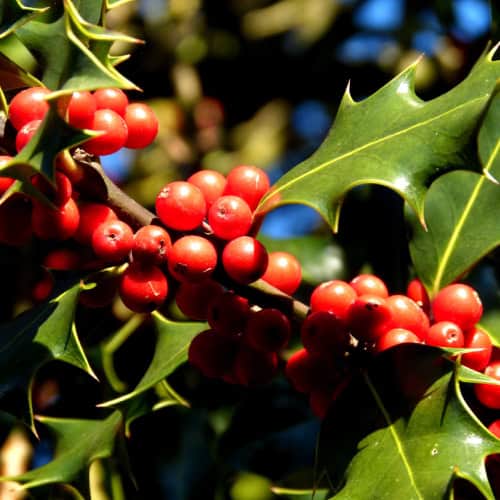
Late winter really is the sweet spot for most holly bushes. Aim for about four to six weeks before your local spring thaw, which can fall anywhere from January to May depending on where you live. This gives the plant time to wake up without risking frostbite on new shoots.
Early spring works too, especially if you’re tackling winter dieback. The milder weather helps the shrub bounce back as it starts pushing out new growth.
Deciduous holly varieties like winterberry holly seem to appreciate spring pruning. You can take out up to a third of the stems each year, focusing on the oldest, thickest branches.
Evergreen hollies, think American, Japanese, or inkberry, handle winter pruning just fine. Some folks snip branches in early December for holiday décor, but if you want to keep those berries outside for the birds (or just for looks), it’s better to wait until late winter.
Pruning in late summer or fall? Not a great idea. Any new growth that pops up is likely to get zapped by frost before it hardens off.
Climate Factors Affecting Pruning Schedule

Your local weather really sets the pace for pruning. In colder zones, it’s best to hold off until the worst of winter is over, but don’t wait so long that you miss the dormant period.
If you’re in a milder area, you’ve got more wiggle room; pruning earlier in winter is usually safe, since there’s less risk of frost damage.
Keep an eye on your average last frost date. Scheduling your pruning about a month before that gives the cuts a chance to heal, without leaving them exposed to deep freezes.
Temperature tips:
- Prune when daytime temps are reliably above freezing
- Skip pruning during those annoying freeze-thaw cycles
- Wait out any brutal cold snaps before heading outside with the shears
Hardiness zones matter, too. Up north, dormancy ends later, so you’ll probably be pruning in March or even April.
Impact on Holly Berries and Flowering
When you prune holly bushes, the timing can really mess with berry production. If you cut in winter, you’re likely removing branches that would’ve bloomed and set berries later.
Holly flowers show up on old wood, so any branches you take off in winter or early spring means fewer blooms, and that means fewer berries come fall and winter.
If you’re all about the berries, hold off on pruning until after the flowers have done their thing and berries are starting to form. Sure, it’s less convenient than pruning in winter, but you’ll get a better berry display.
Sometimes, though, you just have to go for it; especially if your holly’s gotten out of hand. The health boost from proper pruning timing can be worth sacrificing a season’s berries.
Both male and female holly bushes get hit by winter pruning. Females lose berry potential, and males don’t produce as much pollen.
Pruning Techniques and Tools for Holly Bushes
Getting a good result with holly pruning is all about using the right tools and not going overboard. Whether you’re just tidying up or doing a major cutback, a little care keeps the plant healthy and looking sharp.
Choosing Pruning Tools for Holly Bushes
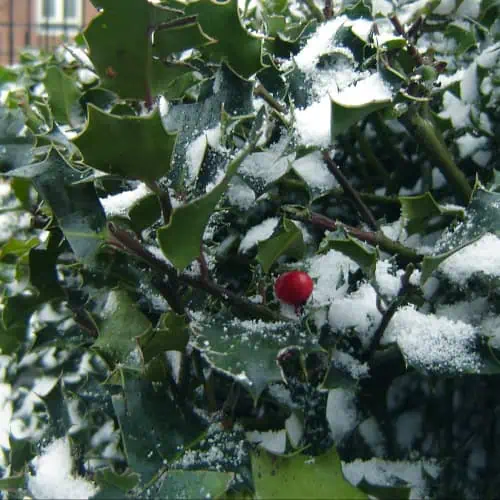
For most regular holly maintenance, sharp pruning shears are your best friend, as they’ll handle branches up to about half an inch thick. Go for bypass pruners, not anvil types; they make cleaner cuts, which heal faster.
If you’re dealing with thicker branches, loppers are the way to go. They’ve got the reach and power to get through bigger wood without mangling it. For really mature hollies with hefty branches, a pruning saw will get the job done on anything over an inch and a half thick.
Keep your tools sharp, as dull blades just crush the stems and invite disease. And hey, don’t forget to wipe them down with rubbing alcohol between plants. No one wants to spread problems around the yard.
Light Pruning, Shaping, and Thinning

Light pruning is all about keeping your holly neat without messing up its natural look. Snip branches back to where they started, or to a side branch that’s heading the right direction. This keeps the American holly’s pyramid shape or inkberry’s rounded outline intact.
Thinning is handy if your holly’s gotten dense. Take out whole branches at the base to let in light and air – start with any that cross or rub, and pick the weaker or inward-growing ones to remove.
Most hollies don’t love being sheared into boxy shapes; it just makes the outside dense and blocks light from the inside. Japanese holly is a bit more forgiving and can handle formal hedging. If you do shear, cut just above buds that face outwards, as this encourages growth away from the center.
Rejuvenation and Size Control Methods
Rejuvenation pruning is for those hollies that have gotten a bit wild. Japanese holly, for example, can handle severe pruning – you can cut it back to two feet in early spring, and it’ll bounce back surprisingly well. Most other types need a gentler touch.
For slower growers like American or English holly, don’t take off more than a third of the plant in one go. Spread big cutbacks over about three years, removing a third of the oldest stems to ground level each season. That way, you keep some foliage while encouraging new growth from the base.
If you need to lower the height, cut branches back to a side shoot instead of just chopping across the top. This keeps things looking natural and avoids the twiggy mess you get from heading cuts. Start with the tallest stems and work your way around for a balanced look.