
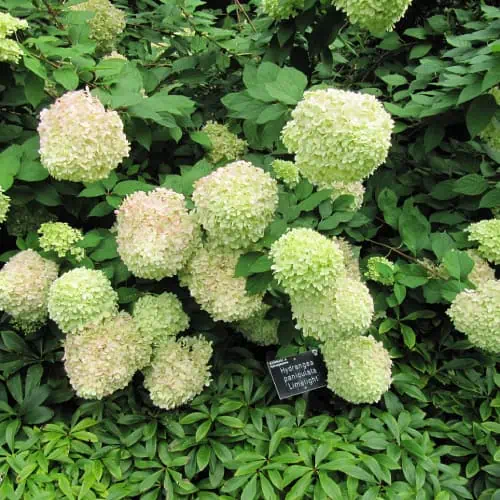
Limelight hydrangeas are easily one of the most eye-catching panicle hydrangea varieties out there, especially with those bold, cone-shaped blooms that shift from creamy white to pink as the summer rolls on.
They’re not fussy plants, but pruning them right really does make all the difference for keeping them healthy, shapely, and loaded with flowers. If you’re like most gardeners, figuring out the best moment to trim without accidentally ruining the show can be a bit nerve-wracking.
The ideal time to prune limelight hydrangeas is late winter or early spring, before any new growth starts pushing out, usually when the weather finally stops acting like a deep freeze. This timing matters a lot since limelight hydrangeas bloom on new wood, so the flowers all pop up on the fresh stems that grow that same year. Prune at the wrong time, and you could end up with a pretty disappointing display.
Optimal Timing for Pruning Limelight Hydrangeas
Limelight hydrangeas bloom on new wood, so when you prune has a direct impact on both the size and the number of flowers you’ll get. The sweet spot for pruning is late winter into early spring – somewhere between late February and early April, though it really depends on where you live.
Why Timing Matters for Limelight Hydrangeas
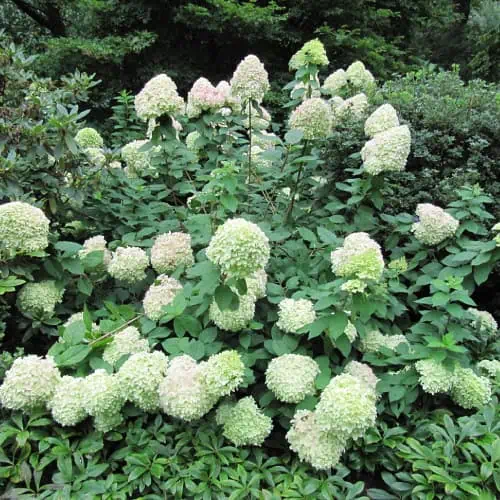
Panicle hydrangeas like Limelight set their buds on new growth, not old wood. That’s why getting the timing right is so important if you want a full flush of blooms.
If you cut them back too early in winter, you risk leaving those fresh cuts exposed to harsh cold. Wait too long in spring, and you might snip off the very buds that would’ve become flowers. The best window is when your hydrangea is still dormant, but just before those buds start to swell and open.
A few signs you’re in the right time frame:
- Buds look swollen, but nothing’s leafing out yet
- Temperatures are hovering near freezing, not plunging below all the time
- No obvious green growth on the branches
Pruning at this point sets your hydrangea up for success, with stronger stems, bigger flowers, and a plant that can handle the weight of those massive blooms from midsummer into fall.
Dormancy and Seasonal Pruning Windows
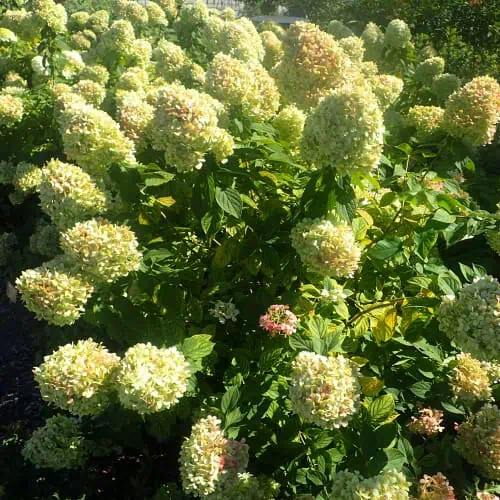
Pruning while your hydrangea is dormant is really the way to go. The plant’s energy is tucked away in the roots, not flowing through the branches, so it recovers more easily and bounces back strong in spring.
Exactly when you should prune depends on your local weather. In most areas with typical winters, late February through mid-March is a safe bet. If you’re somewhere with mild winters, you might get away with pruning in late January.
Live in a cold climate? Better to wait until early spring, maybe late March or early April, once those deep freezes are behind you. Just don’t wait so long that you see green leaf buds popping open.
Where you live makes a big difference in when you should get out the pruners. USDA zones are handy, but honestly, paying attention to your own weather is just as important.
Regional pruning guidelines:
| Climate Zone | Optimal Pruning Period | Key Considerations |
|---|---|---|
| Zones 3-4 | Early to mid-April | Wait for a reliable thaw |
| Zones 5-6 | Late March to early April | Most common growing zones |
| Zones 7-8 | Late February to mid-March | Buds break earlier |
| Zones 9+ | Late January to February | Dormancy is short |
Don’t just go by the calendar. If you get a surprise cold snap after pruning, it can set your plant back. A little trick? Watch forsythia or other early bloomers in your neighborhood, when you see those yellow flowers, your pruning window is about to close.
Technique: Where and How to Make Pruning Cuts
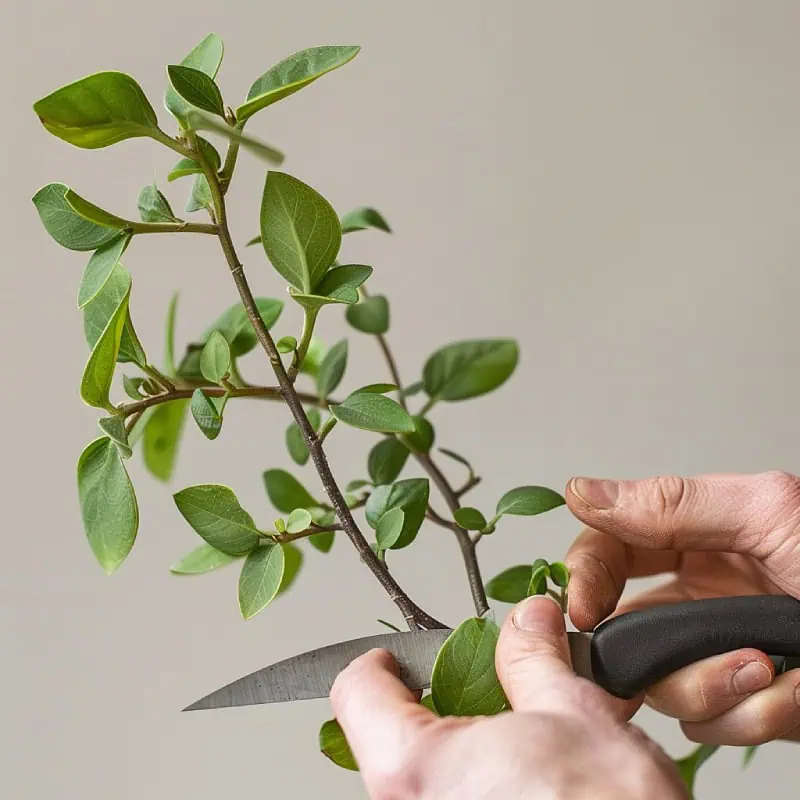
Aim to cut just above a healthy bud or leaf node, and angle your cut at about 45 degrees. That way, water runs off instead of sitting there and causing rot.
Make your cut about a quarter inch above the bud, slanting away from it. Too close and you risk damaging the bud; too far and you leave a stub that just dies back.
Work from the top down and move around the plant as you go. Snip out any branches that cross, grow inward, or look weak and spindly. Those just crowd things and can lead to pest issues.
Old flower heads from last season? Just snip them off above the next set of leaves. During your main pruning in late winter, go ahead and remove any dried blooms still hanging on.
What you’re after is an open center with space between the main branches. Good airflow and sunlight make a world of difference, especially when those big flower clusters start weighing everything down.
Essential Pruning Tools and Preparation
You don’t need anything fancy, but sharp, clean pruners are a must. For Limelight hydrangeas, bypass pruning shears work well for stems up to about 3/4 inch, and loppers are good for anything thicker.
Give your tools a quick wipe with rubbing alcohol or a diluted bleach solution before you start, as no one wants to spread disease from plant to plant.
Double-check that your blades are sharp. Dull blades just mash stems and make messy cuts that heal slowly and invite trouble. A clean, angled cut is what you’re after.
Here’s what you’ll want on hand:
- Bypass pruning shears
- Loppers for bigger branches
- Something to sanitize your blades
- Gloves (trust me, your hands will thank you)
- Maybe a tarp or bin for the trimmings
Pick a dry day, ideally when temps are still cold but not bitter, and before you see any new leaves
How Much to Prune for Optimal Results

Don’t get carried away, as taking off more than one-third of the plant in one go is too much. That kind of heavy pruning stresses the hydrangea and can actually cut down on blooms, since Limelight hydrangeas flower on new wood that grows after you prune.
A good rule of thumb is to cut stems back to about 3 feet tall. That keeps things tidy and leaves enough old wood to support the new growth and those signature blooms.
If you’ve got a younger or dwarf plant, prune back at least halfway down the previous year’s growth. This stops it from getting leggy and helps it fill out nicely.
There’s a bit of a trade-off: fewer, thicker stems mean bigger blooms, but more stems give you more flowers overall (though they’ll be smaller). Try to keep 5 to 8 main stems, with some side branches for balance.
Common Pruning Mistakes to Avoid
Getting a little too aggressive with old wood can really mess with your plant’s future growth and structure.
If you prune too late in spring, you’re probably snipping off developing buds. That means fewer blooms, since Limelight hydrangeas only flower on new growth from the current season. Missed the late winter window? It’s better to just wait for next year rather than risk lopping off all that fresh growth.
A lot of folks think taking off a ton of growth at once will revive their hydrangea, but it usually backfires. Over-pruning stresses the plant, and you end up with sad, floppy branches that can barely hold up any flowers.

Don’t forget about your tools! If you’re not wiping down your blades between cuts, especially after dealing with dead or diseased wood, you’re basically inviting disease to spread everywhere. Just takes a moment, but it’s worth it.
Oh, and about those cuts: making them flat instead of at an angle? That’s just asking for trouble. Water will hang out on those flat surfaces, and in damp weather, you’ll probably see fungal issues or leaf spots pop up. Not ideal, right?