
Lavender really does best with regular pruning, but the timing? That’s what separates a lush, blooming plant from one that just limps along.
The best time to prune lavender is in spring after you see new growth, again in summer right after flowering, and then maybe a final light trim in early fall – just make sure it’s at least six weeks before your first frost. Hitting these windows encourages fresh growth, keeps woody stems in check, and sets you up for a great show of flowers next season.
This guide lays out the best pruning windows for your climate, step-by-step tips for healthier regrowth, and a few tweaks depending on the variety you’re dealing with. You’ll pick up ways to dodge common mistakes that can set your plants back, plus a few aftercare tips so your lavender keeps blooming strong year after year.
When to Prune Lavender
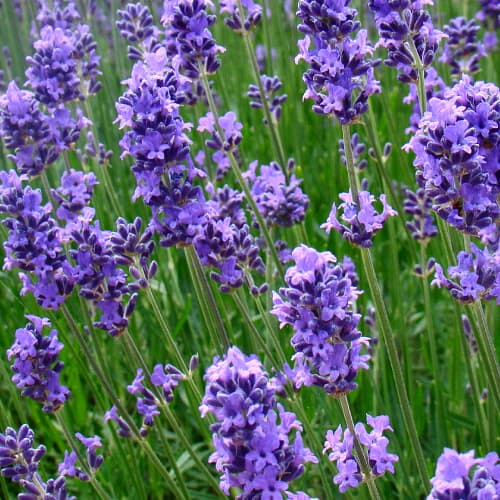
Key Pruning Periods by Season
Summer is the big one. Prune your lavender right after flowering finishes up. This gets rid of spent blooms and straggly growth, plus it opens things up so air can move through. That way, the plant has time to push out some fresh growth before winter rolls in.
Spring is more about light maintenance pruning. Wait until you see the first leaves but before any buds, and just snip away dead wood or winter-damaged stems. If you’ve got late-spring bloomers, cutting them back after that first flush might even bring a second round of flowers.
Fall pruning is kind of optional. If you missed the summer trim, you can tidy up, but get it done at least six weeks before your first expected frost. You want the plant to heal up before cold weather, and you definitely don’t want to encourage new growth that’ll just get zapped by frost.
Don’t go heavy on pruning in late fall or winter while the plant’s dormant. That’s just asking for trouble, as lavender doesn’t bounce back well from cuts during its rest period, and it can lose some of its hardiness.
Timing for Different Types of Lavender
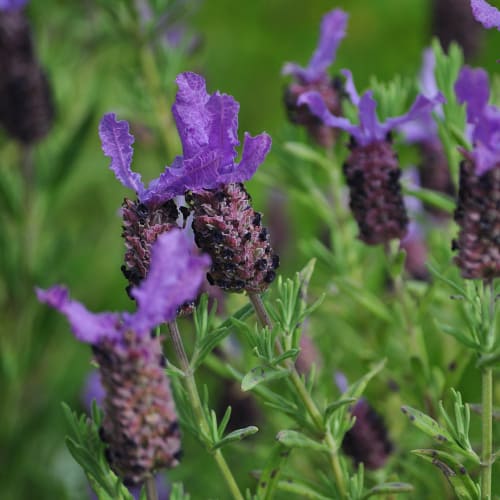
The type of lavender you’re growing matters, since they all bloom at slightly different times. Here’s a quick look:
| Lavender Type | Botanical Name | Bloom Time | Primary Pruning Time |
|---|---|---|---|
| English Lavender | Lavandula angustifolia | Late spring to early summer | Late August after blooms fade |
| Spanish Lavender | Lavandula stoechas | Late spring | After first flowering |
| Lavandin (English Hybrids) | Lavandula x intermedia | July to September | After flowers fade |
| French Lavender | Lavandula dentata | Variable | After first flush of flowers |
English lavender likes two trims: a light one after its first flowers in late spring, and then a full cutback in late August. If you want, you can tidy up again in fall, just to get rid of any stragglers.
Spanish lavender is an early bloomer. Give it a light trim after its first round of flowers, and keep deadheading through the season. A second light prune in late August helps it fill out for next spring.
Lavandin types like ‘Grosso’ and ‘Provence’ bloom later and have long stems. Wait till the flowers are totally done, then cut the stems back by half, but don’t go into the woody parts.
French lavender is a bit touchy. Go easy! Just a light prune after the flowers fade, and shape it gently into a mound by late summer. Too much, and you might lose the plant.
Climate and Frost Considerations
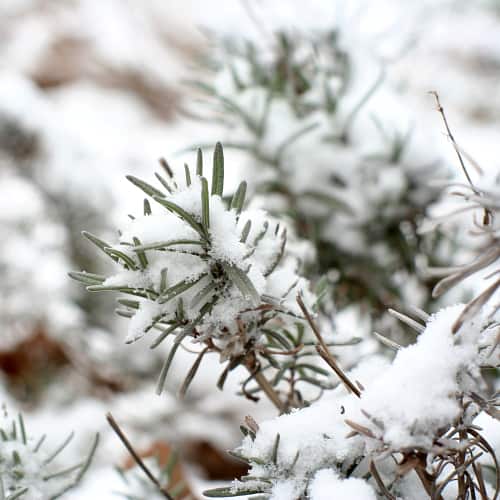
Your climate really shapes when you should prune. If you’re somewhere mild with little frost, you’ve got more wiggle room and can even prune later in the season. But if you’re in a colder area, try to finish up major pruning by late summer.
Always check your area’s average first frost date before you plan any fall pruning. Give yourself a six-week buffer before that date for any significant cuts. If you prune too close to frost, you risk pushing out tender new growth that won’t survive the cold.
In warmer zones, you can do light maintenance pruning almost year-round. Deadhead spent blooms whenever, and shape the plants as needed, so no stress about cold snaps. Still, focus on summer pruning after the main bloom to keep the size in check and the air moving.
Cold-hardy types like English lavender can handle later pruning, but the more delicate ones, like French lavender, need to be finished well before it gets chilly. If you grow a mix, start with the hardier plants and wrap up with the sensitive ones as summer ends.
How to Prune Lavender for Healthy Growth
Good pruning technique is about knowing your plant’s age, having the right tools, and making cuts above green growth. Avoid the classic mistakes, like cutting into old wood, that can really set lavender back.
Pruning Young vs. Established Lavender Plants
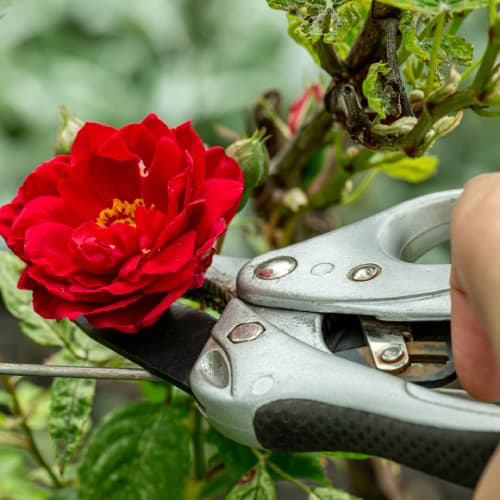
Young lavender plants need a different touch than the older ones. In their first year, just pinch off the soft new growth at the tips. This encourages branching and helps the plant fill out, so you don’t end up with a floppy mess later.
Once lavender’s established, you can be a bit bolder. After flowering, cut the plant back by about a third, focusing on removing spent blooms and any long, leggy stems. Always cut into green, flexible growth – not the woody base. That old wood doesn’t regrow, and cutting into it can really weaken or even kill the plant.
If your plant’s pushing five years or older and has a lot of woody base, you’ll need to be careful. Only trim the green growth above the wood. Going too hard on old stems can be the end for mature lavender.
Essential Tools and Hygiene
Sharp, clean pruning shears are a must. Dull blades just crush stems, which opens the door for pests and disease. Bypass pruners are usually best for lavender’s semi-woody stems, they make nice, clean cuts that heal up fast.
Definitely sterilize your tools before and after each session. A quick wipe with rubbing alcohol or a 10% bleach solution keeps you from spreading any nasty stuff between plants. It’s one of those steps that’s easy to skip, but you’ll be glad you didn’t.
Handy pruning tools:
- Bypass pruning shears for stems up to 3/4 inch
- Hand pruners for deadheading and quick trims
- Gloves (because lavender stems can be a bit scratchy)
- Rubbing alcohol or bleach for sterilizing
Step-by-Step Pruning Techniques
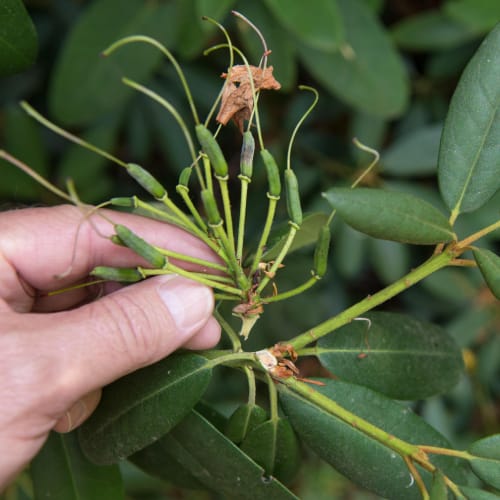
Start by checking over your lavender to find where the woody base ends and the green growth starts. You’re looking for that spot where the brown, stiff stems give way to soft, leafy shoots.
First, get rid of all the spent flower stems, cutting just above the newest set of leaves. Deadheading like this throughout the season keeps the plant blooming and stops it from wasting energy on seeds. Aim for a 45-degree angle with your cuts, so water runs off and the stems heal faster.
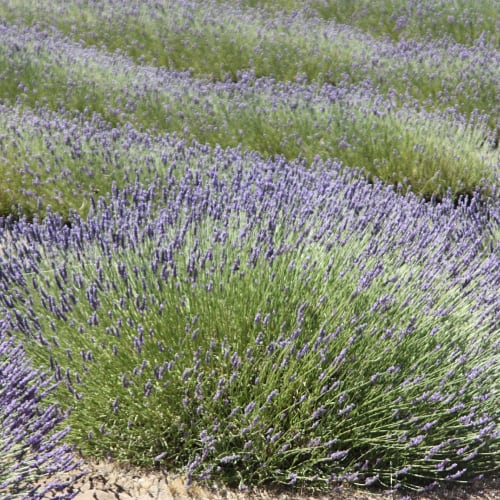
For your main pruning after flowering, cut back about a third of the plant’s height. Work your way around to keep a nice, rounded shape; don’t just chop off the top! Focus on the longest, wildest stems, but try to keep that tidy mound. And, seriously, never cut more than half the plant’s height at once.
Shape the plant into a dome or mound, as it provides better air flow, which means fewer disease problems. Step back now and then to check the shape and make sure you’re not overdoing it on one side.
Common Pruning Mistakes to Avoid
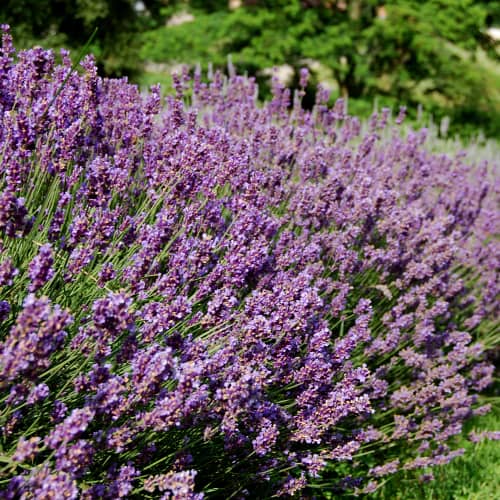
Honestly, the worst thing you can do is chop into the woody stems. That brown, tough growth at the base? It’s not coming back, no matter how much you wish it would. Once you cut there, you’re stuck with those awkward bare spots. So, before you even think about snipping, double-check you’re working with green, living growth.
Critical mistakes that harm lavender:
| Mistake | Consequence | Solution |
|---|---|---|
| Pruning too late in fall | New growth damaged by frost | Prune six weeks before first frost |
| Removing more than half the plant | Shock and potential death | Limit cuts to one third of height |
| Using dull or dirty tools | Disease spread and poor healing | Sharpen and sterilize before use |
| Skipping annual pruning | Woody, unproductive plants | Prune at minimum once yearly after flowering |
If you skip pruning for a year (or two! it happens), lavender gets all woody and tired-looking. Blooms end up only at the very tips, and the plant just loses its spark. Regular, yearly trimming is honestly the secret to keeping things lush and covered in those fragrant purple flowers.
And here’s something people forget: if you prune while buds are forming, you’re actually cutting off flowers you could’ve had. It’s better to wait until the blooms have faded before grabbing your shears. That way, you get every last bit of color and scent before trimming things back.