
For your first DIY pond waterfall, we would recommend a preformed spillway, which gives you a defined water outlet, while stacked natural stone gives you more freedom to shape a rocky cascade. You also have compact options, including overflowing pots and raised bowls that return water to a small patio pond.
The most convincing type of waterfall will suit the space around it. A low drop brings gentle movement close to a seating area; a longer stream gives you room for planting pockets and several changes in sound. With any recirculating design, you’ll need enough water in the lower pond to keep the pump submerged during operation.
Before choosing your design, check local excavation and barrier requirements, plan child-safe access, and use GFCI-protected outdoor power with weatherproof connections. Treat ornamental mini ponds separately from fish habitats, which require suitable volume, filtration, and protection from temperature swings.
1) Waterfall and Fountain Kit DIY (Recommended for Beginners)
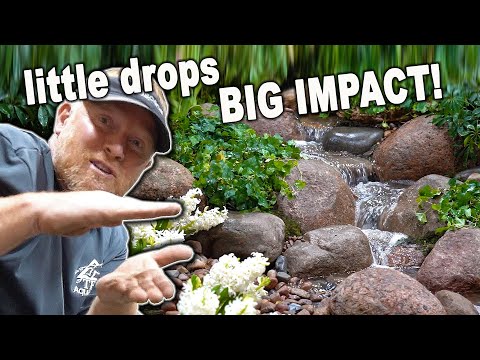

- Create a stunning focal point in nearly any outdoor setting with the Backyard Waterfall Fountain Kit for Landscape and Garden
- Includes underlayment, liner, pump filtration, installation accessories, instructions and Water Feature Welcome Kit that makes it easy to...
- Just add rocks, water, plants and a little creativity to have your very own one-of-a-kind water feature
Choosing a waterfall and fountain kit gives you coordinated components for a pond with both a falling-water outlet and an upright spray. You gain two water effects within one recirculating system when the kit supports simultaneous operation.
Your selection should account for the pump’s output at the waterfall’s actual height. The flow printed prominently on packaging often describes performance with little or no lift. When comparing fountain and waterfall pumps, check the performance chart and any flow split between outlets.
You’ll appreciate accessible controls when a strong fountain spray carries water beyond the pond on breezy days. A restrained spray keeps more water within a small basin.
2) Old School Non-Foam Rocky Waterfall
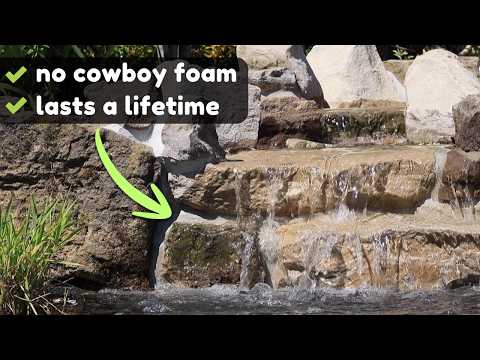
With a non-foam rocky waterfall, you get a natural-looking cascade whose character comes from carefully supported stone and a concealed waterproof liner. You retain the freedom to adjust individual rocks as you refine the flow.
This approach fits a garden where you already have weathered stone, irregular borders, or established planting. Through thoughtful landscaping with rocks, you give the waterfall a connection to the surrounding yard. Partially buried edge stones help the feature feel settled into the ground.
Your main compromise is water control. Without waterfall foam directing flow across the surface, some water may travel beneath the visible rocks, softening the cascade. You still need a continuous lined return to the pond and stable support beneath every heavy stone. Loose stacks and stones that rock under pressure deserve attention before the feature runs.
3) Preformed DIY Mini Pond Spillway
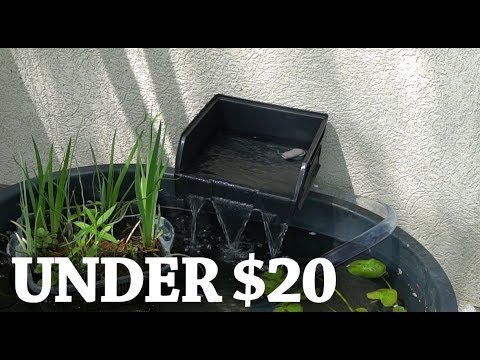
A preformed mini pond spillway gives you a compact waterfall with a predictable outlet and a clearly defined upper pool. You get a useful starting point when free-form rockwork feels difficult to judge.
For a narrow border or modest backyard, you gain moving water without committing much ground to a stream. The molded shape also helps you judge how the waterfall relates to the lower basin when you’re planning a small pond.
You’ll get a more natural finish when surrounding stones conceal the shell’s rim without pushing it out of level. An uneven lip sends most of the flow toward one corner, leaving the rest looking dry.
Your lower pond still needs spare capacity for water draining back after shutdown. Keep the molded upper section accessible so you can clear leaves from its outlet.
4) Flagstone Natural Waterfall

Broad flagstone gives your waterfall a defined ledge, producing a sheet of water that suits a low, spreading garden feature. You get a strong horizontal shape that pairs well with paving or a gently terraced border.
Your choice of stone changes the effect considerably. A relatively even edge encourages a more continuous curtain, while a rough edge divides the flow into separate ribbons. With a shallow drop, you keep the sound close to the pond and limit splash around nearby seating.
You’ll need substantial support beneath projecting slabs. Wet stone becomes slippery, so keep the waterfall separate from stepping routes and places where children might climb.
Allow room around the flagstone for maintenance access. You’ll want to reach the underside of the lip, where algae and debris alter how cleanly the water leaves the edge.
5) Terracotta Pot Waterfall Above a Mini Pond

An overflowing terracotta pot brings a warm, familiar garden material into your mini pond, with water spilling from the pot back into the basin below. You get a raised focal point that fits comfortably among container plants.
This design suits your space when you want a small feature with a clearly visible source. As with any small container pond, your usable water volume deserves attention once plant baskets and pump equipment occupy part of the basin.
Porous terracotta absorbs water, so your pot needs a suitable watertight interior or pond-safe sealing system. In freezing climates, you also face cracking risk from saturated clay.
Keep the pot securely supported and its overflow inside the pond’s footprint. A compact ornamental setup gives you room for aquatic planting, while fish require a separately planned habitat.
6) Budget Stone Waterfall and Pond
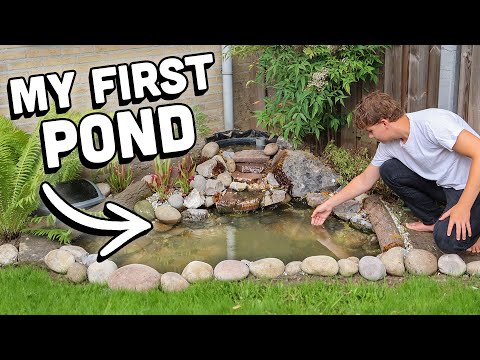
Your budget stretches further with a low stone waterfall that uses locally available rock and keeps the pond footprint modest. You reduce the amount of excavation and the weight of material needed for a tall mound.
Reused stone gives you variation in color and texture, provided you know it is free from harmful residues. When you’re saving money on a garden pond, sensible dimensions leave more room in the budget for a dependable liner and pump.
You’ll also benefit from keeping the water drop low. Less lift reduces the pressure the pump must work against, although tubing length and fittings still affect flow.
Reserve access around the pump intake. A bargain feature becomes frustrating when every leaf-cleaning session requires moving a pile of rocks.
7) DIY Dustpan Waterfall Spillway

Repurposing a dustpan gives you a broad, shallow outlet for a small experimental waterfall feeding your pond. Its open shape offers a way to explore a sheet-style cascade without committing to a large spillway box.
You’ll get the most useful result in a sheltered ornamental feature where the outlet remains accessible. A clean, unused dustpan avoids introducing household-cleaning residues, though you still need to consider whether its material suits prolonged outdoor water exposure.
Your main limitations are stiffness and weather resistance. Thin plastic flexes under tubing pressure, changing the lip angle and sending water sideways. Sun exposure also ages plastics that lack UV protection.
For a pond containing fish, choose a purpose-made aquatic component unless you have reliable confirmation of material suitability. Keep any improvised outlet independently supported so the hose cannot pull it out of position.
8) Patio Pond Spillway Bowl

For your patio, a raised spillway bowl creates a sculptural upper basin that pours into a larger pond below. You gain an architectural feature with a small footprint and a visible water surface at two heights.
Among compact patio pond designs, this arrangement works particularly well beside seating where you can see the overflow lip. A modest drop gives you moving-water sound without a tall rock mound.
Your supporting surface must carry the combined weight of both containers, water, and decorative stone. For a deck or balcony, verify load capacity and any property restrictions before settling on the size.
You’ll also need enough capacity in the lower basin to receive drain-back water. Keep the bowl removable or otherwise accessible, since sediment collects in the upper reservoir even when the water looks clear.
9) DIY PVC Pipe Pond Spillway

Using PVC pipe gives you a straight-edged waterfall outlet that suits a raised rectangular pond or contemporary garden border. You get a compact way to distribute water across a horizontal opening.
Your finished effect depends on how evenly water reaches that opening. Small differences in level become obvious across a long outlet, and an undersupplied pipe produces a broken trickle. Pump capacity needs to match the outlet width and lifting height.
You’ll appreciate removable connections when debris needs clearing. A permanently enclosed pipe becomes awkward to service once roots or leaves reach its interior.
Use components and joining products suitable for your aquatic application, observing their full curing instructions. Conceal or protect exposed pipe from sunlight, and keep decorative cladding separate from the plumbing so maintenance doesn’t disturb the pond wall.
10) Small Waterfall Creek Stream

Following a gentle slope, your small waterfall creek stream links several shallow cascades before returning water to the pond. You gain a longer ribbon of movement and more planting edges than a single drop provides.
This approach suits a yard where you have horizontal space and want the water feature to connect separate garden areas. With a backyard stream, subtle bends help you tuck the channel between existing beds while keeping its route visible from a path.
Your main planning challenge is the water held outside the pond during operation. The lower basin must accommodate that volume when the pump stops, with additional room for rainfall.
Keep soil and mulch clear of the lined channel’s edges to limit water wicking into surrounding beds. Leave accessible spots along the stream so you can remove fallen leaves before they redirect flow over the bank.