
Autumn pond care is preventive water-quality management. Leaves, fish waste, dying vegetation, and bottom sludge break down into nutrient pollution that clouds water and draws down oxygen as temperatures fall.
Removing organic debris before it sinks gives your fish and pond life a cleaner, safer start to winter. A little work each week is far easier on your pond than a major rescue when cold water slows biological activity.
Use this fall pond maintenance guide as a practical routine, adjusting the timing for your local frost dates, pond depth, fish stock, and expected hard freezes.
1) Install a Leaf Net Before Trees Start Shedding
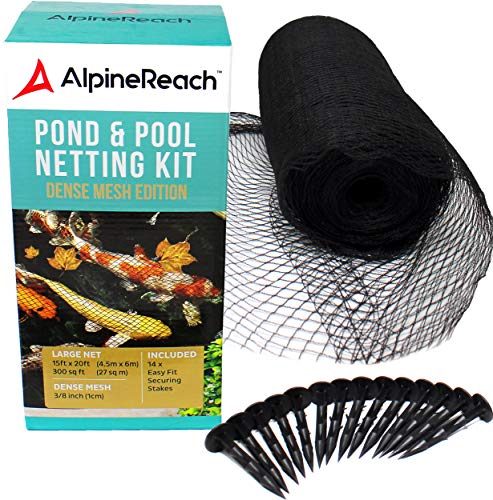
- Reliable Fish Protection – Brilliantly designed to keep your fish safe against Blue Heron birds, cats and other predators. The protective...
- 3/8 Inch Heavy Duty Woven Mesh – The net’s extra strength comes from a tightly woven mesh and works extremely well. The 15’ x...
- Keep Out Smallest Leaves & Debris – The dense mesh will keep your pond & pool staying beautiful and clean; capturing the smallest leaves...
Install a pond net before the main leaf fall begins, while access is easy and the pond surface is still clear. Early exclusion keeps leaves from becoming waterlogged, sinking, and adding to the sludge layer.
Secure the net above the water where possible, using a frame or raised supports so leaves blow off more easily. Check that fish cannot become trapped around loose edges. For wildlife ponds, leave a safe route around the perimeter so frogs, newts, and small mammals retain access.
2) Skim Floating Leaves and Debris at Least Weekly
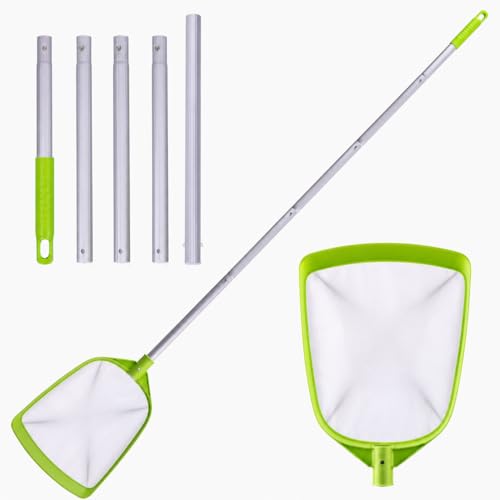
- Ultra-Fine Nylon Mesh for Precision Cleaning – Effortlessly capture tiny insects, fine particles, and debris with our pool skimmer net...
- Sturdy Latching Design for Long-Lasting Use – Engineered with a special locking mechanism, this pool skimmer net with pole stays securely...
- Inclined Scoop Lip for Maximum Debris Retention – The angled front edge effortlessly scoops leaves, pool surface debris, and floating...
Skim the pond surface at least once a week, and more frequently during windy leaf-drop periods. Floating leaves quickly absorb water, sink, and begin releasing nutrients that encourage murky water and consume oxygen.
Use a fine-mesh pond net with a long handle, working slowly around plant baskets and fish hiding places. In a koi or goldfish pond, prompt surface removal also reduces the decomposing material your filter must process through winter.
3) Empty and Clean Your Surface Skimmer Regularly
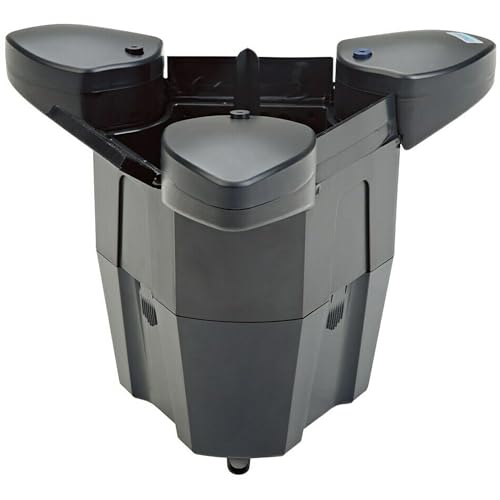
Empty your surface skimmer basket before debris blocks the intake. A packed basket reduces circulation and leaves organic material soaking in the system, where it breaks down into nutrient-rich waste.
During heavy leaf fall, inspect it every day or two. Rinse the basket with pond water or tap water, then return it promptly. Check the skimmer flap and intake opening for leaves, string algae, or trapped seed heads that restrict flow.
4) Remove Sticks, Seed Heads, and Fallen Fruit Promptly

- Practical design: Landscape Rake head 36 inches , Handle 67 inches.This professional lawn rake is perfect for lawn care,Weed removal, Laying...
- Accessory Upgrade: Compared to early rake for leaves, 2 fasteners are added of connections so that yard rake will not loosen, Make rake head...
- Professional material:Garden rake made of high quality aluminum,Rust prevention,Lighter weight,Lighter to use, greatly improving work...
Remove sticks, seed heads, and fallen fruit as soon as you spot them. These larger pieces decay slowly, catch finer debris, and create pockets of rotting material along shelves and edges.
Use pond tongs for awkward items near deep margins or beneath overhanging plants. Fallen fruit deserves particular attention because sugars accelerate microbial activity, placing extra demand on oxygen in a pond already heading toward colder weather.
5) Vacuum Bottom Muck Selectively in Early Autumn

- Max. Suction depth: 6 ft.
- High-power suction to a depth of 59 inch.Maximum suction depth of 78 inch.Suction hose length: 13 ft
- Power consumption: 1200-1400w
Vacuum accumulated bottom muck selectively in early autumn, before cold weather limits recovery. Focus on thick deposits in bare areas, beneath waterfalls, near feeding zones, and around the pond’s lowest points.
Leave a light layer of settled material in wildlife ponds, where it supports overwintering invertebrates. In stocked fish ponds, remove heavier sludge carefully because decomposing waste releases nutrients and gases that add stress under winter ice cover.
6) Cut Back Dying Marginal and Aquatic Plant Foliage
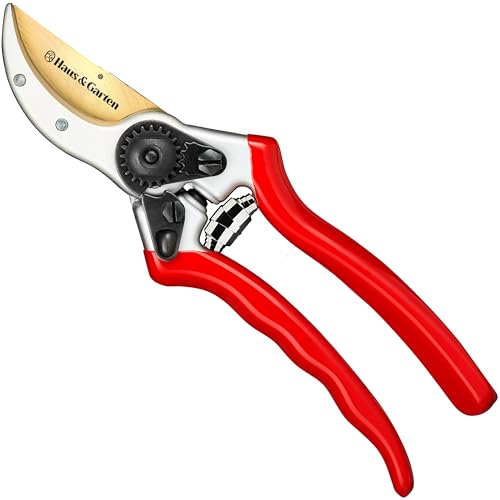
- Sharp, Clean Cuts Every Time – Engineered from Japanese grade, high-carbon steel, ClassicPRO bypass pruning shears for gardening stay...
- No More Hand Fatigue and Wrist Strain – ClassicPRO gardening shears are designed with an ergonomic handle, non-slip grips, and...
- Rust and Corrosion Resistant – Tired of garden shears that rust after just a few uses? Our heavy duty pruning shears are constructed from...
Cut back yellowing marginal and aquatic foliage before it collapses into the pond. Dead leaves from iris, water lilies, rushes, and floating plants become the same nutrient load as autumn leaves once they decay underwater.
Trim cleanly above the crown of each plant and remove damaged lily pads. Keep healthy evergreen pond plants in place where they provide cover, especially in wildlife ponds. Avoid cutting deeply into crowns or submerged growing points.
7) Test pH, Ammonia, Nitrite, and Oxygen Every Few Weeks
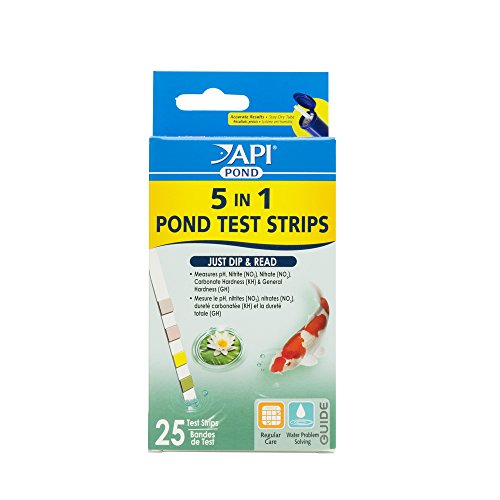
- Contains one (1) API POND 5 IN 1 POND TEST STRIPS Pond Water Test Strips 25-Count
- Helps monitor water quality and prevent invisible water problems that can be harmful to fish
- Measures pH Nitrite, Nitrate, Carbonate Hardness, and General Hardness in pond water

Test pH, ammonia, nitrite, and oxygen every few weeks through autumn. These readings show whether your pond is processing fish waste and decaying debris as temperatures decline.
Ammonia and nitrite should remain at zero in a stocked pond. A sudden reading often points to excess debris, overfeeding, restricted filtration, or a disturbed filter. Check oxygen early in the morning if you have a dissolved-oxygen meter, when levels are commonly lowest.
8) Make a Cautious 10–20% Dechlorinated Water Change

- Contains one (1) API POND CHLORINE & HEAVY METAL NEUTRALIZER Pond Water Neutralizer 32-Ounce Bottle
- Removes harmful-to-fish chemicals from tap water to make water safe
- Made with a super-strength, highly concentrated formula for effectiveness
Make a restrained 10–20% water change when testing or water clarity shows a need for dilution. Use a dechlorinator suitable for your local tap water, and add replacement water slowly to avoid sharp shifts in temperature or chemistry.
A moderate change removes dissolved waste while preserving the pond’s established biological balance. Match the new water as closely as possible to pond temperature, especially once nights turn cold. Avoid large autumn water changes unless you are correcting a confirmed water-quality emergency.
9) Add Beneficial Bacteria After Vacuuming or Water Changes

- Effective Cold-Temperature Performance: Formulated to work in water temperatures below 50°F (10°C), making it ideal for fall and winter...
- Promotes Natural Waste Breakdown: Supports the biological process that helps manage excess nutrients and organic debris as temperatures...
- Professional Strength Formula: Highly concentrated with 1.5 billion CFU per ounce and eight pure strains of beneficial bacteria for...
Add beneficial bacteria after vacuuming heavy sludge or completing a water change. These bacteria support the biological filtration that converts fish waste into less harmful compounds.
Choose a product formulated for the cooler water temperatures you expect in autumn, and follow its dosing directions for your pond volume. Bacteria work best alongside debris removal, adequate circulation, and a filter that still contains established media.
10) Switch Fish to Wheatgerm Food Below 15°C
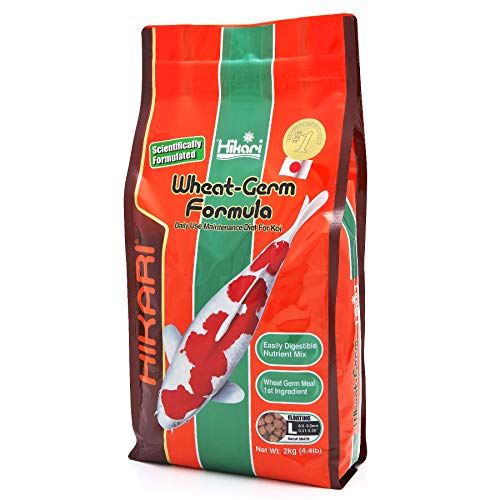
- Easily Digested Daily Diet
- Promotes Waste Reduction
- Excellent for Feeding Autumn & Spring
Switch your fish to a digestible wheatgerm food once water temperatures fall below 15°C, or 59°F. Wheatgerm-based diets are easier for koi and goldfish to process as their metabolism slows.
Feed only an amount your fish finish promptly, then remove any floating leftovers. A pond thermometer is more reliable than air temperature, since water responds slowly to warm afternoons and cold nights.
11) Leave Cut Pond Plants at the Edge Overnight for Wildlife
Leave cut pond plants beside the pond overnight so insects and small animals can crawl back into the water or nearby cover. Dragonfly larvae, beetles, snails, frogs, and other pond visitors often shelter in trimmed foliage.
Lay the cuttings on the bank or across a shallow edge, away from pathways and pets. Compost or dispose of the material the following day, before rain washes decaying leaves and nutrients back into the pond.
12) Remove Decaying Plant Material From the Water
Remove decaying plant material from the water once wildlife has had time to leave it. Rotting stems and leaves feed bacteria, which use oxygen as they break down the material.
Check behind waterfalls, inside plant baskets, and along windward corners where debris collects. In a fish pond, keep these areas especially clean because winter oxygen reserves support fish when their activity slows and ice limits gas exchange.
13) Move Tender Water Plants Indoors Before Frost
Move tender water plants indoors before frost damages their leaves and roots. Tropical water lilies, water hyacinth, water lettuce, and other frost-sensitive species deteriorate quickly after cold exposure.
Lift plants while the water remains manageable, inspect them for pests, and place suitable specimens in bright indoor conditions with clean water. Compost plants you do not plan to overwinter before their decaying foliage adds to the pond’s organic load.
14) Reduce Fish Feeding as Water Temperatures Fall
Reduce feeding as water temperatures decline because fish need less energy and digest food more slowly. Excess food becomes waste, raising nutrient levels at the point when filter bacteria are also becoming less active.
Below 15°C, offer smaller portions and watch how eagerly your fish feed. At temperatures around 10°C to 12°C, many keepers feed only sparingly on suitable days when fish remain active. Skip feeding when fish show little interest.
15) Stop Feeding Goldfish and Koi Below 8°C
Stop feeding goldfish and koi below 8°C, or about 46°F. Their digestive systems slow significantly in cold water, and food can remain in the gut too long or decay in the pond if left uneaten.
Keep monitoring your pond thermometer through fluctuating autumn weather. Resume feeding only when water temperatures rise consistently above this threshold and fish are actively seeking food. Winter observation should focus on water condition and equipment function.
16) Inspect Fish for Stress, Injury, and Unusual Behavior
Inspect your fish during routine pond work for stress, injury, parasites, or unusual behavior. Clamped fins, gasping, flashing, isolation, ulcers, and persistent surface hovering deserve prompt attention before winter limits treatment options.
Observe from the pond edge before disturbing the water. Check whether all fish appear at feeding time while temperatures still support feeding. If you spot concerns, test water immediately and seek aquatic veterinary or experienced specialist advice for wounds or suspected disease.
17) Clean Filters Without Stripping Away All Beneficial Bacteria
Clean filters gently while preserving as much mature biological media as possible. Your filter’s bacterial colonies process ammonia and nitrite, and autumn is a poor time to reset that population.
Remove leaves and sediment from mechanical pads, brushes, and settlement chambers. Swish biological media in a bucket of pond water, then return it to the filter. Replace worn media only in stages, leaving established material in service to seed the replacement.
18) Check Pumps, Airlines, Heaters, and UV Clarifiers
Check pumps, airlines, heaters, and UV clarifiers before freezing weather arrives. Clear intake cages, inspect cables for damage, and confirm that water or air flows freely through every line.
Clean pump impellers according to the manufacturer’s instructions. Test your de-icer well before you need it, and replace brittle airline tubing. A UV clarifier may be shut down for winter where green-water control is unnecessary, while circulation and aeration equipment need reliable cold-weather operation.
19) Decide Whether to Shut Down the Pump Based on Freeze Risk
Base pump shutdown on your pond design, plumbing layout, and local hard-freeze risk. Above-ground pipework, shallow streams, external filters, and exposed waterfalls are vulnerable to freezing and cracking.
A deep pond with protected plumbing may run safely through winter, while a system with exposed lines may need draining and winterizing. If you shut down a pump, remove it where the manufacturer recommends, drain vulnerable pipework, and maintain a separate gentle aeration or de-icing plan.
20) Keep an Ice Opening With a De-Icer or Gentle Aeration
Keep an ice opening with a properly sized de-icer or gentle aeration arrangement where your pond freezes. The opening allows gases from decomposing organic matter to escape and supports oxygen exchange at the surface.
Place an air stone in a shallow area, not at the deepest point where fish rest in warmer water. Use a floating de-icer according to its instructions and protect electrical connections from moisture. Never smash ice, since shockwaves can injure fish and disturb overwintering wildlife.