
Ten fish stand out as reliably cold-hardy choices for a backyard pond! Each of these species tolerates winter temperatures that would stress tropical species, but that resilience has limits worth understanding before you stock a single fish.
Cold tolerance does not mean a pond can freeze solid or run short on oxygen, and it does not mean summer heat is automatically safe either. Warm water holds less dissolved oxygen just as fish metabolism, waste breakdown, and algae growth all speed up together, which is exactly when ponds run into trouble.
This list ranks each species by real-world fit for a typical ornamental pond, not by novelty. Expect notes on adult size, temperament, visibility, and the specific summer and winter routines that keep each one thriving rather than merely surviving.
1) Common Goldfish
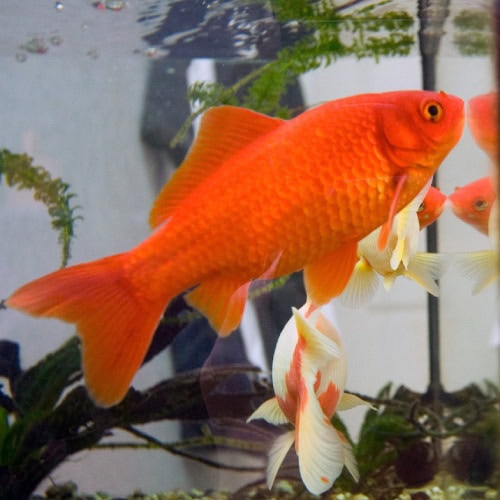
Common Goldfish remain the most dependable starting point for a first pond. They tolerate temperature swings from near-freezing to the mid-80s Fahrenheit, though sustained heat still stresses them.
Adults reach 10 to 12 inches in a spacious pond, so plan for at least 100 gallons per fish as they mature. Their calm, social temperament suits mixed stocking with Shubunkins and Comets.
During heatwaves, watch for surface gasping, an early sign oxygen has dropped. Add overnight aeration and 30 to 40 percent surface shade before nitrogen levels climb.
2) Shubunkin Goldfish
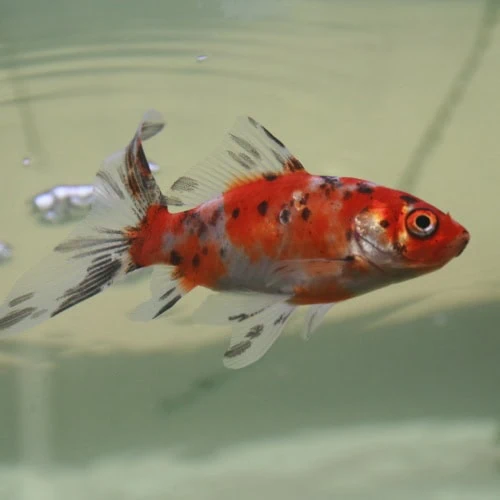
Shubunkins bring calico color patterns of blue, orange, and black without sacrificing any hardiness. They handle cold water as well as Common Goldfish and share the same winter dormancy pattern, slowing activity once temperatures drop below 50°F.
Their nacreous scales give them a distinctive, semi-transparent shimmer that stands out against pond liners or gravel. Expect adult lengths near 10 to 14 inches, so size the pond accordingly.
Keep pH stable between 7.0 and 8.0, and test for zero ammonia and nitrite regularly. Shubunkins show heat stress through clamped fins and reduced appetite before more serious symptoms appear.
3) Comet Goldfish
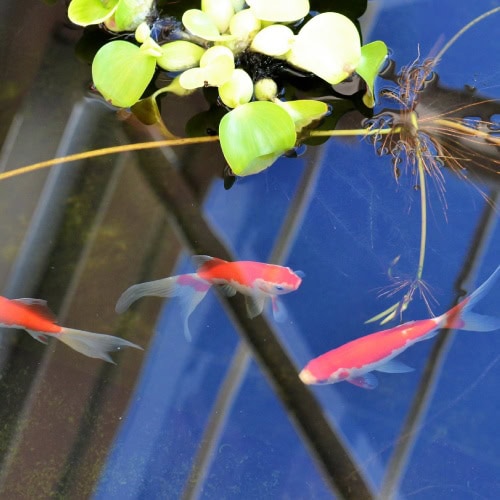
Comets pair excellent cold tolerance with genuine speed, darting through open water in a way that makes them easy to spot from a patio. They’re a strong choice for beginners who want an active, visible fish without koi-level space demands.
Adults typically reach 10 to 12 inches and do best in ponds of 50 gallons or more per fish. Their long, flowing tails make quick swimming look effortless, though it also increases oxygen demand during hot spells.
Continuous circulation matters here more than shade alone. If Comets hover near a fountain or waterfall during a heatwave, that’s a clear signal oxygen is running low.
4) Koi Carp
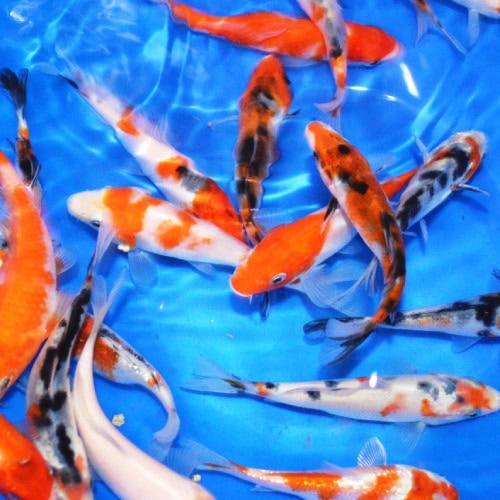
Koi are the fish most people picture when they imagine a serious ornamental pond, and their care needs match that reputation. Adults commonly reach 24 to 36 inches, so a small backyard pond will not support them long term.
Plan for at least 1,000 gallons and 3 feet of depth to give koi room to grow and a stable thermal buffer through both seasons. Koi outgrow small ponds faster than most first-time owners expect.
Summer care demands continuous circulation, overnight aeration during heatwaves, and manual algae removal before reaching for any treatment. Slow top-ups with dechlorinated water prevent the shock that triggers surface gasping.
5) White Cloud Mountain Minnow
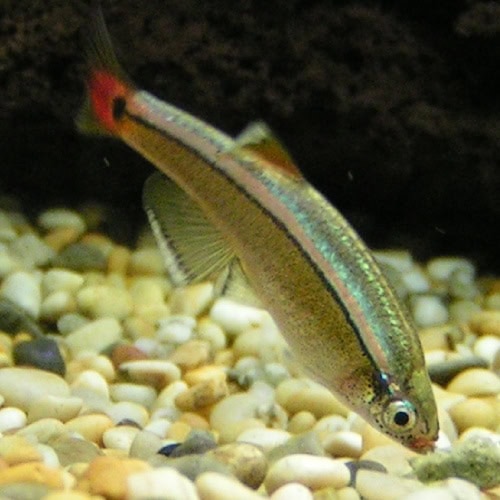
White Cloud Mountain Minnows suit small, unheated ponds where koi or full-size goldfish simply won’t fit. Reaching only about 1.5 inches, they’re genuinely low-impact on bioload and oxygen demand even in modest water volumes.
Their cold tolerance is notable among small ornamental fish, handling temperatures down to the upper 30s Fahrenheit without heating. Shoaling behavior means they’re best kept in groups of six or more, adding movement and visual interest to shallow pond zones.
Because of their small size, ammonia and nitrite spikes affect them faster than larger fish. Weekly water testing catches problems before they become visible in the fish.
6) Fathead Minnow
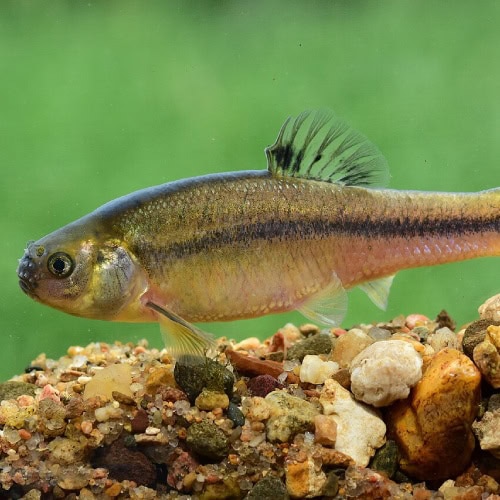
Fathead Minnows are a practical, understated choice for pond owners prioritizing function over color. Native to cold North American waters, they tolerate winter ice cover and summer heat better than most ornamental species, provided oxygen stays adequate.
Adults reach 2 to 4 inches and do well in small to mid-size ponds, often serving a supporting role alongside goldfish rather than as the main attraction. Their muted olive-brown coloring keeps them less visible, which some owners prefer for a more natural look.
They tolerate somewhat lower water quality than delicate species, but nitrate should still stay below 40 ppm for long-term health.
7) Japanese Rice Fish
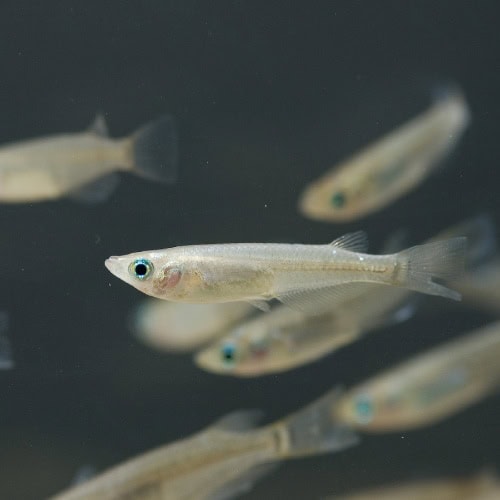
Japanese Rice Fish, often called medaka, offer a quiet elegance suited to small, shallow ponds and container water gardens. Reaching only about 1.5 inches, they need minimal space but still benefit from the same water-quality standards as larger fish.
Their cold tolerance is solid for a small species, surviving winter dormancy in outdoor ponds across much of the US. Translucent and gold color varieties make them easy to spot against dark pond substrate.
Because they’re so small, sudden temperature or chemistry swings hit them hardest. Slow, gradual top-ups and stable pH between 7.0 and 8.0 protect them through seasonal transitions.
8) Weather Loach
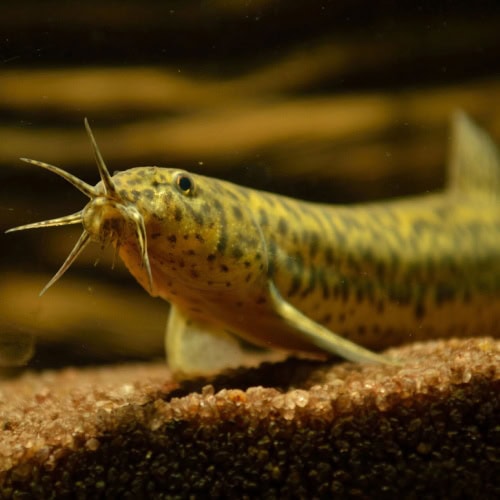
Weather Loaches, sometimes called dojo loaches, add a bottom-dwelling presence that most pond fish don’t provide. Their eel-like movement along the substrate helps disturb debris, though they aren’t a substitute for regular pond cleaning.
Adults reach 8 to 10 inches and tolerate cold water well, often remaining active later into fall than goldfish. They’re sensitive to barometric pressure changes and will swim erratically before storms, a natural behavior rather than a stress signal.
They prefer soft substrate for burrowing and do best in ponds with at least moderate depth and stable, well-oxygenated water year-round.
9) Three-Spined Stickleback
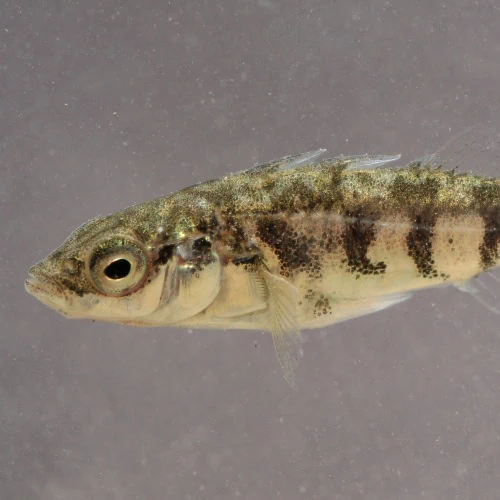
Three-Spined Sticklebacks suit small native-style ponds where owners want a hardy, low-maintenance fish with genuine cold tolerance. Reaching only 2 to 4 inches, they tolerate a wide temperature range and require minimal space compared to goldfish or koi.
Males develop a reddish throat during breeding season, adding seasonal color interest without needing selective breeding. Their territorial temperament means they’re best kept in ponds without larger, boisterous tankmates.
They handle modest water quality well, but ammonia and nitrite should still read zero on routine testing. Dense planting gives them cover and reduces stress in smaller pond setups.
10) Sterlet Sturgeon
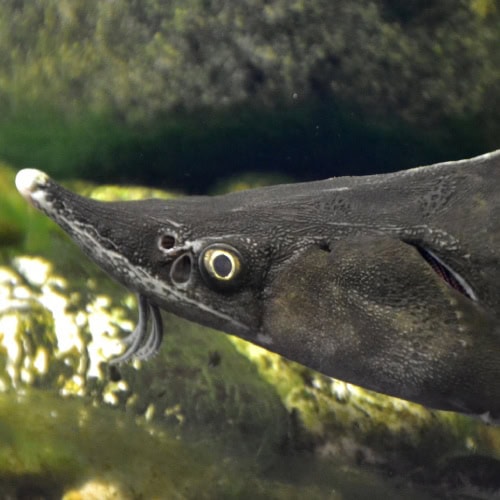
Sterlet Sturgeon belong only in large, highly oxygenated ponds, not standard backyard setups. Adults can reach 3 to 4 feet, requiring several thousand gallons and consistent, strong circulation to meet their oxygen needs.
They need specialized sinking food, since their downward-facing mouths can’t compete at the surface with goldfish or koi. Continuous aeration matters more for sturgeon than almost any other pond fish, as oxygen deprivation shows quickly through lethargy.
Cold tolerance is strong, but winter care still requires an ice-free opening for gas exchange rather than relying on broken ice. This is an advanced species suited to experienced keepers with substantial pond infrastructure.